
 Nicola Rutzou
Japan’s Shimanami Kaido is a popular cycling trail that offers much, including the very special cycling event held every two years. I was lucky enough to participate in the event in 2018 and thoroughly recommend it, as well as the whole area, as a great place to ride a bike.
Cycling Shimanami 2026
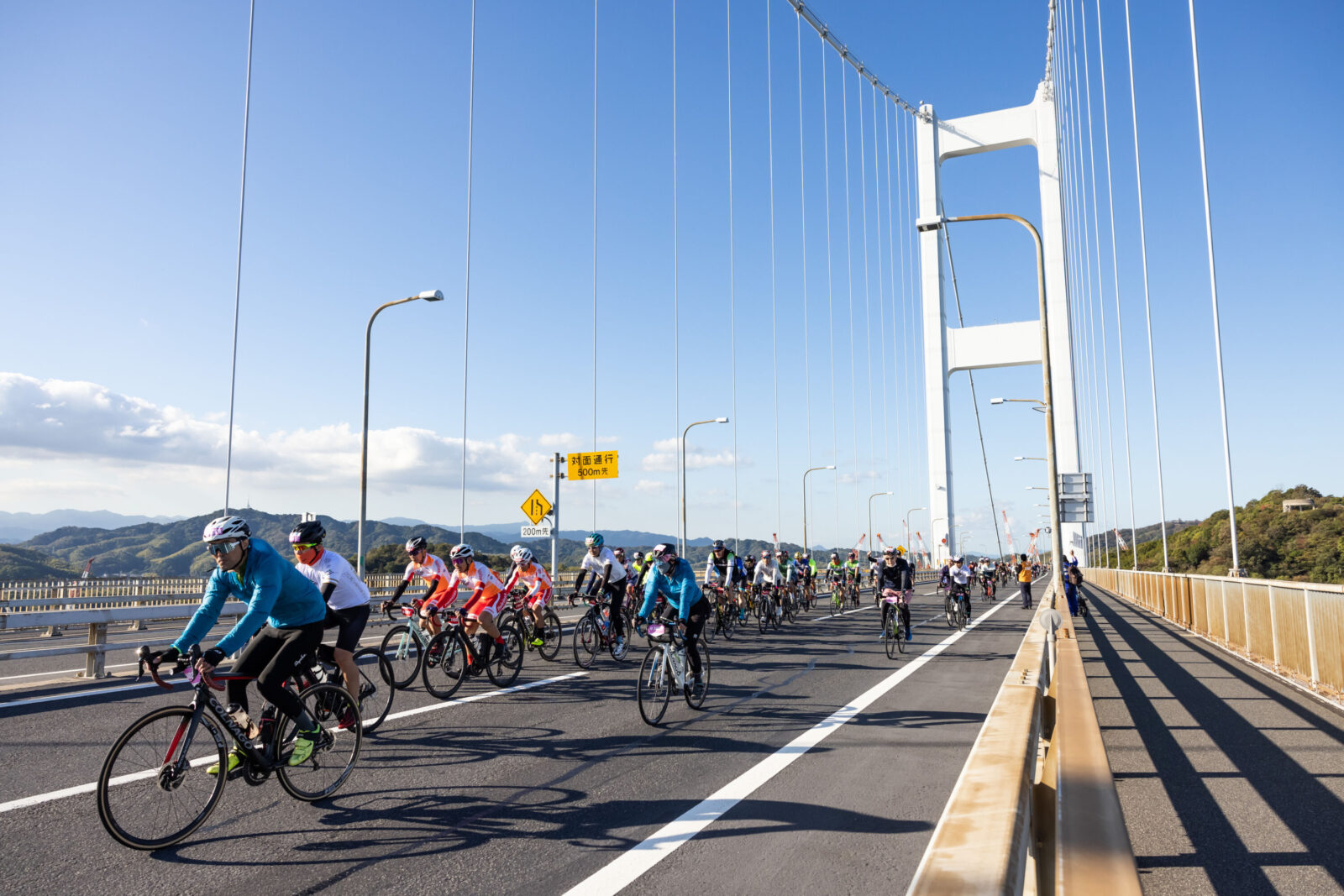
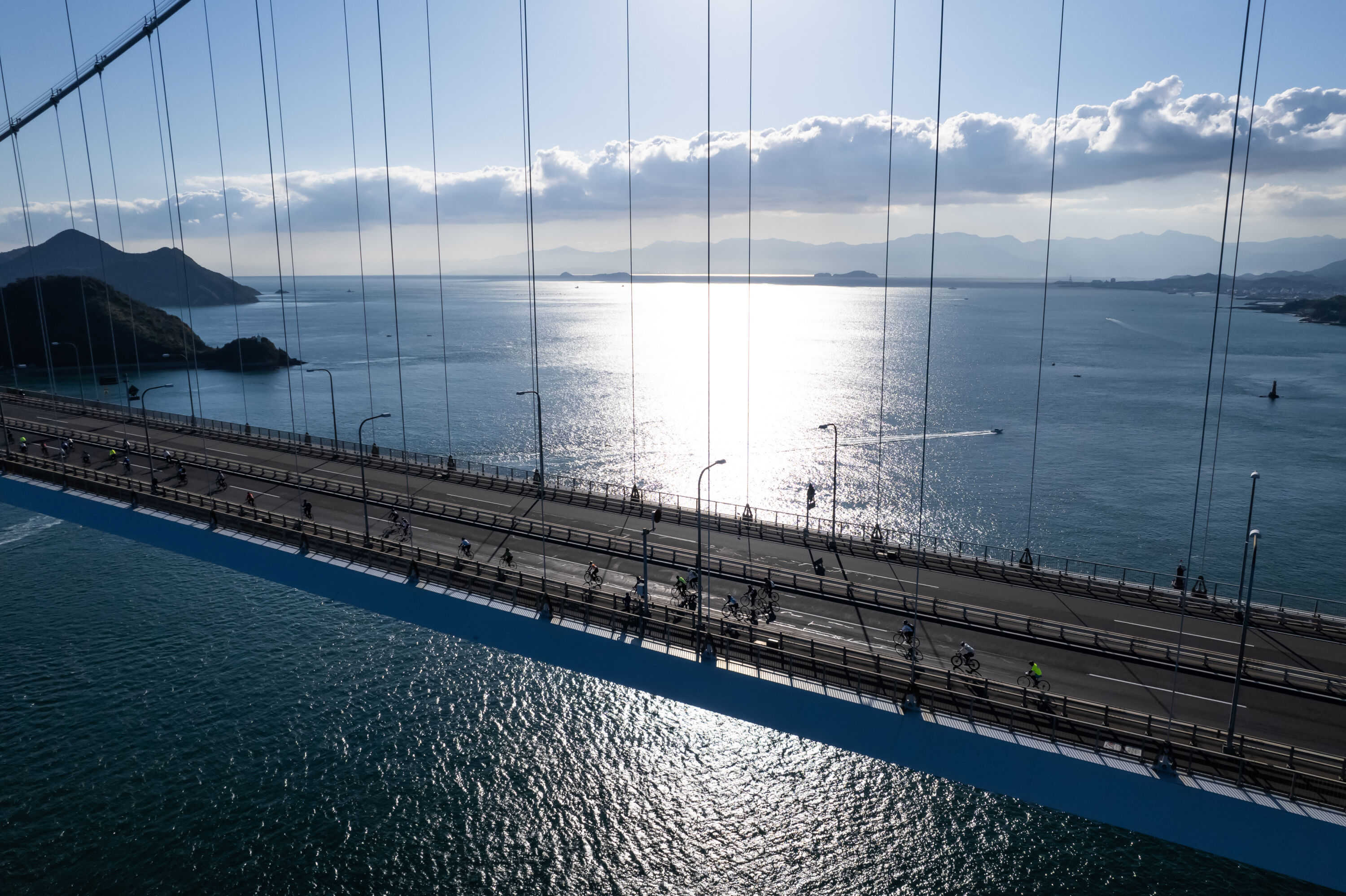
This year, the Setouchi Shimanami Kaido International Cycling Event, known as Cycling Shimanami 2026, takes place on Sunday, 25 October. There are eight cycling courses, ranging from 30 km to 140 km, to suit all fitness levels and objectives. My group completed the 70 km course from Imabari to Onomichi in 2018 and enjoyed the great views on a stunning Autumn day. With typical Japanese efficiency, it was very well organised and had a phenomenal number of volunteers along the route.
On this day only, cyclists can experience the exhilaration of riding along the expressway main road, which is usually inaccessible to cyclists, and enjoy the spectacular views.
Registration for all participants, including international visitors, is from April 2026 here.
Riding the Shimanami Kaido & Ehime prefecture
-1600x1067.jpg)
While the event ride was great fun, I also loved the days preceding it, when we followed the Shimanami Kaido route, an 85 km trail around the islands of the Seto Inland Sea. My group enjoyed the full Shimanami Kaido route from Onomichi to Imabari with a few detours along the way. Much of it is flat or close to flat, with an occasional gentle climb onto the seven bridges you cross along the way. There are a couple of hills, but they are rare, so most of the time the route follows the water’s edge.
Attractions along the way
There is so much to see in this area of Japan, so make sure you allow enough time to stop along the way.
Imabari is an ideal base for travellers, as it is located close to the sea, making it an area where you can enjoy gourmet seafood. In addition to JR Imabari Station, where the limited express train stops, Imabari City is well equipped with cycling facilities. For tourist information in English, visit the Imabari Station Front Tourist Information Centre located inside the i.i.imabari! Cycle Station. Both the Imabari Station Front Cycling Terminal and Sunrise Itoyama have rental bicycle stations. At Sunrise Itoyama, there’s a great place to take photos in front of the Shimanami monument with the Kurushima Kaikyo Bridge in the background before setting off on the Shimanami Kaido.
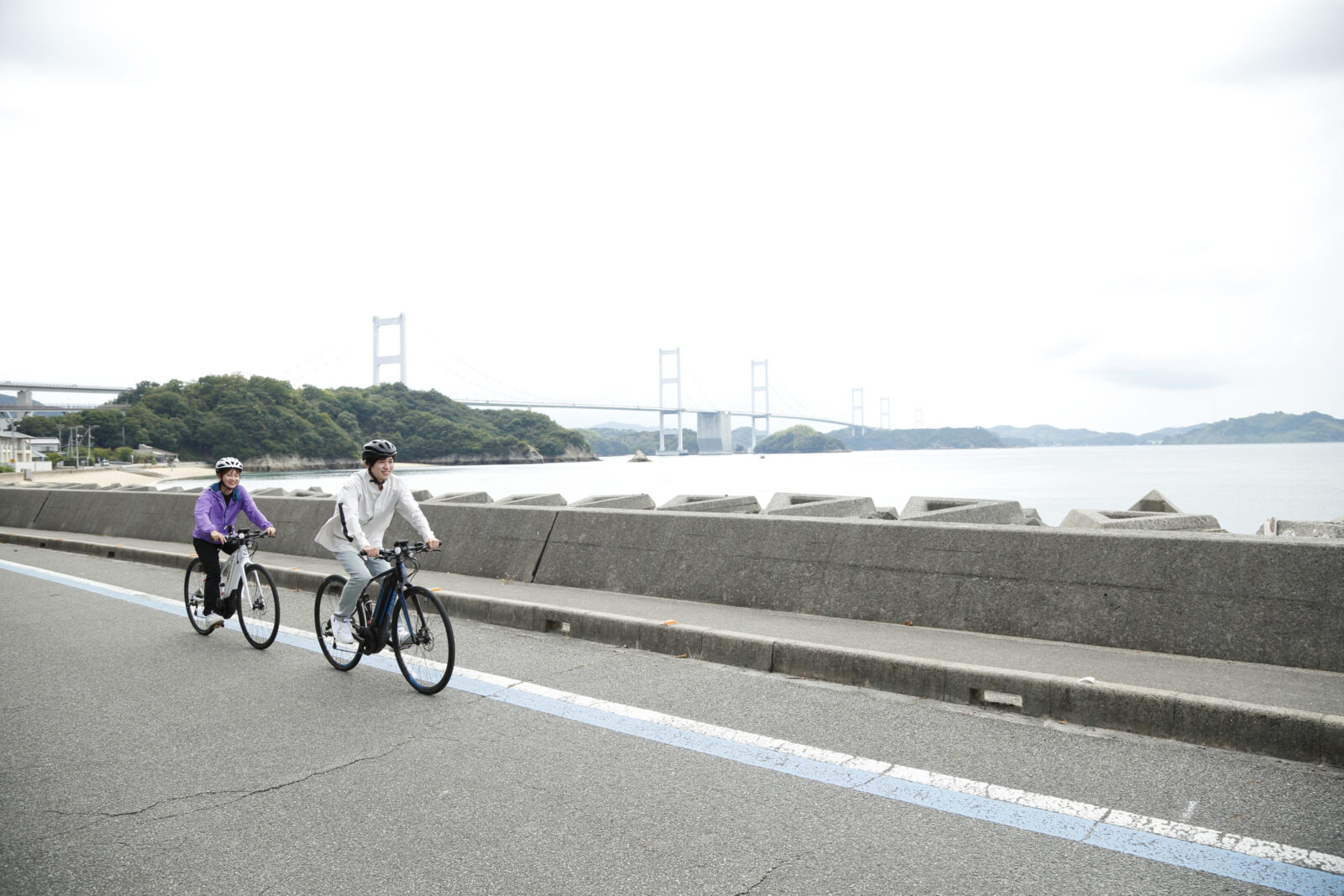
Other highlights include Oshima Island, once the stronghold of the Murakami Suigun; Japan’s most powerful pirate fleet, offering a fascinating glimpse into the country’s maritime past. Hakata Island invites visitors to explore a landscape shaped by centuries of salt making and seafaring trade, while Omishima Island is a cultural treasure trove, home to an exceptional collection of national treasures and important cultural sites.
Along the cycling route, visit Ikiiki-kan, a roadside station on Oshima Island, a great place to rest when travelling across the Shimanami Kaido. Other well-equipped roadside stations include Hakata SC Park and Tatara Shimanami Park.
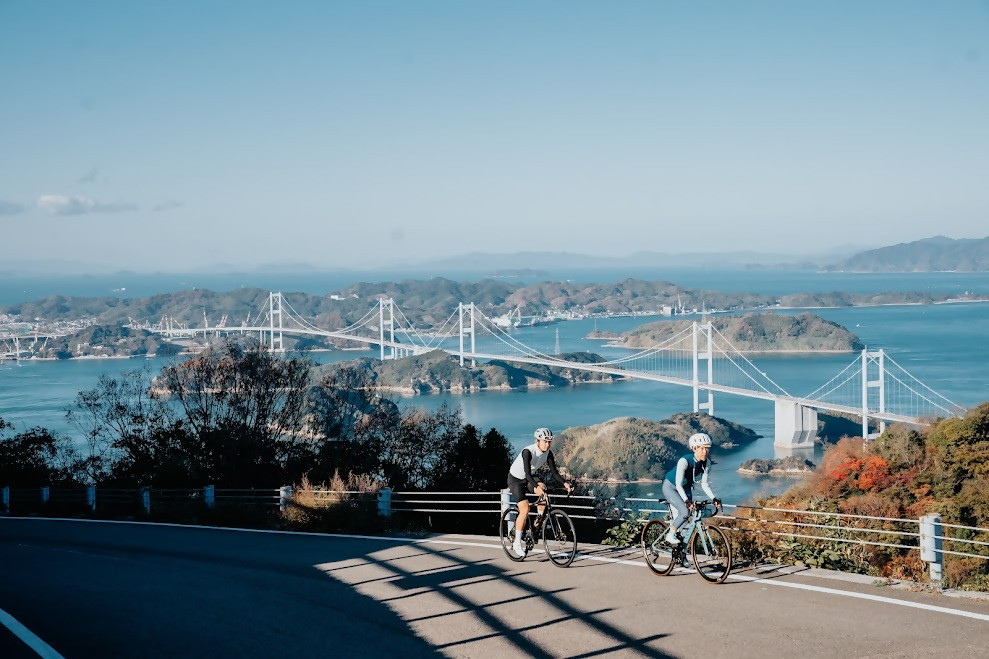
For great views, visit Kirosan Observatory Park, where you’ll find stunning panoramic vistas of the Seto Inland Sea, and Oyamazumi Shrine, Japan’s main shrine, with a National Treasure Hall and a 2,600-year-old sacred tree.
As well as the recognised Shimanami Kaido route, there are other great options in the Ehime prefecture for riders who want to explore further, including:
Mount Ishizuchi Roadway
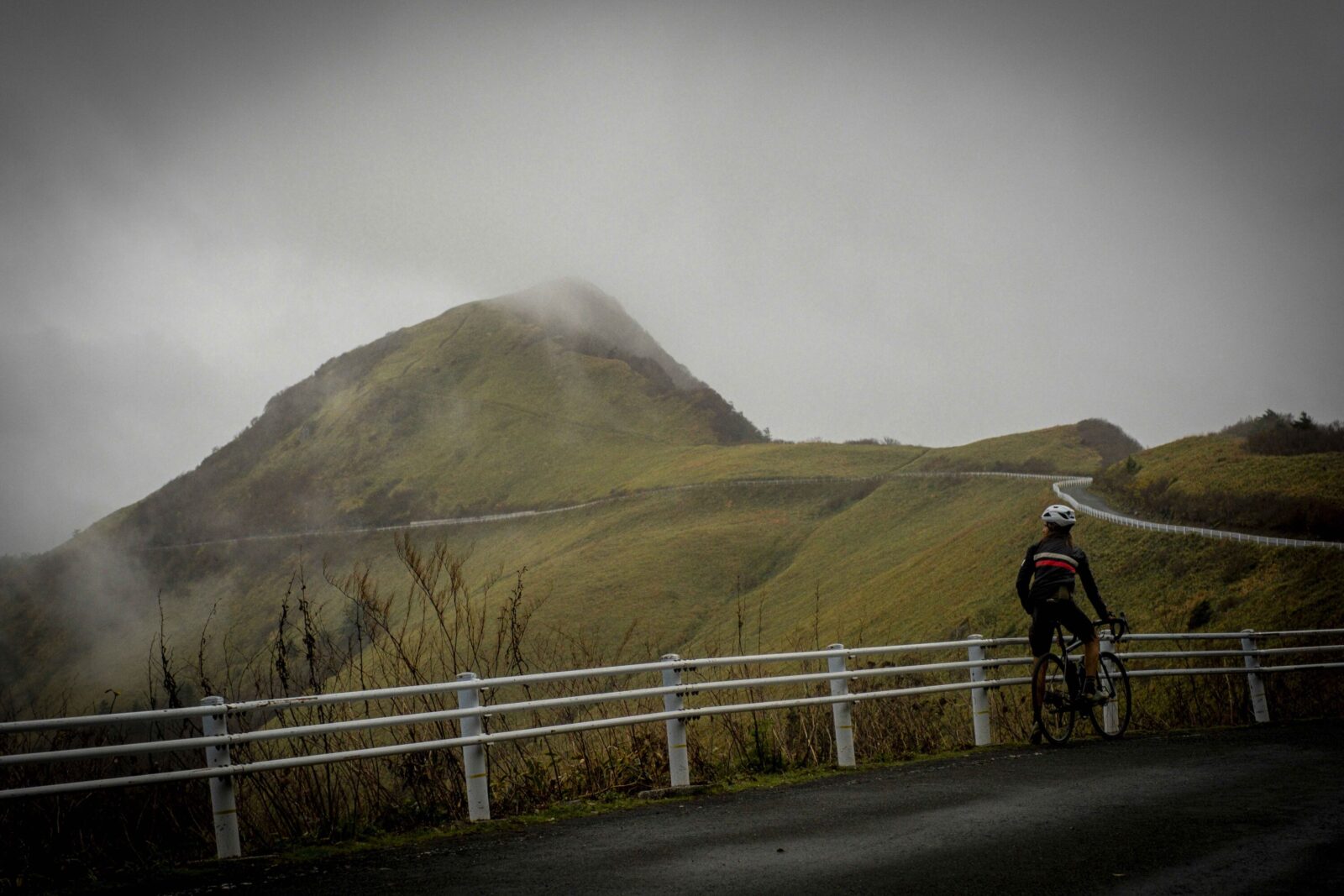
For those chasing a more challenging ride, this epic 147-kilometre route delivers big climbs, breathtaking views and unforgettable scenery. As you gain altitude, the landscape transforms from lush green valleys to dramatic alpine terrain, with Mount Ishizuchi, western Japan’s highest peak at 1,982 metres, towering above. Midway through the ride, the legendary Kamegamori Rindo, known as the “UFO Line,” runs along a high ridgeline at 1,300 to 1,700 metres. With uninterrupted views of the open sky, it’s widely regarded as one of the most spectacular cycling routes in the region.
Covering 27 kilometres, the course combines tight, technical turns with relentless inclines that will push even veteran riders to their limits. The effort is well rewarded: roll through the peaceful countryside of Kumakogen, cruise past the hidden beauty of Ehime’s Omogo-kei Gorge, and soak in distant ocean views from the UFO Line. Finish the day in Saijo, where well-earned hot springs and excellent local food make the perfect recovery stop after an unforgettable ride.
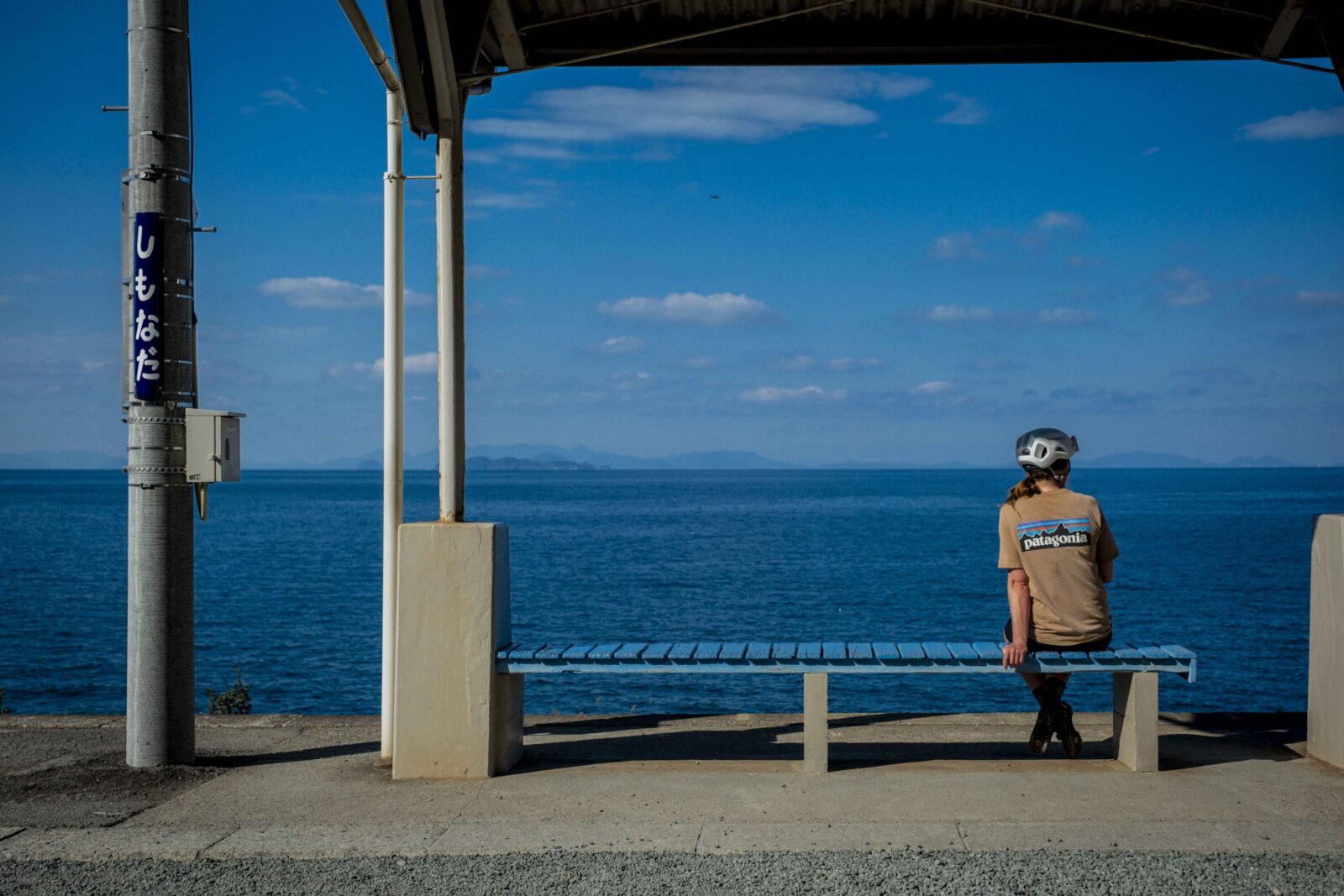
Iyonada/Cape Sada Setokaze Kaido
This 81.8-kilometre ride takes you right out to Cape Sada, the westernmost point of Shikoku and the longest, narrowest peninsula in Japan. The journey begins on the Yuyake-koyake Line, a relaxed, mostly flat coastal stretch where you can settle into a smooth rhythm while soaking up views of the calm Iyonada Sea. Depending on the season, the roadside bursts into colour with flowers, making this an easy and enjoyable warm-up.
After crossing the Nagahama-Ohashi Bridge and entering Cape Sada Peninsula, the ride shifts gears (Please note that Nagahama-Ohashi Bridge and Cape Sada Peninsula are 25 km apart). Rolling climbs, fast descents and a series of tunnels demand both stamina and focus, adding a real sense of adventure. The final highlight is the Melody Line, a spectacular ridge-top road offering rare views of two seas at once, with the Iyonada Sea on one side and the Uwakai Sea on the other. It is a one of a kind riding experience that feels remote, dramatic and deeply rewarding, perfect for cyclists keen to explore a side of Japan few ever get to see.
Imabari-Dogo Hamakaze Sea Route
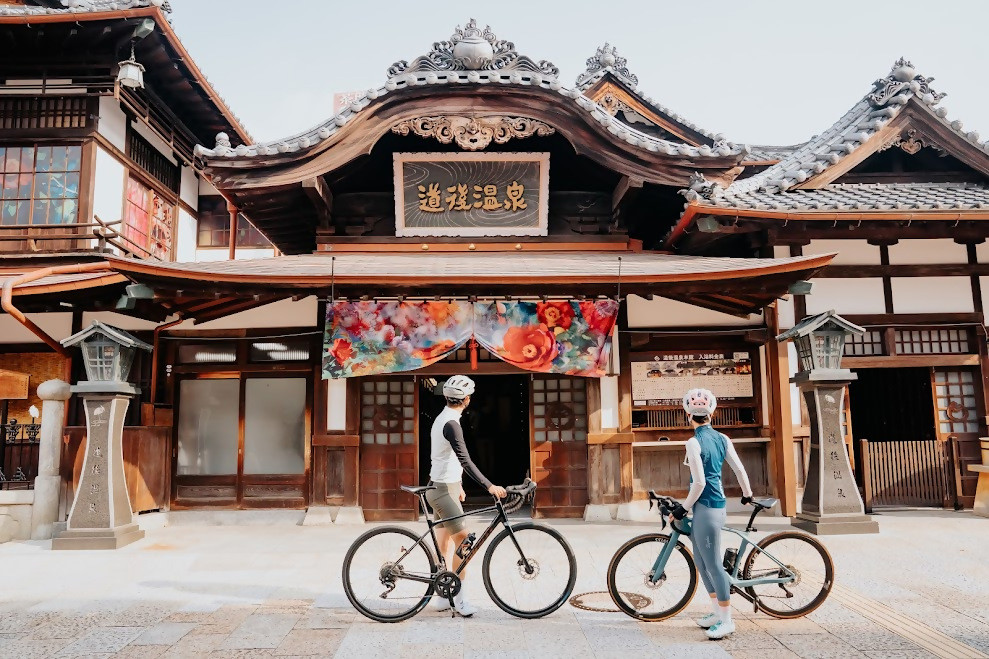
For riders who prefer a less challenging route, the Imabari-Dogo Hamakaze Sea Route winds along the coast from Imabari to Matsuyama, home of Dogo Onsen, one of Japan’s most iconic hot springs. With minimal climbing and smooth riding throughout, it is perfect for beginners, casual cyclists or anyone keen to enjoy the scenery at a relaxed pace.
The route passes through Matsuyama, the cultural heart of Ehime, where history and modern design sit side by side. Highlights include Matsuyama Castle, home to 21 important cultural properties, and the striking Saka no Ue no Kumo Museum by world-famous architect Tadao Ando. Best of all, the ride is as practical as it is scenic. From the finish at Dogo Onsen, it is just a 30-minute drive, around 10 kilometres, to Matsuyama Airport, making this coastal ride very convenient.
Bike rental
I rode my own gravel bike for my 2018 tour, but it’s also easy to rent bikes in the Shimanami Kaido area. These range from road bikes to cruisers to e-bikes, so there is a bike to suit every rider. If you’re a dedicated road rider there are plenty of challenging routes to ride and some great places to cruise by the sea. The area is also ideal for occasional riders who want to see the area from a different perspective.
The Cycling Ehime website has an extensive list of bike rental companies where you can book in advance.
Travel agencies
There are many tour companies and travel agencies that specialise in tours and cycling adventures in the area, including:
We Ride Japan
Based in Ehime, offers guided cycling tours that allow travellers to experience Japan’s scenery and culture in an active and immersive way.
Hidden Japan Travel
Hidden Japan Travel provides tours that let travellers explore rural Japan, experiencing its culture and nature, with a focus on the island of Shikoku.
WAKKA
WAKKA is a travel facility offering cycling support, guided tours, accommodation and activities, helping visitors enjoy the nature and culture of the Seto Inland Sea.
Shikoku Tours
Shikoku Tours provides customised, guided tours around Shikoku, helping travellers discover local culture, nature and heritage, with personalised support, accommodation and activities tailored to their interests.
Bicycling Australia’s regular contributor, Rob Arnold, visited the area last year and said of the trip:
“It was a special experience. Six strangers from Australia, with a cast of Japanese riders, tour guides, photographers and journalists. We rode. And there was respect. On the road, that’s important. For that one wonderful week, it was oh-so glorious to ride a bike. The terrain was challenging, but it felt easy. The weight that lifts when you can ride and not feel under threat is greater than I could have imagined.” – Rob Arnold

Nicola Rutzou – a long-time contributor and, most recently, the editor of Bicycling Australia. Nicola is a keen Sydney-based road cyclist who writes reviews, news, and destination pieces.