
 Peter Maniaty
First appearing back in 2020, the Caledonia is Cervélo’s endurance road platform.
As with the Canadian brand’s other road offerings the Caledonia 5 is the top-spec model and in recent years has been available for Visma-Lease a Bike riders to use at Paris-Roubaix (no, it wasn’t ridden by Wout Van Aert this year, he won the Hell of the North on an S5).
This review is for the next rung down, the more simply named ‘Caledonia’ which is now into its second generation.
The 2026 Caledonia is a little heavier and a little less refined than its race-tuned stablemate, but it’s also more accessible with four build options ranging from $4,400 to $9,000.
As I’ve discovered first-hand over the past month or so, it’s also a fantastic bike for most of us mere mortals.
First impressions
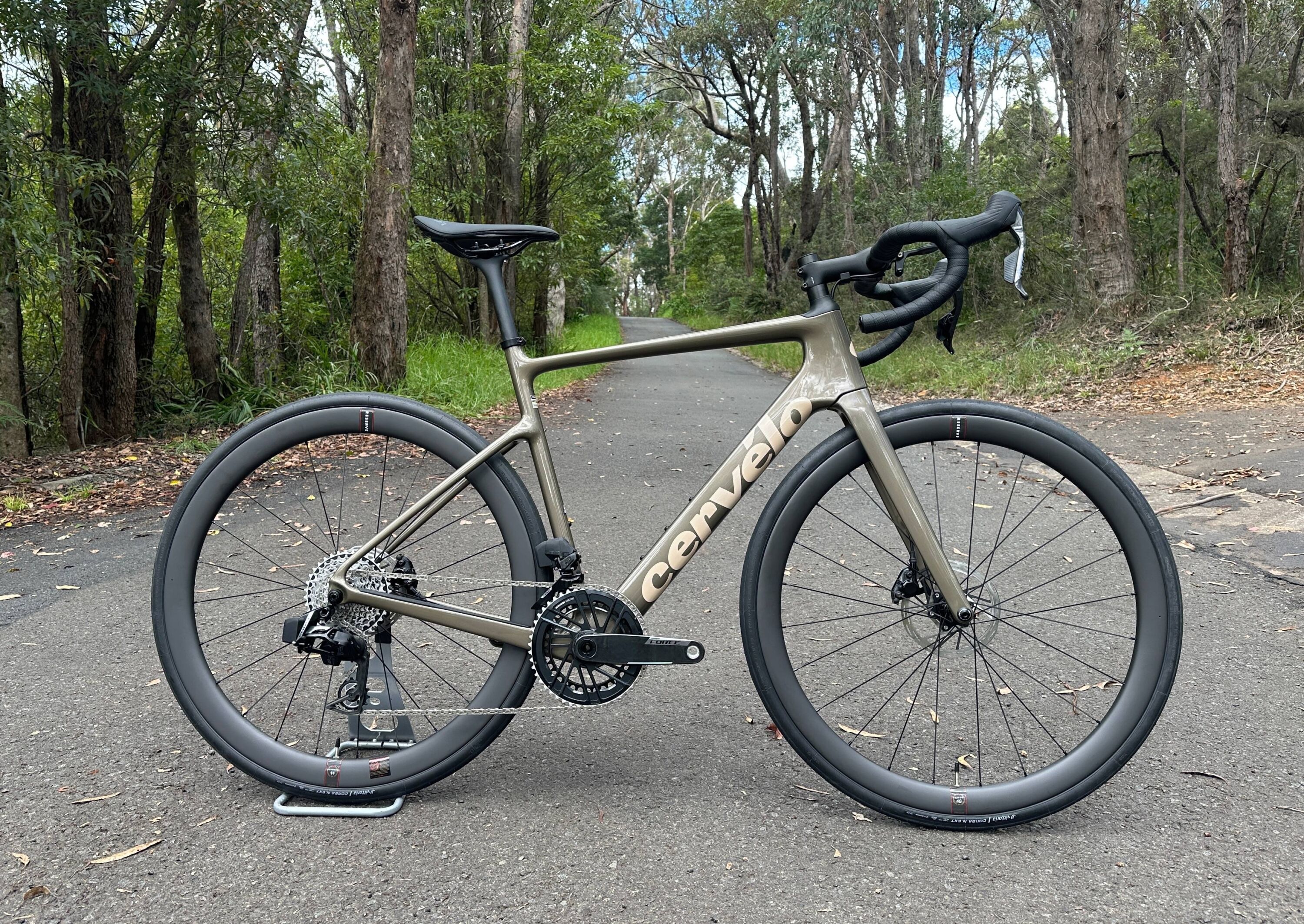
Some endurance builds can look a little cumbersome. But not the Caledonia.
In fact with its clean lines, sleek carbon wheelset and dropped seat-stays at first glance you could be forgiven for thinking it isn’t an endurance bike at all.
While you certainly wouldn’t call it light by today’s increasingly feathery standards, it’s still very reasonable on the scales.
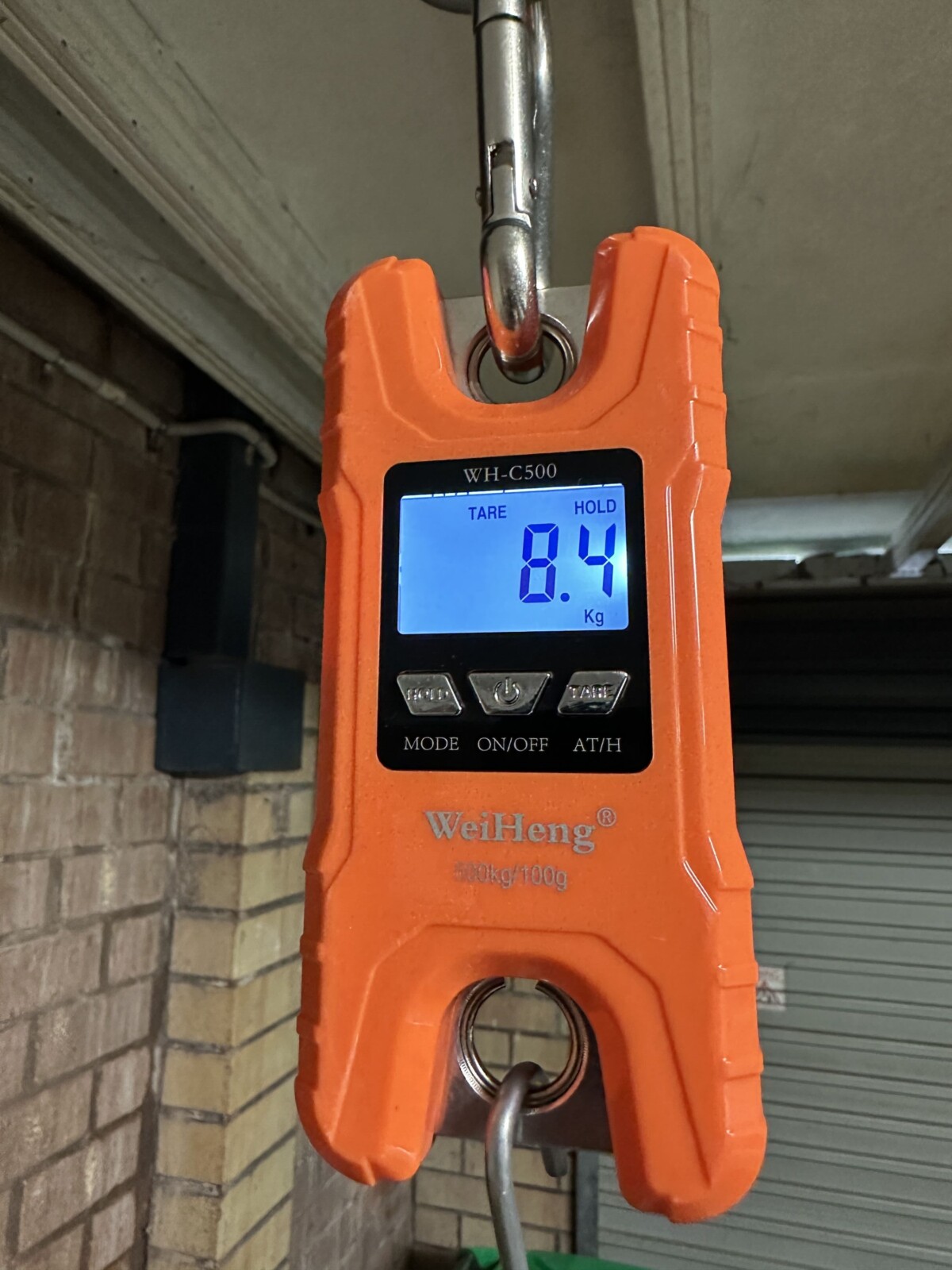
I weighed the review build (54cm frame, SRAM Force AXS) at 8.4kg including pedals and bottle cages—that’s roughly 800 grams more than the equivalent Caledonia 5.
Frame and geo
The Caledonia shares the same core geometry of its more expensive sibling, but it’s delivered with a lower spec carbon layup that results in a slightly heavier frame (+95g) and fork (+63g).
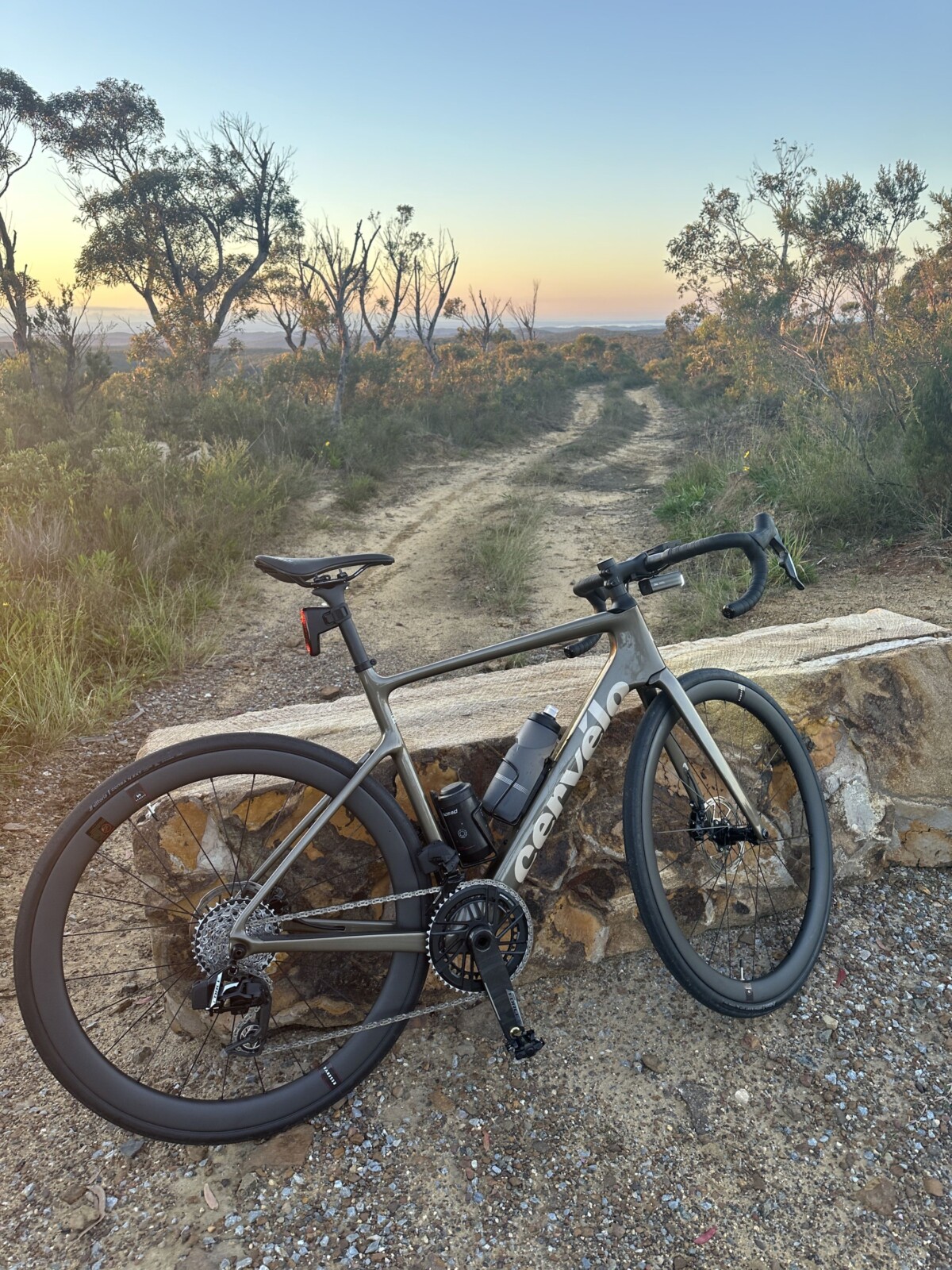
With a 555mm stack the Caledonia sits higher than the S5 and R5 (542mm stack) and coupled with a shorter reach of 378mm (vs. 384mm) the result is a more upright, endurance-oriented riding position.
Stability is further enhanced with a 1,013mm wheelbase, 415mm chain stays that are 10mm longer than both the S5 and R5 and a reasonably moderate head tube angle (72°) providing pleasantly predictable and endurance-focused handling that’s ideal for longer days in the saddle.
In terms of differences to the more race-oriented Caledonia 5 there are a few key ones. Most notable is the already-motioned carbon layup.
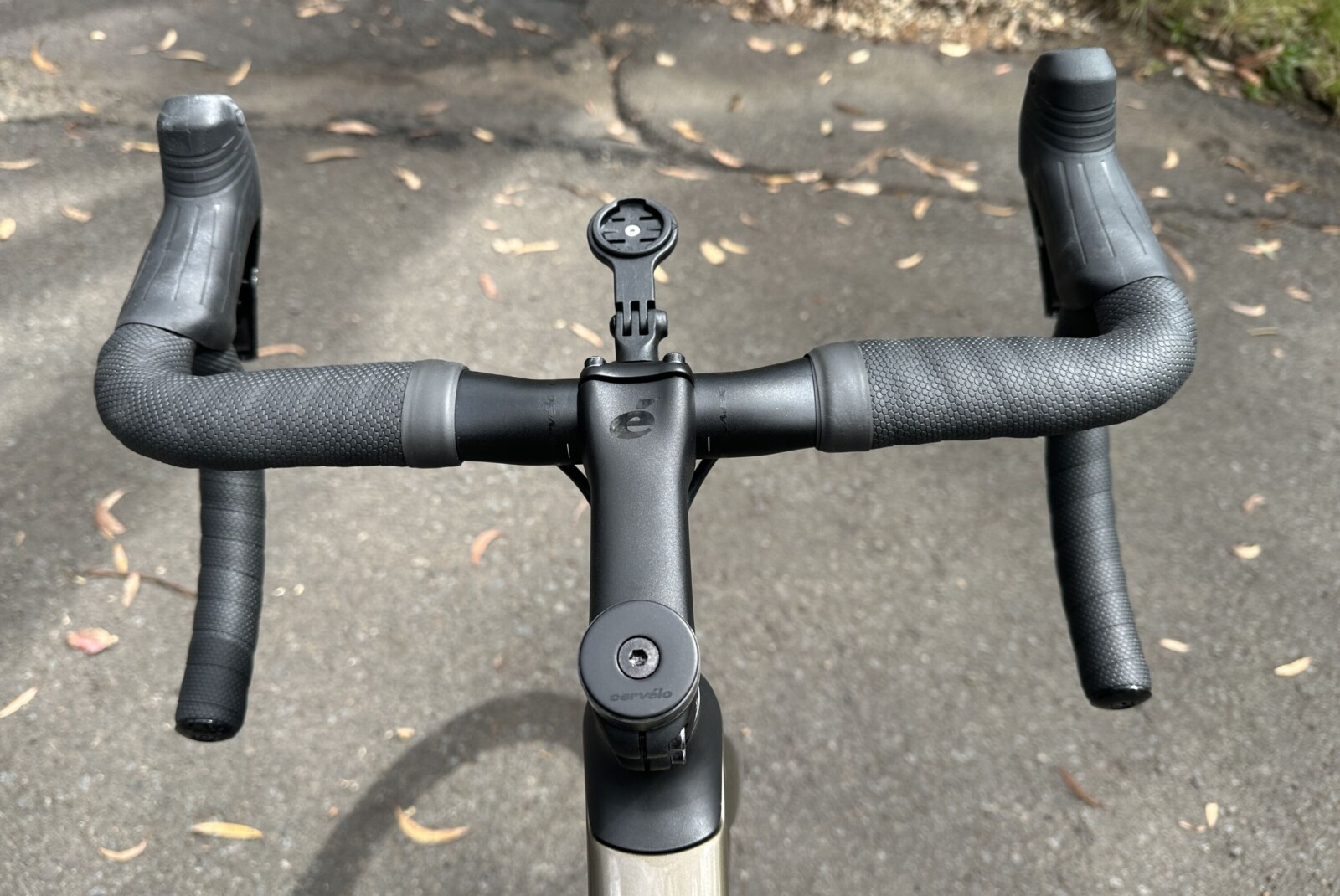
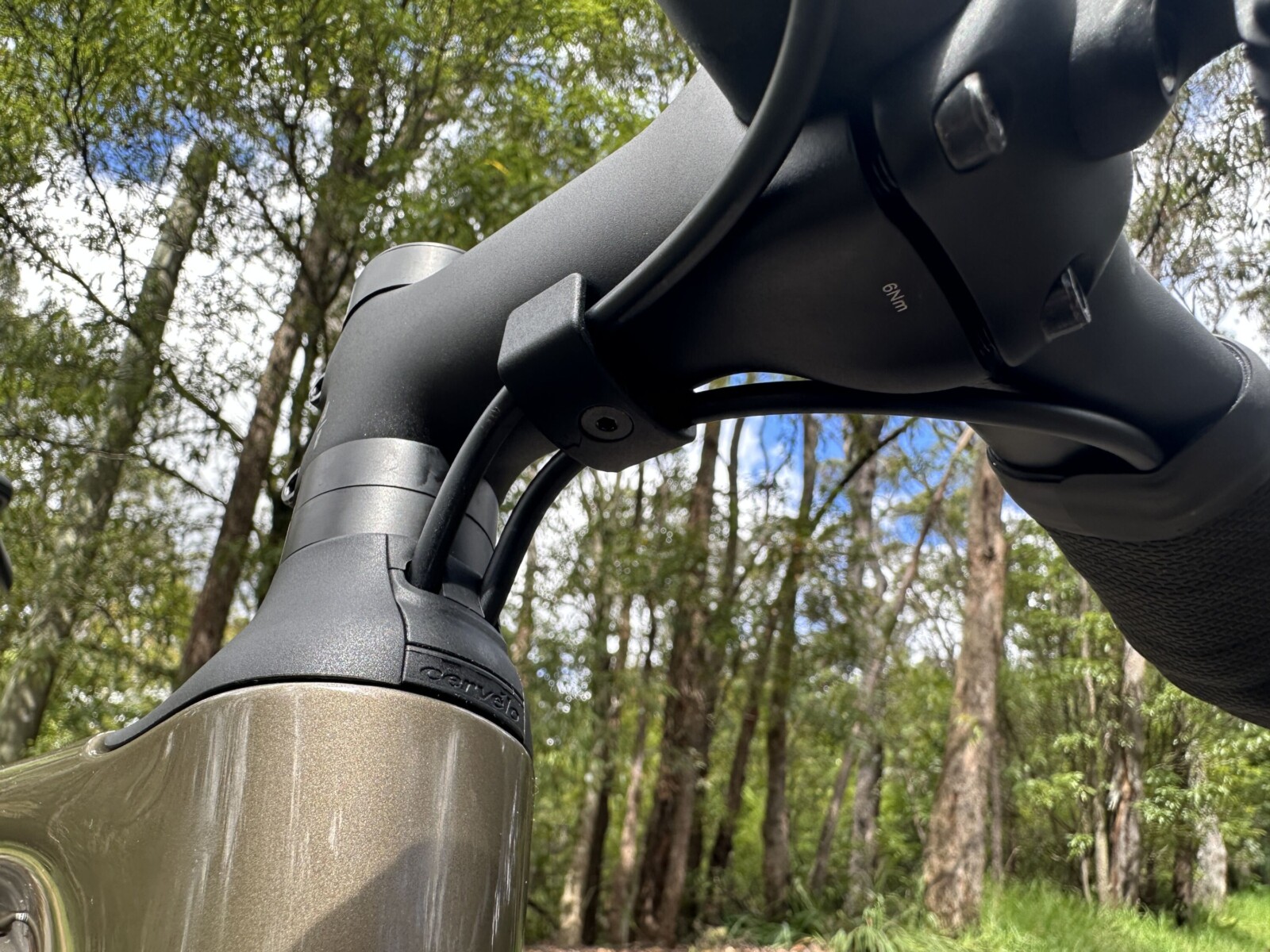
The Caledonia is also designed to be a little more mechanic friendly with semi-internal routing that offers easily accessible hoses between the handlebar and frame, as well as a T47 threaded bottom bracket.
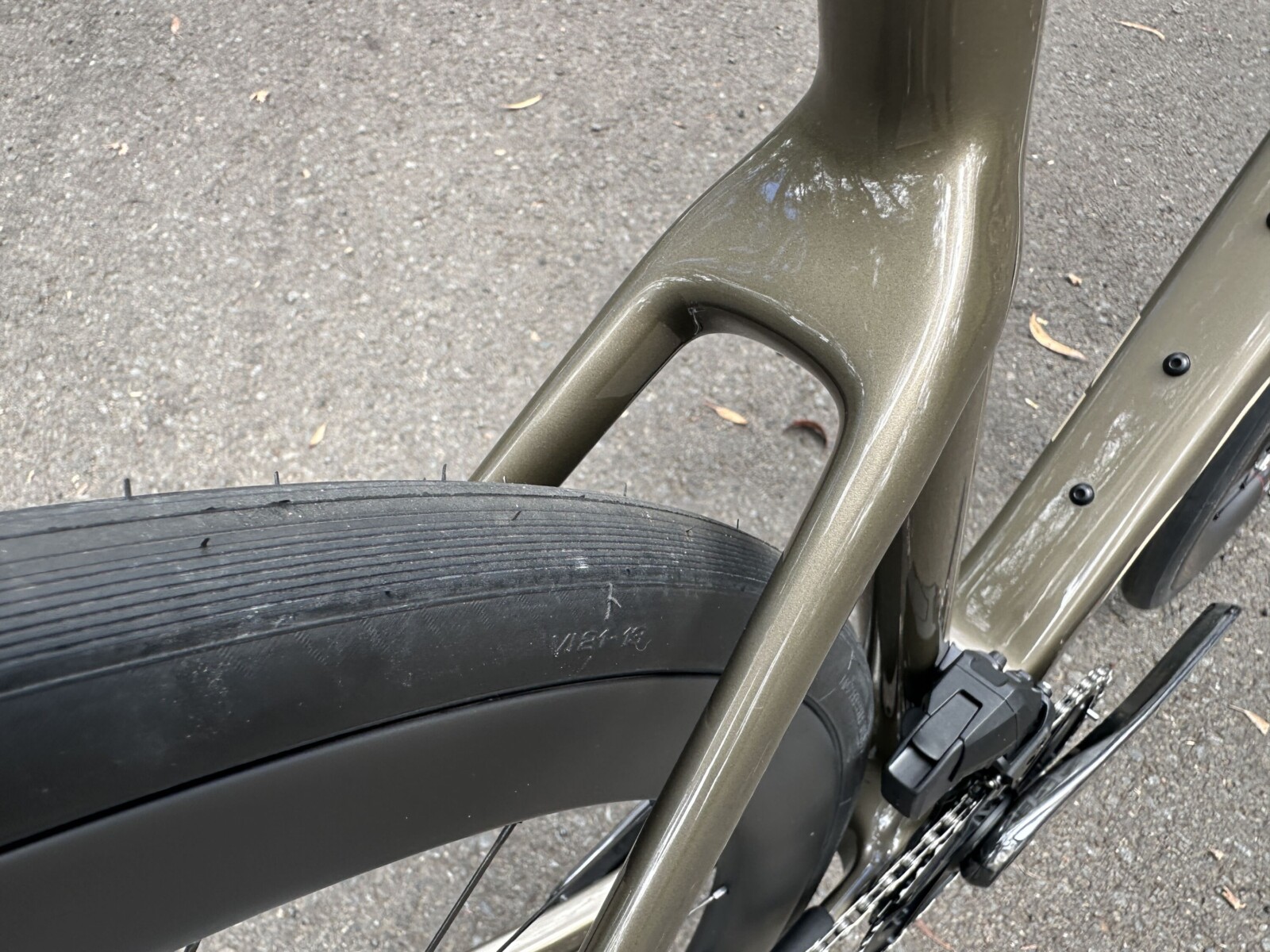
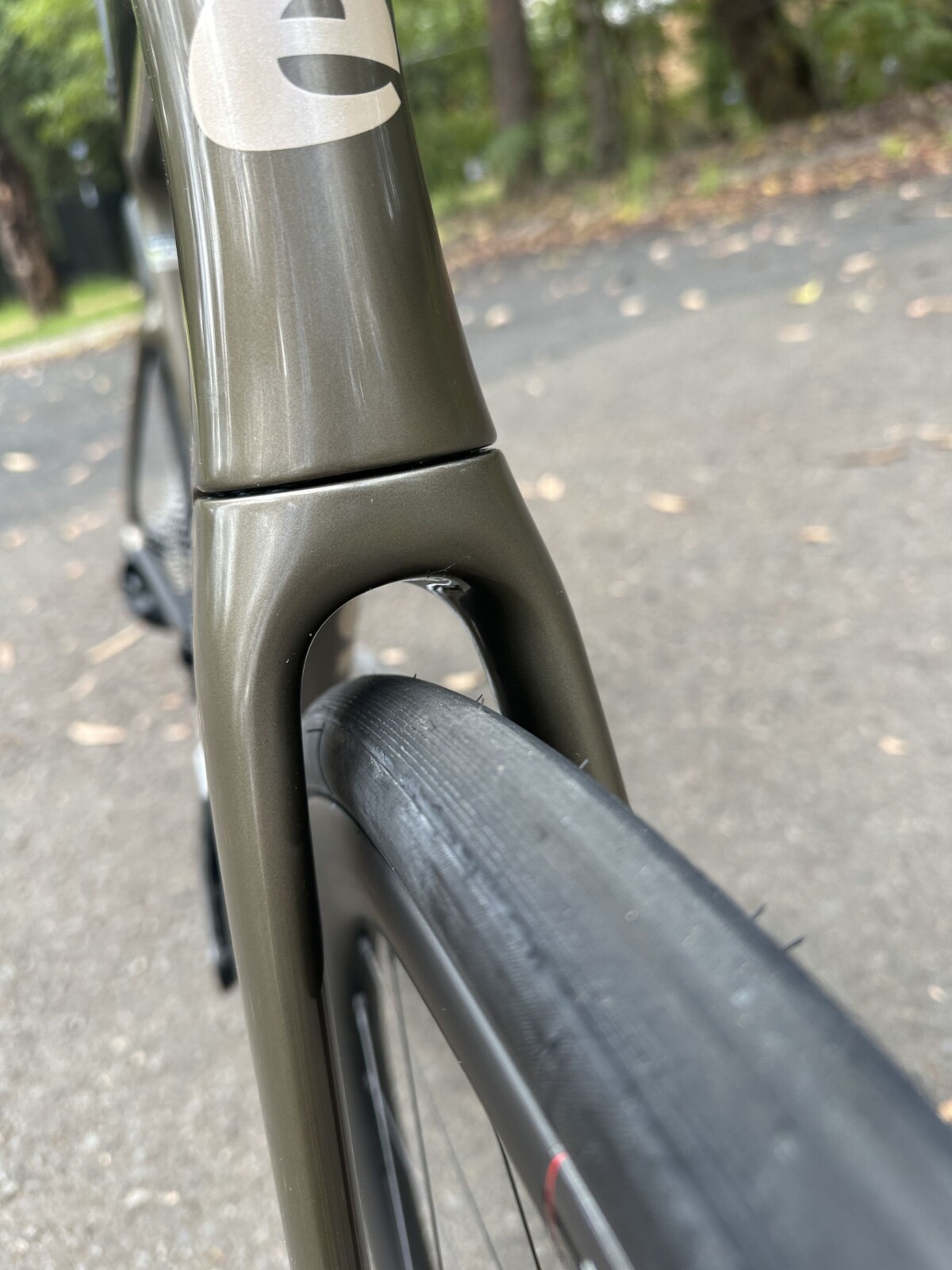
While optimised to run 32mm tyres, clearance has been increased slightly from the first-generation Caledonia to 36mm which is sure to come in handy if you regularly venture on to less-than-smooth road surfaces and even light to moderate gravel.
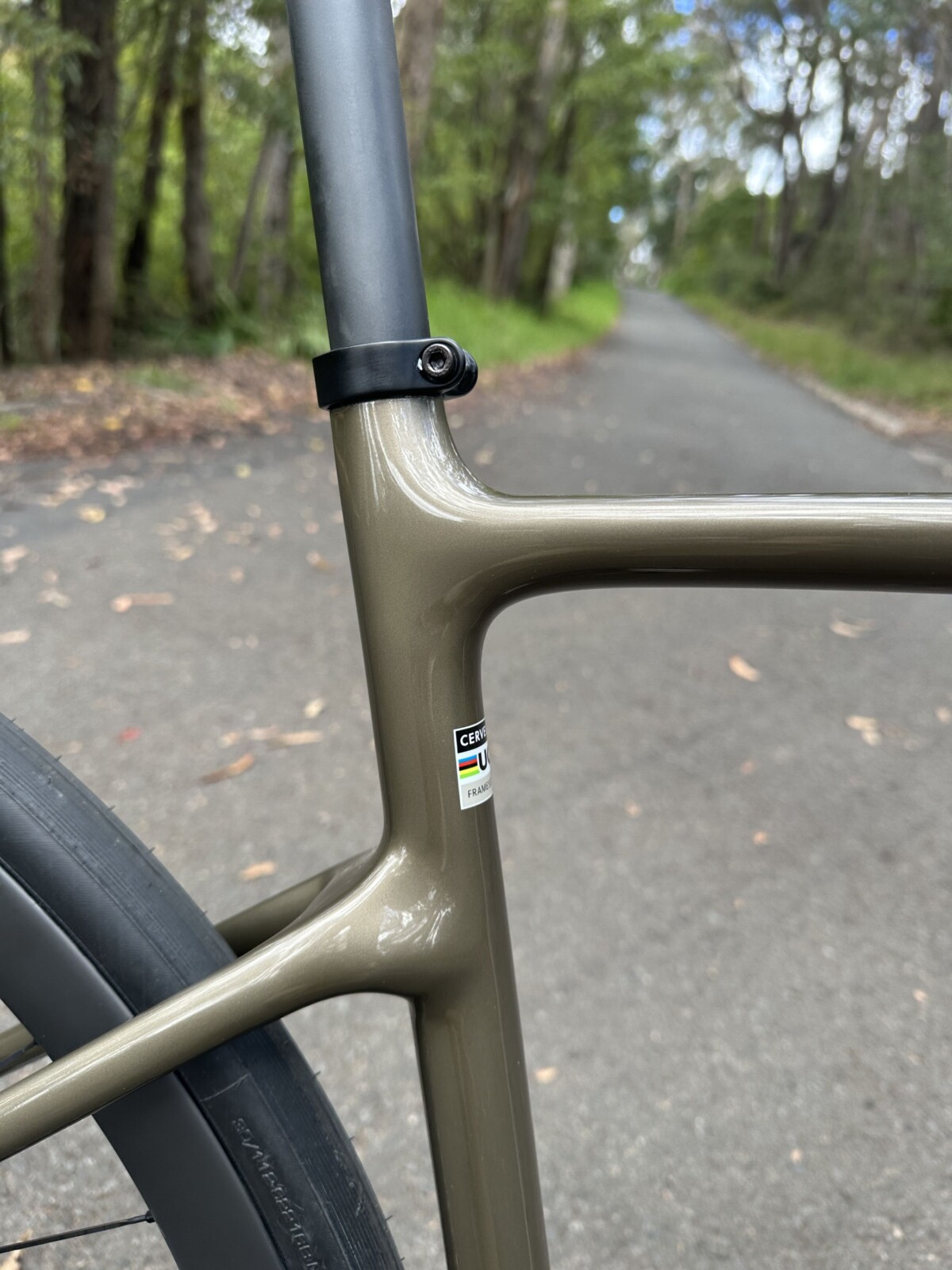
Unlike the D-shaped seatpost from the Caledonia 5 a more traditional 27.2mm diameter round carbon seatpost has been specified here.
According to Cervélo this reduces ride compliance by around 7–8% (boo) but of course it also provides far greater interchangeability and versatility for after-market tweaking (yay).
For all-weather riders the Caledonia also has a series of hidden mounting points for removable fenders—I can vouch they are very well hidden as I actually had trouble finding them at first.
Wheelset and components
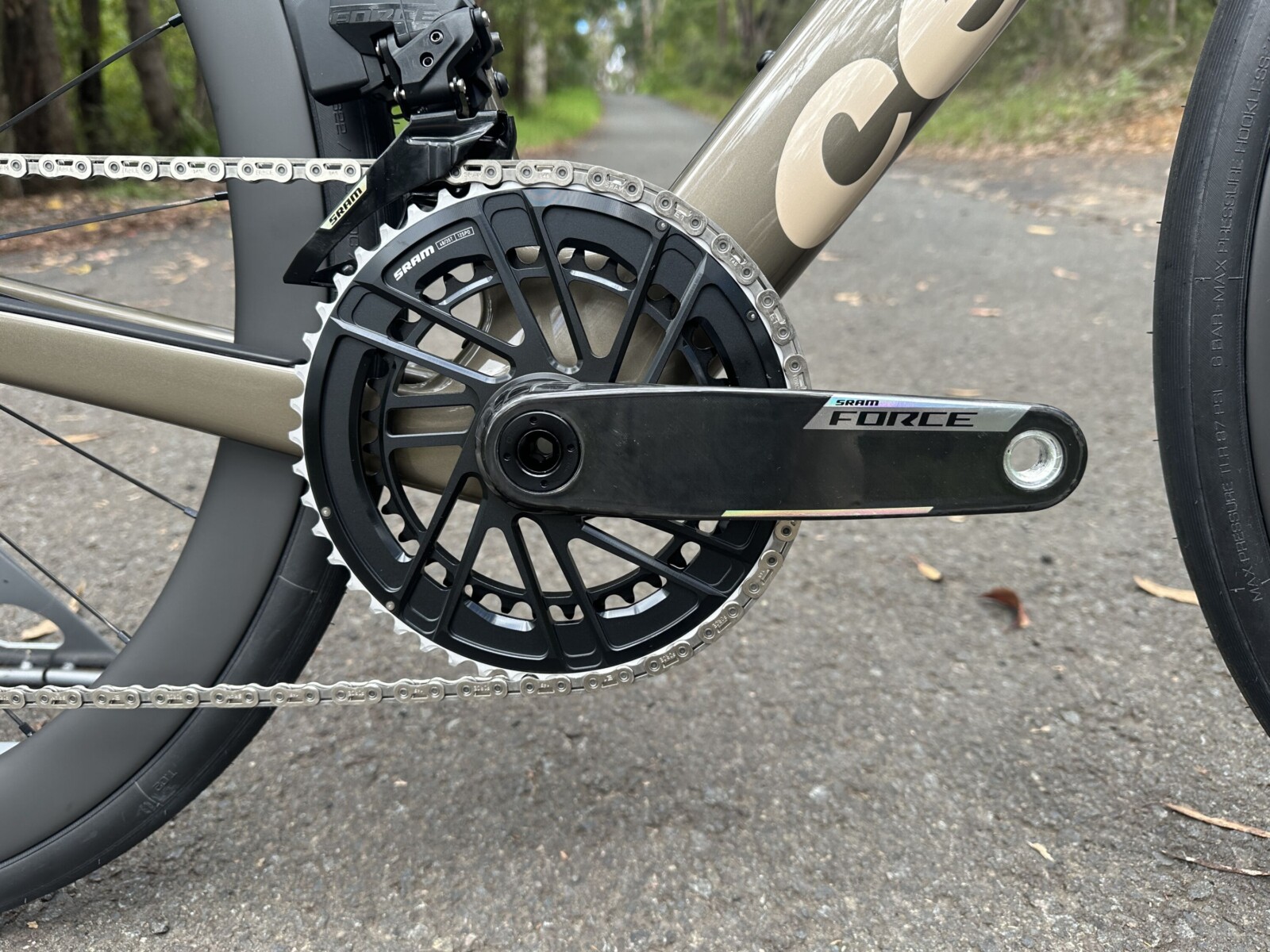
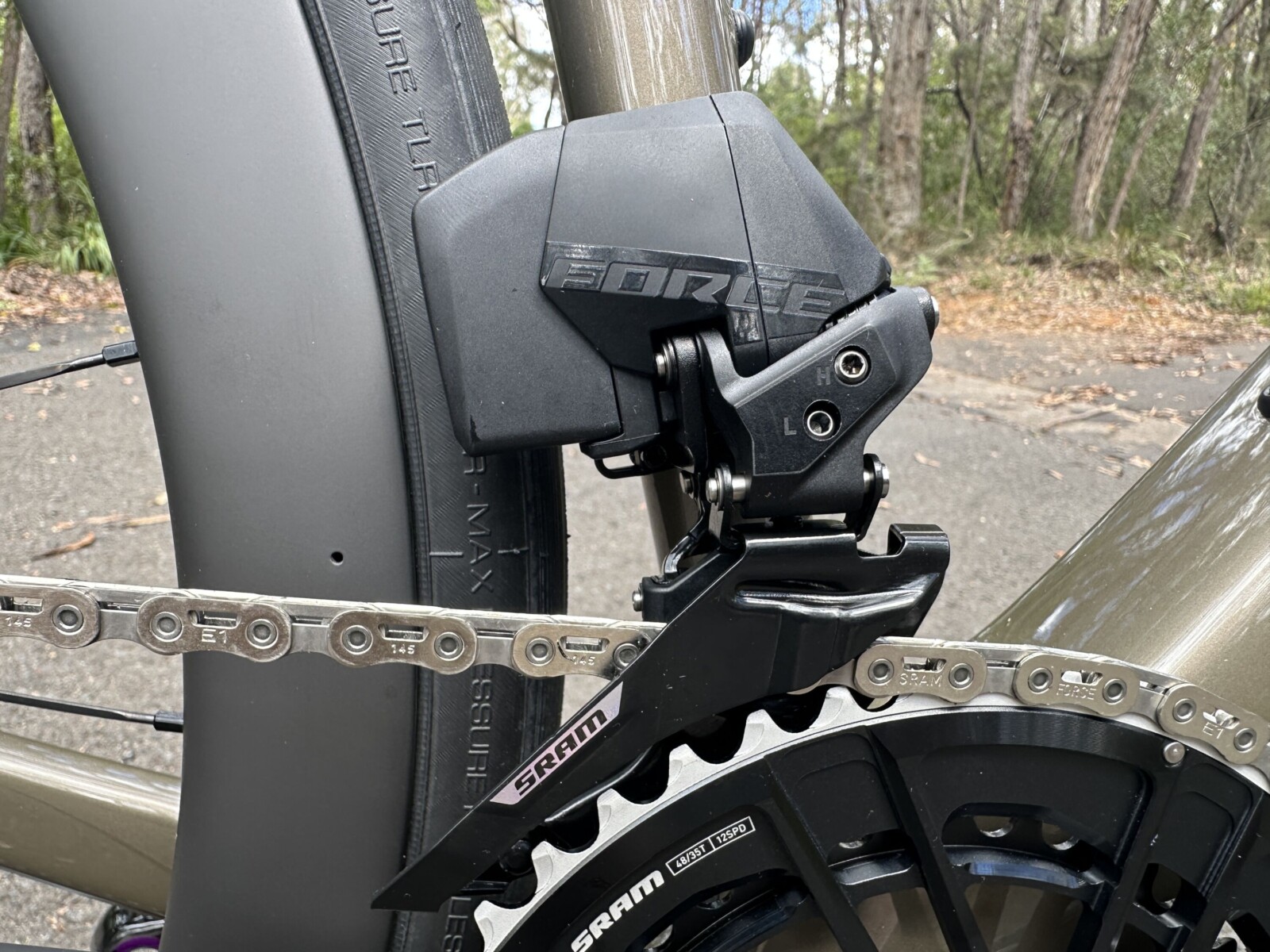
The review model was the top spec 2026 Caledonia fitted with a 12-speed SRAM AXS Force wireless groupset which is largely bulletproof and consistently enjoyable.
The versatile Reserve 40|44 carbon wheelset weighs in at a reasonable enough 1,440 grams and arrived fitted with 30mm Vittoria Corsa N.EXT TLR tyres.
Both wide and smooth, the Reserve rims were super reliable in most conditions although I did find them just a little susceptible to stronger cross-winds.
In one visible change from the first-generation build, the 2026 wheelset now runs Cervélo’s own in-house hubs which replace the previous DT Swiss 350s.
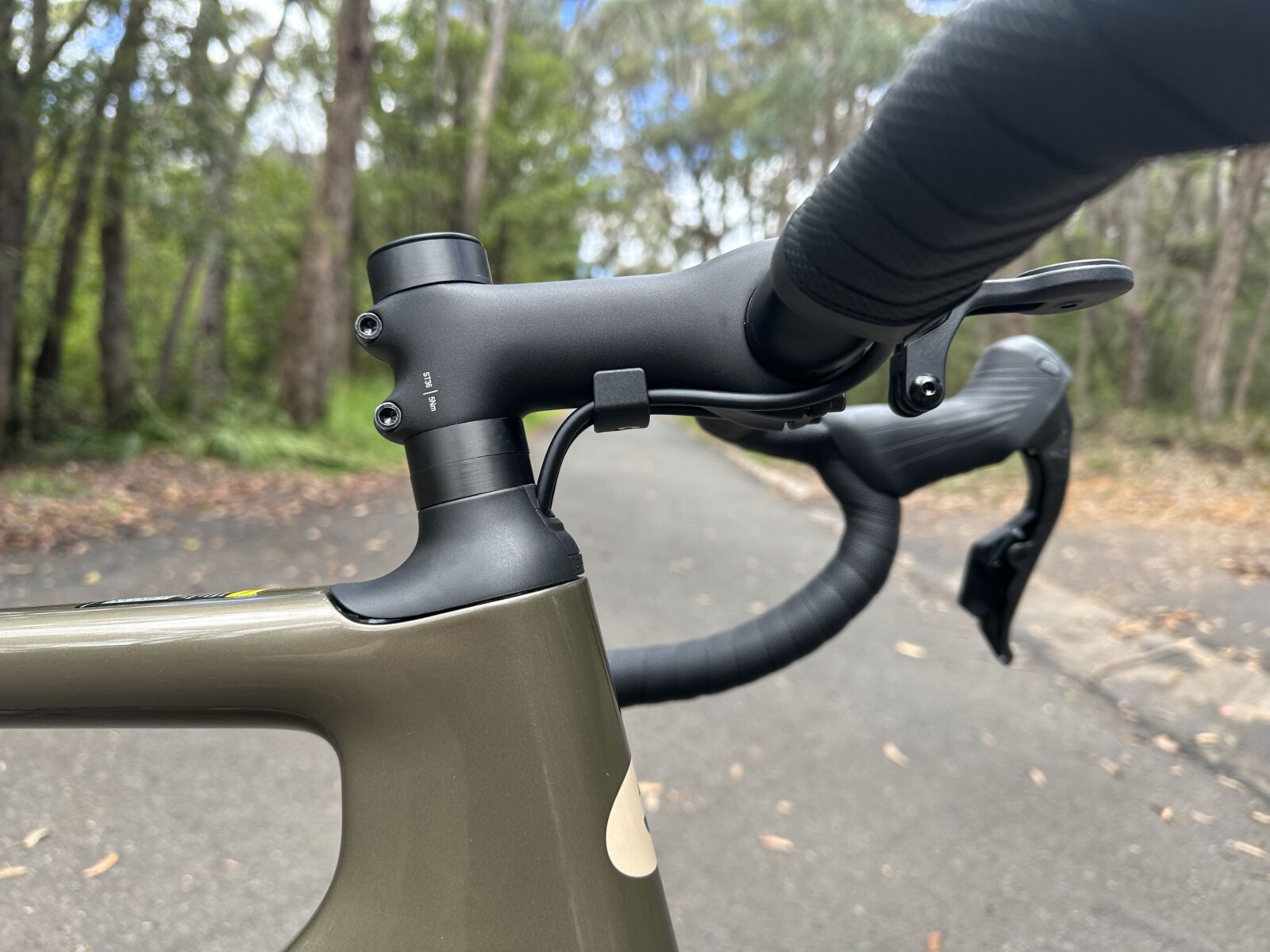
At the front of the Caledonia the two-piece Cervélo alloy bar (standard 31.8mm diameter) and stem pairing is easy to adjust as well as upgrade should you wish down the track.
There’s no power meter, even on the top model, which offers another strong clue as the type of riding this bike is designed for.
Just a quick note. The review bike was fitted with a Selle Italia Novus Boost Evo SuperFlow saddle, however as I discovered that’s the Caledonia 5 spec.
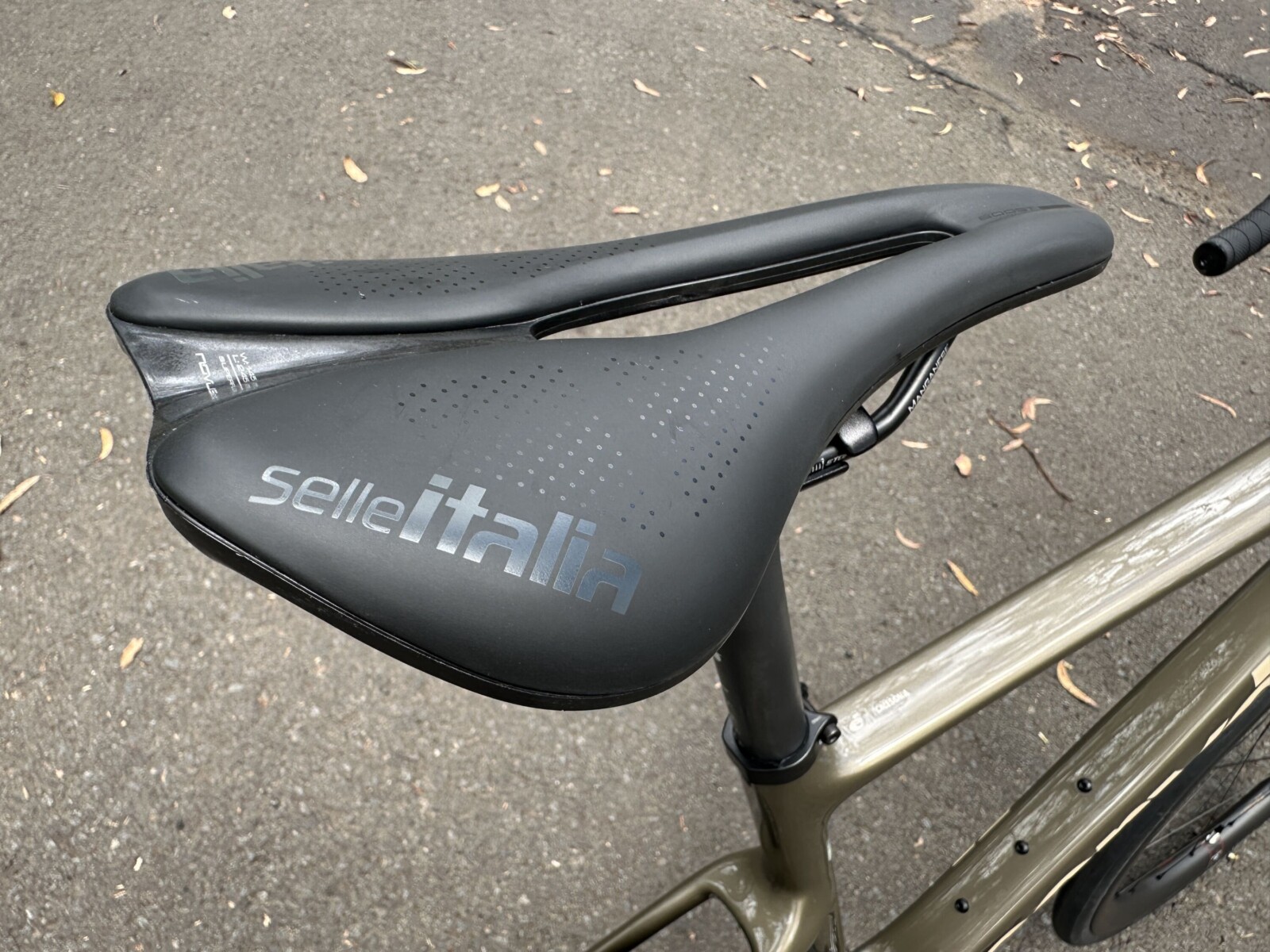
The standard Caledonia Force AXS build actually comes with a Prologo Nago R4 PAS saddle with alloy steel rails.
The ride
Nowadays plenty of road bikes are referred to as ‘all rounders’. The Cervélo Caledonia really is.
Fast, comfortable, robust and impressively versatile, it’s the kind of bike you can feel confident to take almost anywhere.
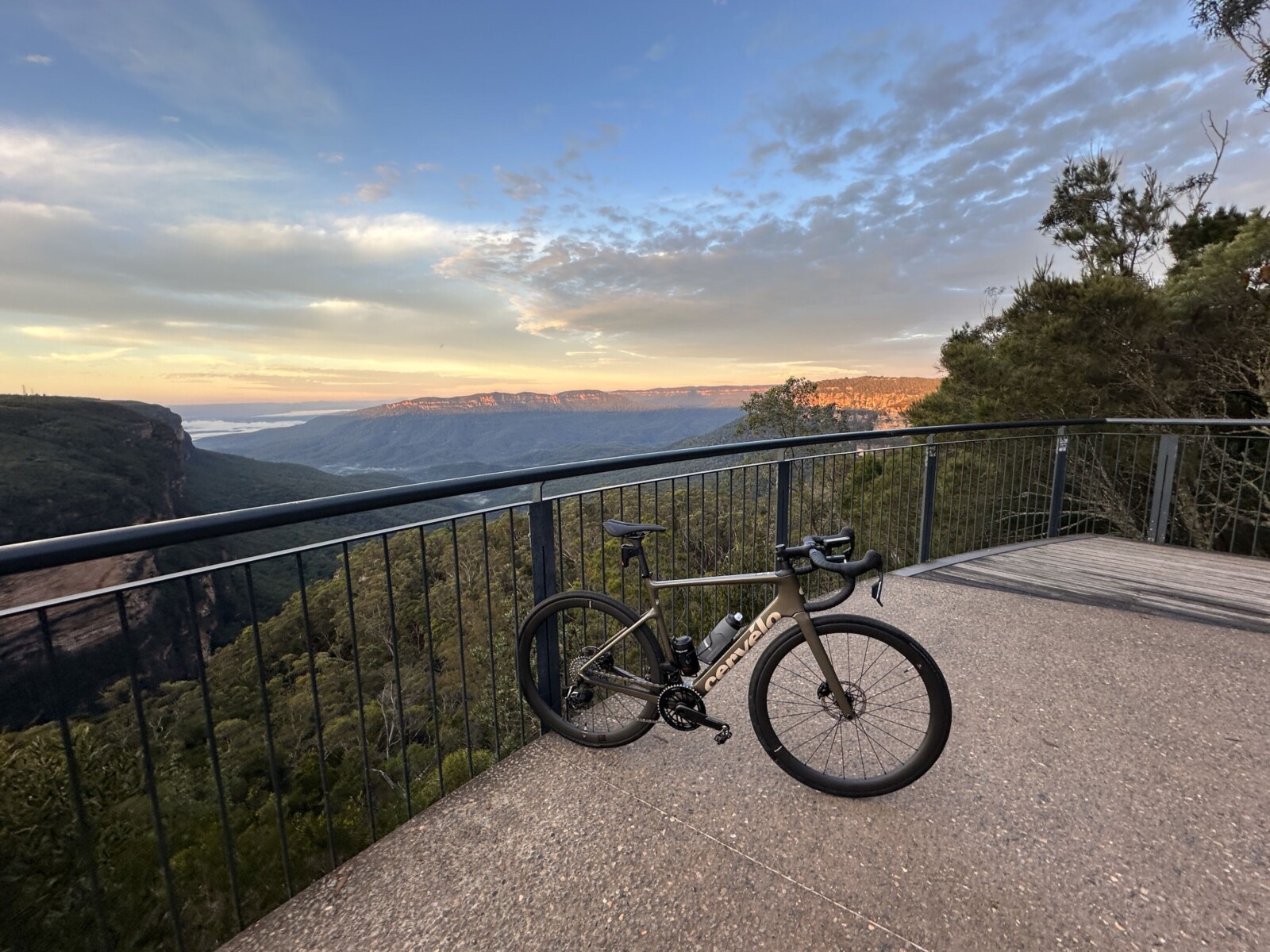
While it isn’t a true gravel bike per se, it can certainly handle a bit of the rough stuff when required—something Cervélo head office actively encouraged me to do—making it almost the perfect choice for exploring the Blue Mountains where I spent most of my time riding during the review.
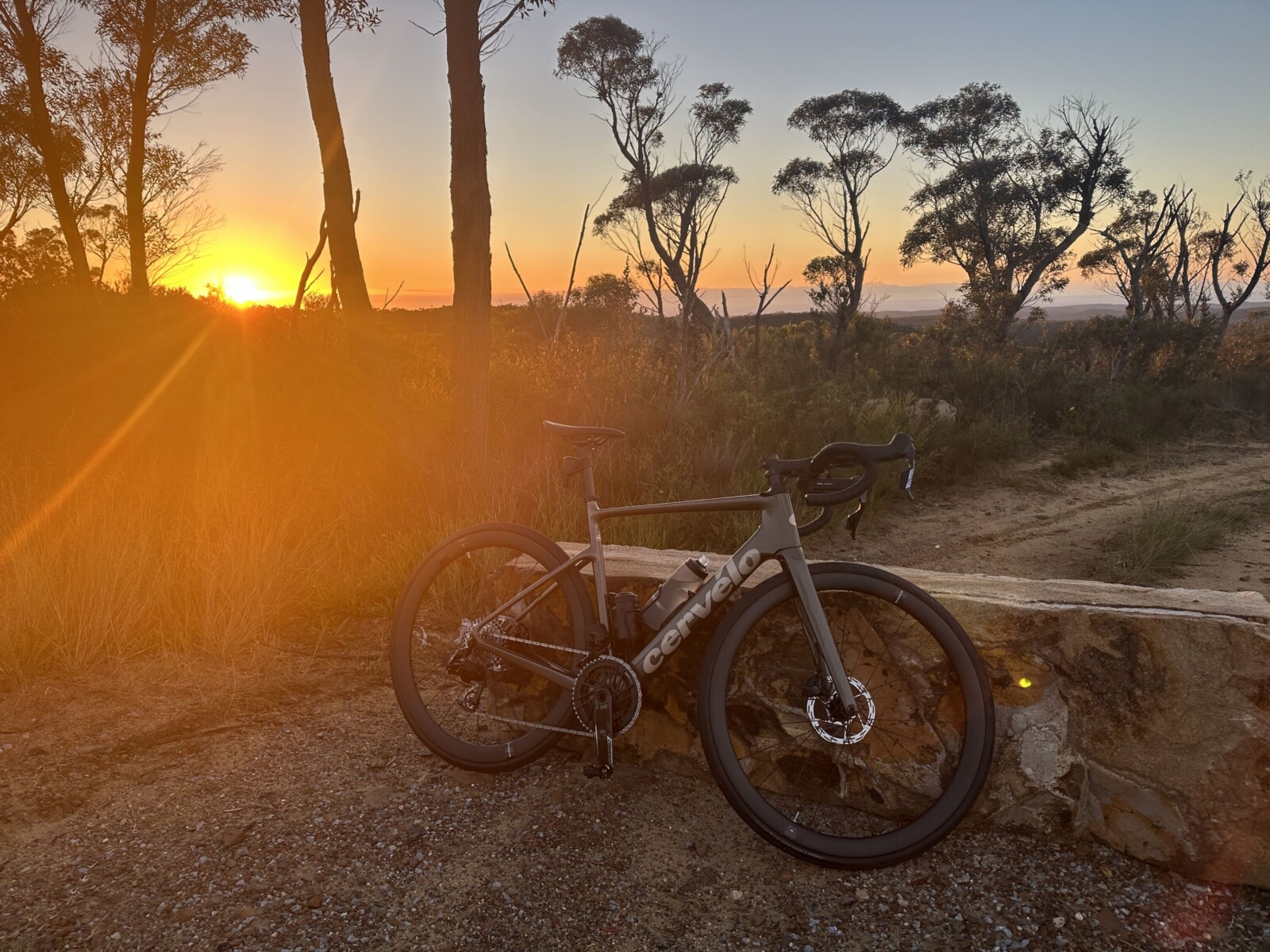
Powering along on smooth bitumen it’s a more than capable road machine, albeit certainly not in the same elite class of efficiency and agility as the aero-optimised S5.
But when the road surfaces become less consistent and predictable the Caledonia really comes into its own, especially when running lower tyre pressures.
Install 36mm tyres (I was on 30mm) and the impact would be even more pronounced I’m sure.
As you’d hope from an endurance platform, the more relaxed riding geometry of the Caledonia was very accommodating for my lower back.
Just as pleasing was the fact this came without a massive compromise in performance which is sometimes the price you pay for comfort.
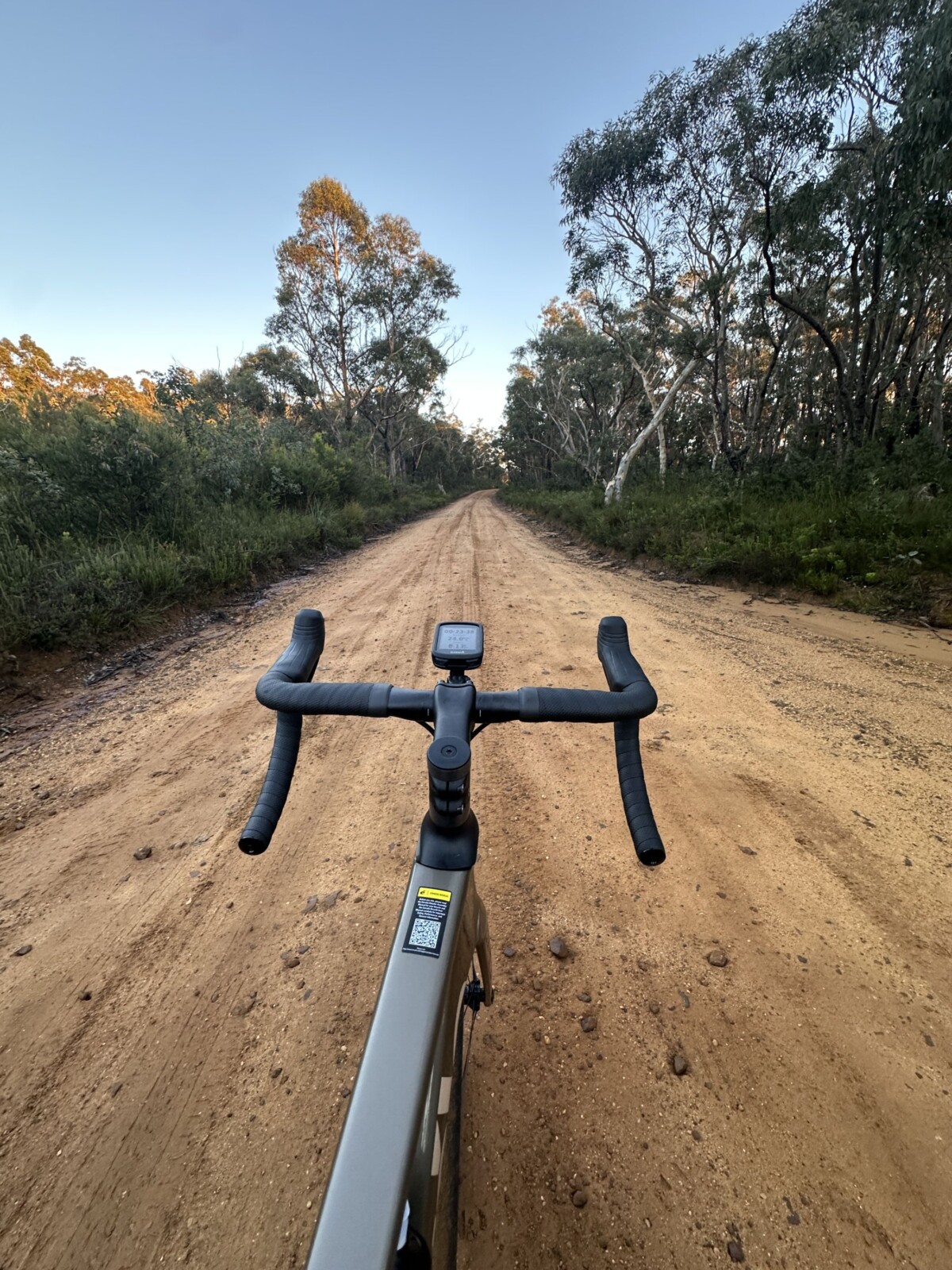
While more than agile enough for my needs, I’d describe the steering as ‘steady and controlled’ rather than being hugely responsive.
On the flip-side the level of road feedback was a bit of surprise and firmer than I had expected for an endurance bike, but something that resulted in consistently enjoyable and lively riding, certainly never dull or muted, which again I’ve experienced before with some endurance bikes.
There’s no shortage of hills around my new home and whenever I inevitably found myself ascending local roads the climbing performance was also well above average.
The 48/35T chainrings and 11-36T cassette combined to deliver a solid range of gearing that’s well suited to pitchy and undulating roads, as well as longer uphill grinds.
While I’m not the kind of rider who ever truly enjoys climbing, doing so on the Caledonia was certainly a pleasantly bearable experience.
The wrap-up
Sitting at an intriguing junction between road bike and gravel bike, the 2026 Cervélo Caledonia is a fabulously versatile all-rounder.
Packed with plenty of learnings from the Caledonia 5, but fewer of the expensive bells and whistles, it’s a brilliant option for dedicated amateurs who spend their days riding and exploring on a variety of terrain and road surfaces.
Based directly on my experience during the review the more relaxed riding geometry also makes it a solid option for riders who perhaps lack the flexibility of their youth (yours truly very much included).
I loved it.
Cervélo caledonia
RRP: $9,000
COLOUR: Mocha
FRAME: Cervélo All-Carbon, Caledonia
FORK: Cervélo All-Carbon, Tapered Caledonia
HANDLEBAR: Cervélo HB23 alloy (31.8mm)
STEM: Cervélo ST36 Alloy
SADDLE: Prologo Nago R4 PAS
SEAT POST: Cervélo SP19 Carbon (27.2mm)
ROTORS: SRAM Paceline Centerlock (160mm front & rear)
SHIFT LEVERS: SRAM Force AXS E1
FRONT DERAILLEUR: SRAM Force AXS E1
REAR DERAILLEUR: SRAM Force AXS E1
CRANKSET: SRAM Force AXS E1 (170mm), 48/35T
CASSETTE: SRAM Force E1, 10-36T, 12-Speed
CHAIN: SRAM Force E1
BOTTOM BRACKET: T47a
RIMS: Reserve 40|44 carbon (tubeless compatible)
TYRES: Vittoria Corsa N.EXT TLR G2.0 700x30c
CLEARANCE (MAX): 36mm

Peter Maniaty
Peter Maniaty - Peter is Bicycling Australia’s senior journalist, and highly respected in the world of cycling. From bike reviews, to destination features and nitty gritty opinion pieces, he’s a gun writer.