
 Anthony Tan
In the first of a two-part preview, Anthony Tan takes a hard look over the course for the 109th edition of the Giro.
You’ve heard it before. The toughest race in the world’s most beautiful place. Or so goes the saying since 2015.
Yes, Italy can be stunningly beautiful, but like almost anywhere else in the world, parts can be butt-ugly, too, though RCS, organisers of the Giro d’Italia, do their best not to visit those sections of the boot-shaped nation, population circa 59 million.
And yes, the Giro route is often murderous – even for the best bike riders in the world.
But as I’ve said for more than two decades now when scribing these previews, how hard a course is depends as much on the protagonists as it does on the route itself.
What we can say is that, based on recent history (as in the past 10 years), out of the three Grand Tours, the Giro has a tendency to be the least predictable.
And that often makes it the most compelling to watch – be it on the roadside, live on television or streamed to your favoured device, via race reports or the type of analysis I try to provide for you, or, for the time-poor cycling fan, in the form of a five-minute highlights package.
Of course, there are exceptions, such as Tadej Pogačar’s utter domination at the 2024 Giro, where, on his race debut, he grabbed la maglia rosa on the second stage and by Rome – where this year’s race will also end – frolicked in a near-10-minute winning margin.
Last year, however, was a quintessential Giro battle between what we thought was two – young gun Isaac del Toro and 2019 champ Richard Carapaz – before Simon Yates, riding for Visma-Lease a Bike, had other ideas.
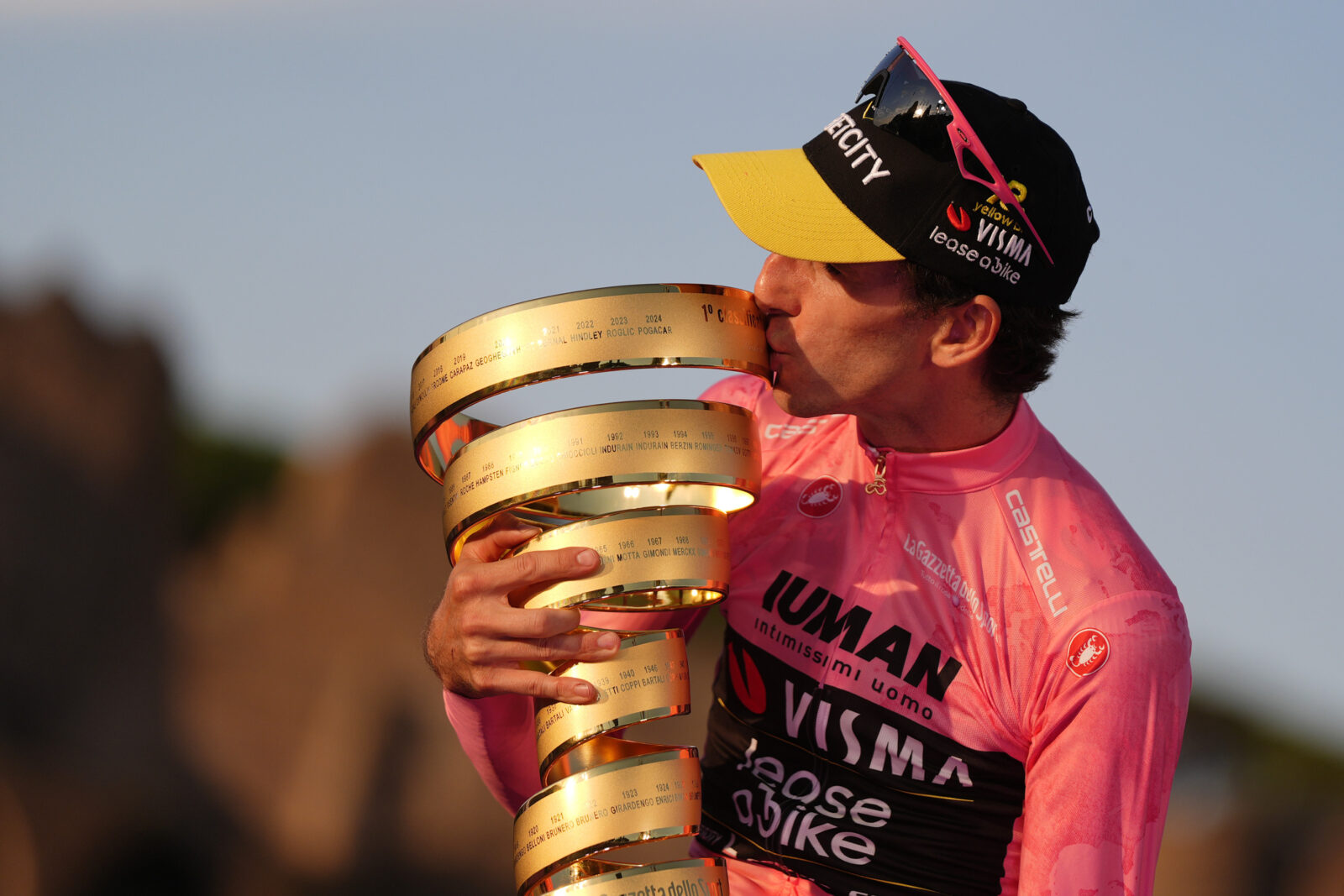
On the vertiginous slopes of the Colle delle Finestre, the scene of his demise seven years previous, the Briton turned the race on its head on the penultimate stage and, with the aid of this year’s Paris-Roubaix champ Wout van Aert, won a thriller that most regarded as the best Grand Tour of the season.
Having exorcised his demons, Simon, in a surprise to most except himself, quit professional cycling on January 7 this year.
His twin Adam, who finished 12th at the 2025 Giro, continues to race; bedecked in the colours of UAE Team Emirates-XRG, he will be on the start line in Nessebar, Bulgaria this Friday for the Grande Partenza.
The first nine days…
To complete this year’s corsa rosa, the 109th edition, cyclists will need to cover 3,468 kilometres from Nessebar to Rome.
That’s right, in a first for any of the Grand Tours, we start in Bulgaria on May 8.
Whatever you think of these non-Italian Grandi Partzene is your perogative, but running cycling races is a business, and if a country is willing to pay big bucks to host such an event, RCS is not one to refuse, as evidenced by last year’s Grande Partenza in Albania and the thirteen other times before that.
Two out of the opening three stages in Bulgaria are likely to end in a sprint or, in the case of Stage 3 with a Cat. 2 climb roughly midway through, a reduced bunch gallop. The second stage, with a trio of Cat. 3s in the latter half of the 221km journey, will almost certainly create a change of leadership.
The transfer from the Bulgarian capital Sofia to mainland Italy, destination Catanzaro, the capital of Calabria and the narrowest point of the Italian peninsula (I like to call it the arch of the boot), will not be far by air, usually done in under two hours; organisers nevertheless have kindly placed the first of three giorni di riposo (rest days) here before racing resumes on Tuesday, May 12.
From this date, the peloton have six straight days of racing. The most significant – and at 244 km, the longest of this year’s Giro – comes on Friday, May 15, the seventh stage to Blockhaus. Its numbers read thus: 13.6km long, average 8.4%, max. 11.8%; average last 10km 9.4%.
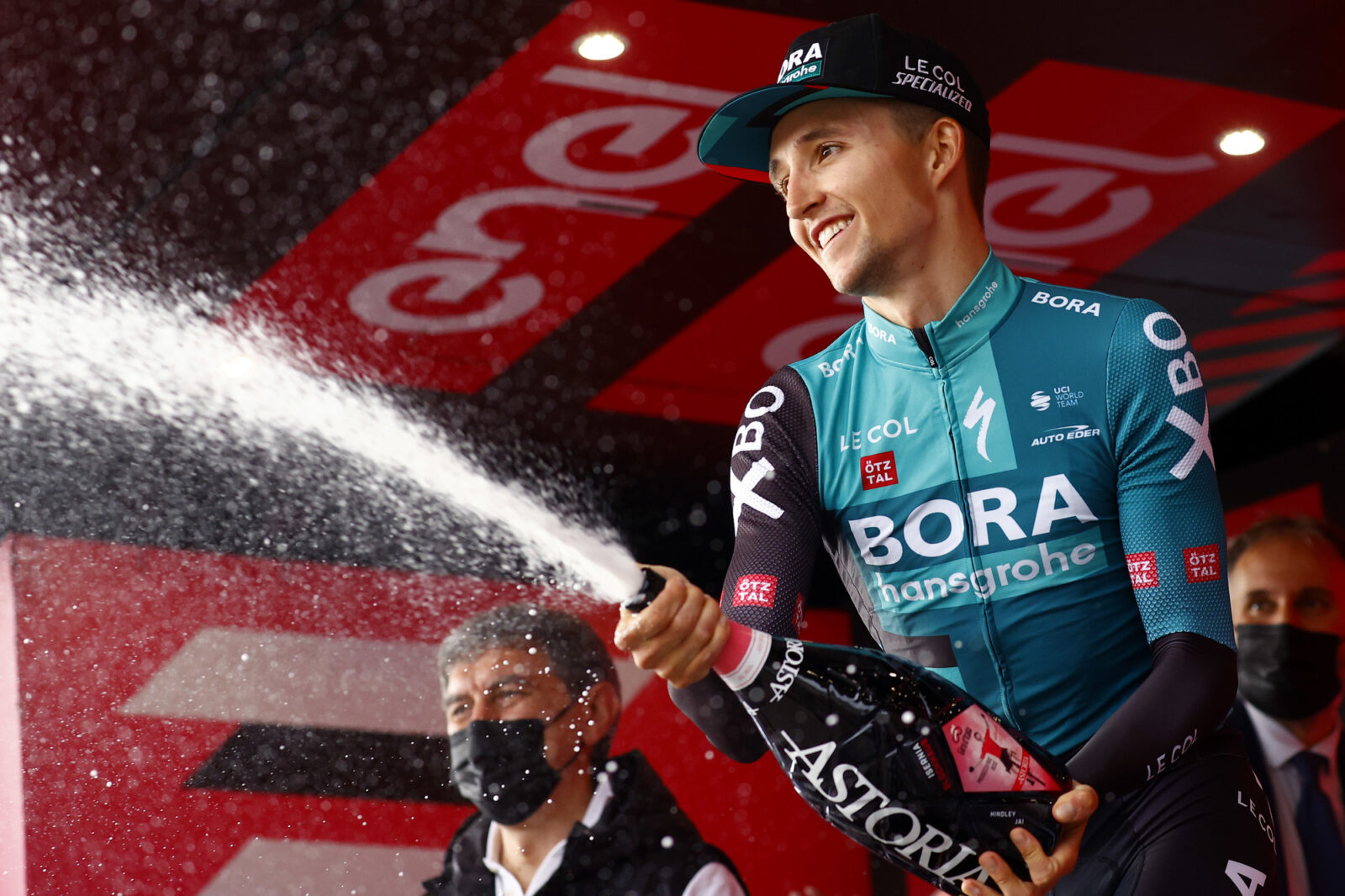
A well-known and well-feared stage finish, the Germanic-sounding climb has been used as a stage finish twice in the past 10 years.
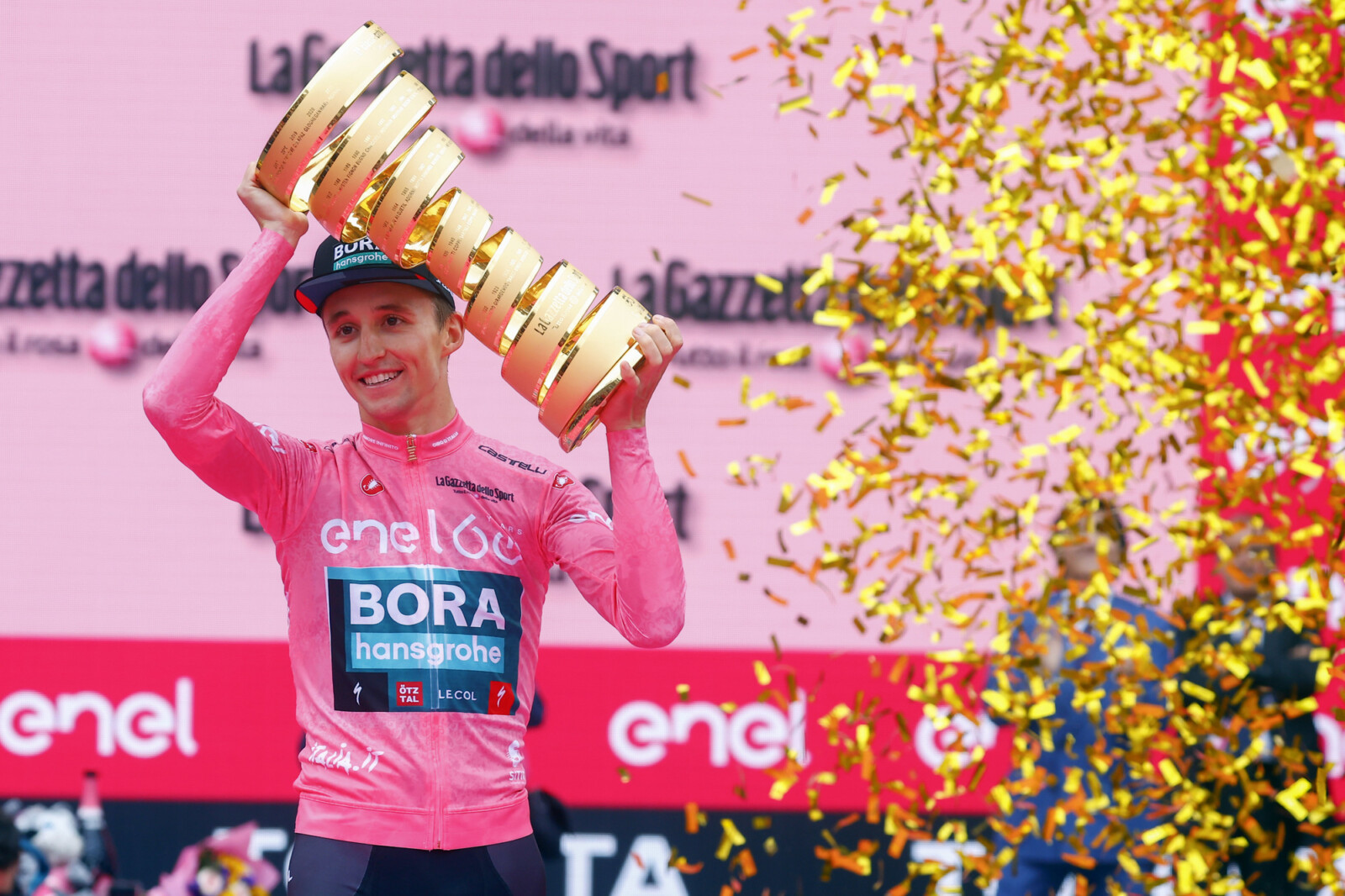
In 2017, the year Dutchman Tom Dumoulin was crowned overall winner, Colombian Nairo Quintana prevailed on Stage 9; seven years later, also on the ninth stage, our own Jai Hindley finished first in a five-man group atop Blockhaus and would ultimately prevail overall.
He’s down to ride GC again this year, as co-leader with Red Bull-BORA-hansgrohe team-mate, Giulio Pellizzari.
For those not aiming for the podium in Rome (or pure sprinters) there’s at least seven stages for attacking riders (what the French term puncheurs and baroudeurs): besides the second leg, I’ve earmarked Stages 5, 8, 9, 11, 13, and 17 as distinct possibilities.
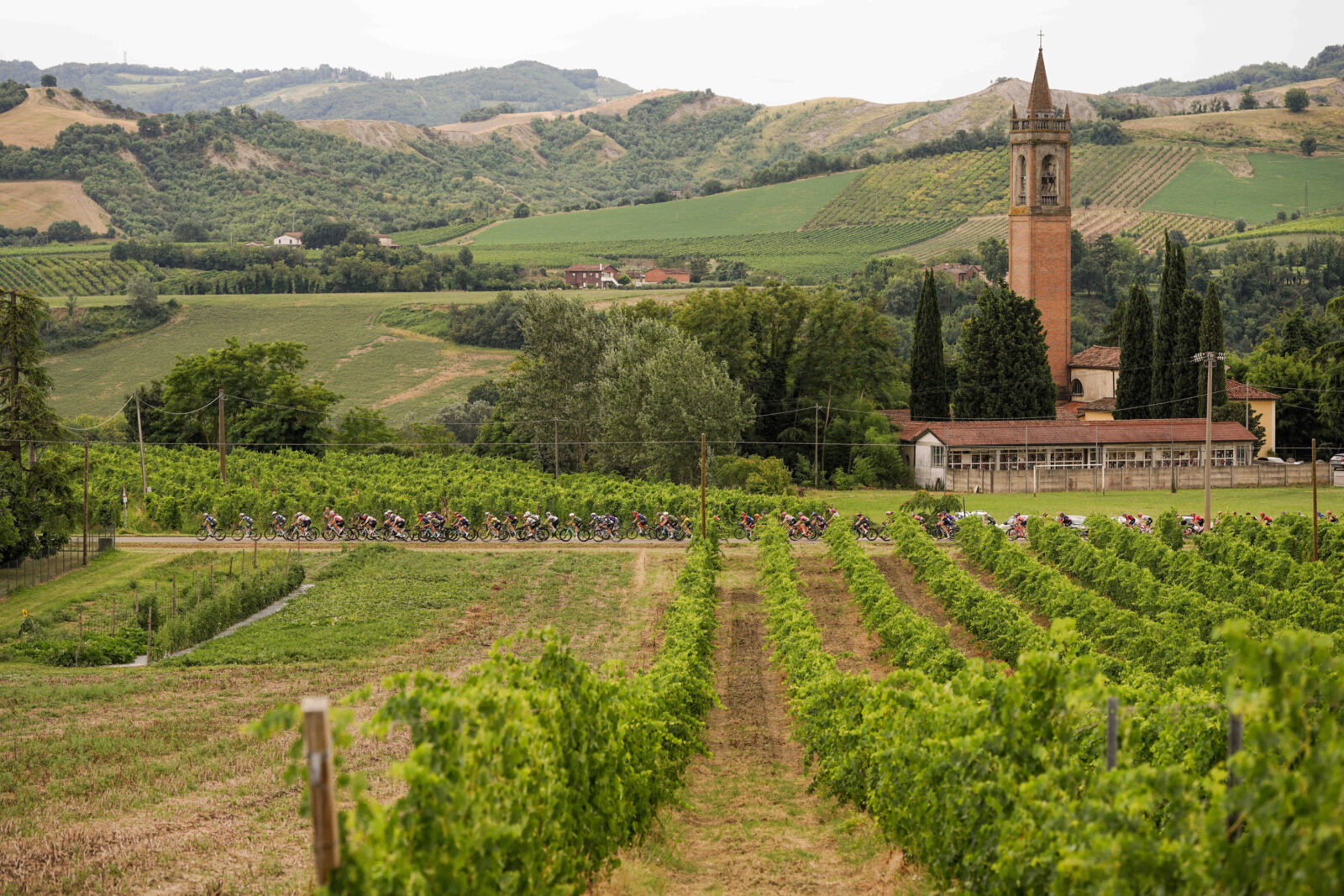
The one and only ITT…
As in the opening week, the third phase (Stages 10-15) of la corsa rosa feature just one high mountain stage at the back end, but not before a flat 42km individual time trial on Stage 10 along the northern Tuscan coast.
It should go without saying that one needs to be a complete rider to win a Grand Tour; this is no more evident than these chapters of Il Giro, because while the first mountain finish to Blockhaus was the longest, Stage 14 is the third-shortest.
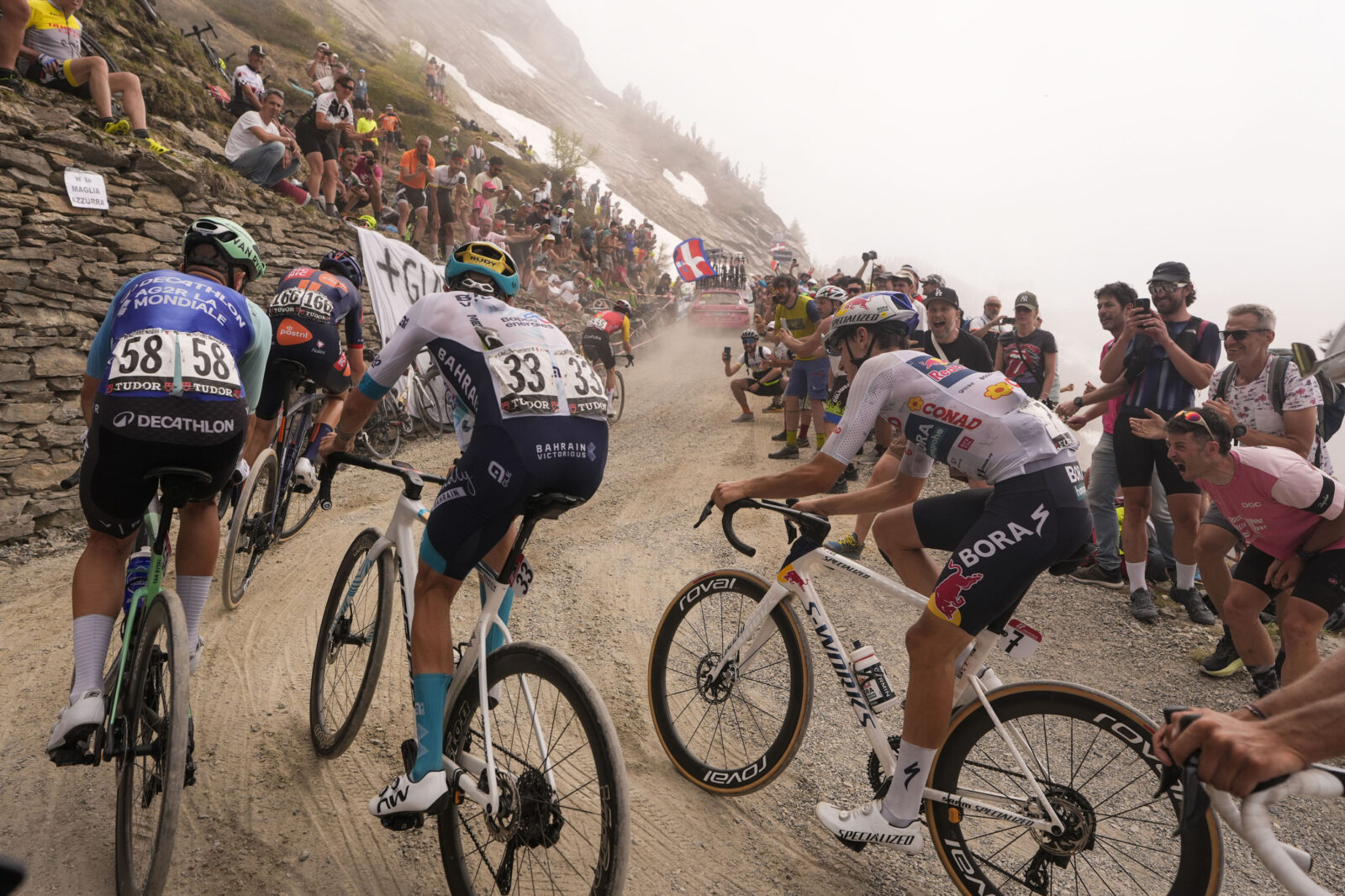
According to Il Garibaldi, the official guide for teams, media and the organisers, the fourteenth leg boasts 4,350 metres of elevation gain in just 133 kilometres.
On the menu del giorno (meal of the day) there are three Cat. 1 climbs (it should be noted that, at the Giro, Cat. 1 ascents are the highest-rated and therefore considered the hardest in difficulty; unlike the Tour de France, there is no HC or hors catégorie rating) and one Cat. 2 and Cat. 3 apiece.
The final ascent to Pila measures 16.5km at 7.1%; on paper, it is, in my estimation at least, the second-hardest of the 2026 Giro.
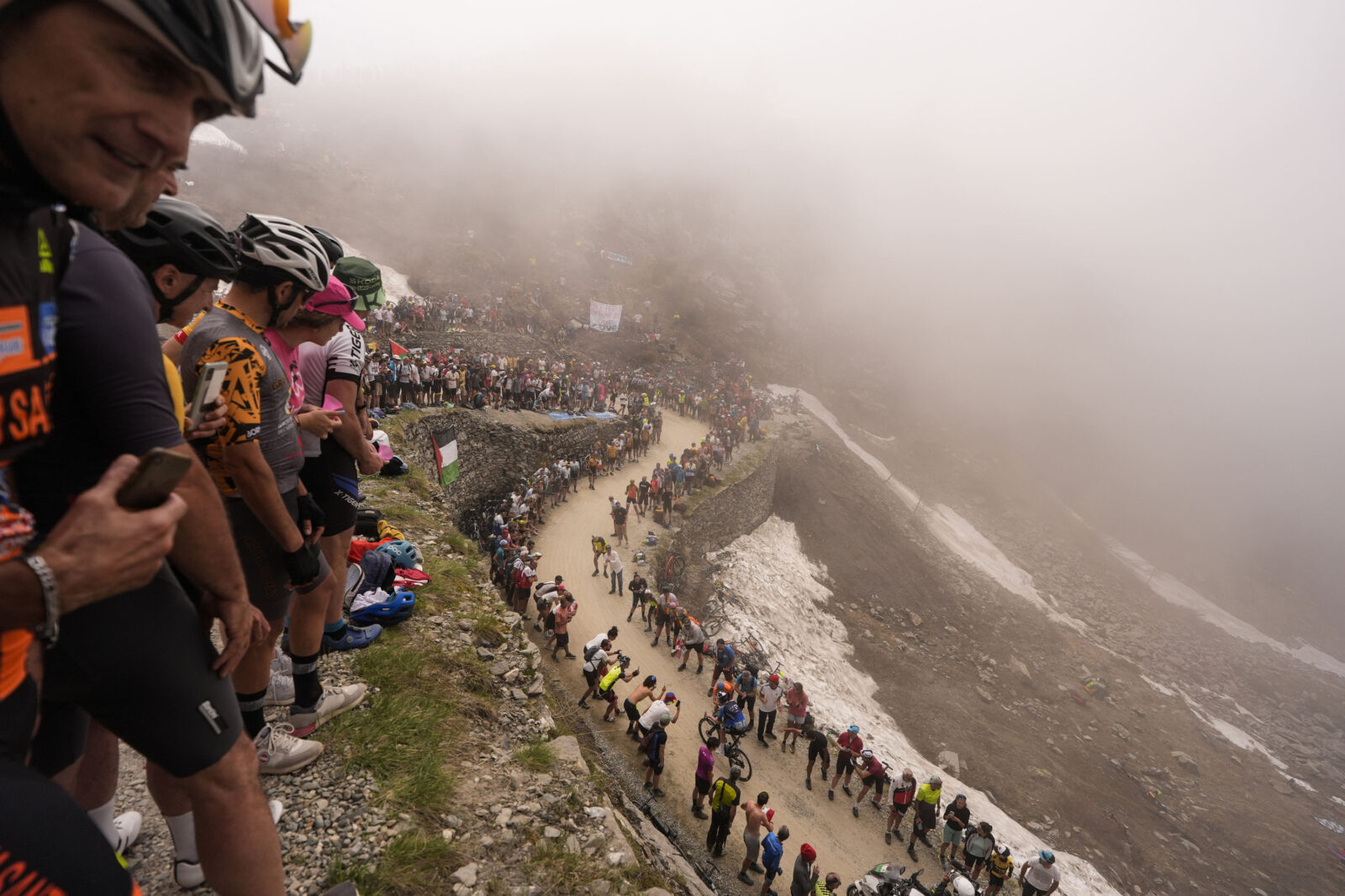
Half up high – including Il Tappone…
Following the third giorno di riposo, out of the final six days, half are in the high mountains.
It’s “only” given a 4/5 rating in Il Garibaldi, but the fact Stage 16 comes straight after a rest day makes it as precarious to navigate as Stages 19 and 20.
Contenders for Pink will surely wait for the final effort to Carì (11.7km at 7.9%) before unleashing; they might as well empty the tank because a pair of non-GC days follow and it’s the perfect platform to do so.
Not unlike the fourteenth leg, Stage 19 is short and hellish. 5000 metres’ vertical gain over 151 kilometres make it unequivocally Il Tappone (the big stage) of this year’s Giro.
Unusually, though, only the Passo Duran, the first of five climbs on the menu, is billed by the Garibaldi as a Cat. 1; the Piani di Pezzè, the last, is 5km at 9.6%.
Lining these jagged slopes many maniacal humans thick, the cycling-mad tifosi (fans) would love to see a long-range move.
But will the 20km-plus of descending from the Passo Falzarego, the penultimate climb, not to mention what’s in store the following day, dissuade such thoughts being converted into action?
Speaking of which, if there is any gas left in the tank, the remaining 70-odd kilometres of Stage 20 is Last Chance Saloon for a final opportunity to reorder the classifica generale: a double ascension of the 14.5km climb to the ski station of Piancavallo (average gradient 7.8%).
Since its debut as a stage finish in 1998 (may the magical though mercurial climber Marco Pantani rest in peace) it has been used twice since: in 2017 (Stage 19, won by Mikel Landa, the eventual mountains winner) and in the fifteenth stage of the 2020 race, won by its eventual victor, Tao Geoghegan Hart.
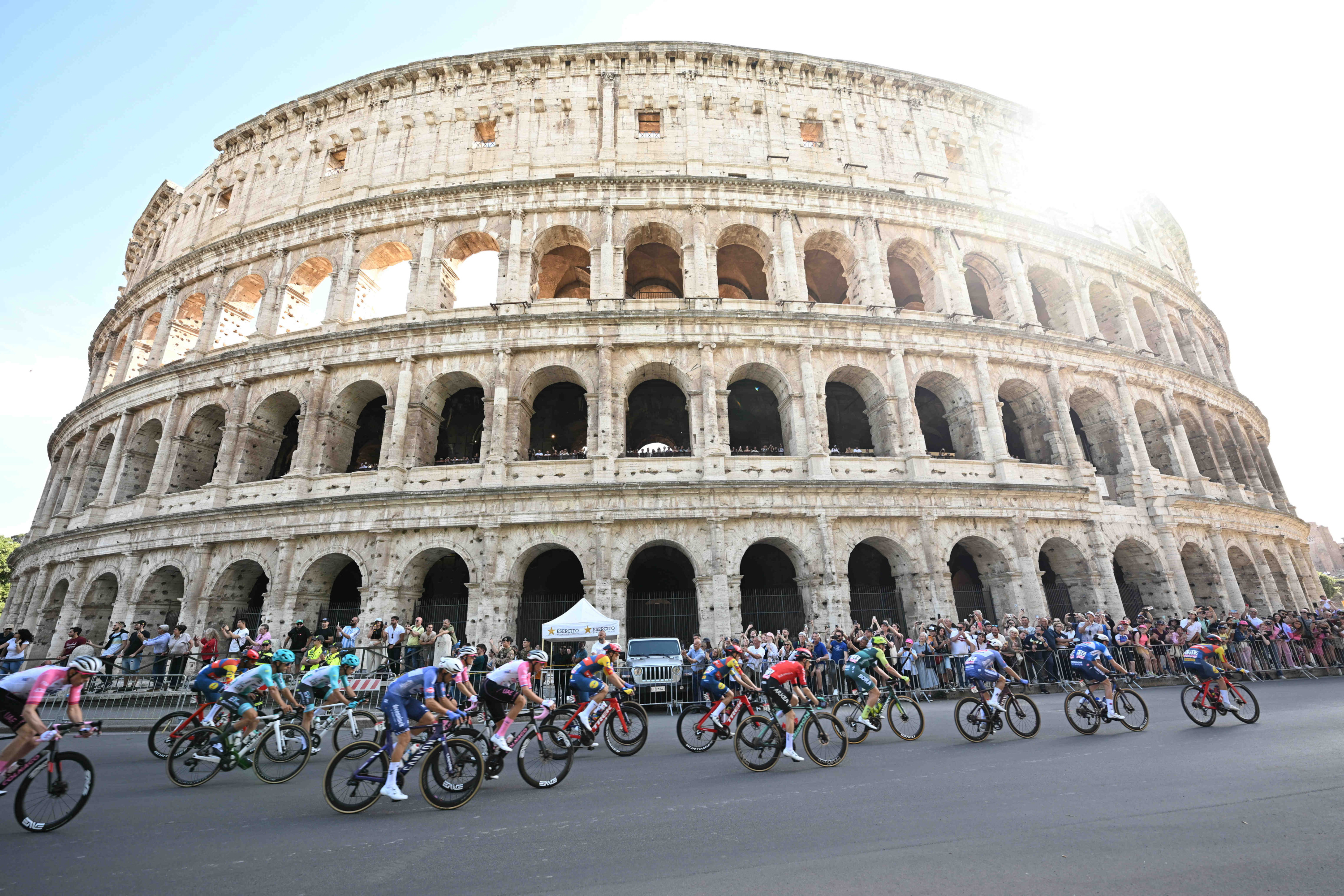
While Milan has served as the endpoint for la corsa rosa more times than any other city – a total 79 times – Rome returns as the finish line for the fourth year running, The Eternal City undeniable in living up to the race’s moniker as “the world’s most beautiful place”.
2026 Giro d’Italia: The Stages
Stage 1, May 8: Nesebăr – Burgas, 147km
Stage 2, May 9: Burgas – Veliko Tarnovo, 221km
Stage 3, May 10: Plovdiv – Sofia, 175km
May 11: Rest day #1
Stage 4, May 12: Catanzaro – Cosenza, 138km
Stage 5, May 13: Praia a Mare – Potenza, 203km
Stage 6, May 14: Paestum – Napoli, 142km
Stage 7, May 15: Formia – Blockhaus, 244km
Stage 8, May 16: Chieti – Fermo, 156km
Stage 9, May 17: Cervia – Corno alle Scale, 184km
May 18: Rest day #2
Stage 10, May 19: Viareggio – Massa, 42km ITT
Stage 11, May 20: Porcari – Chiavari, 195km
Stage 12, May 21: Imperia – Novi Ligure, 175km
Stage 13, May 22: Alessandria – Verbania, 189km
Stage 14, May 23: Aosta – Pila, 133km
Stage 15, May 24: Voghera – Milano, 157km
May 25: Rest day #3
Stage 16, May 26: Bellinzona – Carì, 113km
Stage 17, May 27: Cassana d’Adda – Andalo, 202km
Stage 18, May 28: Fai della Paganelle – Pieve di Soligo, 171km
Stage 19, May 29: Feltre – Piani di Pezzè, 151km
Stage 20, May 30: Gemona del Friuli – Piancavallo, 200km
Stage 21, May 31: Roma – Roma, 131km
Total: 3,468km
Look out for part two coming later this week: The contenders for pink
Our Giro D’Italia coverage is proudly brought to you by GradientBlue Cycling Tours – Delivering premium European Road Cycling Tours for over 15 years.

Anthony Tan
Anthony Tan - One of Bicycling Australia’s longest-serving columnists, ‘Tan Man’ has a deep passion for the sport and is a natural communicator.