
 Mike O'Connor
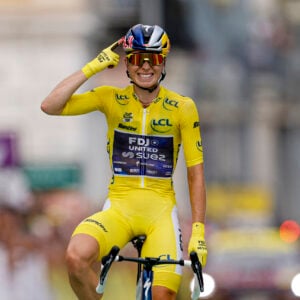
The Tour de France Femmes avec Zwift is attracting audiences that were once considered out of reach for women’s cycling. We sat down for a chat with Zwift’s Kate Veronneau, who believes the next step is converting that attention into more riders, coaches and leaders across the sport.
When the Tour de France Femmes avec Zwift returned in 2022, it arrived carrying decades of expectation. Women had long proven they could produce world-class racing, but the sport had rarely given them the same platform, exposure or investment afforded to the men’s peloton.
Just a few years later, the conversation has clearly changed.
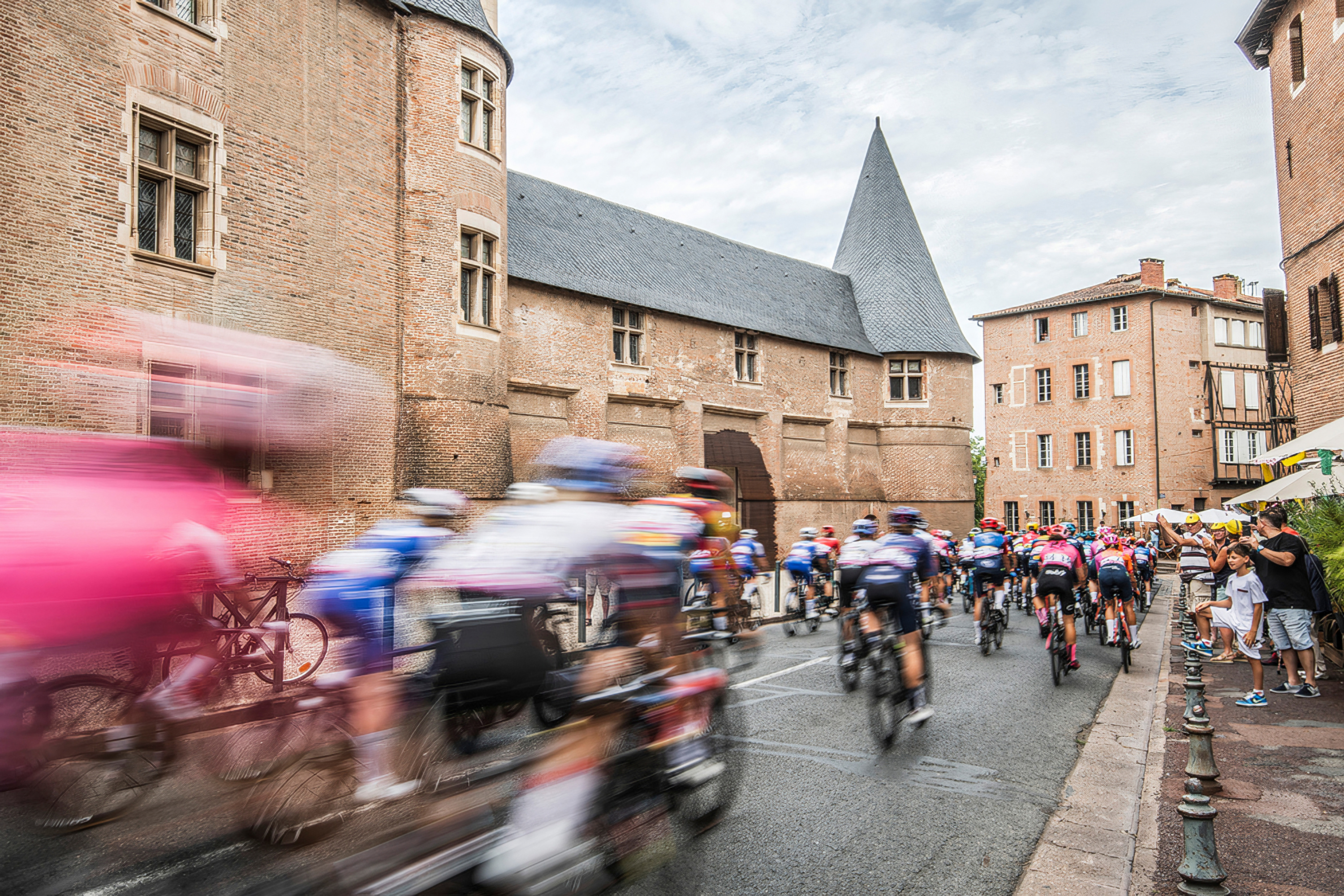
The race has become a highlight of the cycling calendar, attracting growing crowds, expanding broadcast audiences and increasing commercial interest.
In fact, SBS reported that there were 1.51 million total TV viewers for the 9-stage Tour de France Femmes avec Zwift, and a more than 800% increase in social media engagement over the previous year’s coverage.
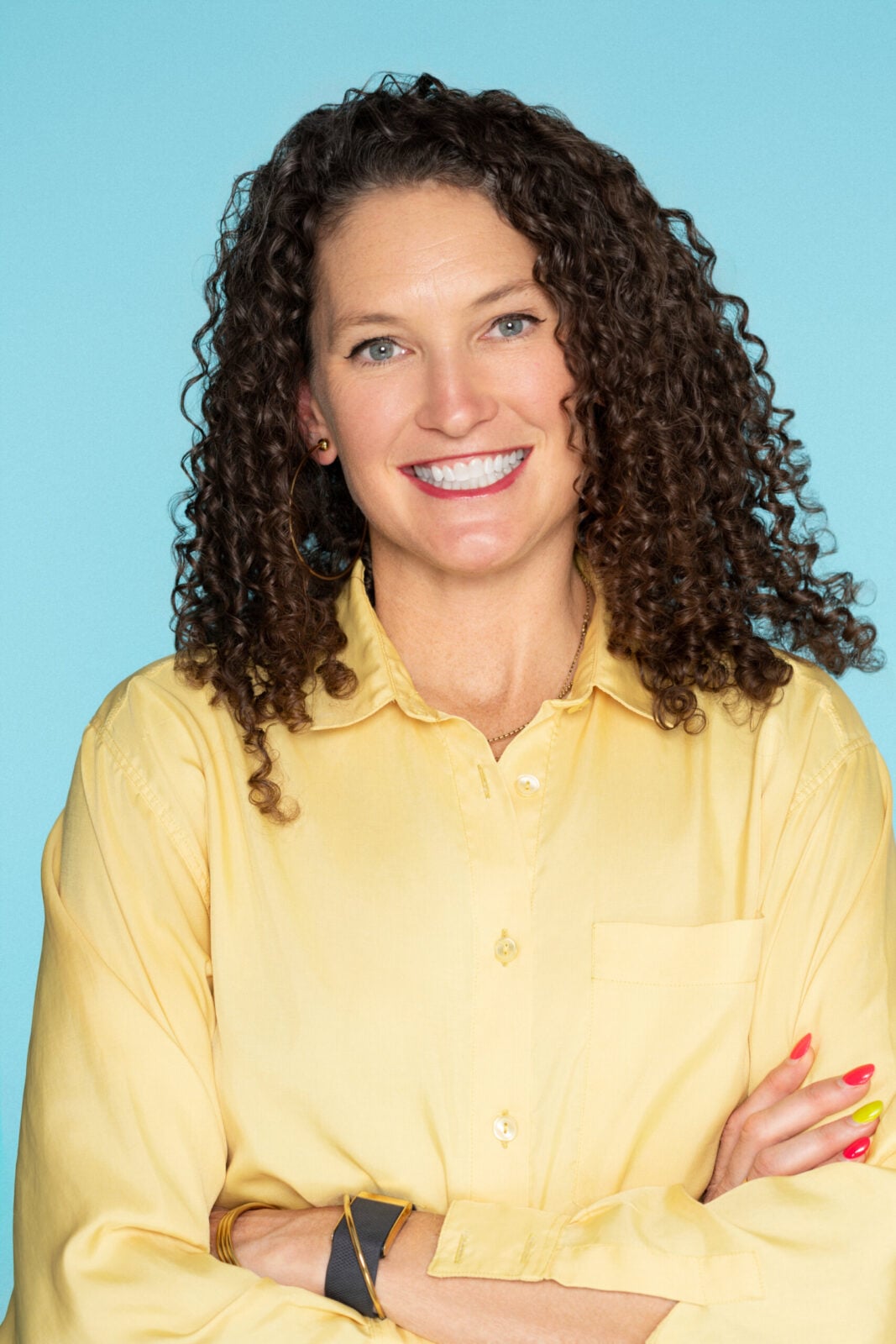
For Kate Veronneau, Zwift’s Director of Women’s Strategy, it is evidence that women’s cycling is moving beyond potential and into a new phase of growth.
“It’s remarkable how quickly the race has established itself as one of the world’s most watched sporting events,” she says. “Four years ago, there was hope and belief that it could succeed. Today, there’s no question that it belongs.”
Veronneau’s role at Zwift is focused on creating more opportunities for women in cycling, from encouraging newcomers to get their first taste of riding and creating more opportunities for women to ride, race and feel part of the sport.
Visibility changes everything
For Veronneau, the biggest driver of the Tour de France Femmes growth has been something deceptively simple: people being able to see the racing.
“Visibility has been the biggest driver,” she says. “When races are broadcast around the world, everything else follows. Fans engage, sponsors invest, teams become more professional, and riders have more opportunities to build sustainable careers.”
It is a cycle that men’s cycling has benefited from for generations, but one women’s cycling is only now beginning to access at scale.
Greater exposure has helped create a more professional environment, allowing teams to provide stronger support, riders to pursue cycling as a career, and younger athletes to see a clearer pathway to the highest level.
“The result is deeper competition and more unpredictable, exciting racing,” says Veronneau.
That depth has become one of the defining characteristics of the women’s peloton, with a growing number of riders capable of competing for major victories.
One of the biggest issues remains the limited TV coverage of the Femmes, with only three of the nine stages this year being shown from the official race start to the finish.
For years, this has been a source of criticism after key attacks happened before the TV coverage began.
“Broadcast coverage changes everything because it creates awareness, inspires participation, and gives sponsors confidence to invest,” she says. “Every new fan is a potential rider, volunteer, coach, or supporter.”
The hope is that calls for longer, more extensive broadcasts will soon lead to change, with Tour de France Femmes race director Marion Rousse confirming this week that full stage coverage in future editions is now being considered.
A stronger pathway
The emergence of young riders making an immediate impact at the highest level is another sign of the sport’s progress.
“It’s one of the clearest signs that the sport is maturing,” says Veronneau. “Young riders are coming through with access to better coaching, stronger development pathways, and more professional teams than ever before.”
The difference between today’s generation and those who came before is that talent is no longer the only thing standing between a rider and the top level.
“A decade ago, many talented women didn’t have a clear route to the highest level. Today there are more opportunities to develop, earn a living, and compete against the best in the world.”
But while the progress is clear, Veronneau says the next challenge is ensuring those opportunities continue beyond the professional peloton.
More than watching a race
For Veronneau, the impact of the Tour de France Femmes avec Zwift extends far beyond the results sheet.
“I’m excited to see how aggressive the racing has become. Every year the peloton gets deeper, and it’s becoming harder to predict who will win. That’s a great sign for the sport because uncertainty makes racing exciting.”
But the biggest success story may not come from who wins the yellow jersey.
“Every edition of the Tour inspires more people to ride, introduces new fans to women’s cycling, and shows girls what’s possible.”
That impact is increasingly visible around the event. This year, more than 3,500 women rode L’Étape du Tour de France Femmes avec Zwift up Mont Ventoux the day before the professionals, while watch parties, community rides and women working across the cycling industry continue to grow.
“That’s what Watch the Femmes has always been about,” says Veronneau. “It’s never been just about watching a bike race; it’s about creating visibility that inspires participation.”
The growth of women’s cycling over the past few years has been significant, but the next measure of success will be whether that momentum creates lasting change.
“The momentum is happening,” says Veronneau. “And every year it gets bigger.”

Mike O’Connor – A keen cyclist, runner and photographer, Mike O’Connor is the Editor of Bicycling Australia. He manages the BA website and social media, and loves promoting the achievements of Australian cyclists.