

 Mike O'Connor
NSW is tightening the rules around e-bikes, with new laws targeting both illegal private e-bikes and the way shared e-bike operators manage their fleets.
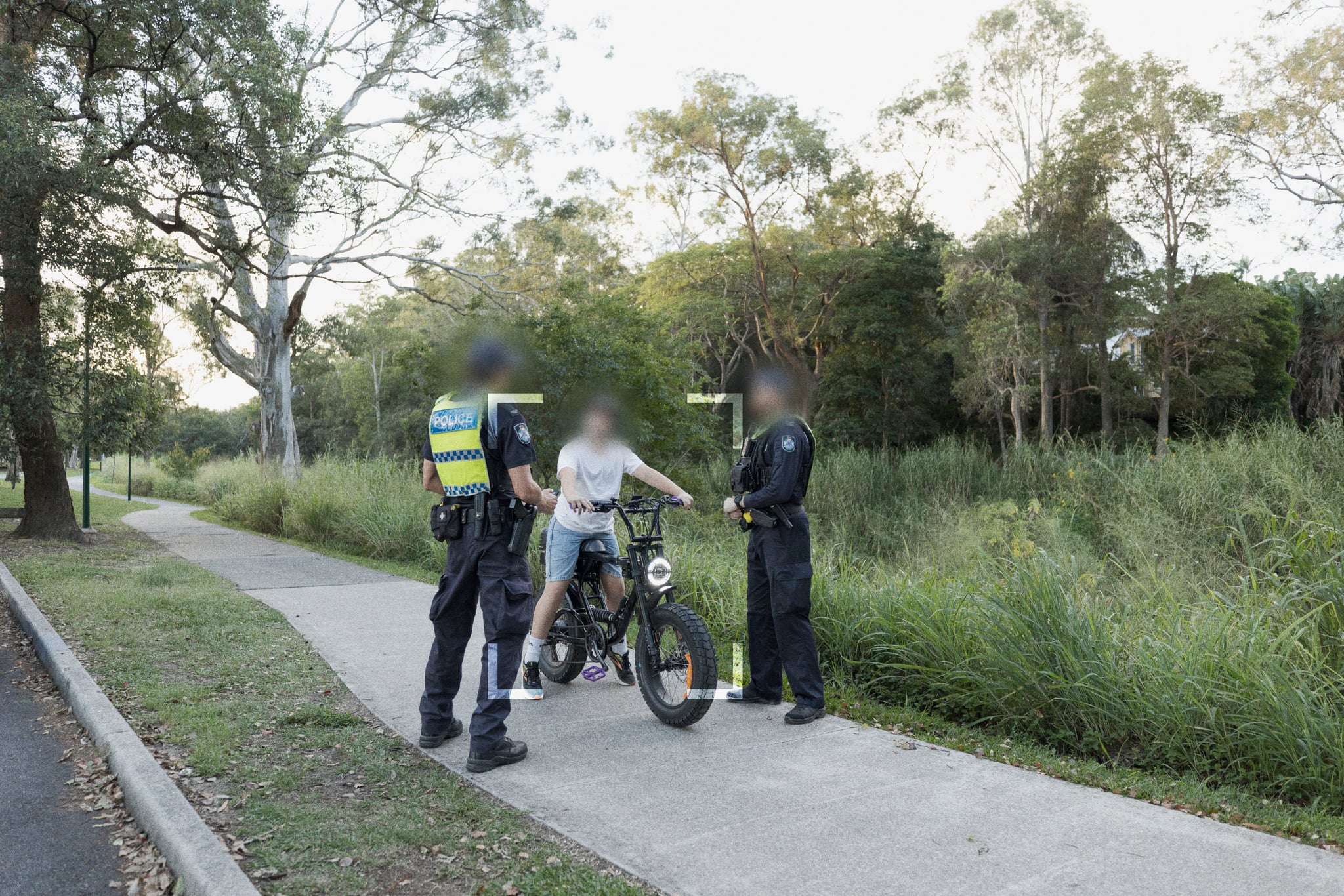
The changes come as NSW Police and Transport for NSW ramp up enforcement, with 36 illegal e-bikes seized during a joint operation on Sydney’s Northern Beaches earlier this month.
The operation on 11 September was the first joint NSW Police and Transport for NSW operation since new seizure powers came into effect on 21 August.
Officers targeted illegal, modified and high-powered e-bikes around Manly, Curl Curl, Dee Why and Avalon, using a portable dynamometer to test suspect bikes.
Among the bikes seized was one allegedly capable of travelling at more than 90km/h. Police also issued 16 penalty notices and 46 cautions during the operation.
The new powers allow illegal, modified or high-powered e-bikes being used in public places to be seized and destroyed.
Shared e-bikes face new rules
NSW has also introduced new rules for shared e-bike operators, aimed at making it easier to keep bikes out of the way while giving councils more say over how schemes operate.
Since 14 August, shared e-bike operators have needed approval from Transport for NSW and authorisation from councils or relevant government land managers before operating.
Operators will have to meet minimum requirements covering things such as insurance, helmets, device standards, identification and providing data on trips, incidents and complaints.
There are also penalties of up to $55,000, plus $5,500 per day for ongoing non-compliance, including failing to remove bikes from inappropriate locations.
Approved operators will need to make sure their bikes don’t block footpaths, pedestrian crossings, public transport stops, taxi zones or fire exits.
Councils will also be able to establish dedicated parking areas, as well as no-go and go-slow zones. Fleet caps will eventually be introduced, with the number of bikes allowed in an area based on factors such as demand and operator performance.
A per-trip levy on shared e-bike operators will help fund the government’s $6.6 million Sharing Scheme Grant Program, with councils able to receive up to $200,000 for e-bike parking infrastructure.
The changes are being rolled out in stages. Applications for operator approval opened on 14 August, while the first fleet limits are scheduled to apply from March 2027. Some of the new parking and enforcement powers will also come into effect over the coming months.
Private e-bikes also in the sights
Private e-bike owners are also facing changes, although there’s still some time before the biggest one kicks in.
NSW is moving towards a 250W maximum continuous rated power limit and the adoption of the European EN15194 standard.
For now, the NSW limit remains 500W. From 1 March 2029, e-bikes between 250W and 500W, or those that don’t meet the required standard, will no longer be legal to ride on NSW roads and road-related areas.
The government also says simply software-limiting a more powerful bike doesn’t necessarily make it legal. The new standard is intended to ensure e-bikes continue to operate like bicycles, rather than higher-powered electric motorcycles.
Other changes include a minimum rider age, new safety requirements for lithium-ion batteries, and restrictions on converted e-bikes being carried on trains and Sydney Metro services.
The NSW crackdown comes shortly after significant changes in Queensland.
From 31 August 2026, Queensland introduced new age and licensing requirements for e-bike riders. Riders must generally be at least 16 years old and hold a valid driver licence, including a learner licence.
You can read about those changes here.

Mike O’Connor – A keen cyclist, runner and photographer, Mike O’Connor is the Editor of Bicycling Australia. He manages the BA website and social media, and loves promoting the achievements of Australian cyclists.