

 Harry Kooros
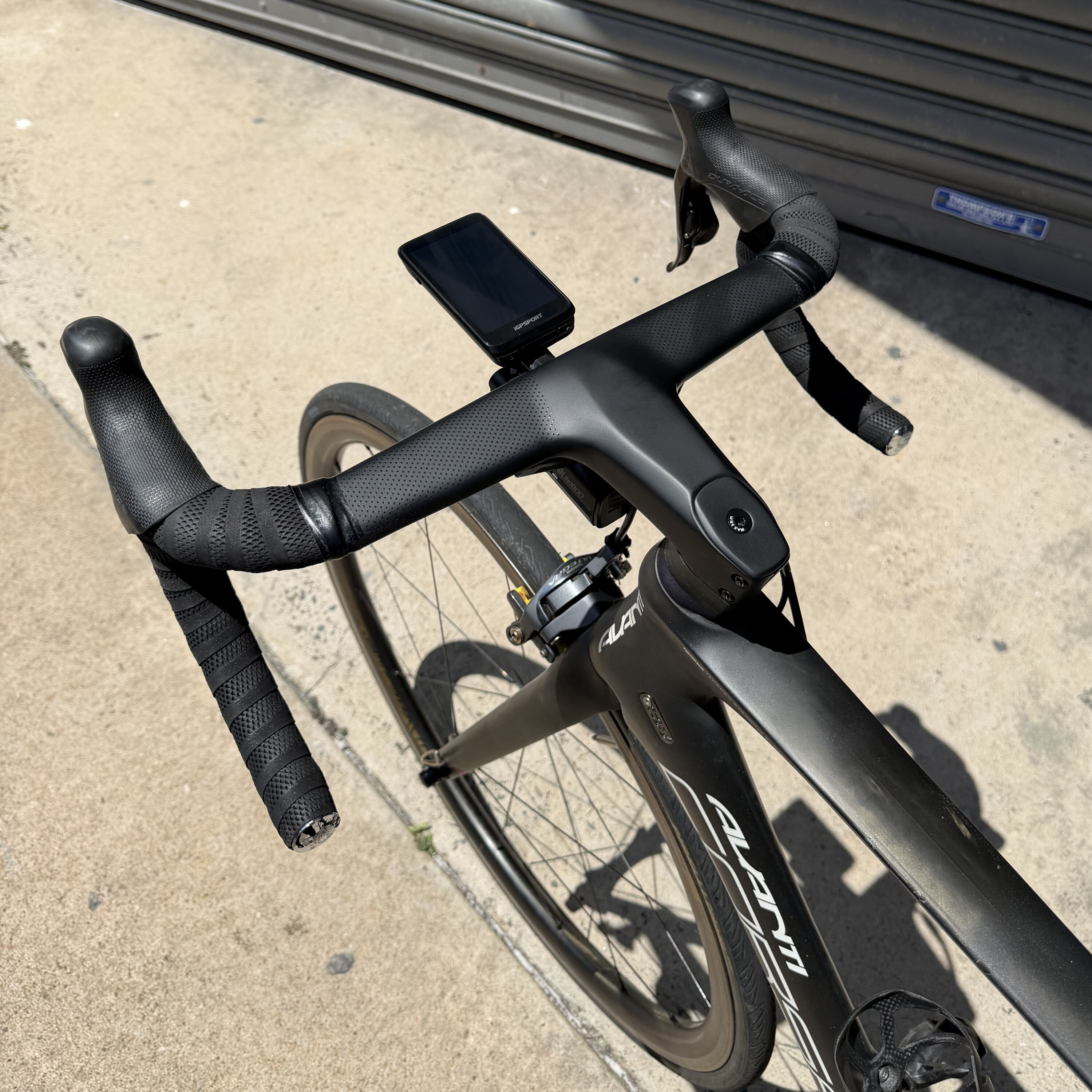
Integrated handlebars have quickly become a staple of modern performance road bikes, combining aerodynamics, stiffness, and cockpit ergonomics into a single carbon unit.
They also happen to be what many mechanics would politely describe as a nightmare.
Most high-end brands now either produce their own integrated cockpit or spec one from a third-party manufacturer, making the one-piece front end almost unavoidable at the sharp end of the road market.
EXS Cycling is a relatively young brand offering a range of high-end carbon and titanium components, including wheels, forks and integrated handlebars.
Based in China, the company was founded by a group of UCI mechanics, bike fitters and engineers with a focus on performance-driven design rather than marketing noise.
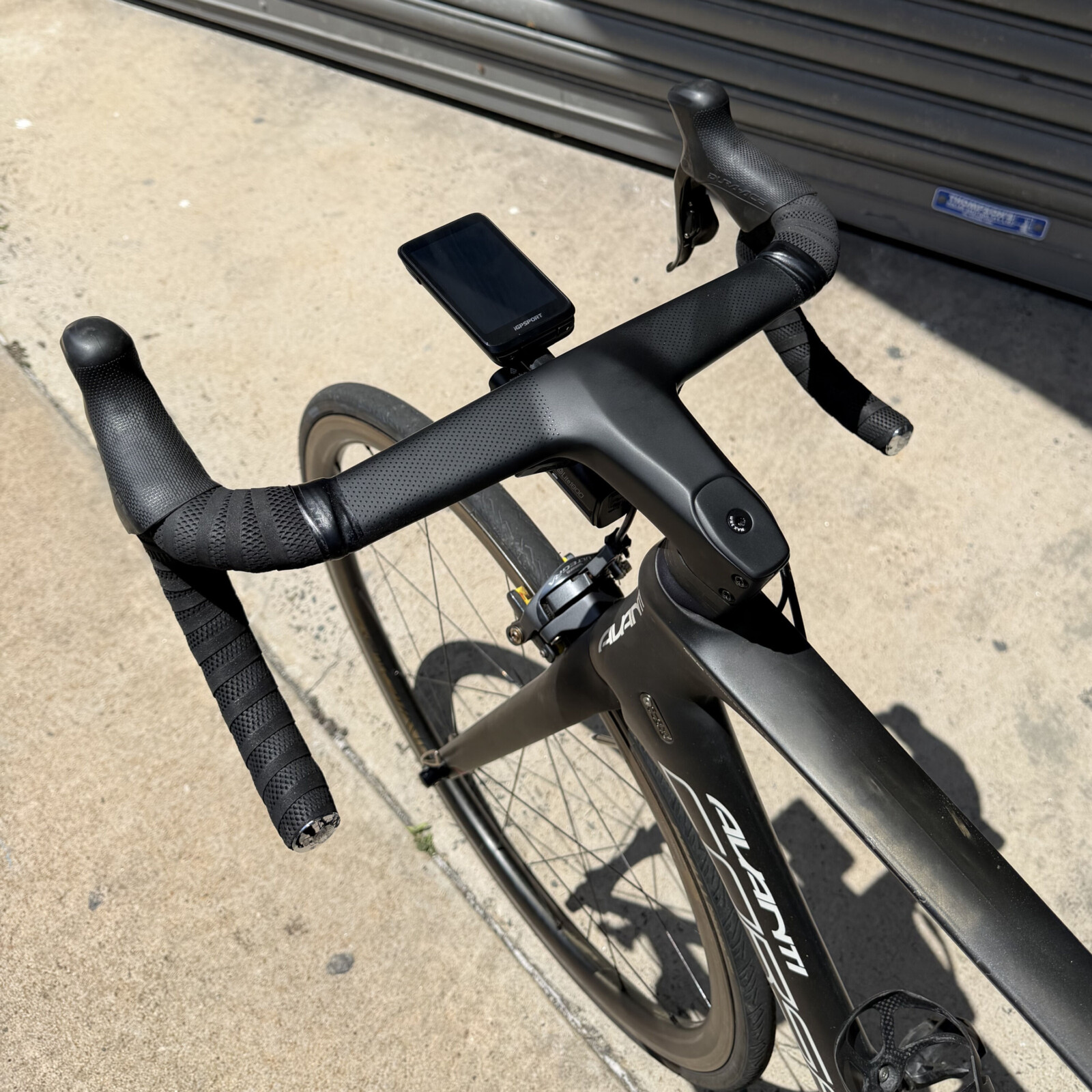
The Aerover Integrated Handlebar is EXS’s take on the modern aero cockpit. Aimed at riders chasing marginal gains without sacrificing ride feel or fit flexibility, it offers a wide range of handlebar width and stem length combinations alongside a claimed aerodynamic advantage over traditional bar-and-stem setups.
On paper, it promises a refined, race-ready solution adaptable across a broad range of bikes and riding styles. As with any integrated cockpit, though, the real test starts with installation.
Installation
The Aerover arrived at the perfect time, just as I was rebuilding an old race bike.
I’d recently rediscovered my 2014 Avanti Corsa DR, a rim-brake bike I rode as a junior, and decided to bring it back to life for regular riding.
The matte black frame paired neatly with the Aerover’s stealthy finish, making for a clean, modern look despite the bike’s age.
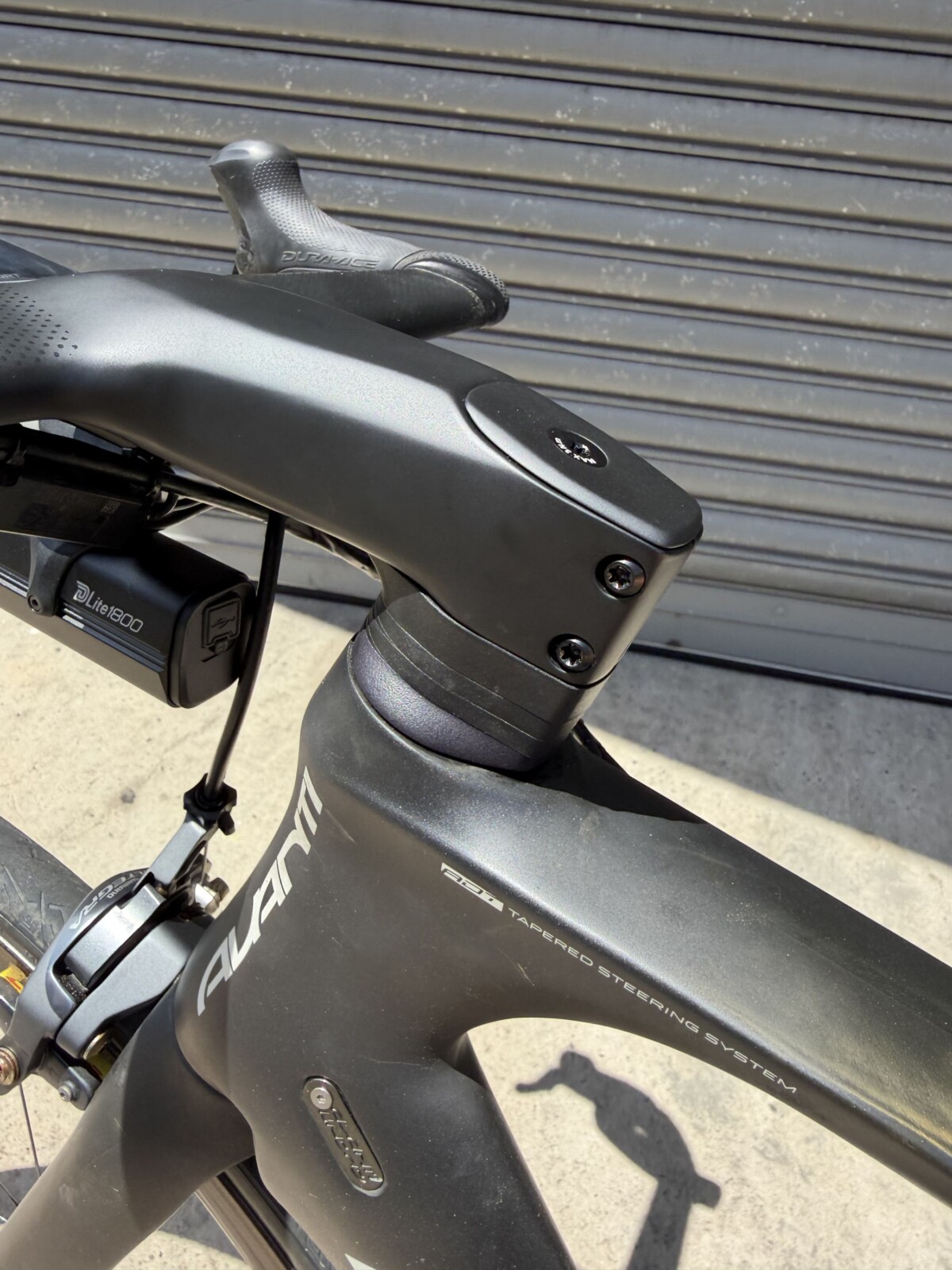
Installing the bars onto the steerer was straightforward. EXS supplied spacers that matched the Avanti perfectly, allowing the cockpit to integrate cleanly with the head tube.
Cable routing through the handlebars was equally painless. The access ports are generously sized and the internal corners are smooth, making cable routing quick and frustration-free.
As this was an older rim-brake build, I didn’t get to take advantage of the fully integrated routing designed for modern disc-brake setups.
However, the well-sized ports and smooth internal shaping suggest EXS has put real thought into easing what is often the most frustrating part of an integrated cockpit.
Design and fit
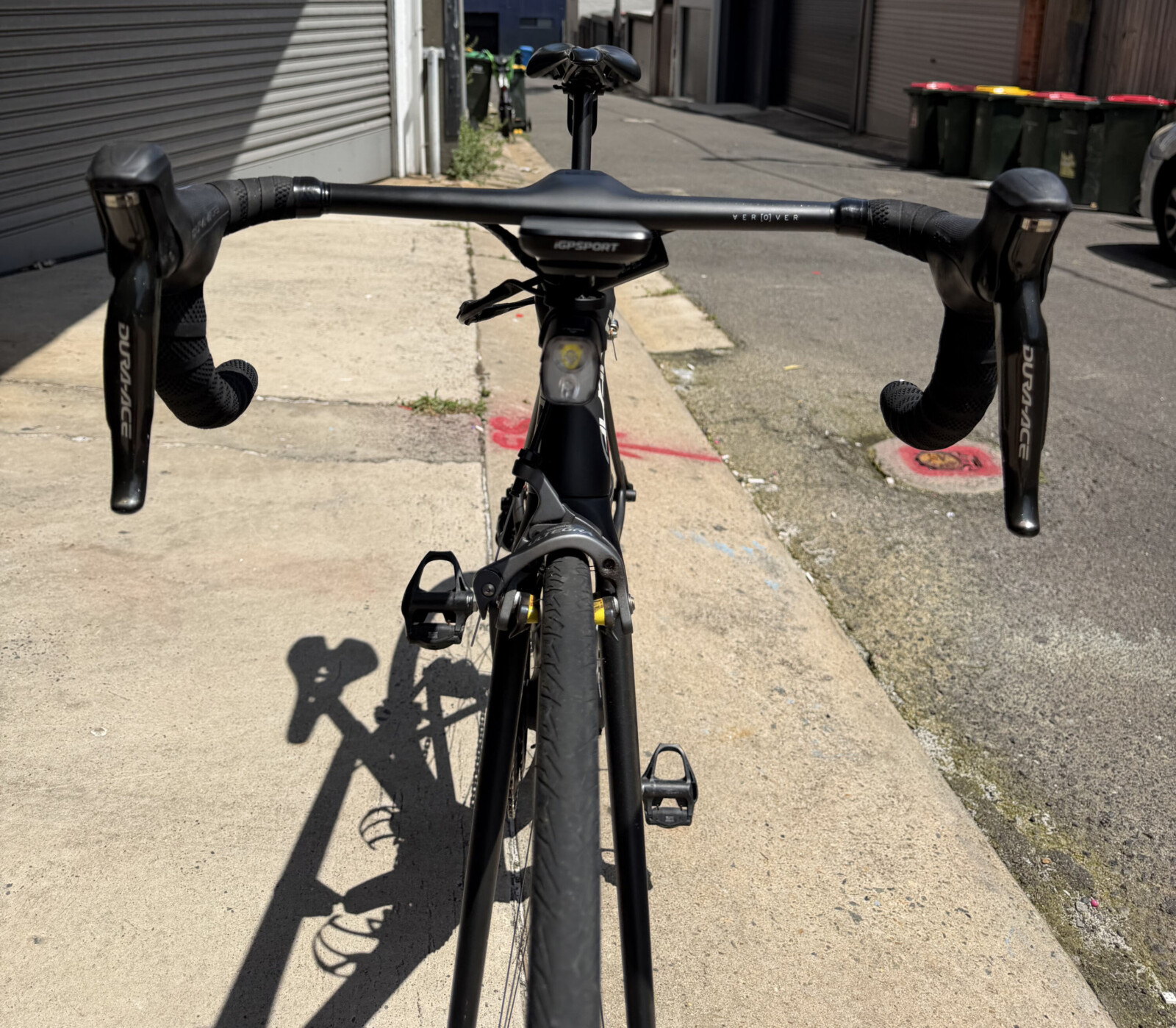
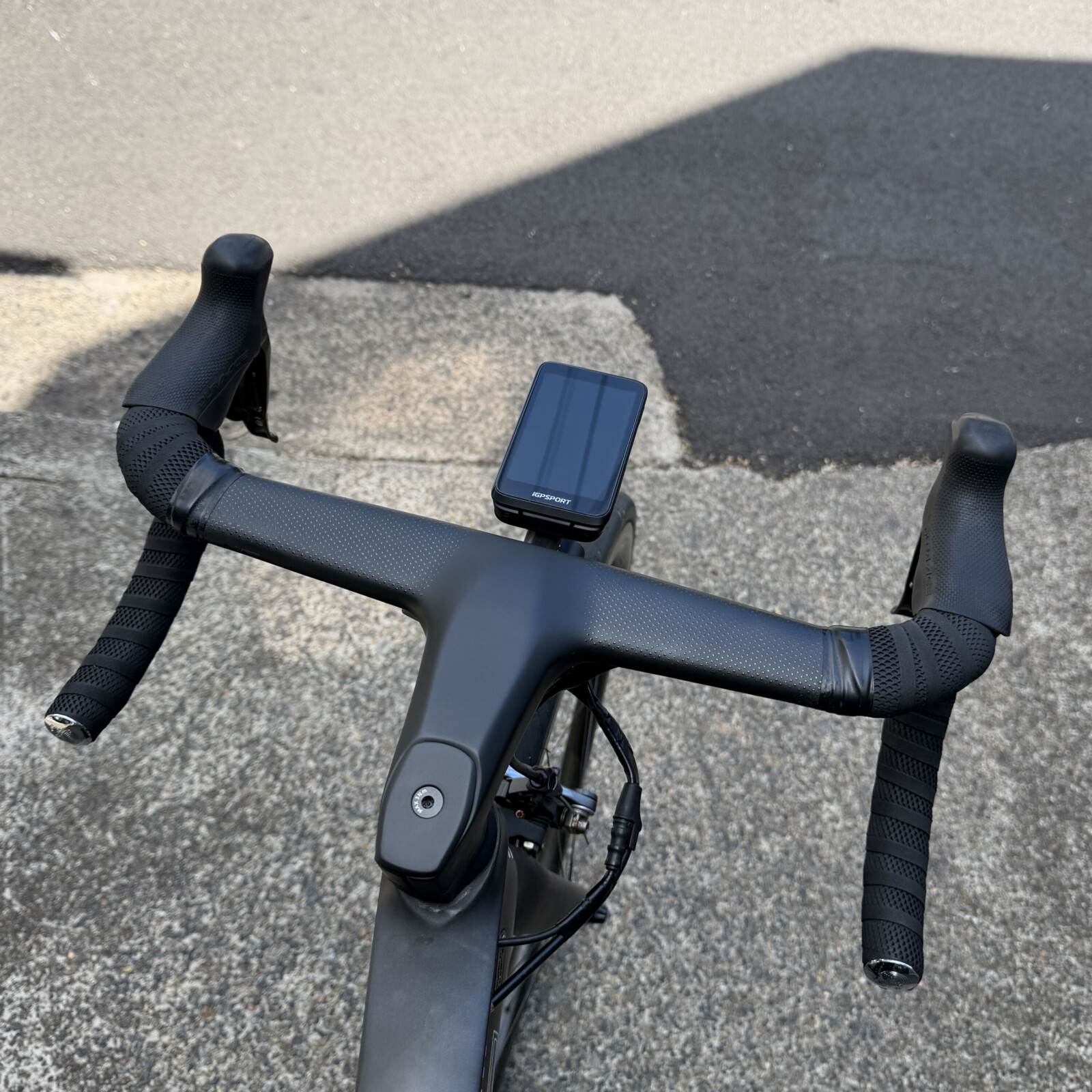
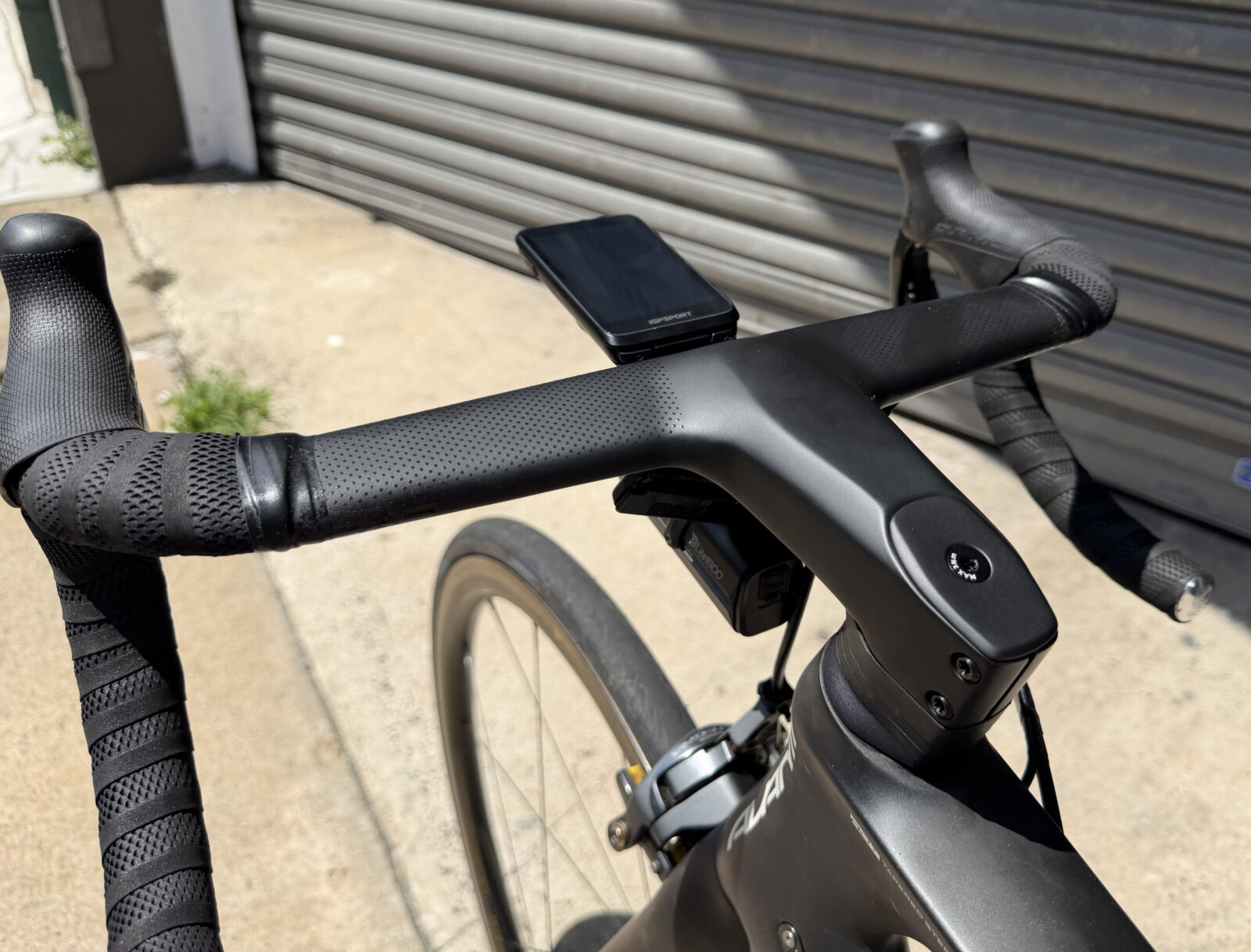
Visually, the Aerover leans toward understated rather than flashy. The design is clean, with no exaggerated tube shapes, and the aero tops flow smoothly into the tapered stem.
Despite the fully integrated construction, the claimed weight sits around 290–310 g depending on size, which is impressively low for a cockpit of this type and lighter than many established options from brands like ENVE, Vision and Black Inc.
Ergonomically, the Aerover feels well thought out. The tops provide a broad, stable platform for climbing and cruising, with small textured dots that improve grip, especially when sweating or riding in the rain.
The 70mm reach feels quite standard, while the hoods sit neatly to create a flat transition from bar to hood.
Drop depth is a moderate 125mm, making the lower position comfortable to use regularly on longer rides. The cockpit uses a typical −10° stem angle, placing riders in a naturally low, race-oriented position without feeling overly aggressive.
On the road
Out on the road, the Aerover feels exactly how a good carbon cockpit should. When sprinting out of the saddle there’s no noticeable flex, and steering input remains precise without feeling twitchy or overly sharp.
Just as importantly, it avoids the harshness that some aero bars can introduce. Road buzz is muted rather than amplified, particularly noticeable on longer rides or rougher sections of tarmac.
Any aerodynamic gains are difficult to quantify outside a wind tunnel, but the slim profile and clean cable integration do give the front end a tidy look.
In day-to-day riding, the bar quickly disappears beneath you. Whether cruising on the tops, climbing seated or pushing the pace in the drops, it feels stable and predictable. That’s ultimately what you want from a cockpit component: confidence, comfort and control without any unnecessary fuss.
The good
- Clean, understated design
- Solid range of handlebar width and stem length options
- Thoughtful internal cable routing
- Balanced ride feel with good stiffness and comfort
- Impressively low weight for an integrated cockpit
The not so good
- More expensive than a separate bar and stem setup
- Proprietary computer mount requires EXS-specific accessories
- No 440 mm width option, which may limit riders who prefer wider handlebars
Verdict
The EXS Aerover Integrated Handlebar manages to thread a difficult needle. It delivers the aerodynamic and aesthetic benefits riders expect from a modern one-piece cockpit, while retaining enough fit flexibility and usability to avoid the usual compromises.
It won’t magically make integrated cockpits mechanic-friendly, but it does show that careful design can reduce some of the pain points.
For riders looking to upgrade to an integrated front end without sacrificing comfort or fit accuracy, the Aerover is a convincing and well-rounded option.
Specifications
Material: Carbon fibre
Weight: Approx. ~310 g (400 mm / 110 mm stem)
Reach: 70 mm
Drop: 125 mm
Steerer Height: 35 mm
Stem Angle: −10°
Clamp Diameter: 31.8 mm (OD2) (adapter available for 28.6 mm)
Width Options: 360, 380, 400, 420 mm
Stem Length Options: 90, 100, 110, 120, 130, 140 mm
Cable Routing: Integrated / internal compatible
Price: AUD$699.99
Find out more here.

Harry Kooros
Harry Kooros - As a former Advertising Manager of Bicycling Australia, Harry is a keen roadie who has stepped up as a contributor to share his riding and product experiences.