
 Mike O'Connor
Australian cycling, and international cycling for that matter, has long relied on a familiar formula: find a title sponsor, build a team around them, and hope the funding lasts long enough to develop the next generation of riders. When the sponsor leaves, the team usually disappears with them.
It’s well known that in recent years many domestic racing opportunities have shrunk as our local scene has contracted, while the cost of racing internationally continues to rise, and the pathway from Australian amateur racing to the European professional peloton is becoming narrower each year.
In response, a new question is emerging: could crowdfunding help sustain Australian pro cycling?
People power
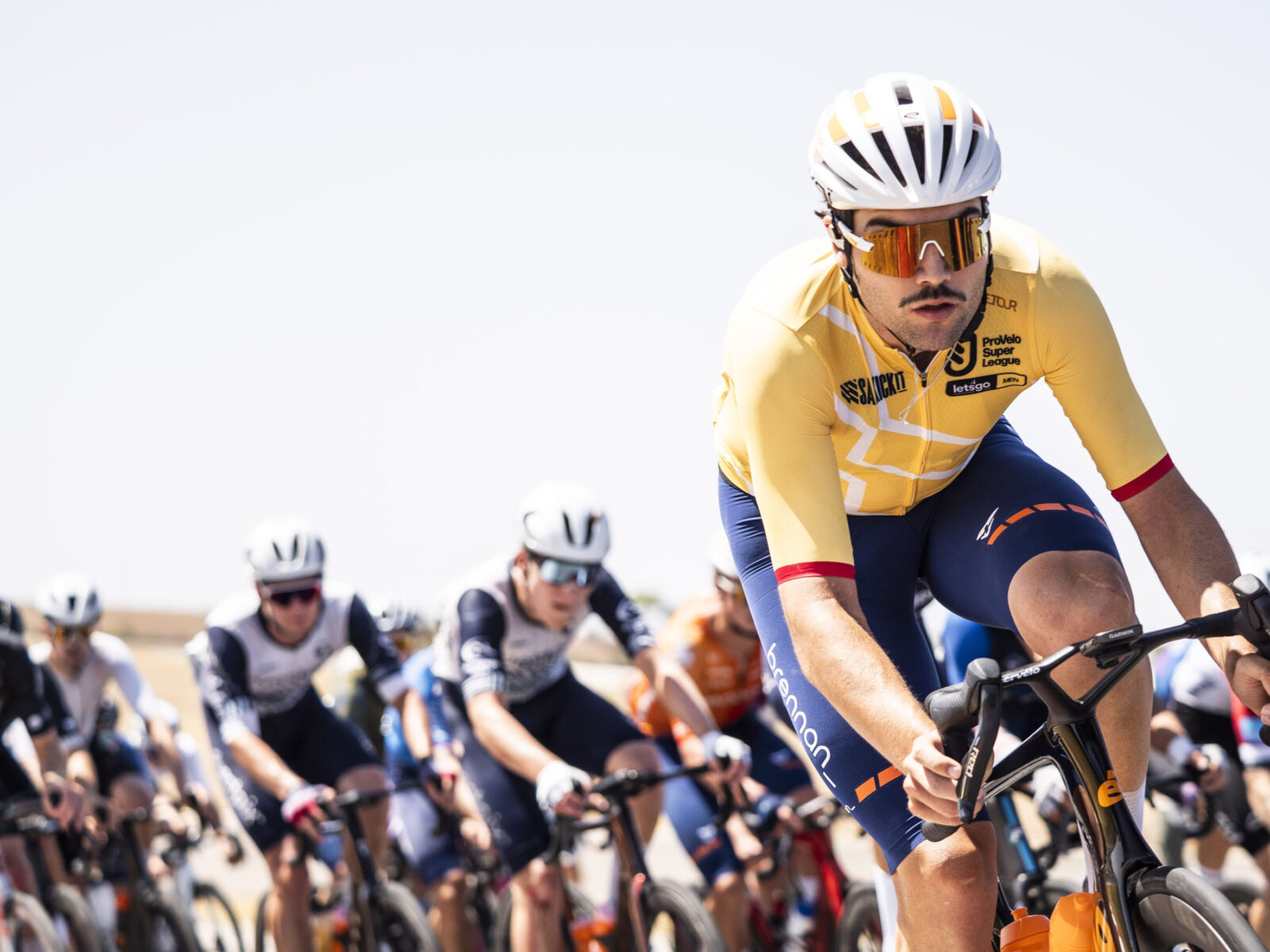
It’s an idea that would have sounded unusual not long ago. Yet the emergence of initiatives like the ProVelo Super League’s recent equity crowdfunding campaign, which aims to raise around $1.5 million by allowing fans to invest in and expand the popular competition, suggests the concept is beginning to gain traction.
Rather than relying solely on corporate sponsors, the league is attempting to involve the broader cycling community as stakeholders in the sport’s future.
In some ways, the concept simply formalises something that has existed for years. Many aspiring Australian riders already rely on community support to chase their professional ambitions.
Fundraising campaigns through organisations such as the Australian Sports Foundation have long helped young cyclists cover the significant costs of travelling to Europe or competing internationally.
For many riders, this community backing is the difference between pursuing a professional career and stepping away from the sport altogether.
Crowdfunding also fits naturally within cycling’s grassroots culture, while offering something traditional sponsorship often struggles to deliver: direct engagement with fans. When supporters feel they have a stake in a team or race series, they are far more likely to follow the competition, attend events and promote it within their own communities.
It’s something that a number of European football clubs have adopted, albeit in a slightly different way. Real Madrid and FC Barcelona for example, are owned by their socios (members) who vote for club presidents and key decisions.
In Germany’s Bundesliga, most clubs are also owned by their members under a 50+1 rule. Club members retain overall control via owning at least 50% + 1 of the club’s shares.
This is different to what’s proposed under the under the ProVelo crowd-sourced funding arrangements, where PSL founders Gerry Ryan AO, Matt Wilson and Aaron Flanagan will remain the majority shareholders and will continue to lead the PSL.
But is it viable?
Where crowdfunding faces its biggest challenge is it can likely never become the primary funding source for professional cycling. The economics simply don’t support it. Running a professional team — particularly at the WorldTour level — costs tens of millions of dollars annually.
Even successful crowdfunding campaigns typically raise only a fraction of that amount and couldn’t realistically replace major sponsorship deals.
But for development teams, domestic race series like the ProVelo league and grassroots programs that often operate on far smaller budgets, where a few hundred thousand dollars can make a meaningful difference, crowdfunding could be the future.
In these areas, community investment could help sustain events and teams that might otherwise disappear.
More broadly, crowdfunding represents a shift in how cycling might approach financial sustainability. Instead of relying almost entirely on a single sponsor, the sport may need to adopt a more diversified model — combining corporate backing, broadcast partnerships, government support and community investment.
Australian cycling, with its passionate but geographically dispersed fanbase, may be particularly well suited to this approach. We’ve consistently produced world-class riders, yet the domestic scene has often struggled to retain the infrastructure needed to support them.
Engaging fans directly in the sport’s financial future could help bridge that gap, which is why ProVelo’s equity campaign will be so interesting to watch.
If the sport wants to secure its future at home, it may need more than just sponsors — it may need its supporters to become stakeholders as well.

Mike O’Connor – A keen cyclist, runner and photographer, Mike O’Connor is the Editor of Bicycling Australia. He manages the BA website and social media, and loves promoting the achievements of Australian cyclists.