
 Mike O'Connor and Nat Bromhead
A decade ago this week, Australian cycling produced one of its most unlikely and memorable triumphs, when Mathew Hayman defied the odds to win Paris–Roubaix.
At 37, and returning from a broken arm just weeks earlier, Hayman outlasted a star-studded field on the brutal cobbles to become only the second Australian to conquer the “Hell of the North,” following Stuart O’Grady’s breakthrough victory in 2007.
In many ways, Hayman’s victory was 16 years in the making. At that point in his career he had ridden Roubaix a remarkable 15 times, a race he described as his favourite on the calendar, and was able to use every hard-earned lesson from those previous attempts to hone his training, race-craft and strategy.
It was also a win built on resilience as much as strength, and ten years on, it still stands as one of Australian sport’s great underdog stories.
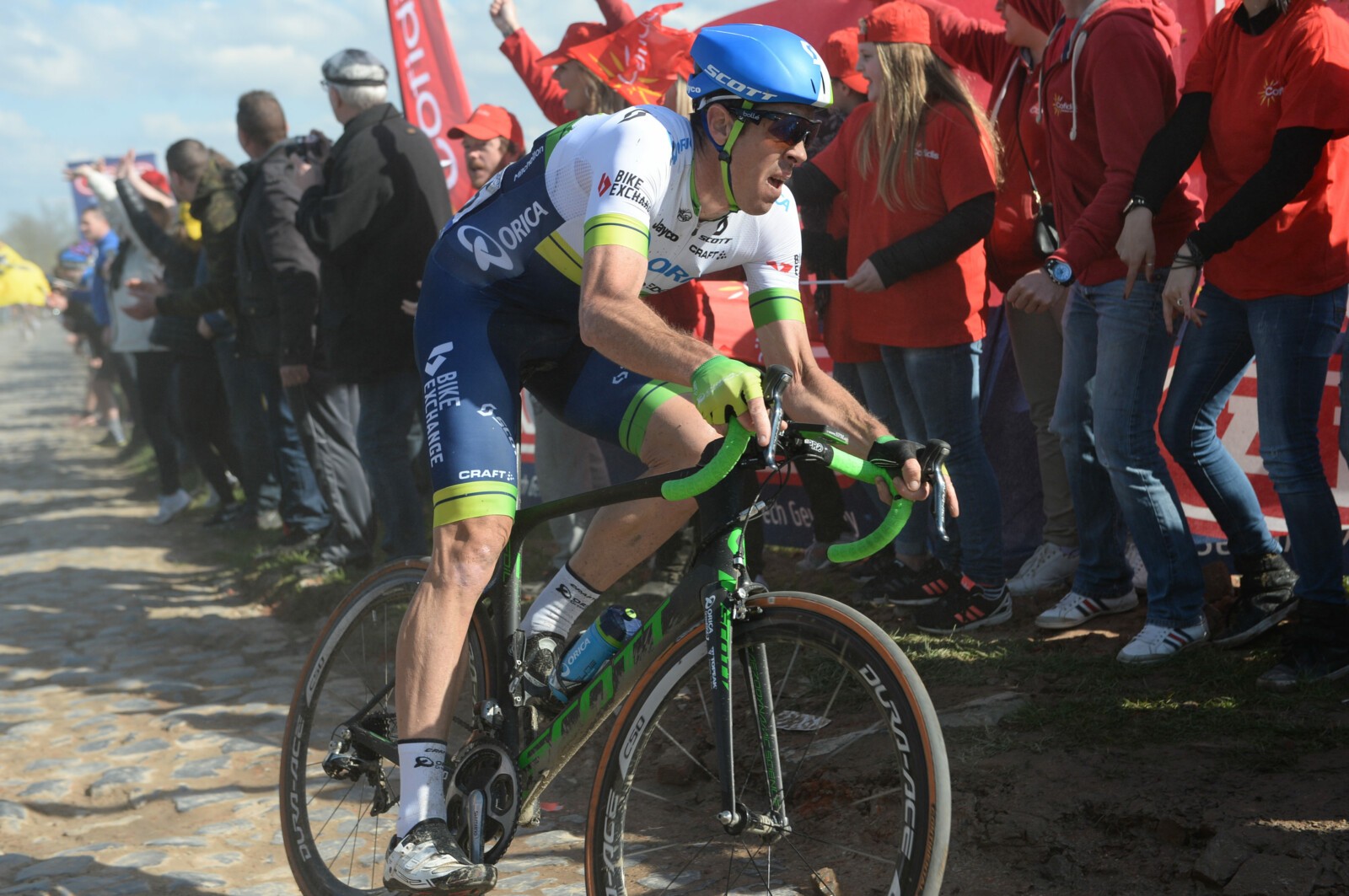
In 2016, the Roubaix covered a gruelling 257km made up of 27 sectors of cobblestones. 198 starters lined up for the 114th event.
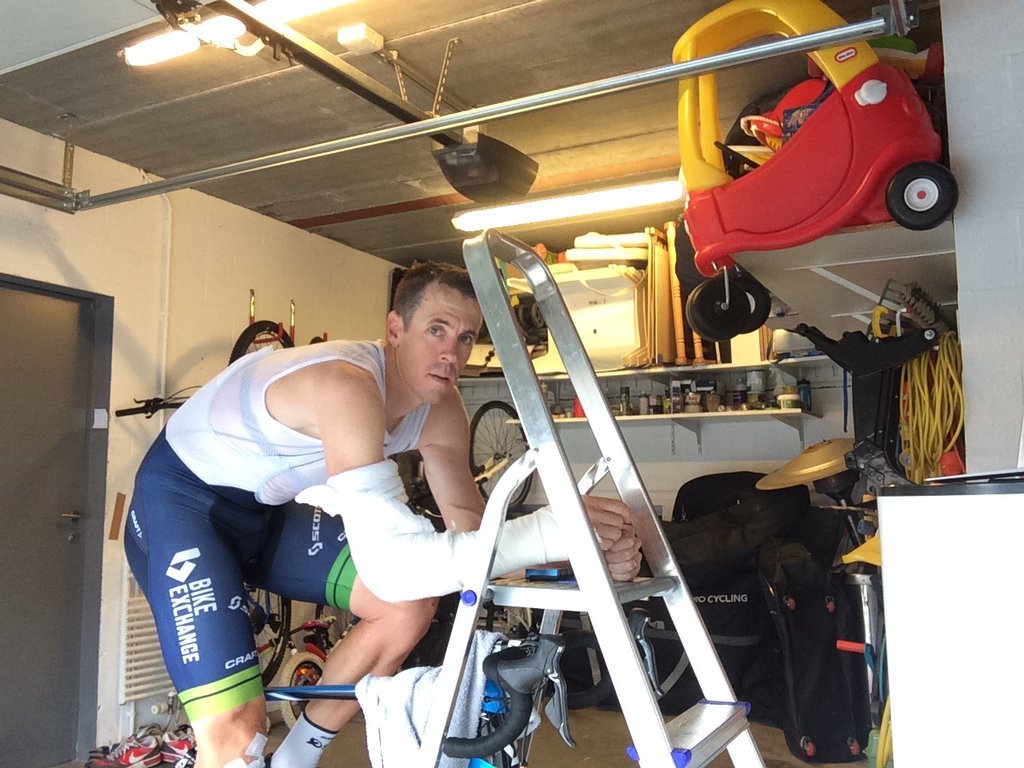
Hayman was far from a favourite in the lead-up. Riding for Orica-BikeExchange, he’d spent the five weeks leading up to the race recovering from a broken arm after a fall at Omloop Het Nieuwsblad– even training on a stationary bike in his garage to maintain his fitness.
“The doctors put it in a cast and said it’s gonna be six weeks off the road,” Hayman recalled in 2020.
“I looked at my phone and I said: ‘Ok, that’s one day before Roubaix…’ The team doctor was also there. ‘That’s not gonna happen’, he basically told me.
Undeterred, and desperate to take part in Roubaix knowing he wouldn’t have many chances left, he devised a unique training programme.
With the assistance of Zwift (still relatively new technology at the time) and his coach Kevin Poulton, Hayman worked on double sessions on most days, and up to three or four on specific occasions on the stationary bike. The aim was just to maintain his fitness.
His choice of bike on the day also only added to the legend. While most of the peloton opted for more forgiving endurance setups to survive the bone-rattling cobbles, Hayman went the other way entirely.
His weapon of choice was an aero-optimised Scott Foil, a machine built for speed rather than comfort.
The bike was fitted with electronic Shimano Dura Ace Di2 and Shimano C50 carbon tubular wheels wrapped in 28mm tyres that only just squeezed between the direct-mount Dura Ace rim brakes.
We’ll duck into Nat Bromhead’s race recap from 2016 to see how the day played out.
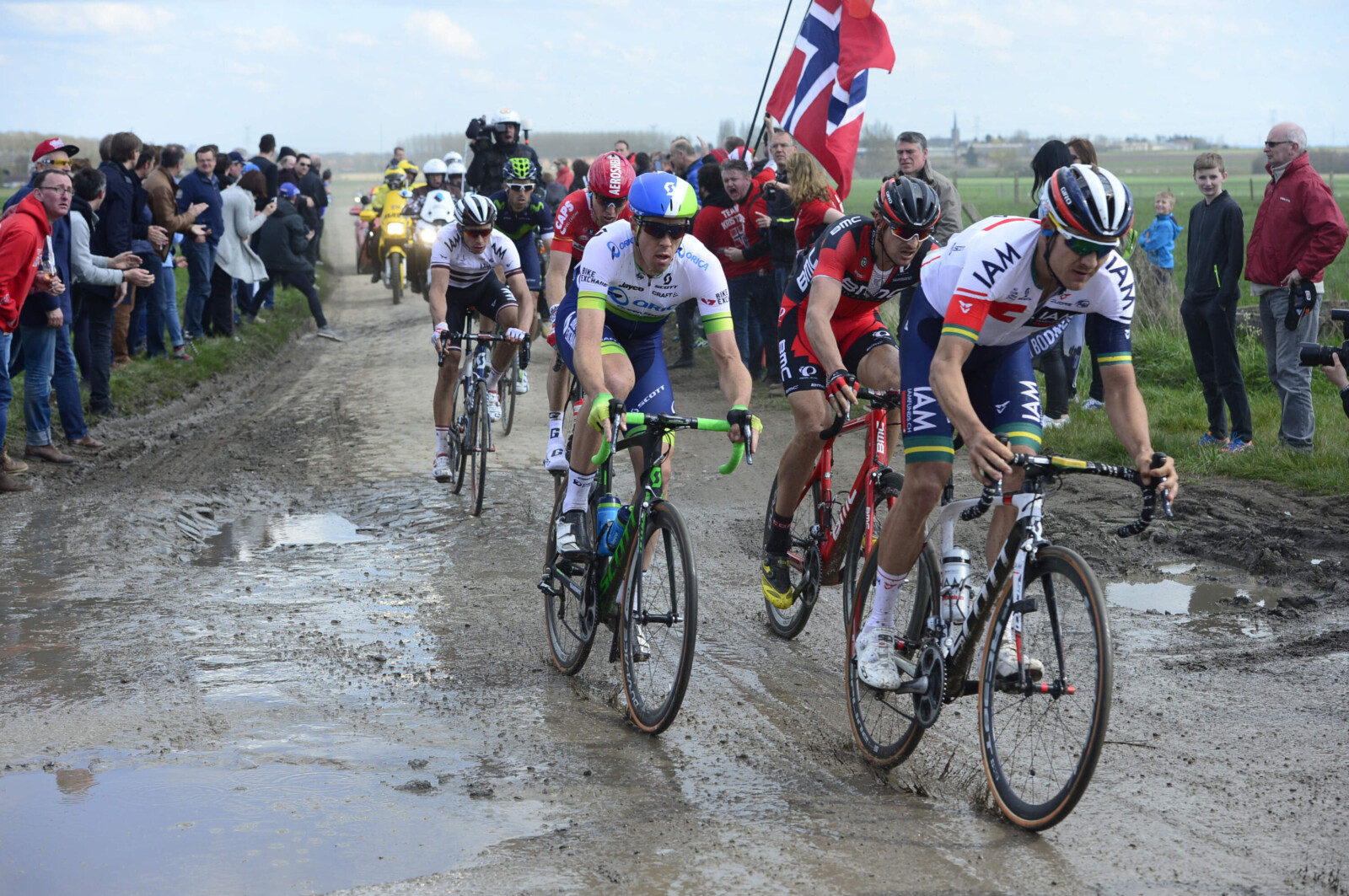
Slippery conditions cause havoc
As often the case, slippery pave wreaked havoc for riders throughout the race as the terrain became treacherous, causing mechanicals and crashes all day long.
Though the predicted wet weather did hold off, rain from the previous evening puddled alongside the road adding to the hazardous conditions.
With a little over 50km to go the front group was blown apart with two key crashes both involving Team Sky riders. Favourites Ian Stannard and Luke Rowe were held up – Rowe failing to dodge his fallen team mate and being spectacularly launched over the bars onto the pavement.
Pre-race favourite Fabian Cancellara and World Champion Peter Sagan were caught in the trailing bunch after a series of crashes put them out of contact with the lead group.
Soon after, Cancellara was making the chase but fell heavily on the cobbles, 46km from the finish at the famous Roubaix Velodrome.
Sagan managed to stay on his bike, displaying the world-class bike handling skills he was known for, before eventually fading.
The final kms
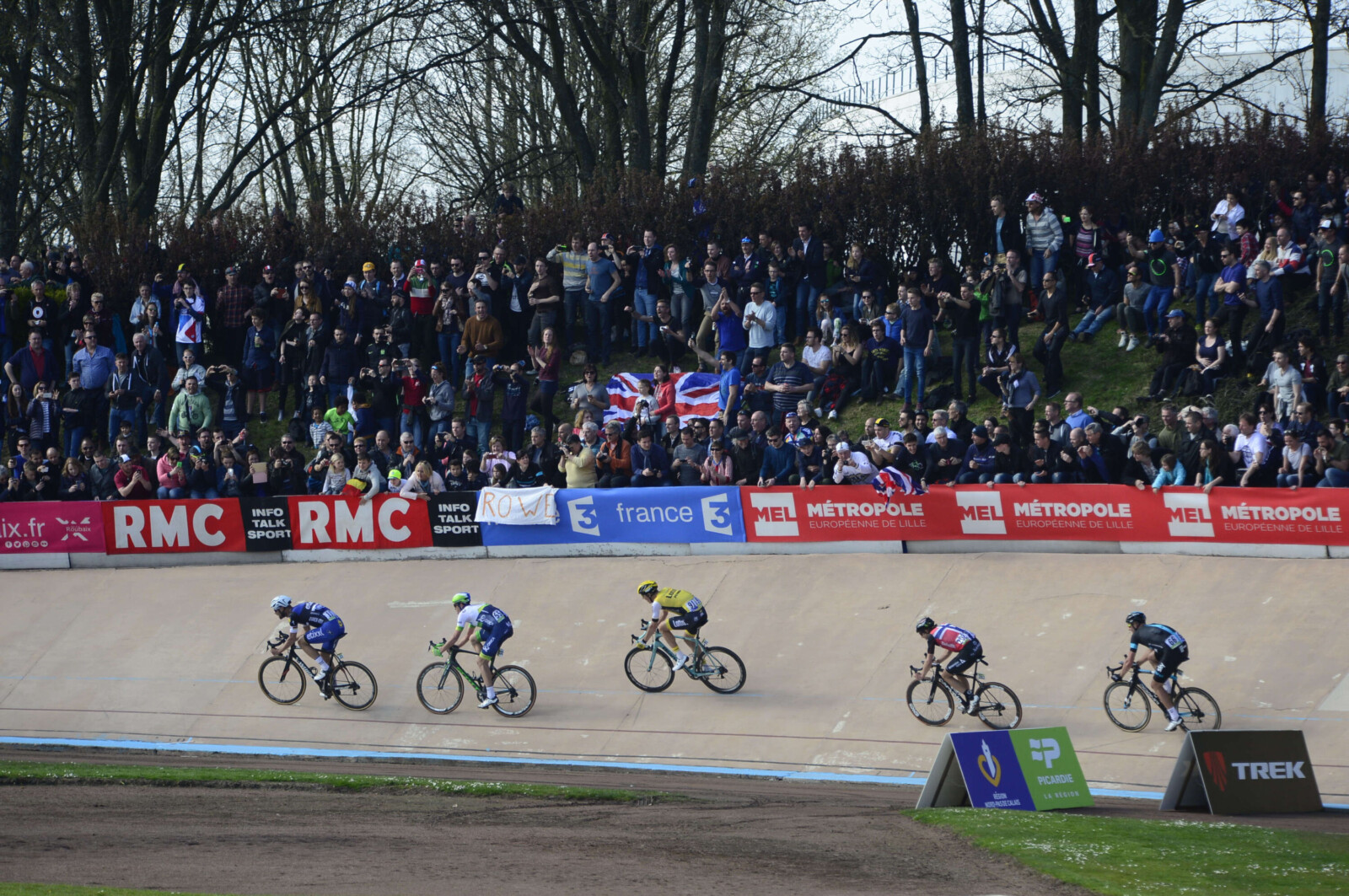
The daylong break eventually whittled down to a final five of the world’s best riders.
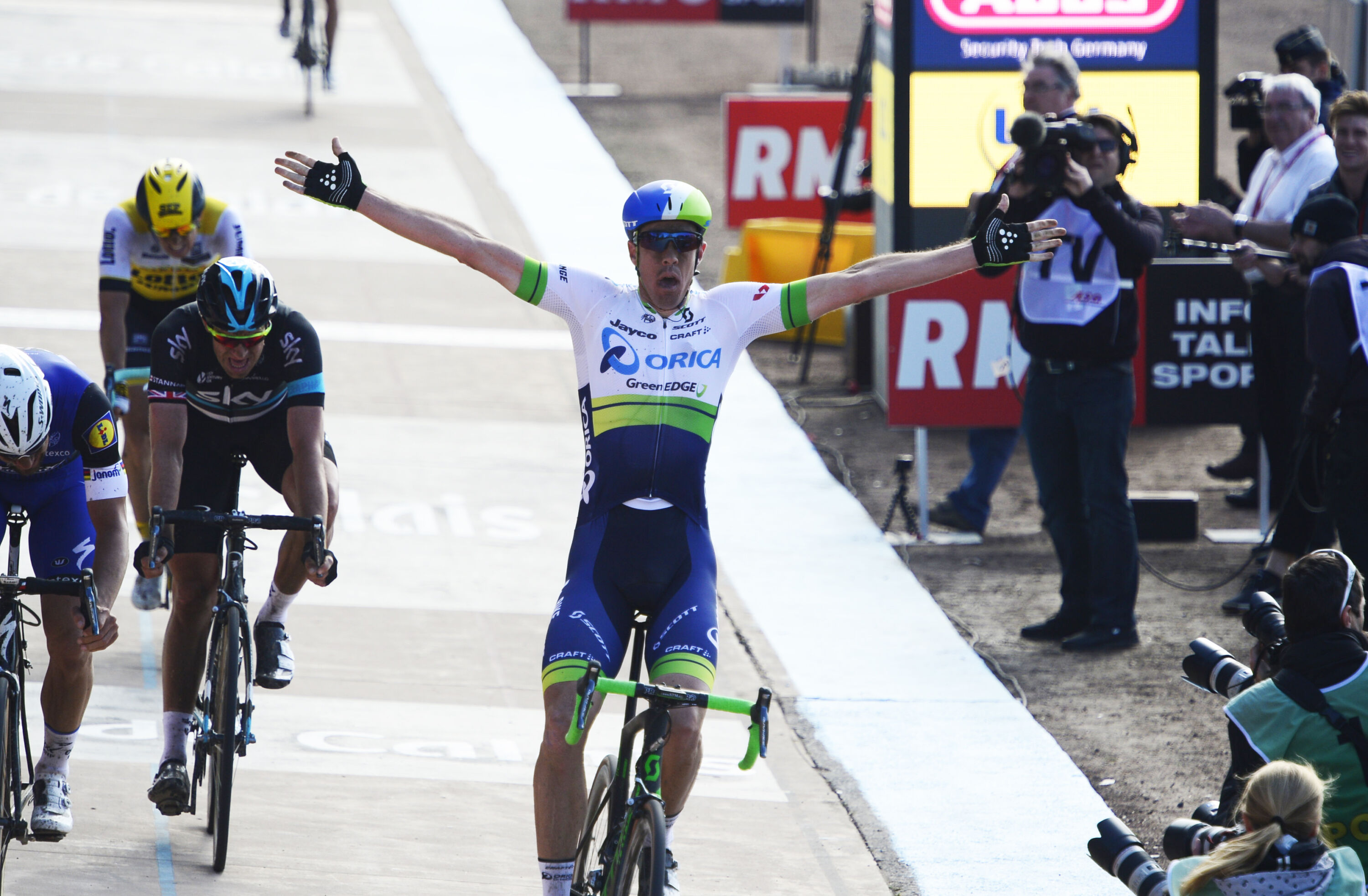
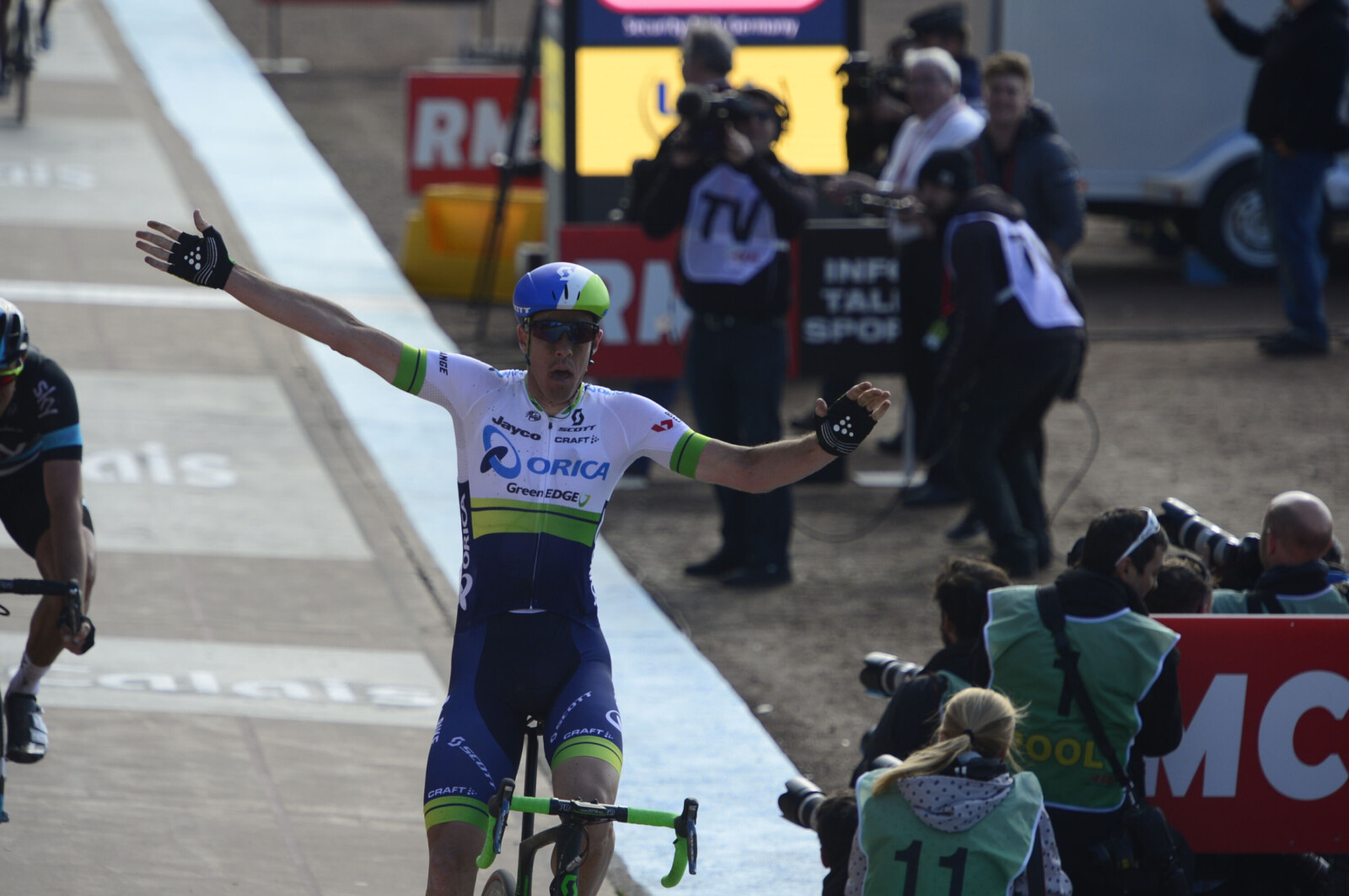
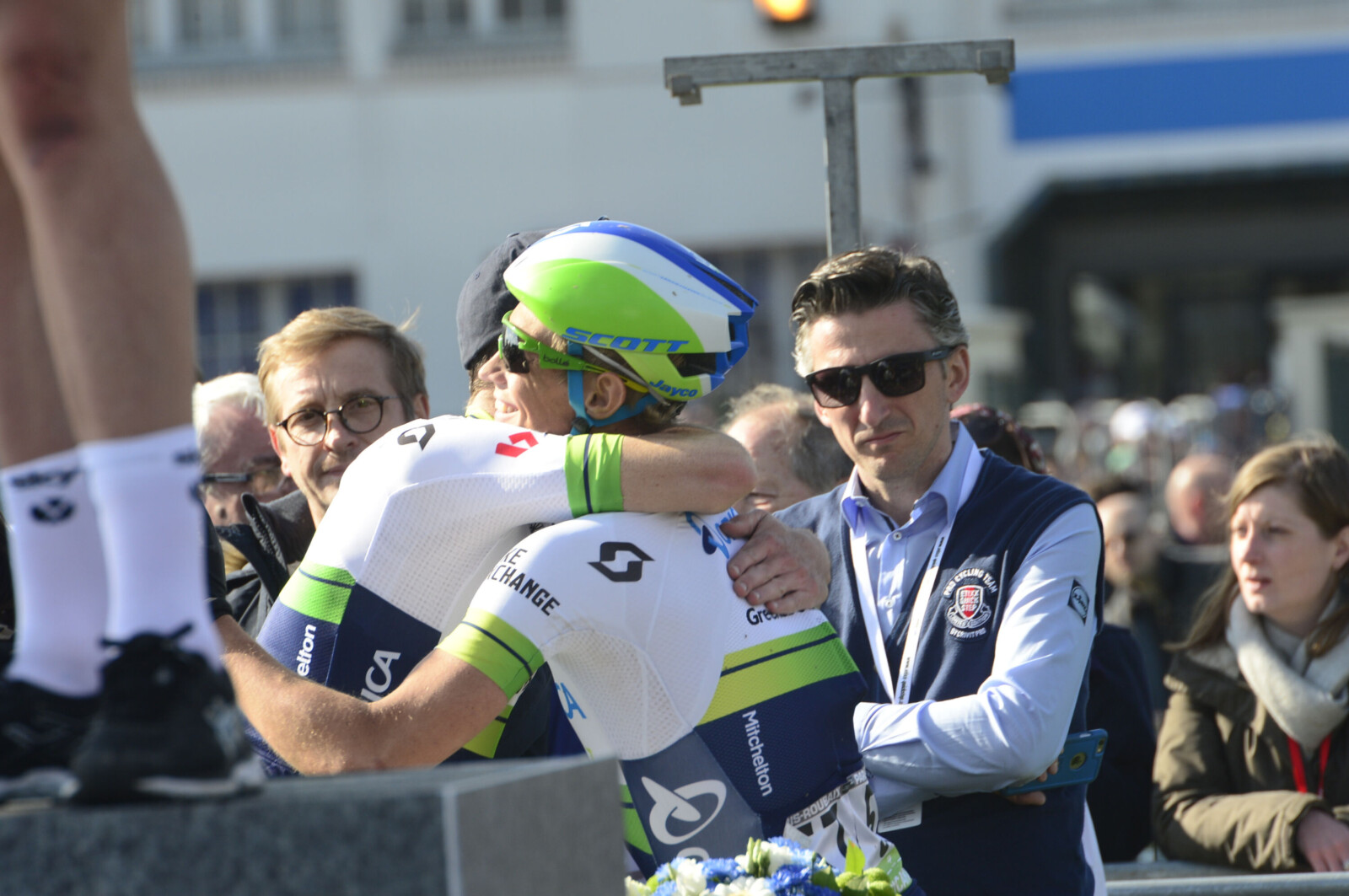
Emerging into the velodrome Hayman, not known for his sprinting prowess, was able to time his sprint to perfection, and hold off four-time Paris-Roubaix winner Tom Boonen to cross the line as victor by a solitary bike length.
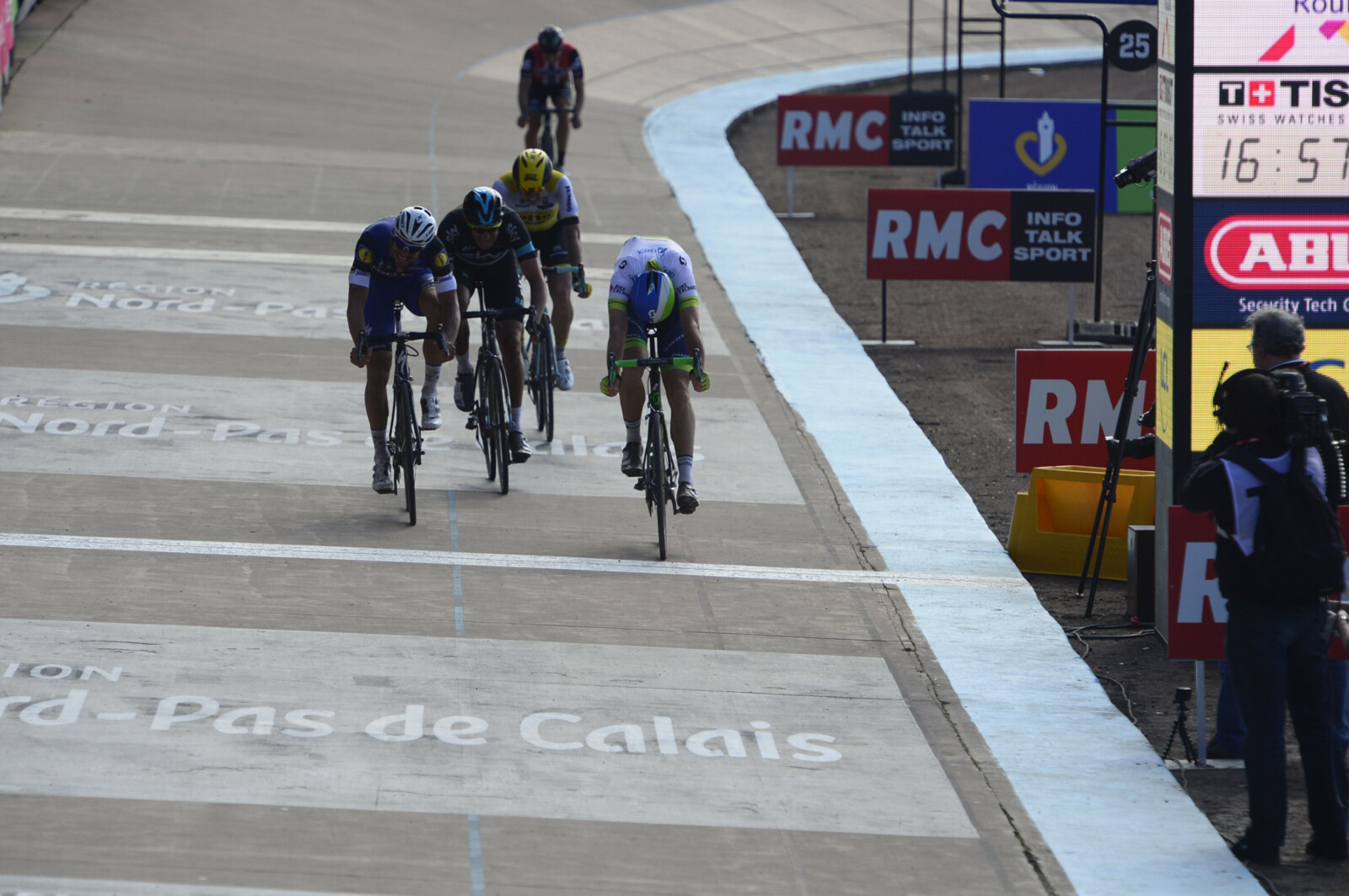
It would have been a fairytale for Boonen to have won, coming back from injury at the end of his career.
Later, Hayman described the Belgian as incredibly graceful in defeat, telling him on the finish line, “You deserve it, man.”
On the day though, it was all about the Australian.
“All that I can remember is coming off that last bend and still being in front and just giving it everything I had and watching that wheel beside me – and it wasn’t coming… Just that crossing the line and thinking, ‘Now I have to throw the hands up. I have to do something,'” he said.
Speaking to Rouleur in 2022, Hayman described the big memory from Roubaix was seeing his family at the finish line.
“They were pretty red-eyed and emotional, that’s where it sunk in a bit. You don’t know how happy other people can be for you.
I could probably have got through life without winning Paris-Roubaix. But seeing their tears of joy, they felt I got something I deserved.”
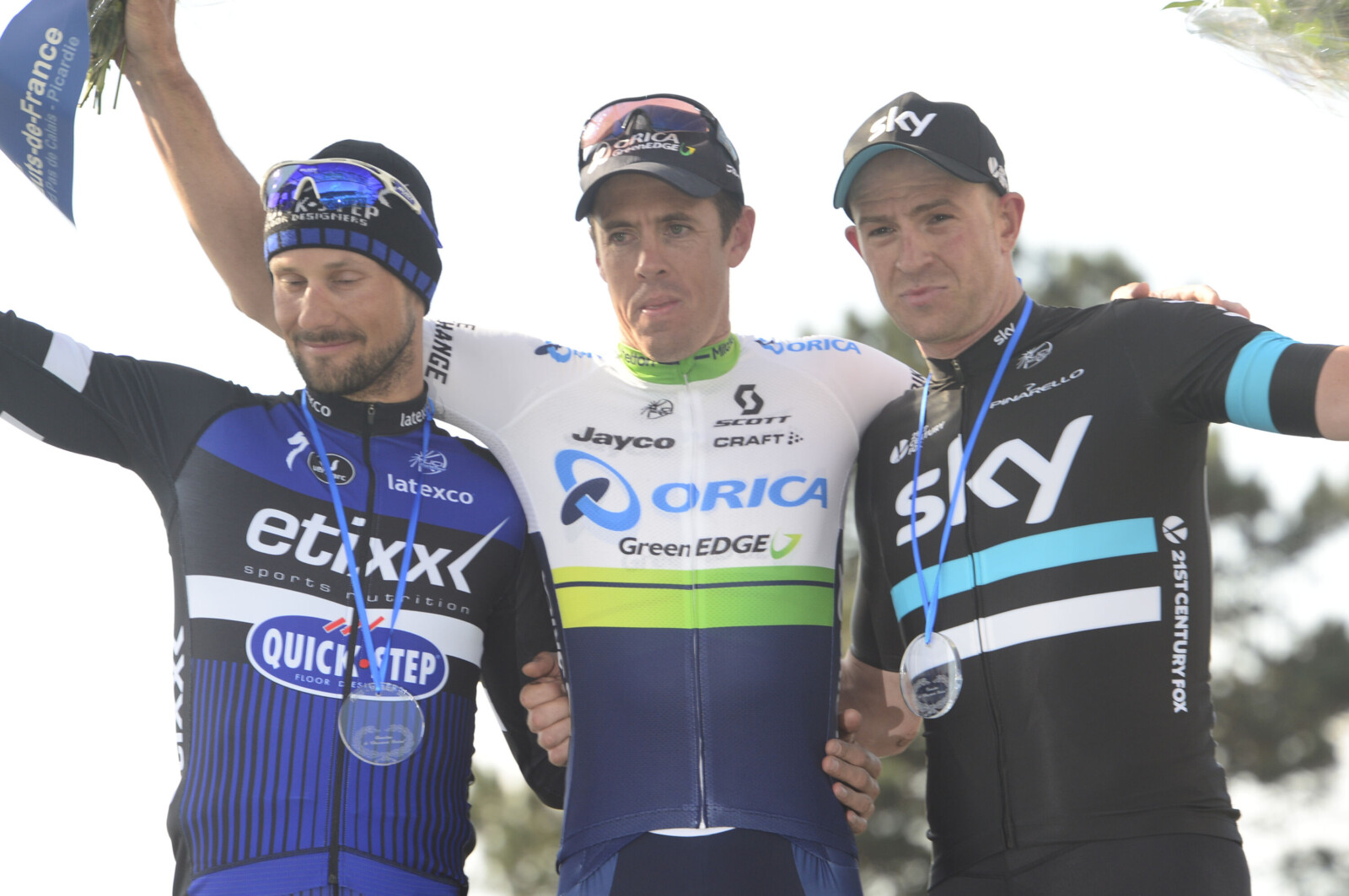
As if his year couldn’t get any better, in November that year Hayman was crowned Australian Cyclist of the Year.
He was awarded the prestigious Sir Hubert ‘Oppy’ Opperman Medal & Trophy and the gong for the Subaru People’s Choice Award.
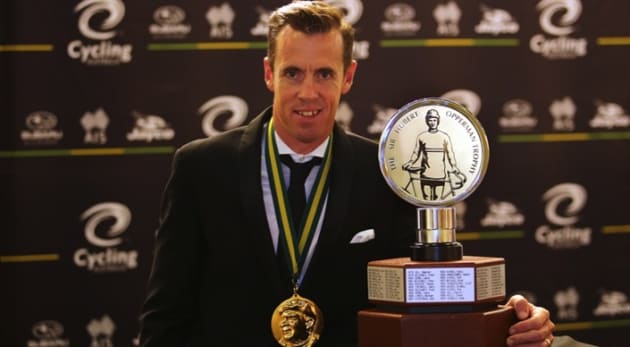
Describing himself as an Aussie battler, Hayman said “The Oppy award is recognition from Australia that you are among the very elite.”
“It caps off a year of firsts for me and it is a privilege to be among the past winners,” he added.
Hayman’s remarkable victory at Paris-Roubaix proved that experience, race craft and sheer toughness could be enough on the day — even on one of the most punishing courses in cycling.
Mike O’Connor – A keen cyclist, runner and photographer, Mike O’Connor is the Editor of Bicycling Australia. He manages the BA website and social media, and loves promoting the achievements of Australian cyclists.