
 Peter Maniaty
European winter, be gone. The Spring Classics are nearly here, the time of year when legends are made, and egos are often broken. It’s cold. It’s wet. It’s dramatic. It’s noisy. It’s fantastic—especially from the warm and dry comfort of our Australian lounge rooms.
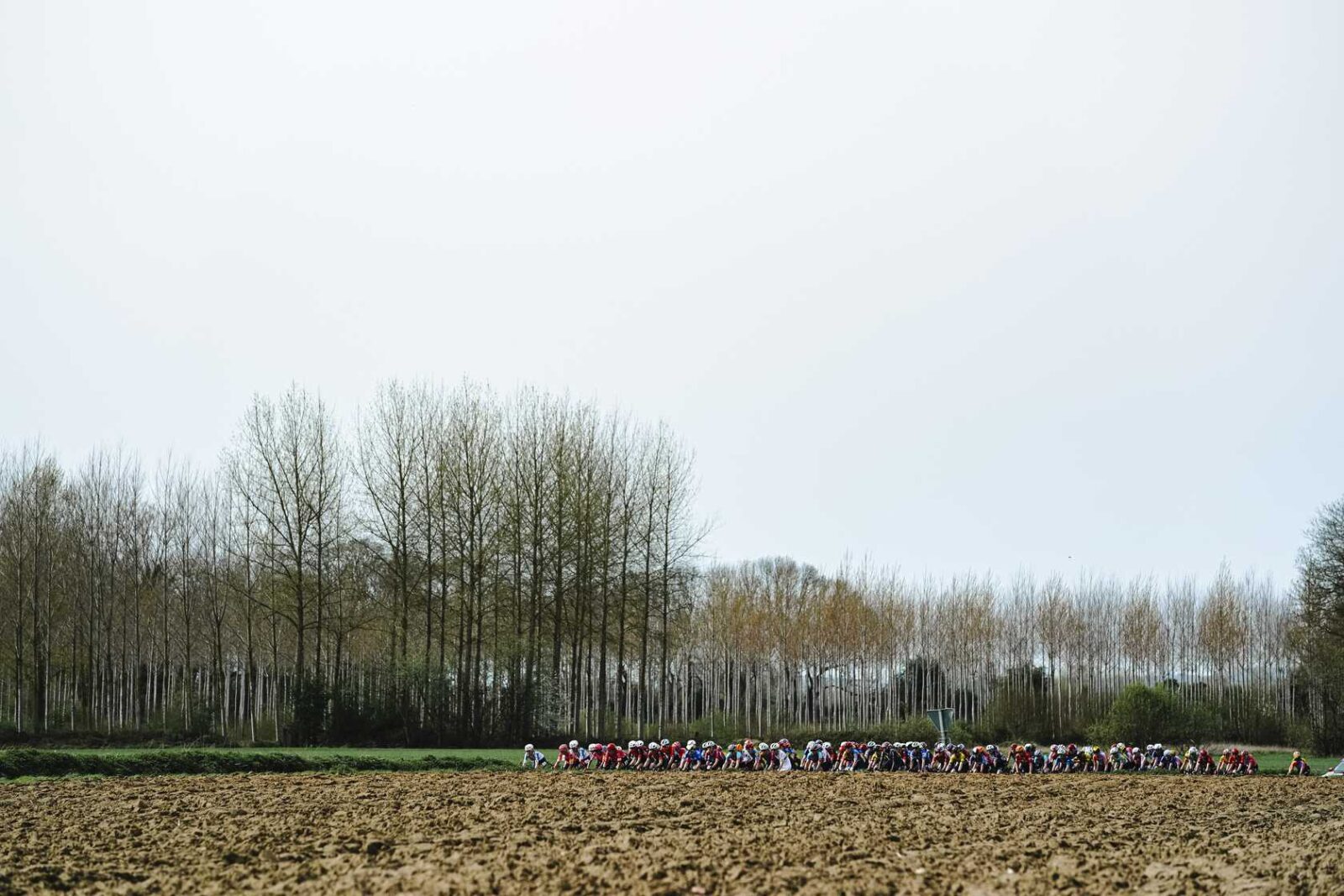
Pro cycling’s one-day season officially kicks off with Opening Weekend on February 28 and March 1 and draws to a close eight weeks later with Liege-Bastogne-Liege on 26 April, less than two weeks from the start of the 2026 Giro d’Italia in Bulgaria. In between is the annual cavalcade of brutal one-day races held across Belgium, Italy, northern France and the Netherlands. With nowhere to hide, it’s the time of year when only the toughest and boldest riders survive.
Cycling’s biggest names like Van der Poel, Pogačar, Kopecky, Pieterse, Vollering, Weibes, Pidcock, Ferrand-Prévot, Evenepoel, Reusser and Van Aert can again be expected to secure many of the Spring spoils. Others to watch include a resurgent Biniam Girmay and emerging stars like British Matthew Brennan, France’s Paul Magnier, Portugal’s Antonio Morgado and potentially Mexican champion Isaac De Toro if and when Pogačar chooses to stay at home. 2026 also shapes up as a career-defining Spring for 23-year-old Arnaud De Lie, who, for several seasons, has seemed destined to assume the mantle as Belgium’s next great Classics rider—without quite delivering on the biggest stages as yet. There are sure to be other contenders, too. But who? And when?
Opening Weekend
The pro racing calendar has started in January for years now. But tradition still celebrates ‘Opening Weekend’ as the official beginning of the European racing season. As always, Omloop Het Nieuwsblad is first up, followed a day later by Kuurne-Brussel-Kuurne.
Omloop Het Nieuwsblad, Saturday 28 February, Belgium (Men’s & Women’s)
A lumpy cobbled classic named after a Flemish newspaper, this has been the traditional season opener since 1945. Frequently, the Flanders weather is just as testing as the parcours, making it a race for hardened all-rounders. The women’s race was first held in 2006, and Australia’s Tiffany Cromwell won in 2013.
Kuurne-Brussel-Kuurne, Sunday 1 March, Belgium (Men’s)
Held the day after the Omloop, this is more of a sprinter’s classic. Australia’s Chris Sutton won back in 2011 for Team Sky, while Jasper Philipsen is the reigning champion from 2025.
The Monuments
If Opening Weekend is the season’s entree, these iconic one-day races are the main course. Four of cycling’s five storied ‘Monuments’ happen in the European spring and typically attract the cream of pro cycling’s crop. The stakes are high for teams, riders and sponsors alike with a win—or even a podium—often more than enough for most riders to declare they’ve had a successful season.
Milan-San Remo, Saturday 21 March 2025, Italy (Men’s & Women’s)
With a race distance of almost 300 kilometres, Milan-San Remo is the longest single-day classic in pro cycling and the first Monument of the season. First held in 1907, ‘La Primavera’ takes riders south from the fringes of Milan to the Mediterranean coastline before a frequently dramatic finale in San Remo. Given its epic length and relatively kind topography, the opening hours of the race tend to be uneventful. However, the race typically explodes to life in the final 50 kilometres, thanks to the punchy climbs of the Cipressa and Poggio, followed by a fast, technical descent into the finish. Australians have performed well here, with Matt Goss winning in 2011 and Simon Gerrans in 2012. Caleb Ewan finished second twice, while Michael Matthews has finished in the top five on five occasions, including second in 2024. This is one of the few major races Tadej Pogačar is yet to win—and he wants it, badly.
Tour of Flanders, 5 April, Belgium (Men’s & Women’s)
Arguably the biggest day of the year in Belgium, the ‘Ronde van Vlaanderen’ is the first of the season’s cobbled Monuments and dates back to 1913. Famed for its huge crowds, brutal cobbled bergs and unrelenting Flanders weather, this is a day for the hardest of riders. No Australian rider has won here—in fact, no Aussie has even made the podium, male or female—and it would be a massive surprise if that were to change in 2026.
Paris-Roubaix, Sunday 12 April, northern France (Men’s & Women’s)
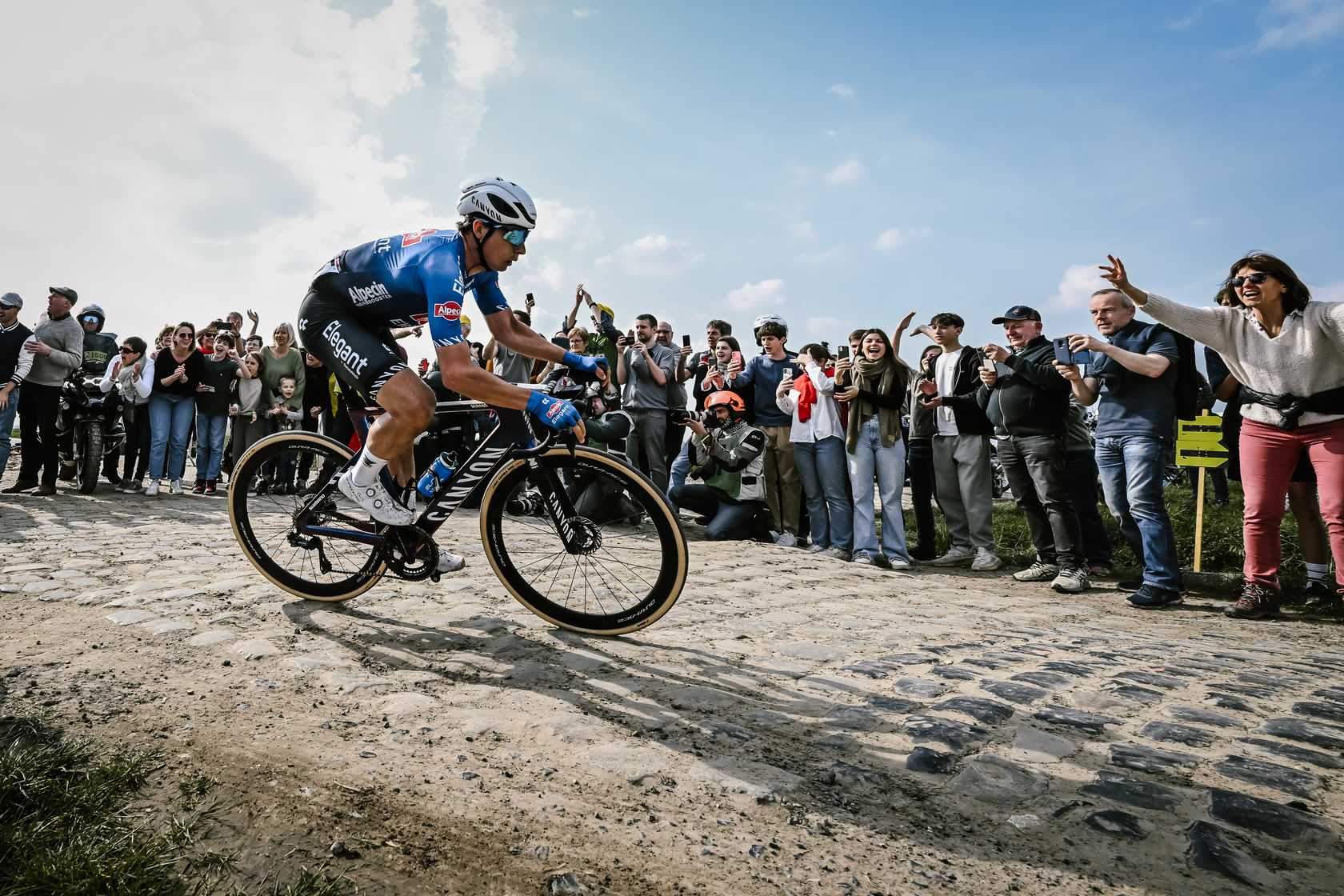
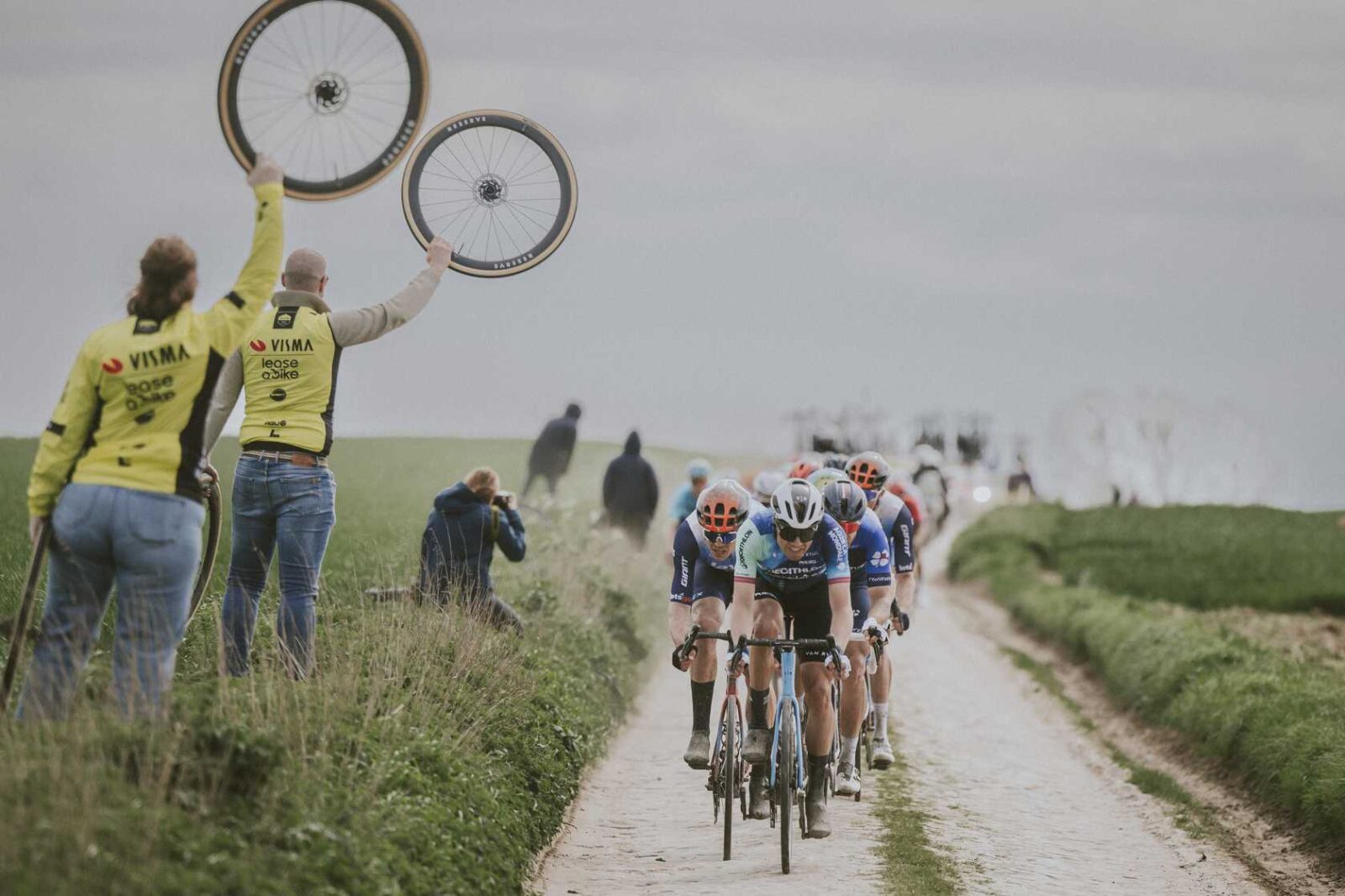
The most iconic one-day classic of them all. First held in 1896, the Hell of the North begins in Compiègne to the north of Paris and covers a largely flat and winding passage to the finish on the historic open-air velodrome at Roubaix. The complication, of course, comes from the ancient and unrelenting cobbles, which typically begin after around 100 kilometres of racing. While the exact number of sectors varies from year to year, the cobbles usually account for 50-60 kilometres of the race and present one of the most brutal challenges in all of pro cycling, wet or dry, where luck can be almost as important as skill. In 2007, Stuart O’Grady tamed the pavé to claim Australia’s first-ever victory in Roubaix, while Matt Hayman completed a remarkable injury comeback to complete a massive upset in 2016. The first Paris-Roubaix Femmes took place in 2021.
Liege-Bastogne-Liege, Sunday 26 April, Belgium (Men’s & Women’s)
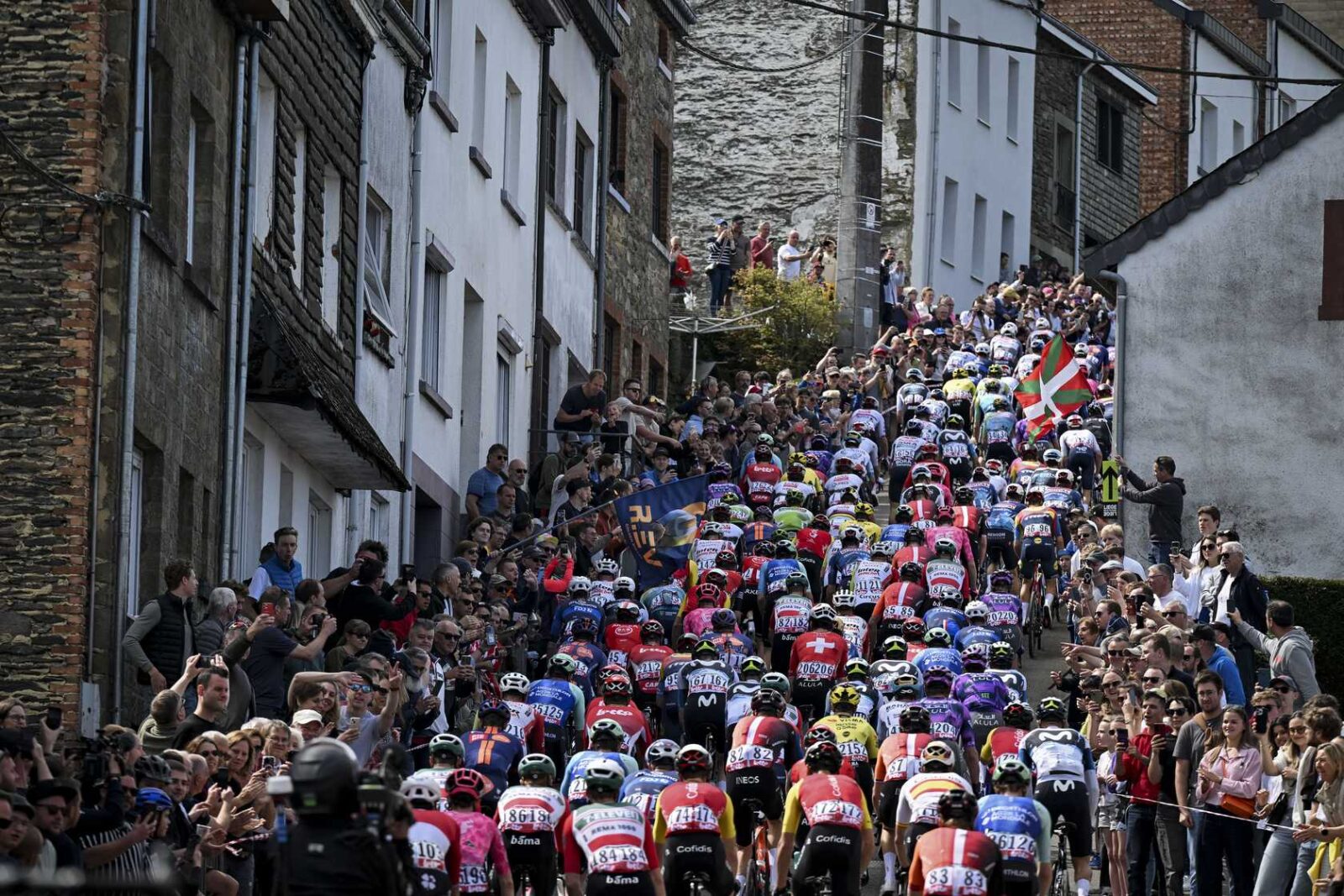
‘La Doyenne’ is one of the world’s oldest bike races and was first held way back in 1892. The race takes place in the hilly Ardennes region of southern Belgium and is always based on a loop between the two iconic cities. Riders face a series of steep climbs along the way—the most famous being the Côte de la Redoute (1.6km, 10% av. gradient)—making this a race for all-rounders with good climbing legs and often the target of cycling’s top GC riders. Simon Gerrans took Australia’s first victory in 2014 when he out-sprinted Alexandro Valverde, while 2024 saw Grace Brown claim an iconic win here in her final pro season.
The Big Classics
Strade Bianchi, Saturday 7 March, Tuscany, Italy (Men’s & Women’s)
It’s hard to believe Strade Bianchi is still less than two decades old. Held over a winding mix of white gravel and paved country roads, and inspired by the success of the L’Eroica Strade Bianchi retro sportive, it reaches an almost divine finale in the historic town centre of beautiful Sienna and is a photographer’s dream. First held in 2007, the race has quickly become one of the most spectacular and dramatic days on the European classics calendar, with many calling for its elevation as a sixth Monument. The Strade Bianchi Donne was first held in 2015.
Gent-Wevelgem, 29 March, Belgium (Men’s & Women’s)
Traditionally coming one week before the Tour of Flanders, Gent-Wevelgem attracts the world’s toughest one-day riders looking for a final tune-up ahead of the Ronde and, for many, Paris-Roubaix a week later. It’s known as a classic for the sprinters despite taking in a double dose of the famous Kemmelberg (1.2km, 6.8% av, the highest point in West Flanders). In another curiosity, the race hasn’t actually started in Gent since 2002 and 2026 will see the riders roll out from the coastal town of Middelkerke. The women’s race has also been held on the same day since 2012. No Australian has won here, male or female.
Amstel Gold Race, 19 April, Netherlands (Men’s & Women’s)
It may not be an official Monument, but the Amstel Gold Race—yes, it’s named after the beer—is still one of the most prestigious Spring classics. Unlike much of the Netherlands, which is flat, Amstel takes place around the narrow, hilly lanes of Limburg. Punctuated with short, sharp climbs, the constantly twisting route makes for hard and unpredictable racing where rider smarts, and a bit of luck, can be just as important as good legs. Australians have done well here over the years, headlined by Phil Anderson’s historic solo victory back in 1984—the first major classics win by any Australian rider. Michael Matthews has finished in the top 10 on multiple occasions, and Simon Clarke came second in a stunning finale to the 2019 race behind Dutch hero Mathieu Van der Poel.
La Flèche Wallonne, 22 April, Belgian Ardennes (Men’s & Women’s)
Typically held mid-week ahead of Liege-Bastogne-Liege, the ‘Walloon Arrow’ is the first of the two major Ardennes classics. Held since 1936, it features one of professional cycling’s most iconic hilltop finishes on the feared Mur de Huy with maximum gradients of close to 20%. Cadel Evans won here in 2010, while Anna Millward (2001) and Oenone Wood (2005) have both finished second in the women’s race.
Aussies to watch
While Belgians, Italians and Dutch riders carry most of the expectations during the European Spring—along with a skinny Slovenian bloke in more recent times—Aussies have a proud record of surprising with strong results across many of the men’s and women’s races. In the men’s Classics, a hardened veteran like Luke Durbridge can never be underestimated if the moons align (just ask Matt Hayman). Power riders like Kaden Groves and Sam Welsford could also pop up at some stage of the Spring. While some races, like Milan-San Remo and Amstel, expect Michael Matthews to once again be in the mix. Shifting to the Ardennes Classics, riders like Jai Hindley, Michael Storer and Ben O’Connor are certainly not without hope, however their race schedules may see them absent as GC ambitions take priority. In the women’s peloton, the 2025 retirement of Grace Brown has left a major Classics hole in Australia’s firepower; however, riders like Ruby Roseman-Gannon, Neve Bradbury, Felicity Wilson-Haffenden, and Sarah Gigante (particularly in the hillier races like Liege-Bastogne-Liege) all have the ability to feature at the sharp end of proceedings. Meanwhile, if 38-year-old Amanda Spratt can rise to the top for a swan song victory in her final WorldTour season, there won’t be a dry eye in the house.
Australia Spring Monuments Honour Roll
Milan-San Remo
Matthew Goss (2011)
Simon Gerrans (2012)
Tour of Flanders
No winners
Paris-Roubaix
Stuart O’Grady (2007)
Matthew Hayman (2016)
Leige-Bastogne-Liege
Simon Gerrans (2014)
Grace Brown (2024)
Spring Classics Schedule 2026
| Omloop Het Nieuwsblad (Men & Women) | 28 February 2026 | Belgium |
| Kuurne-Brussel-Kuurne 2026 (Men) | 1 March 2026 | Belgium |
| Strade Bianche (Men & Women) | 7 March 2026 | Italy |
| Milano-Torino (Men) | 18 March 2026 | Italy |
| Milan-San Remo (Men & Women) | 21 March 2026 | Italy |
| E3 Saxo Classic (Men) | 27 March 2026 | Belgium |
| Gent-Wevelgem (Men & Women) | 29 March 2026 | Belgium |
| Dwars door Vlaanderen (Men & Women) | 1 April 2026 | Belgium |
| Tour of Flanders (Men & Women) | 5 April 2026 | Belgium |
| Scheldeprijs (Men & Women) | 8 April 2026 | Netherlands/Belgium |
| Paris-Roubaix (Men & Women) | 12 April 2026 | France |
| Brabantse Pijl (Men & Women) | 17 April 2026 | Belgium |
| Amstel Gold Race (Men & Women) | 19 April 2026 | Netherlands |
| La Flèche Wallonne (Men & Women) | 22 April 2026 | Belgium |
| Liège-Bastogne-Liège (Men & Women) | 26 April 2026 | Belgium |
Image credits: ASO
Peter Maniaty
Peter Maniaty - Peter is Bicycling Australia’s senior journalist, and highly respected in the world of cycling. From bike reviews, to destination features and nitty gritty opinion pieces, he’s a gun writer.