
 Mike O'Connor
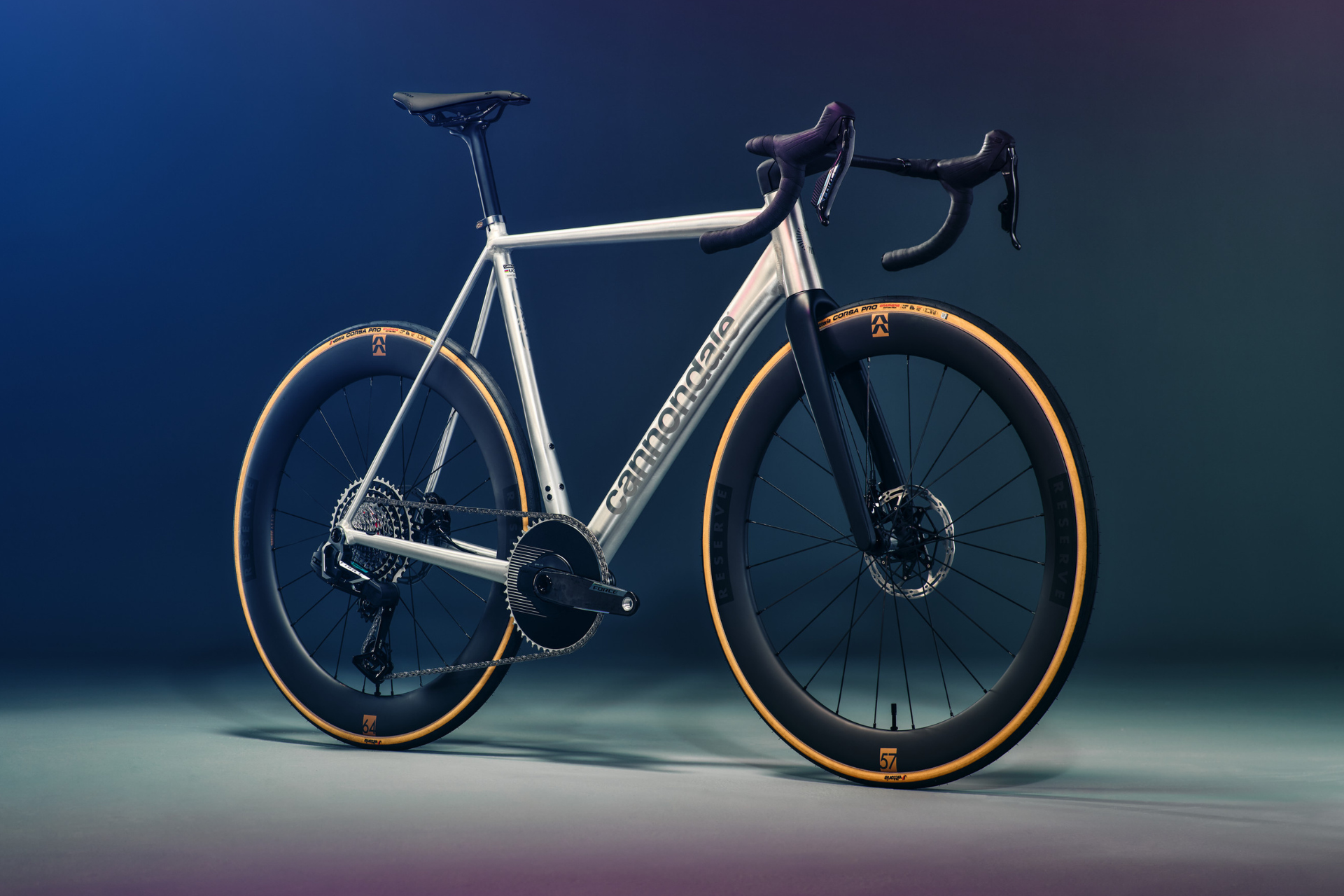
Cannondale has unveiled the new CAAD14 aluminium road bike, marking a deliberate return to the race-focused DNA that made its CAAD line a favourite among riders seeking high performance without the high cost of carbon.
The new model signals a shift in direction from the now seven-year-old Cannondale CAAD13, which had blurred the line between race bike and everyday endurance machine.
With the CAAD14, Cannondale says it has stripped the concept back to deliver a purer race-bike experience – that means the mudguard mounts have been dropped (potentially limiting its use as a winter trainer) and the geometry sharpened, resulting in a bike designed squarely for speed and aggressive handling.
“CAAD13 lost sight of what makes CAAD, CAAD,” said Andreas Krajewski, Cannondale’s road category marketing manager. “It looked like a SuperSix EVO and it sold well, but it failed to put a spotlight on aluminium – it failed to stir the soul.”
What’s new?
Cannondale has clearly taken cues from its flagship carbon race bike the SuperSix EVO with the new CAAD.
In fact, in some respects it’s even more aggressive than that bike. A size 56 frame has a 73-degree head tube angle, 392mm reach and 560mm stack, producing a slightly lower front end than the SuperSix.
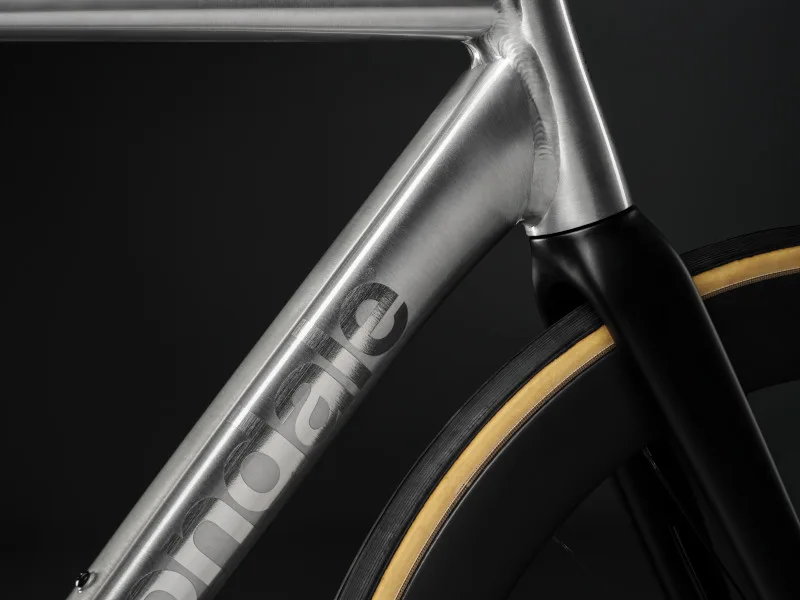
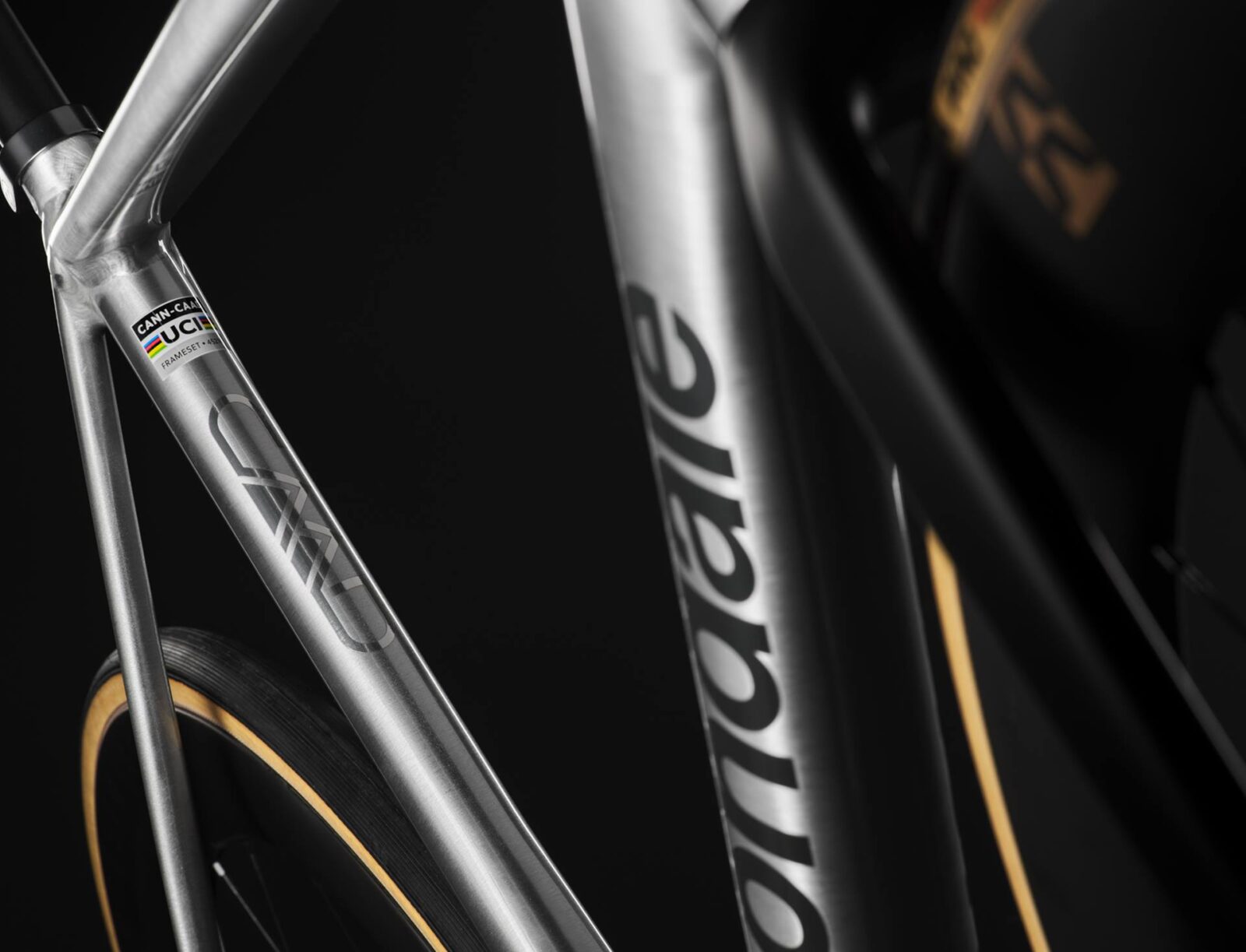
While the CAAD13 also drew heavily on the design language of the Cannondale SuperSix EVO, the new frame returns to more traditional aluminium tube shapes.
The truncated aerofoils and dropped seatstays of the previous generation are gone, replaced by rounder profiles that Cannondale says better exploit aluminium’s natural stiffness and responsiveness.
The CAAD14 also adopts a number of practical updates.
The frame now uses a 68mm BSA threaded bottom bracket rather than the previous BB30A standard, and the seatpost reverts to a conventional 27.2mm round design secured by an external clamp, keeping things simple.
Weight
Cannondale claims the frame weighs 1,280g in its raw finish, or 1,410g when painted, while the full-carbon fork tips the scales at a claimed 397g.
This remains competitive with many carbon frames in the same price band.
Tyre clearance
The new bike gains 2mm more official clearance, up to 32mm, reflecting the broader trend toward wider road tyres.
Cable routing
Cable routing runs internally through Cannondale’s Delta steerer system, allowing brake hoses to pass through the headset bearings while maintaining compatibility with standard 1-1/8in upper headset bearings for easier cockpit upgrades.
Options and pricing
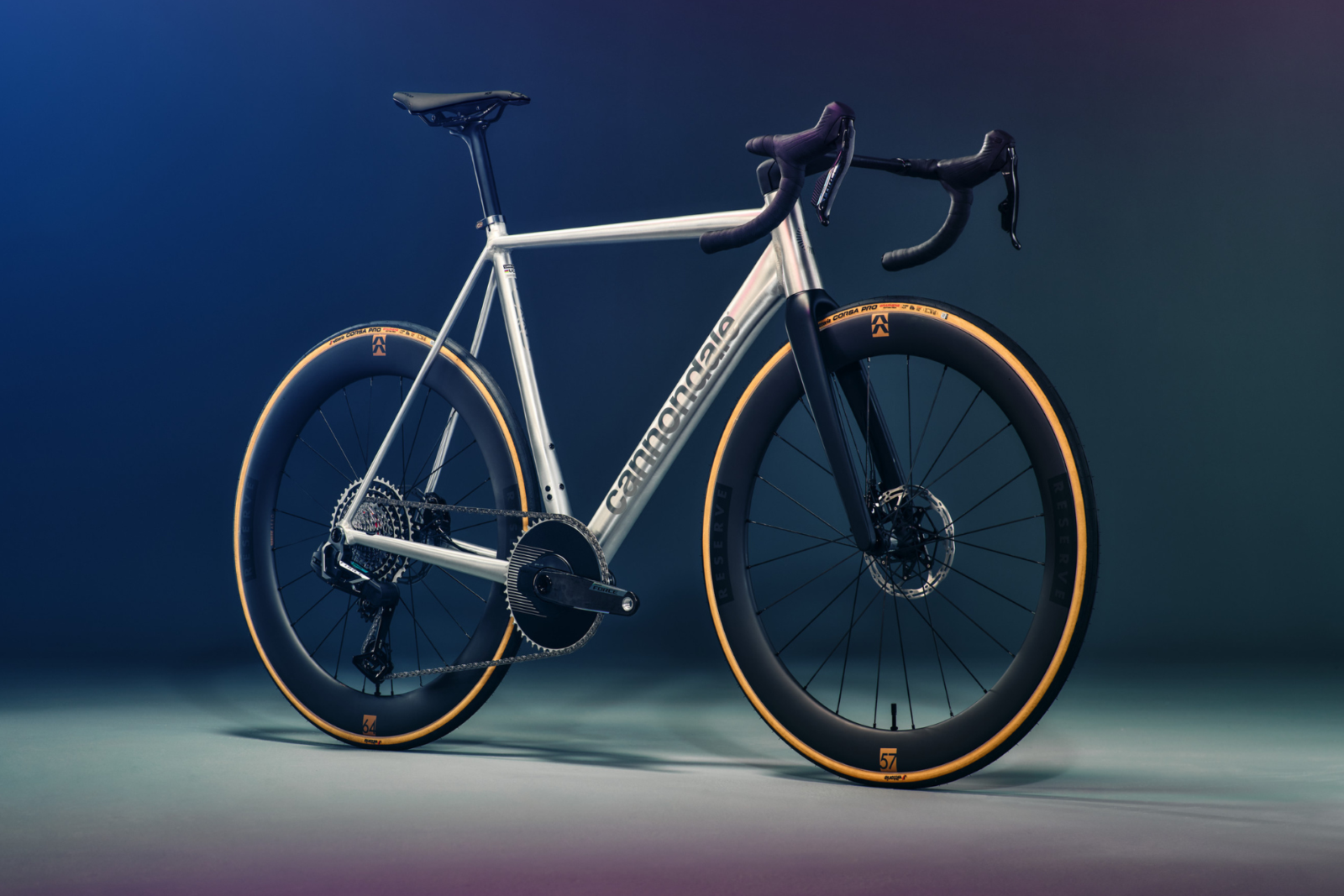
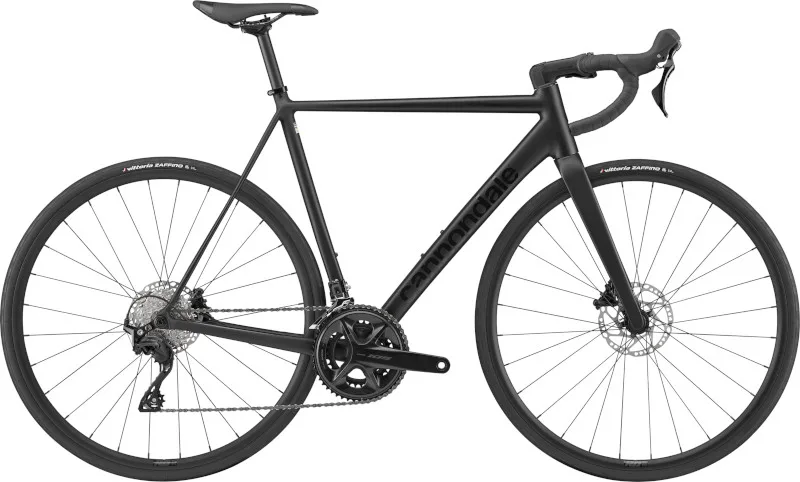
The bike is available in three complete builds, with prices starting at $2,995 USD ($4,200+ AUD) and rising to a hefty $12,999 AUD for the top-spec model.
The challenge for Cannondale is whether the value proposition of the CAAD is still around in 2026. There are now many carbon race bike options with Shimano 105 for similar money, and the ‘Halo’ model remains in a proper niche with its high price, even if it is limited edition.
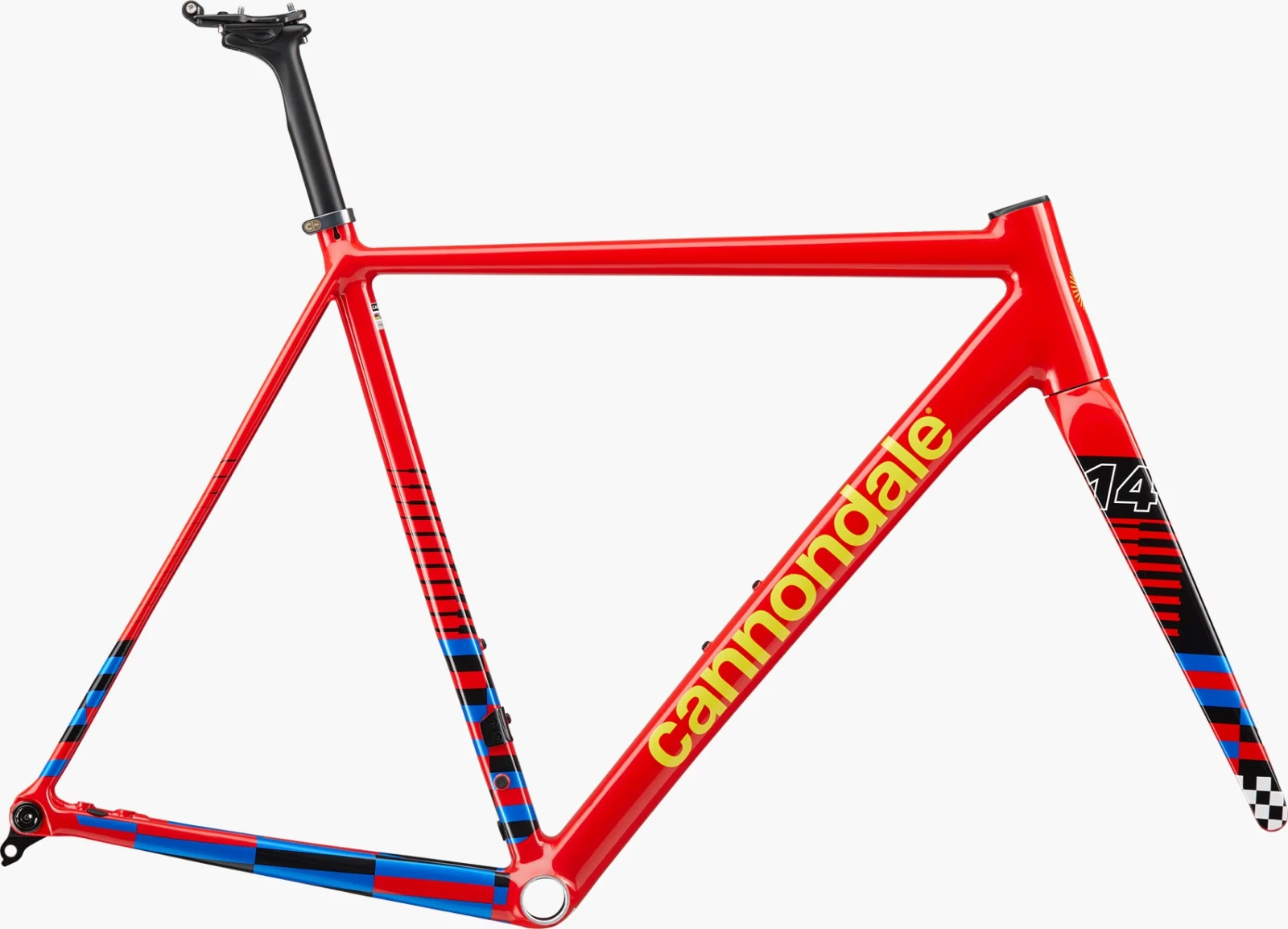
There’s also the option to build your own – a standalone frameset is also available for $3,499 AUD, and comes supplied with a Cannondale SAVE carbon seatpost and also comes in a pretty sweet retro-inspired colourway.
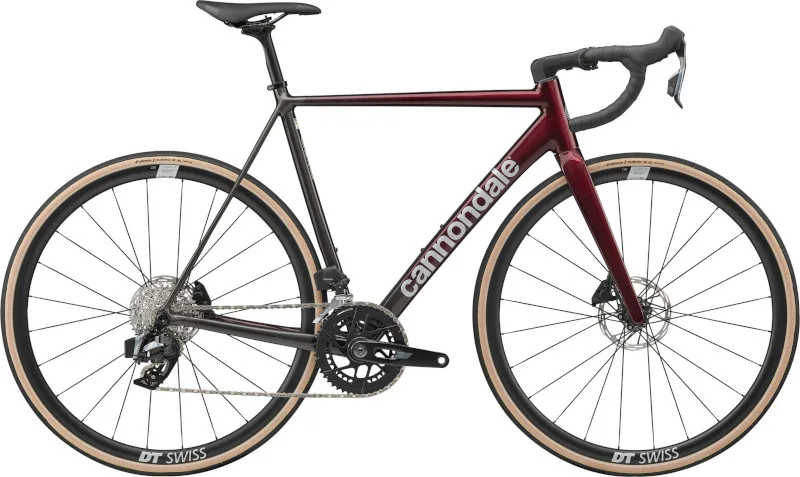
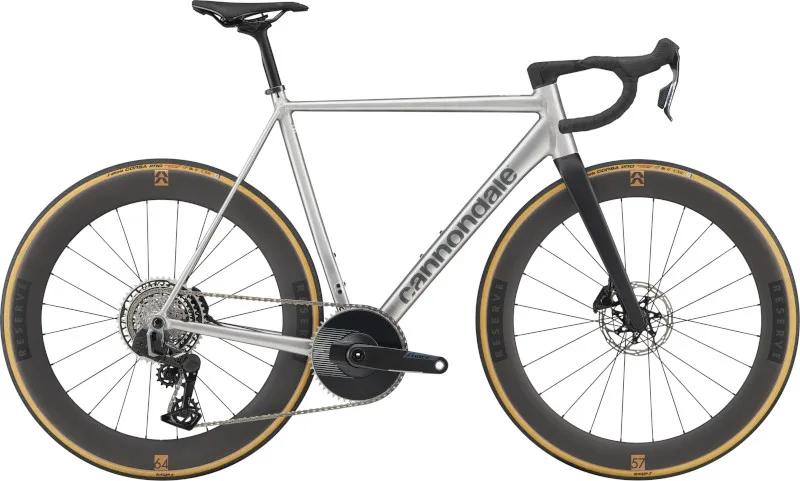
You can find out more at Cannondale.

Mike O’Connor – A keen cyclist, runner and photographer, Mike O’Connor is the Editor of Bicycling Australia. He manages the BA website and social media, and loves promoting the achievements of Australian cyclists.