
 Mike O'Connor
In elite cycling, the idea of marginal gains is now widely recognised, thanks largely to Dave Brailsford and his work with the British Cycling team in the early 2000s. He called it “the aggregation of marginal gains”—the principle that improving every small element by just 1% can add up to a massive overall advantage.
Some 20+ years later, the techniques he adopted to great success continue to be explored in the pro peleton today. Teams obsess over tiny details: frame alignment, wheel aerodynamics, clothing fit, and even the angle of water bottles. The reason is simple: a few watts can be the difference between first and second place.
But marginal gains are not just for the elites. Everyday riders, club racers, and endurance cyclists can apply the same principles to improve speed, comfort, and efficiency on every ride.
Watching how meticulous modern teams are got us thinking: what small changes can you adopt today to make your ride better?
Here’s a few you can try yourself.
The rubber and the road
Tyres are often overlooked outside of professional racing, yet they are the only part of the bike that touches the road, and a proper selected and set-up pair can make a huge difference to speed and comfort.
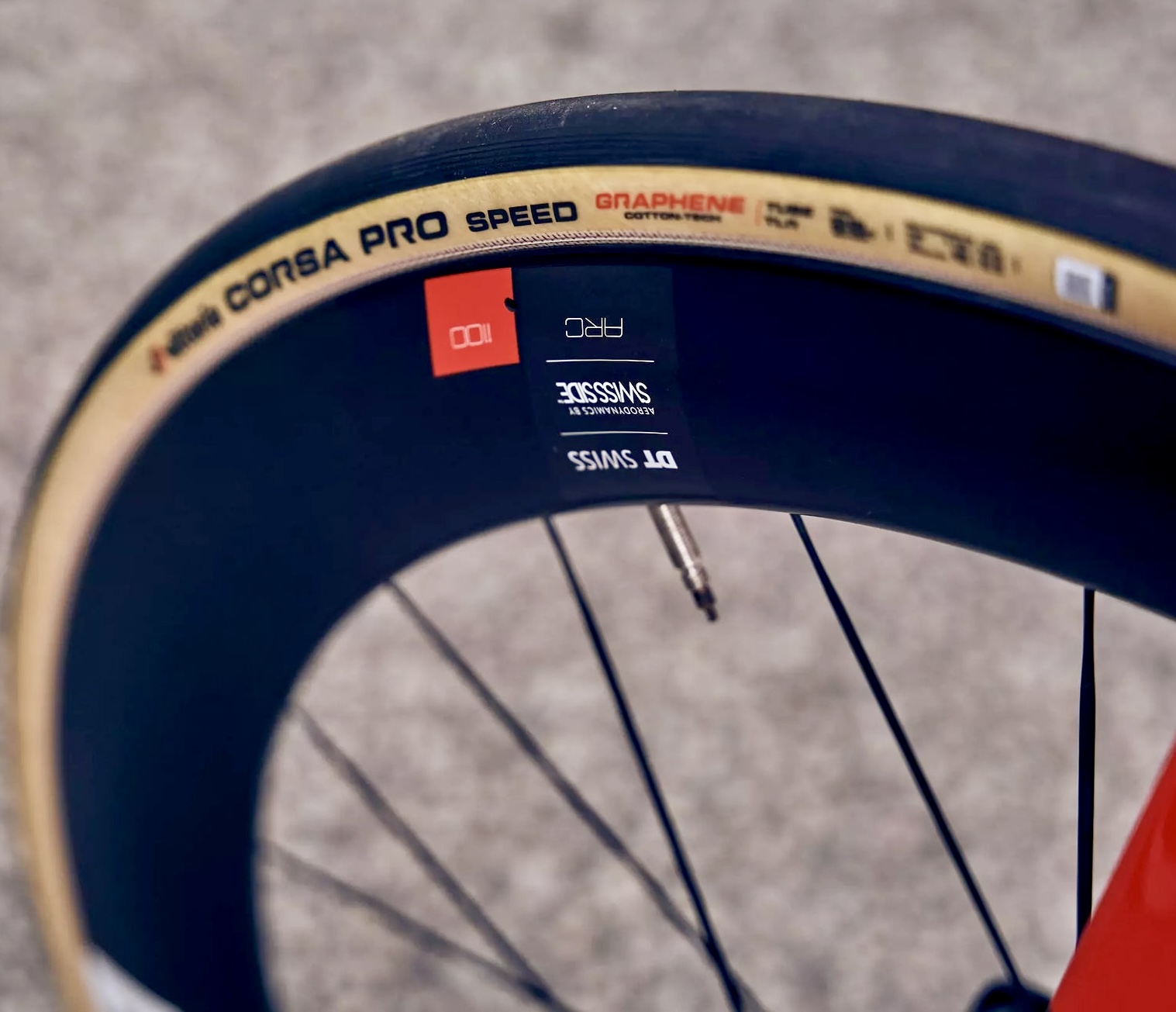
In fact, Dan Bigham, Head of Engineering at Red Bull-BORA-Hansgrohe, has spoken about tyres as a “complex component that is poorly understood.” Pro teams now test tyres scientifically, measuring heat, deformation, and rolling resistance.
You may not have a wind tunnel, but paying attention to tyre choice, pressure, and condition is a small change that can produce tangible results on your ride.
You could write a whole article on tyre pressures for different surfaces, but the best place to start for most riders is just to experiment – small changes in pressure or tyre width can make a noticeable difference, but test one change at a time so you can keep track of the variables.
And, while it’s widely understood how important tyre pressure is to rolling resistance and effort, it’s worth also considering the condition of your tyres.
Even small degradation can negatively affect your tyres’ ability to roll and the risk of punctures. Try to keep your tyres clean and dry before storage to prolong their lifespan and maintain the rubber.
Wheels and Bearings
While a flashy set of lightweight or aerodynamic wheels can transform your ride, there’s no such thing as a “set it and forget it” wheelset—at least, not yet.
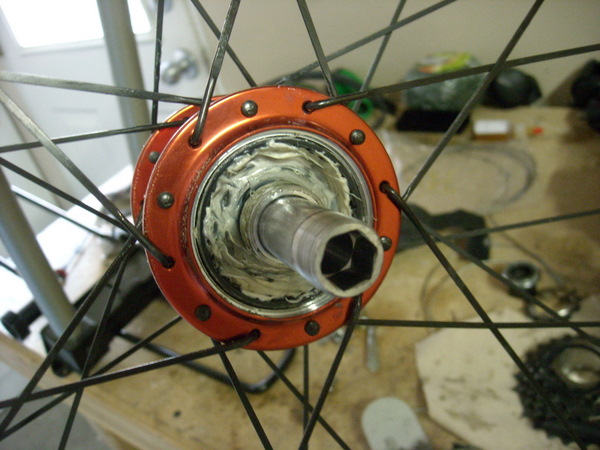
That means you’ve gotta maintain your investment. Dirt, grit, or dried grease can quietly rob watts without you noticing. Avoid this by keeping your bearings clean and well-lubricated. Smooth bearings save watts and can make your ride feel effortless.
And, while you’re at it, pay attention to how true your wheels are. Even a small wobble increases rolling resistance and can affect braking and handling, so check and adjust your wheels regularly to keep them spinning efficiently.
This is particularly important for alloy rims, which can develop subtle misalignments over time or after hard rides.
Finally, don’t underestimate spoke tension and rim condition. Loose spokes can sap power. It may seem like a little thing, but marginal gains are all about the little things!
Bike Fit and Positioning
Even small adjustments to saddle height, handlebar reach, and cleat alignment can have a big impact on both power output and comfort. Ideally, every rider should get a professional bike fit, but if that’s not possible, there are a few key points to check.
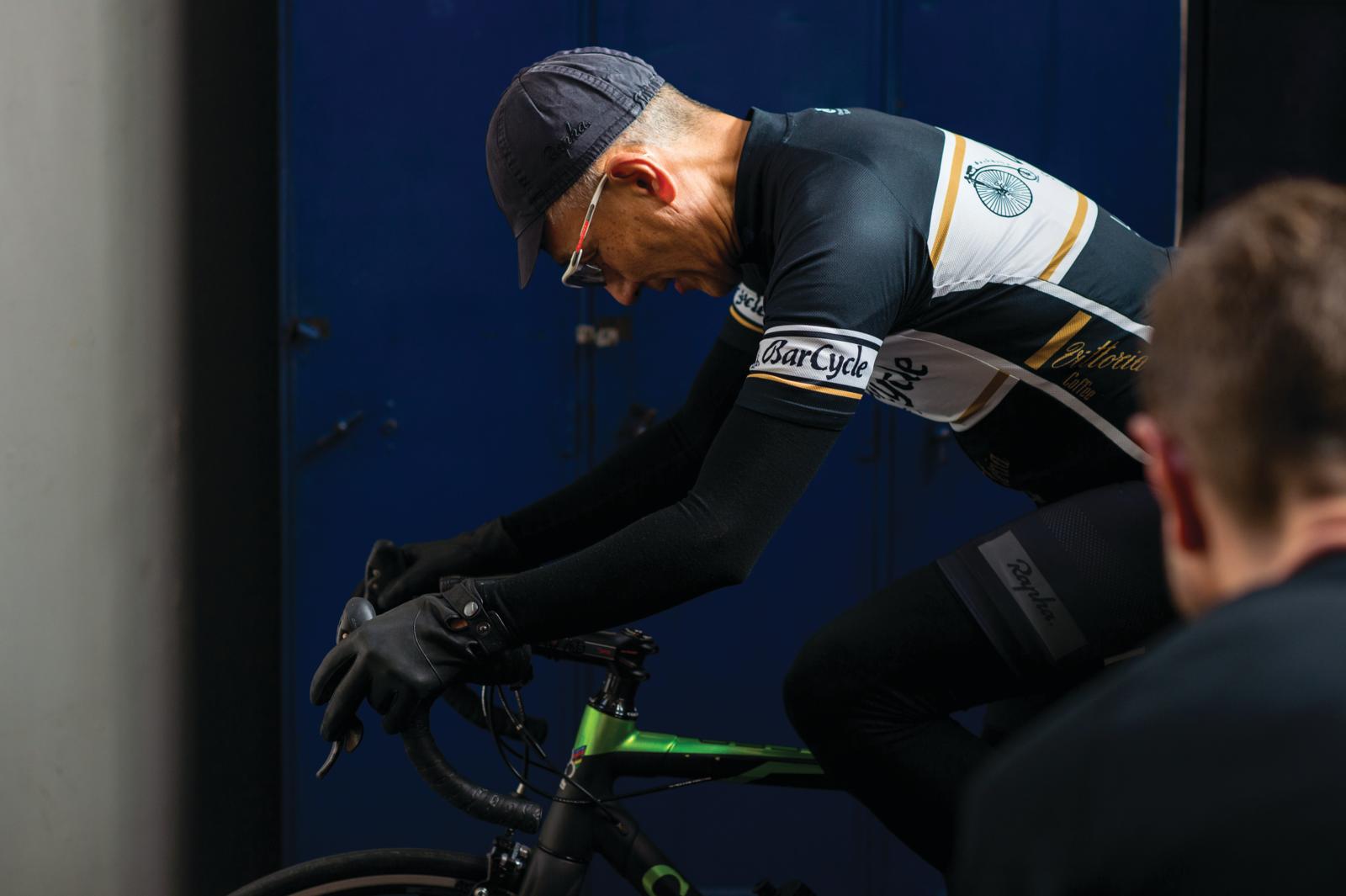
Start with your saddle height. Too high or too low reduces pedalling efficiency and can lead to discomfort or injury. Adjust gradually and test over several rides to find the sweet spot.
Next, look at your cleats. Make sure your knees track naturally over the pedals to maintain smooth, efficient motion.
Finally, consider your handlebar drops and stem length. A slightly more aerodynamic position can save watts on long rides, but sacrificing comfort for a few degrees of drop may not be worth the trade-off.
By fine-tuning your position, you can ride faster, smoother, and with less fatigue, while also maximising the other marginal gains you’ve made.
Clothing and Gear
At higher speeds, aerodynamic drag is the biggest force a cyclist has to overcome, and what you wear plays a significant role in how much air resistance you create.
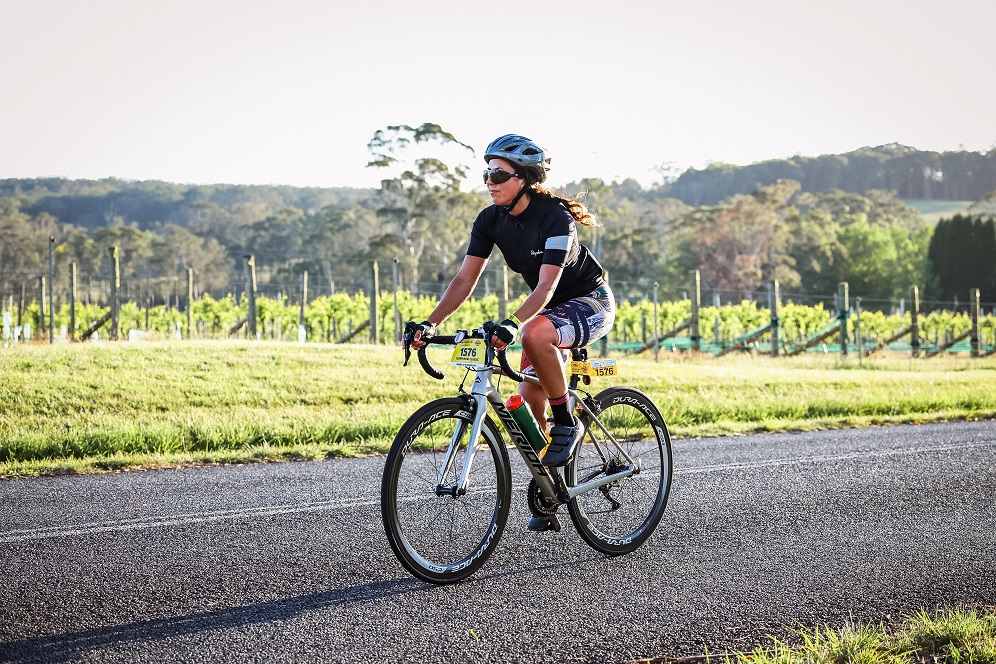
The simplest place to start is fit. A well-fitted jersey that sits close to the body is far more efficient than a loose one flapping in the wind.
Even small wrinkles or pockets bulging with gear can create turbulence. Modern cycling apparel is great in that it is designed to reduce drag, with fabrics that smooth airflow and panels that stretch to maintain a close fit while you ride.
Bib shorts are another area where quality and fit matter. A snug pair of bibs reduces chafing and keeps the chamois properly positioned, which becomes increasingly important on longer rides.
Better comfort means you can stay in an efficient position for longer, particularly when riding in the drops or pushing the pace in a group.

You’ll want to take the time to choose the right pair of shoes as well. Shoes with stiff soles are designed to (first and foremost) improve power transfer from your legs to the pedals, ensuring less energy is lost through flex.
Good closure systems, whether dials or straps, also keep your foot stable and secure when sprinting or climbing. When choosing shoes, try not to choose a pair that fits too tight, as your feet will swell after long days in the saddle.
Even small kit choices can add up. Smooth socks that sit flush against the leg can reduce drag compared with loose or wrinkled fabric. Gloves that fit well improve grip and comfort, allowing you to stay relaxed on the bars. And helmets designed with aerodynamics in mind can reduce drag without compromising ventilation.
The best thing is that none of these changes require wind tunnel testing or pro-level budgets. Simply choosing well-fitted clothing and quality kit can improve comfort, reduce drag, and make every ride feel just a bit faster.
Over time, those small improvements add up, which is exactly the point of marginal gains!
We’ll share a few more marginal gains next week – watch this space.

Mike O’Connor – A keen cyclist, runner and photographer, Mike O’Connor is the Editor of Bicycling Australia. He manages the BA website and social media, and loves promoting the achievements of Australian cyclists.