
 Harry Kooros
A measured, mid-market approach to GPS cycling tech?
Introduction
Spend enough time testing GPS bike computers and a pattern emerges pretty quickly. At the top end, you’ve got fully fledged ecosystems with touchscreens, mapping, Wi-Fi syncing and price tags to match. At the other end, there’s no shortage of devices chasing key features and volume, often at the expense of polish or long-term reliability.
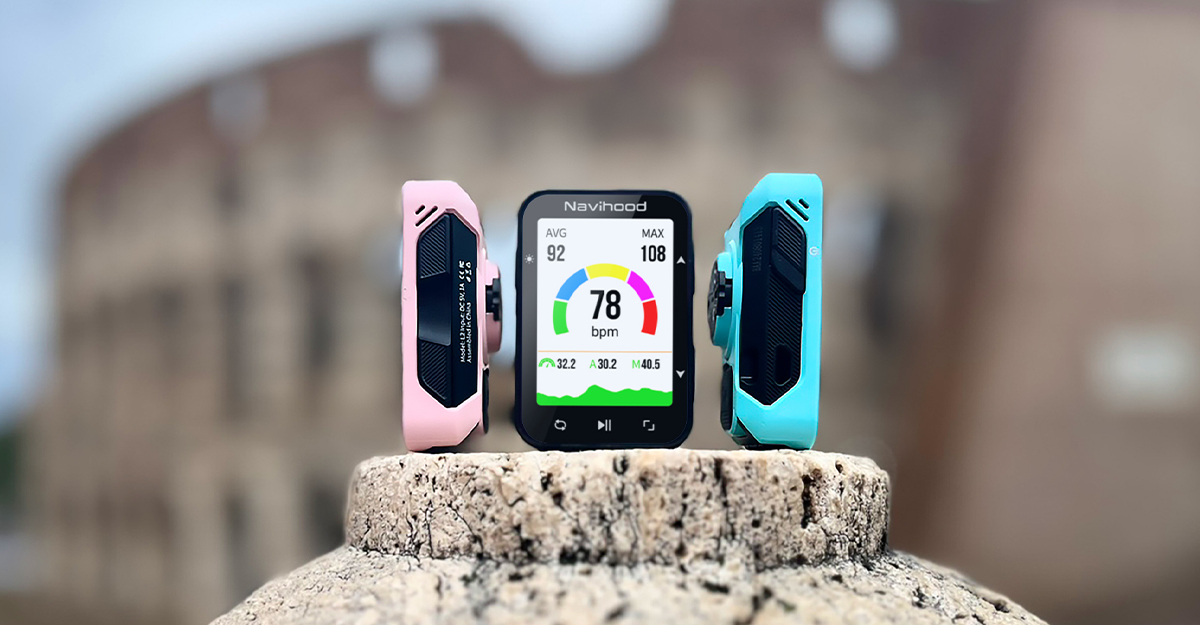
Navihood sits deliberately between those two extremes.
Part of Meilan’s broader cycling electronics range, Navihood positions itself as a practical, mid-market option built around consistency rather than constant iteration. Instead of chasing annual refreshes or headline features, the focus here is on devices that integrate cleanly with modern sensors and training platforms, deliver stable performance on the road, and hold up over long-term use.
The L2 and L3 GPS computers clearly reflect that approach. They’re not trying to replace flagship touchscreen units, and they’re not designed to win a spec-sheet arms race either. Instead, both models prioritise usability, compatibility and battery life, serving different riding needs rather than overlapping unnecessarily.
After spending time riding with both units, it’s clear the L2 and L3 aren’t about chasing trends. They focus on getting the fundamentals right, which for many riders will be exactly the appeal.
Design & displays
Out of the box, the L2 and L3 are compact, solid, and feel well-built. Both are a touch chunkier than their screen sizes suggest, but given the feature set and long run time, the extra bulk is understandable.
Both models use Garmin-style mounts with replaceable tabs, a smart move considering how often broken Garmin tabs turn up in real-world use. With more brands adopting this system, swapping devices across bikes and mounts is straightforward.
L2: 2.4-inch colour display that’s crisp, bright and easy to read
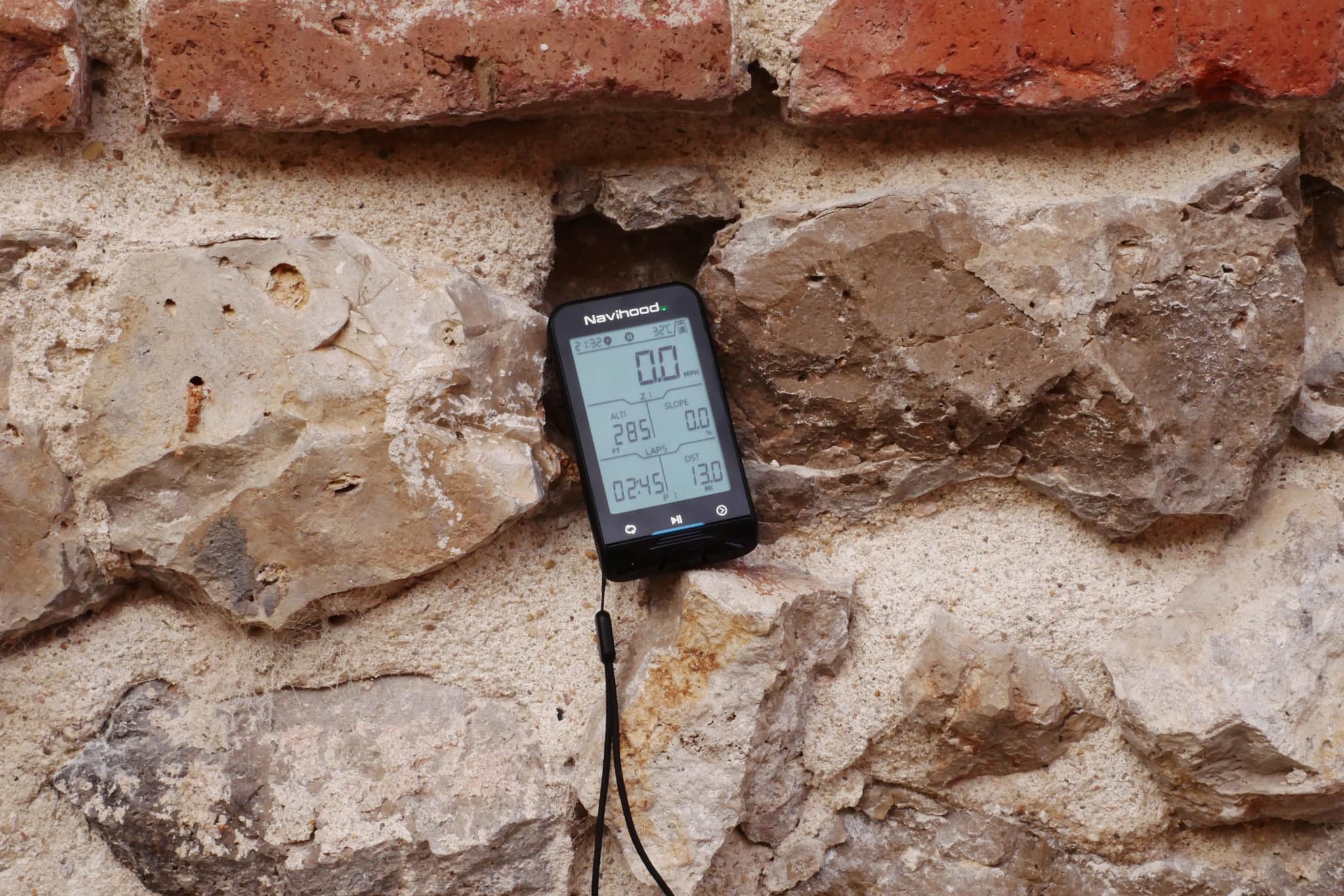
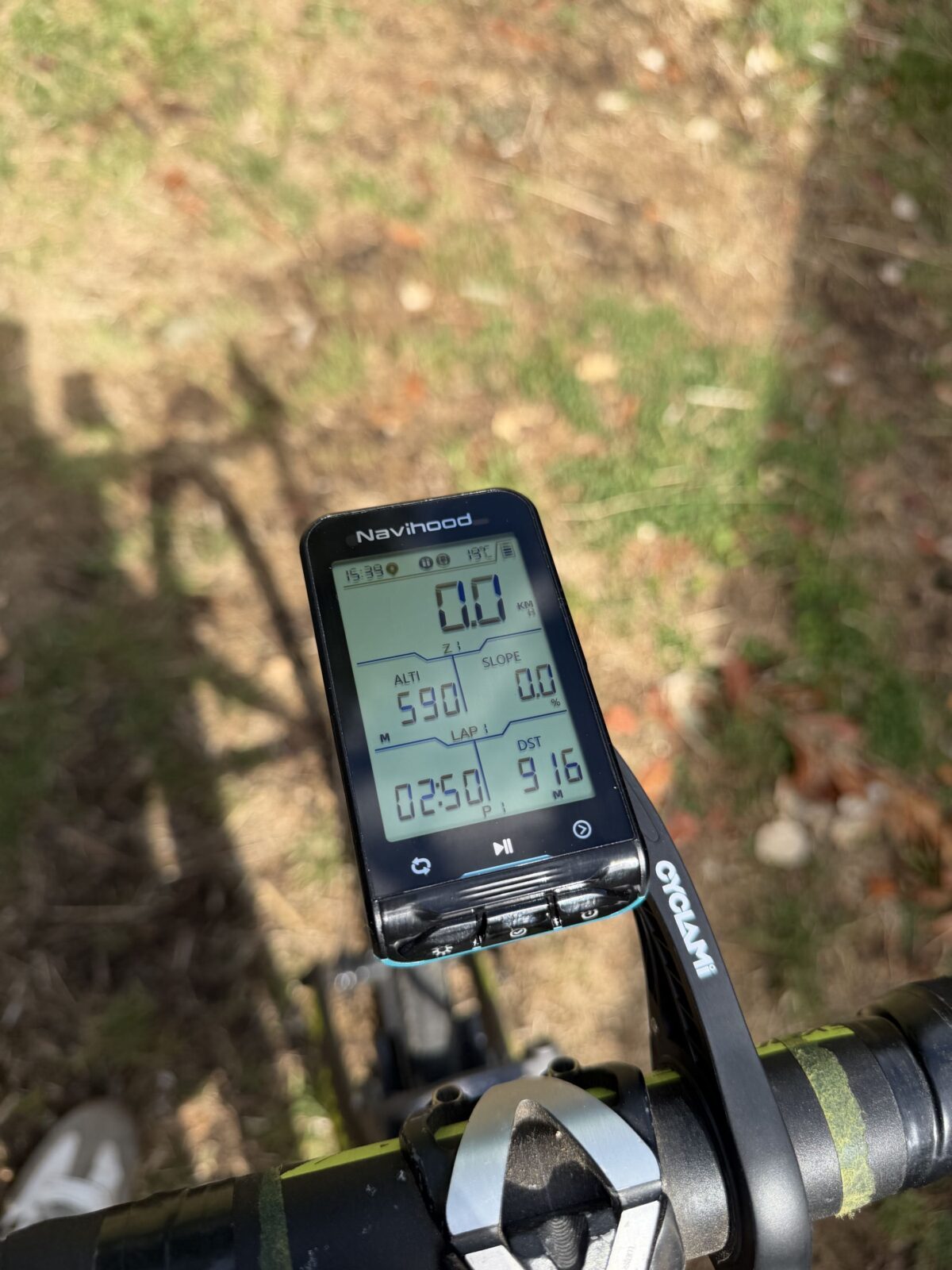
L3: 2.6-inch monochrome display with bold, oversized fonts for excellent visibility
Navigation & data
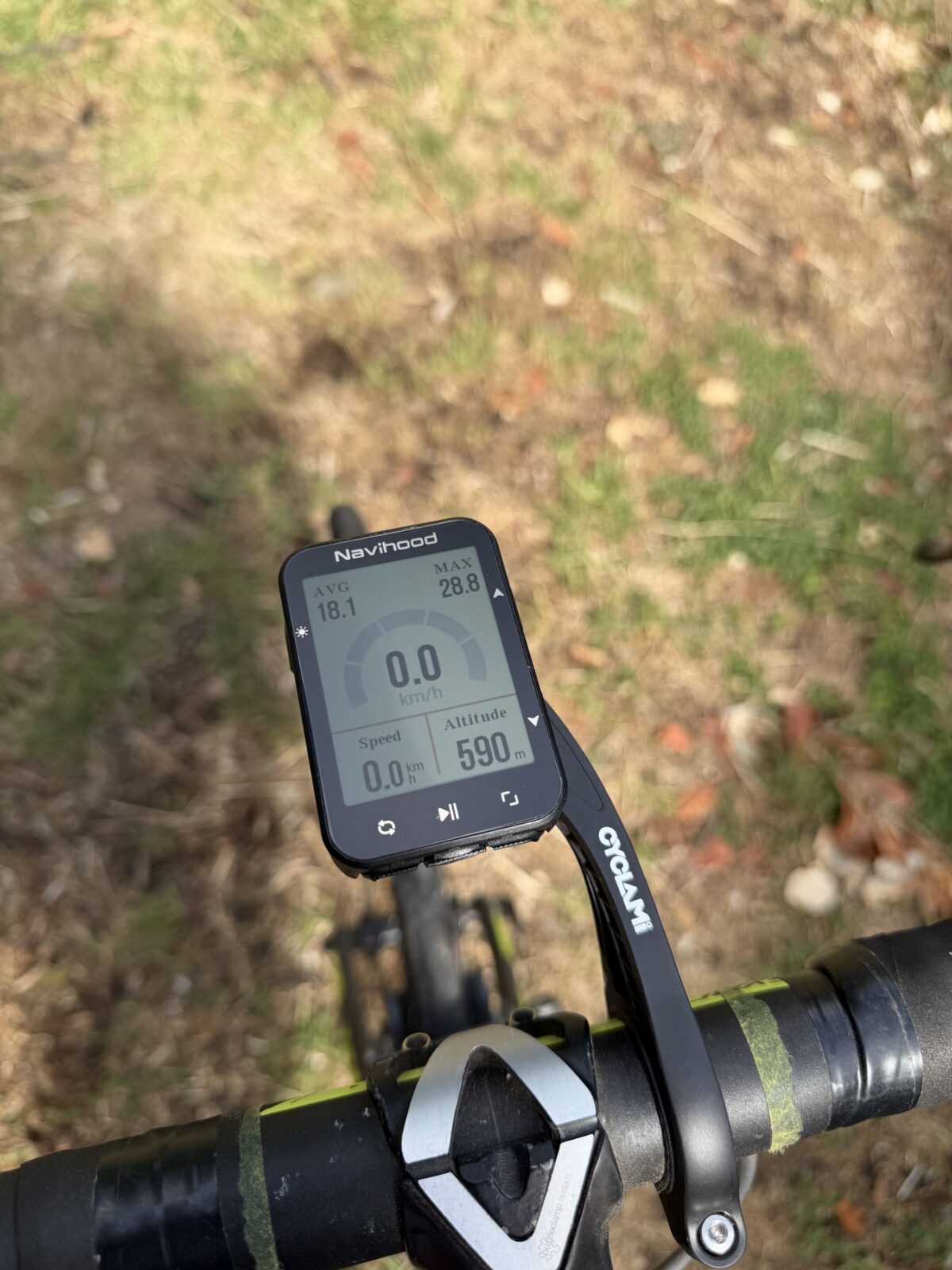
The L2 is the navigation-focused option. Routes can be created or imported via the Navihood app, then synced to the device for clear turn-by-turn arrow guidance, complete with street names and off-course alerts. Rather than displaying a full-on-screen map, the emphasis is on clean, glanceable navigation that’s easy to follow while riding.
Data customisation is extensive across both units:
L2: Up to 14 data pages with more than 100 available data fields, ideal for data-hungry riders
L3: Up to 10 pages and 38 data fields, suited to riders who prefer clean, essentials-only layouts
Both devices sync with the Navihood app for page setup, firmware updates, and automatic uploads to platforms including Strava, TrainingPeaks and Komoot. The app’s 3D ride-replay feature is a nice added extra.
Training, sensors & smart touches
Sensor compatibility is strong across both devices. With support for ANT+ and Bluetooth, the L2 and L3 pair reliably with a wide range of accessories, including:
- Speed and cadence sensors
- Heart-rate straps
- Power meters
- Electronic shifting systems
- Radar lights, including Navihood’s own smart tail lights, are due for release soon
The L3 adds a handful of training- and safety-focused features, such as configurable heart-rate and power-zone alerts, along with a distinctive yellow front safety light integrated directly into the unit.
L2 vs L3 – Which rider each suits
L2: Best suited to riders with a training focus who want structured data, a colour display and navigation support in a compact, reliable unit.
L3: Designed for endurance, commuting and long-duration riding, where readability, battery life and simplicity matter more than deep data density.
Rather than sitting in a hierarchy of better or worse, the two models reflect different riding priorities within the same design philosophy.
Limitations
- Button interface: Functional and reliable, but slower to navigate than touchscreen systems, particularly during initial setup.
- Limited mapping: The L2 uses arrow-based navigation only, with no base maps or on-device rerouting. The L3 offers no navigation support.
- No Wi-Fi syncing: All uploads and firmware updates are handled via the mobile app.
- Alert visibility: There are no audio or vibration alerts, so riders need to actively watch on-screen prompts.
Verdict
The Navihood L2 and L3 highlight just how far mid-market GPS cycling computers have come.
The L2 is the clear choice for riders who want the most functionality, offering turn-by-turn navigation, a colour display and broad data capability without stepping into premium pricing territory.
The L3 focuses on endurance and practicality, delivering excellent battery life, large-format readability and straightforward operation that suits commuters and long-distance riders particularly well.
You won’t get the polished ecosystems or advanced mapping found on top-tier units, but the performance-to-price balance here is impressive. For riders looking for reliable, well-specified GPS computers that focus on the fundamentals, the Navihood L2 and L3 are well worth considering.
Specifications
| Navihood L2 | Navihood L3 | |
| Screen size & type | 2.4″ full-lamination outdoor colour screen | 2.6″ full-lamination LED mirror-style screen |
| Data pages / fields | 14 pages with 114+ data metrics | 10 pages with 38 data fields |
| Sport modes | 8 sport modes | |
| Connectivity | BLE 5.0 & ANT+ | |
| Navigation / routing | Turn-by-turn arrows, road-name display, deviation alerts | No advanced navigation listed; emphasises visibility and simplicity |
| Unique features | Break-proof back base; wide environmental operating range | Integrated front yellow safety light; aluminium heat-sink; large physical buttons |
| Battery life | Up to approx. 25 hours | Up to approx. 35 hours |
| Waterproof rating | IPX7 | |
| Weight | ~ 60 g | ~ 85 g |
| Price | AUD $175 (approx.) | AUD $119 (approx.) |

Harry Kooros
Harry Kooros - As a former Advertising Manager of Bicycling Australia, Harry is a keen roadie who has stepped up as a contributor to share his riding and product experiences.