
 Nicola Rutzou
Whether you’re completely new to cycling or a veteran of the sport, we list our top 50 tips that will help make you a better bike rider.
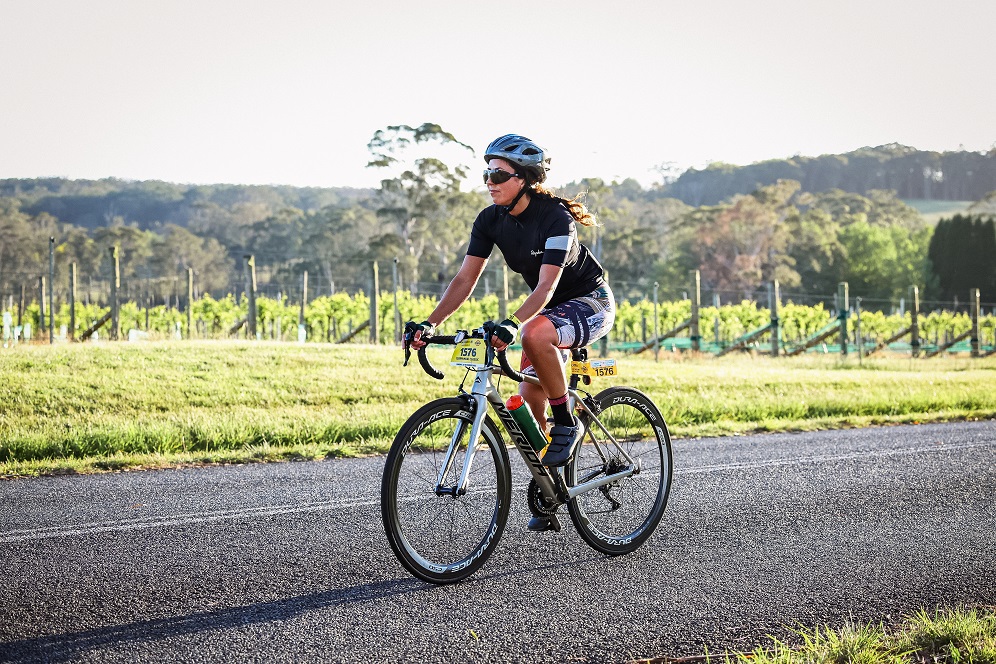
- Arguably, the number one tip for better riding is to have fun and enjoy the sensational sport of cycling.
- Stretch before every ride. When out on the bike, occasionally stretch (safely) and maintain good posture. Take breaks to stretch and loosen to help prevent muscle strain and fatigue.
- Regularly adjust your position in the saddle to engage different muscle groups, particularly during longer climbs. Lifting yourself off the saddle, even ever so slightly, will dramatically help ease muscle pressure.
- While sprinting or climbing, it’s fine if your bike is swaying, but not your body. Being aware of your body & bikes side-to-side movement will lead to more efficiency and less wasted energy.
- Riding wet or potentially greasy roads? Brake earlier, lighter and more incrementally for effective and safer stopping, especially on slick surfaces.
- Vary your weight over the front, centre and rear of the bike to maintain control. This is particularly relevant when braking!
- See a stick, rock, pothole or imperfection in the road at the last minute? Lift your front wheel to avoid obstacles when you can’t slow down. Your front wheel is way more vital for control (and to keep inflated) than the rear!
- Getting a stiff neck or back? Ensure you’re not sliding or hunching too far forward in the saddle. Sitting in the centre of the saddle and still in pain? Go and get a bike fit.
- Varying your hand position to maintain comfort and control is always a great tip for cyclists. And try relaxing your grip on smooth roads – even for just a few minutes – to help reduce built-up muscle tension.
- Just like oils, handlebars ain’t handlebars! The width should be similar to your shoulder width. The drop angle and depth should be suited to your riding style and posture. If in doubt (or pain), seek advice from a pro bike fitter.
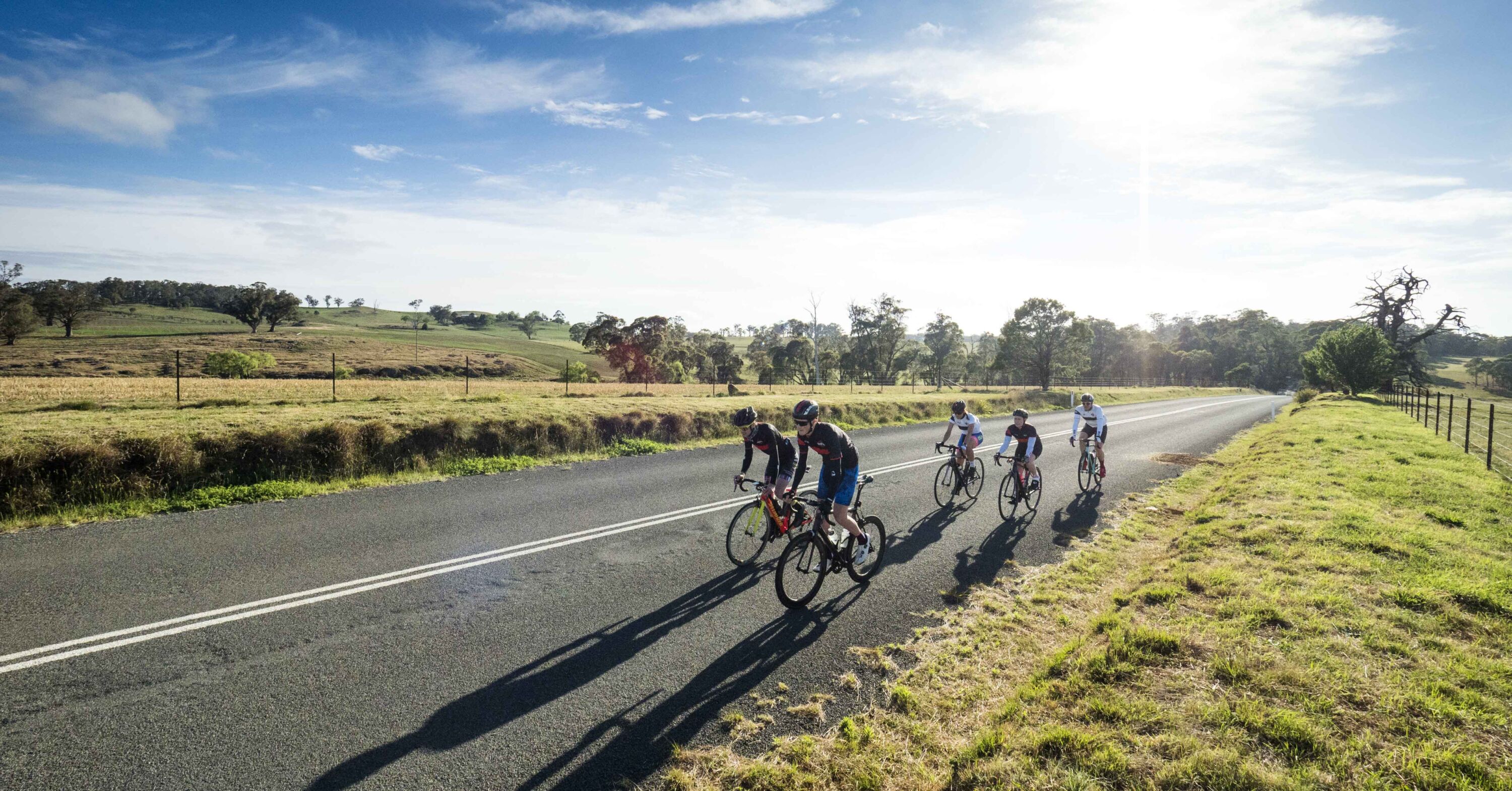
- Being up front of the bunch is a responsibility and position that should never be taken lightly or for granted. Always maintain a steady cadence and consistent pedal pressure when leading a group. And when back in the bunch working your way up, always remain aware of other riders ahead to anticipate changes in the paceline.
- Keep your arms tucked in and aligned with your body for better aerodynamics – we’re not grasshoppers!
- Climbing a tough hill or feeling tired during a longer ride? Focus on deep inhalations and measured breaths to manage exertion and ensure proper oxygenation. Pace and don’t race yourself. Improvement will come with time and practice.
- Riding or approaching a group or bunch? Keep your hands hovering above the brakes for a quick response. Be ready for anything, especially with riders you don’t know.
- Cross railroad or tram tracks on the smoother side of the road and always at an appropriate angle. If in doubt, bunnyhop or at least lift the front wheel.
- Roads are often their slipperiest when it first starts raining, and more so after a dry spell. Exercise extreme caution on slippery surfaces during or after wet weather, especially on painted lines and on metal surfaces, such as drain covers.
- In busier areas, ride more assertively to maintain visibility and safety – and don’t be afraid to hold or take a lane in busier or more risky areas. Remember, you have the same road user rights as motorists.
- Riding through a busy or built-up area? Stick to the traffic lane to keep clear of ‘the door zone’ or pedestrians.
- When passing cars waiting at cross streets, try to make eye contact with the driver and keep a close eye on the front wheels for forward movement.
- Riding worn country roads with no shoulder? Find the smoother surface of the wheel track for a safer and better ride, plus more visibility.
- Always scan through the rear windows of parked cars for the silhouette of a human head. These days, particularly with the proliferation of smartphones, people are often spending more time inside vehicles.
- Don’t swerve around cars making left-hand turns into or across bike lanes – wait for them to turn, and always assume they haven’t seen you.
- Hearing a metallic click during pedal strokes? If it’s not the bottom bracket, it could be the pedals! Ensure your pedal threads are lightly greased.
- It’s so simple but often forgotten – ensure your tyres are properly inflated before each ride! And there’s no harm in giving the chain a quick wipe & lube as well.
- Fix tight chain links by cleaning, bending laterally, and lubricating. A chain is not too difficult to remove, and periodically soaking it in a cleaning solution will make a huge difference.
- Regularly check, lubricate and tighten handlebar, stem and seat post hex screws to eliminate creaks and avoid potential danger or long-term damage.
- Do you use an under-saddle bag or pouch? Wrap and secure bag items to prevent rattles, wear and internal damage. The next multi-tool to rattle itself to pieces certainly won’t be the last.
- Does one of your wheels creak or click when out of the saddle? Lightly lubricate the spoke nipples or intersections.
- Try to get into the habit of putting your left foot down when stopping to avoid chainring marks or the dreaded ‘chain tatt’ on the right leg. Leaning left when stationary is also a lot safer in traffic.
- Gripping the bars too tightly? This will lead to unnecessary strain and pain. Maintain a firm grip for control, but not to the point of causing increased muscle tension and long-term fatigue.
- Removing arm warmers as the day heats up? Slide the top of the sleeve down by hand then complete the task with your teeth – the less time both hands are off the bars the better.
- Gradually close the gap when riding in a paceline – the drafting benefits can be substantial! But remain focused and keep a close eye on any movements and calls from ahead.
- Riding into a block headwind? Don’t fight it, but shift into an easier gear and work on your cadence and pedalling form.
- Make wet corners less treacherous by taking a shallower angle. Corner earlier, gentler and safer – a few lost seconds is way better than weeks or months recovering from an injury.
- Numb hands or fingers? Shake it off! Lifting each hand off the bar and giving them an occasional shake will help prevent fatigue and numbness.
- Riding early or late in the day and casting a strong shadow? Check your arm, back, neck and leg angles, and your overall position on the bike.
- Just completed a literally breathtaking effort? Don’t stop to recover but slow down, drop a few gears and spin – your legs and lungs will thank you for it.
- Is your floor pump more than a few years old or not of the best quality? There’s a fair chance the gauge is giving inaccurate readings! A quality pump is a wonderful investment; you’ll thank yourself many times over.
- Extend tyre life by switching rear and front tyres – the back tyres will always wear a lot faster than the fronts!
- Are you suffering from regular neck pain or stiffness during or after a ride? There’s a fair chance you’ll need to adjust your handlebar height or stem length to suit your body. ‘Slamming that stem’ does look great, but in reality, it’s going to lead to pain. The same goes for lower back pain.
- Suffering from knee pain? Providing your cleats are properly adjusted, you can try raising the saddle if the pain is in the front of the knee, and lower it if the pain is in the rear of the knee. And get a bike fit.
- Alleviate foot discomfort by loosening shoe bindings and adjusting the positions of your cleats. Talking cleats, look closely at them before each ride – they do wear and are definitely consumable items.
- Ensure saddle alignment and try different options for comfort. Our top tip is a quality saddle with a centre cutout.
- Add variety to longer rides with occasional sprints for better overall training and comfort. The rest is a great reward for the effort.
- Just back from a damp or wet ride and your pride & joy is covered with road grime, splattered dirt or mud? Thoroughly clean and lube your bike before it dries off – it will be a much easier (and quicker) job.
- Sipping from your water bottle? Squeeze water from the angled bottle (rather than tilting your head up) for safer and more consistent control of the bike.
- Slow pedalling during a long descent will assist with bike stability compared to coasting.
- Avoid taking the whole day off before a big ride or event. Sure, it’s wise to taper in the week or days before, but a short ride with a few sprints the day before will help with final preparation.
- Sprinting to the end of a segment or against another rider? Don’t hold your breath during intense efforts. Oxygen creates energy.
- Climbing a hill and about to get out of the saddle? Drop a gear to optimise power and cadence during the climb.

Nicola Rutzou – a long-time contributor and, most recently, the editor of Bicycling Australia. Nicola is a keen Sydney-based road cyclist who writes reviews, news, and destination pieces.