
 Peter Maniaty
Exclusive interview with retiring Aussie pro, Simon Clarke
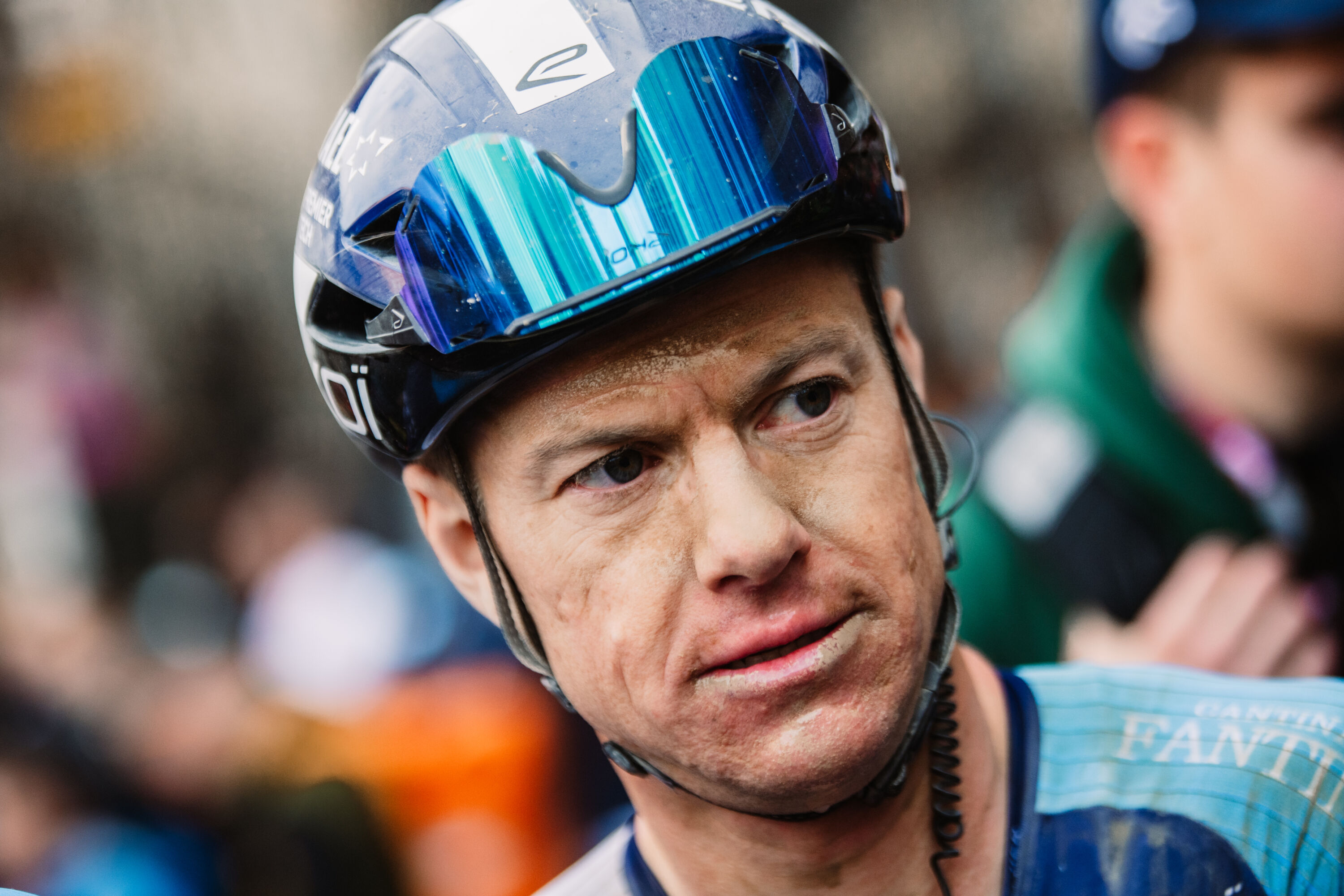
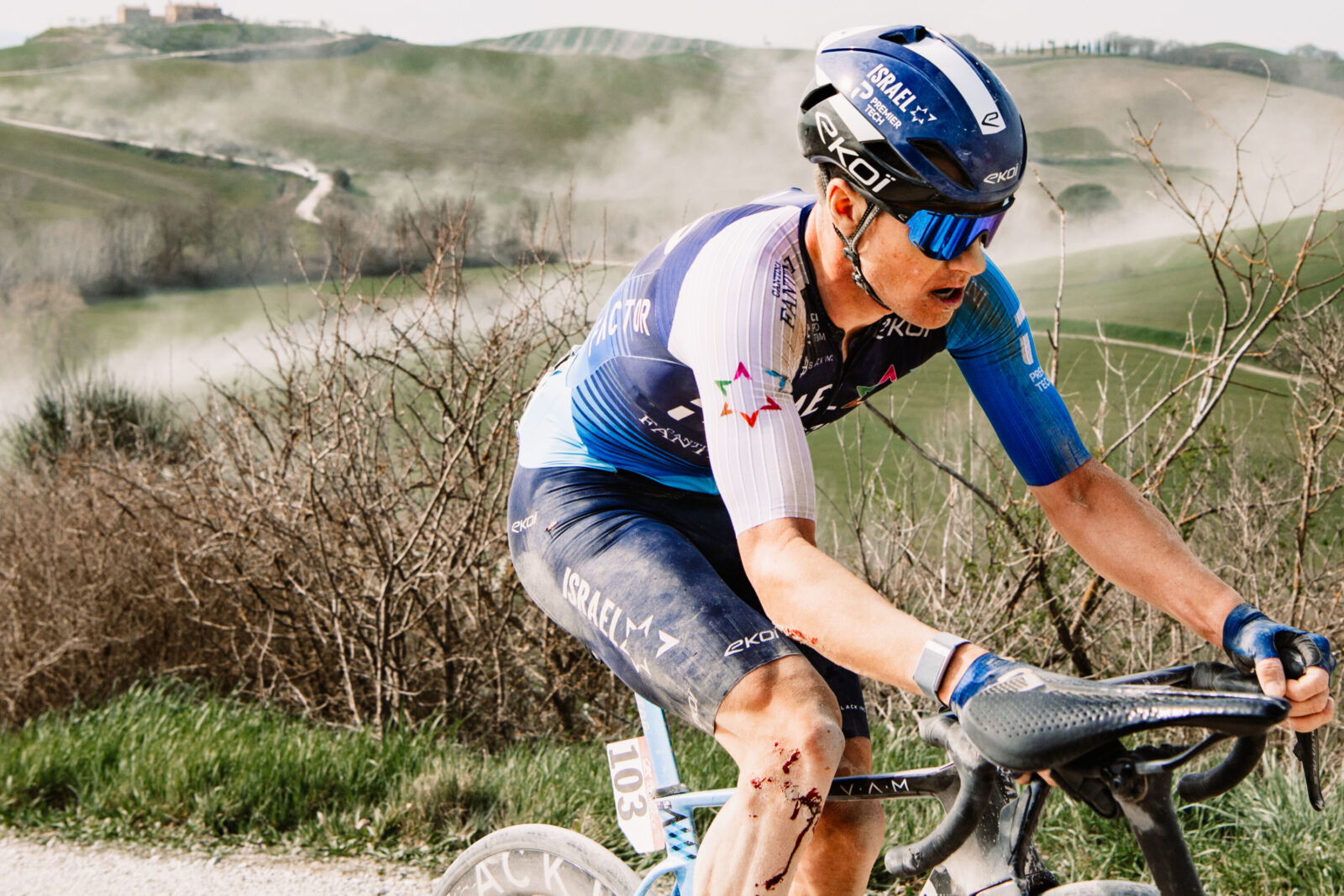
It’s been quite a ride. But when Simon Clarke steps off his bike after the 2026 Cadel Evans Great Ocean Road Race in Geelong, it will mark the end of an era. Peter Maniaty caught up with the veteran Australian as he prepares for his final block of racing as a pro cyclist—ever.
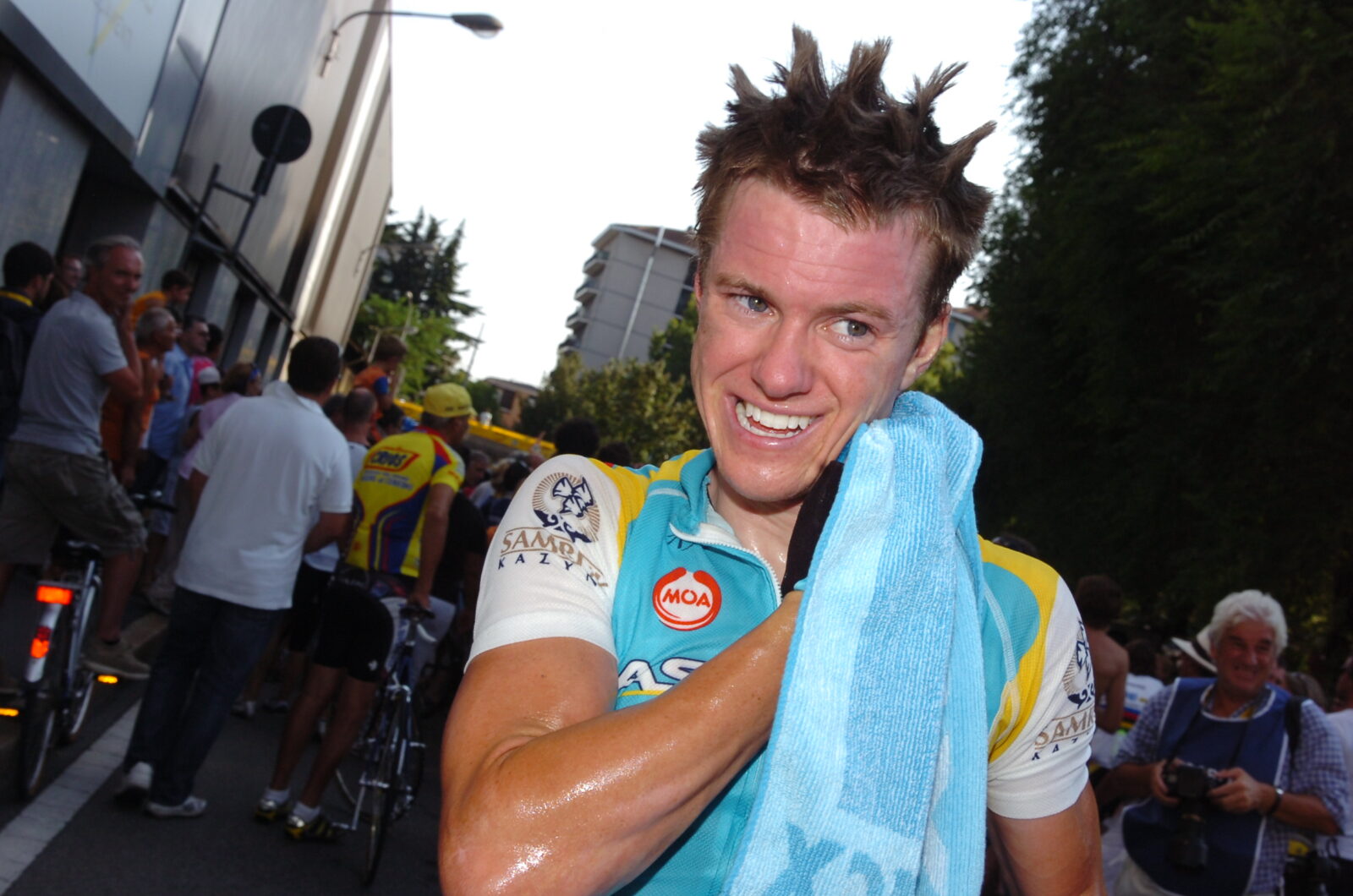
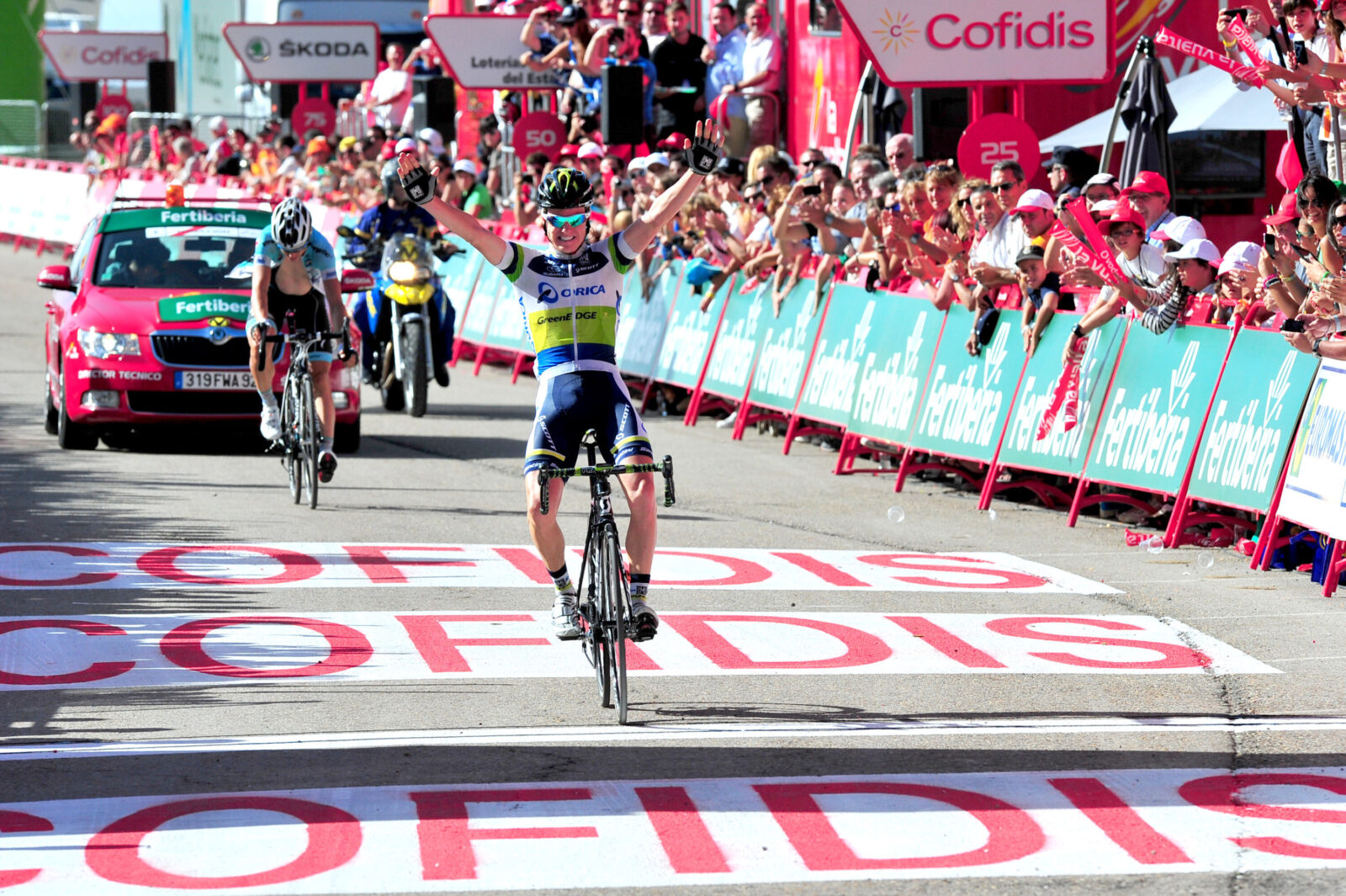
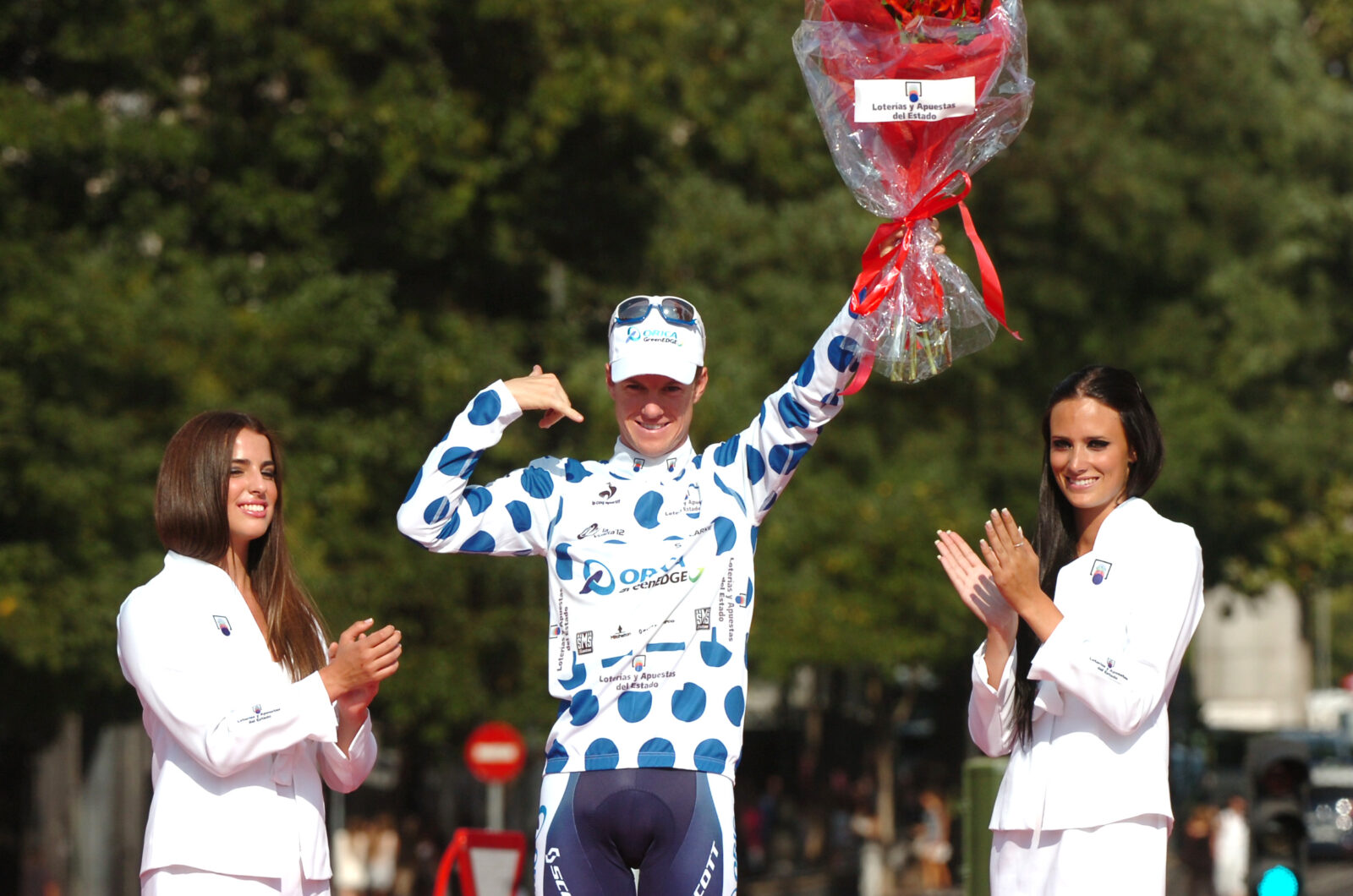
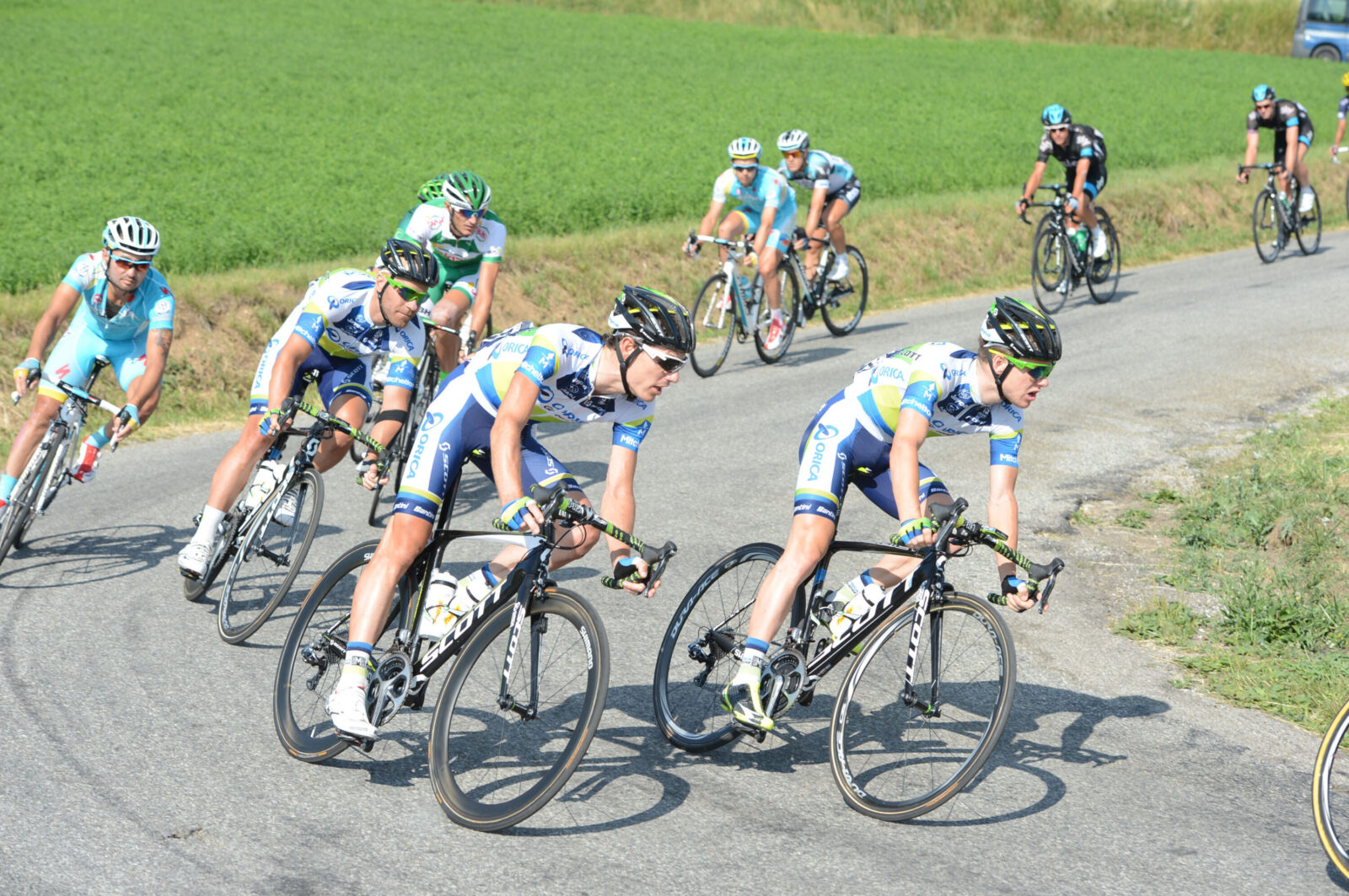
Nothing lasts forever, even when you’re one of Australian cycling’s most loyal servants, Simon Clarke. Now 39, Clarke started competitive riding with Carnegie Caulfield Cycling Club in Melbourne and graduated to the UCI WorldTour with Astana in 2011 before linking with GreenEDGE for its first season in 2012. He’s gone on to ride 20 grand tours, winning stages at both the Tour de France and Vuelta a España (twice). He also has second placings at the Giro d’Italia and Amstel Gold, and became a fixture on Australian national teams for well over a decade—including being a key member of the history-making squad in 2009 that supported Cadel Evans to the UCI World Championship in Mendrisio, Switzerland. It’s impossible to condense such a long and decorated career into a single interview, but we’ll do our best…
——
Bicycling Australia: Simon, you’ve been a professional cyclist since 2009 and before that you were a very successful U23 and Junior. When did you first realise ‘hey, maybe I can make a career out of cycling’?
SC: Good question. I think it dates back to before I discovered cycling. Growing up I played every sport under the sun and actually reached a point where my main sport was tennis for quite a while. Inside, I always wanted to be an athlete and even as a young kid I spent the whole time trying to find ‘my’ sport. I really just found cycling along the way.
BA: How quickly did you realise you had some talent for cycling?
SC: Reasonably quickly, but it wasn’t necessarily that I was better than other people. I’d just been putting so much energy into tennis and never really got much past a regional level. But suddenly within the first year of cycling I medalled at the State Championships and then again at the National Championships. That’s where I really thought ‘okay, I’ve put in the same effort as tennis and already reached the national level’—I wasn’t even close with my tennis game. Funnily enough I found myself riding a bike a whole lot more after that.
BA: Have you continued playing tennis in your spare time?
SC (laughs): No, haven’t played at all! That’s what makes me think it was far more about the art of being an athlete than the actual sport. I was more attached to the idea of being a professional athlete.
BA: Using that same logic, do you actually ‘love’ cycling then?
SC: Yeah, I do. Even when I was playing tennis I rode a lot. I grew up in the Dandenongs in Victoria where you don’t really have easy access to public transport, if you wanted to go anywhere it was on a bike. I just loved the freedom of movement on a bicycle. I had a Mongoose BMX for many years, it was more of a trick bike with a gyro fork. Spin the handlebars, all that kind of stuff.
BA: In the time you’ve been a pro cyclist there are hundreds—actually it’s probably even thousands—of riders who have come and gone. What do you put your longevity down to? Biology? Discipline? Luck?
SC: I think it’s difficult to put it down to any one specific thing. But ultimately, my goal was always to become a professor of my sport and not just live the good life, enjoy a wild blast and then see what happens down the track. I was always really focused on how to develop myself to be the best athlete possible and not just, ‘oh, I want to win every race’. Winning races is a by-product of being a good athlete, not the pure motivation. By thinking like that you create a more long-term, sustainable career. As part of that I’ve also been big on setting and achieving goals—that becomes even more important as you get older. Early on you’re just loving the sport and you don’t need to search for motivation because you’ve got it wherever you look. But as you get more experienced it’s easy to become stagnant. I’ve seen that from teammates and other professionals who reach a point where they struggle to find motivation and stimulation. Even now going into my last couple of months, I’m still learning and trying to develop; it’s just a constant learning curve because there’s always something new to be achieved.
BA: How influential is your team in the goal-setting process?
SC: You can’t have someone else entirely set your goals because you need to be motivated for them too. But at the same time, you can’t set the Tour de France as a goal if there’s no chance the team is going to take you. Over my career it’s been about setting realistic goals. For example, early on I wasn’t dreaming of the Olympics when I knew there were only three spots available and I wasn’t close to being one of the three best one-day riders from Australia. But as my career developed I started to realise ‘okay, now I’m a shot at this’. That’s when it came on my radar and became part of those goals.
BA: You’ve become one of most respected road captains in the pro peloton. Given that, it seems like a no-brainer that someone with your skill set would be a brilliant sports director. Is that something you’re considering?
SC (laughs): It may sound silly, but apart from the fact that I’m nearly 40, the main reason I want to retire is that I’ve got a wife and two kids at home that I really would like to spend more time with. Jumping straight into sports directing is a job where you spend even more time on the road than a rider does. I’d rather just keep riding than do that!
Having said I am going into a management role with my team (NSN Cycling) looking at material optimisation. I’ve always been into the nitty gritty of technology and equipment, my bike was always tricked out differently to my teammates and I’m going to apply that passion on a whole team basis. I’m a massive Formula One fan and believe that’s where cycling is headed too—the slower you are on the uptake of that mentality, the faster you’ll fall behind. I’ve actually been partly doing the role for a bit over a year now including multiple wind tunnel tests. We worked very closely with our former partners and Scott and Zipp (NSN Cycling’s new partners) have some top-of-the-range products so I’m really confident we’ll be on very competitive equipment in 2026.
BA: Is part of that role also educating other riders who are perhaps not as technically savvy as yourself?
SC: It’s actually the opposite. The biggest thing about being an athlete is removing distractions. Going down rabbit holes like that can potentially hinder performance from a preparation point of view. The idea is that I’ll be worrying about all that stuff so the riders don’t have to. They can race knowing their bikes have been tested, all the tyre options have been tested and they’ve been given the very best equipment possible for each race.
BA: Based on that, you’ll continue to be based in Europe?
SC: Yeah, exactly. I’ve lived in Andorra for a while now and we’ll be staying there with the NSN team base not too far down the road in Girona. It’s handy being close by and it’s a nice part of the world.
BA: The Tour Down Under will be your final WorldTour stage race, but it also played an important role in the early stages of your road career.
SC: The Tour Down Under is just a great stepping stone and opportunity as a young Australian rider to gain the attention of professional teams. The first couple of times I rode the Tour Down Under was before it even became WorldTour. To have seen it develop and grow over the years has just been amazing, where Mike Turtur and now Stuart O’Grady have been able to bring the race, it’s really something the European teams hold in high regard and it’s becoming more and more important each year.
BA: Your team won the Ochre Jersey two years ago with Stephen Williams, but he’s still struggling with a knee injury and won’t be here this time. What does that mean for NSN’s 2026 ambitions?
SC: It’s really unfortunate that Stevie has had injuries because I think the 2026 course is really well suited to him. We’re still going to have a strong team, but we’ll probably be focusing more on stages this time with guys like Ethan Vernon and also Jake Stewart who is his lead-out man and can sprint himself.
BA: Hopefully you guys can give Sam Welsford a run for his money?
SC: Yeah, exactly.
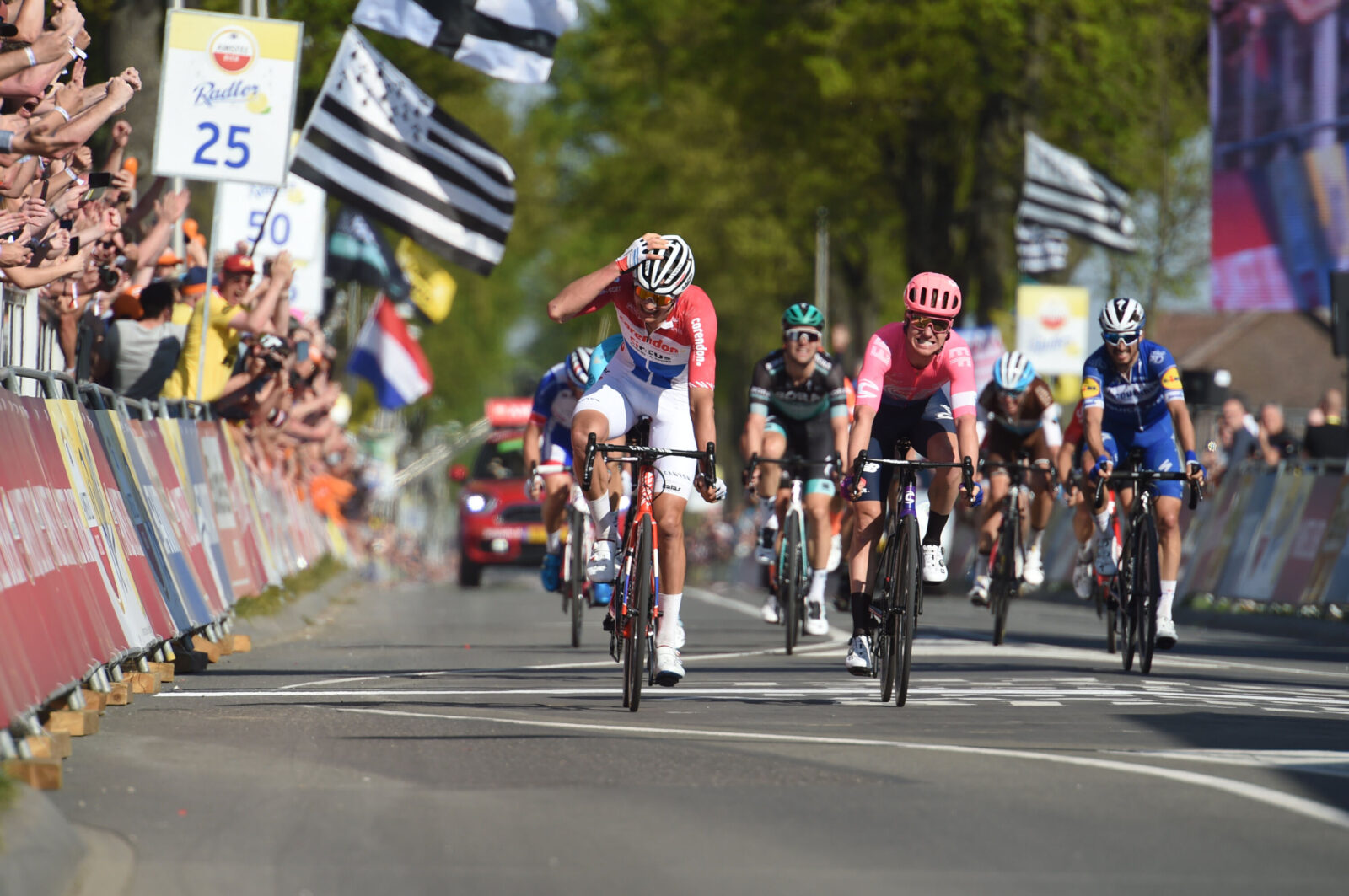
BA: You’ve won individual stages at both the Tour and Vuelta. You’ve come really close with a second place at the Giro and also at Amstel Gold in one of the most extraordinary one-day classic finishes of all-time in 2019. Can you talk us through that amazing day?
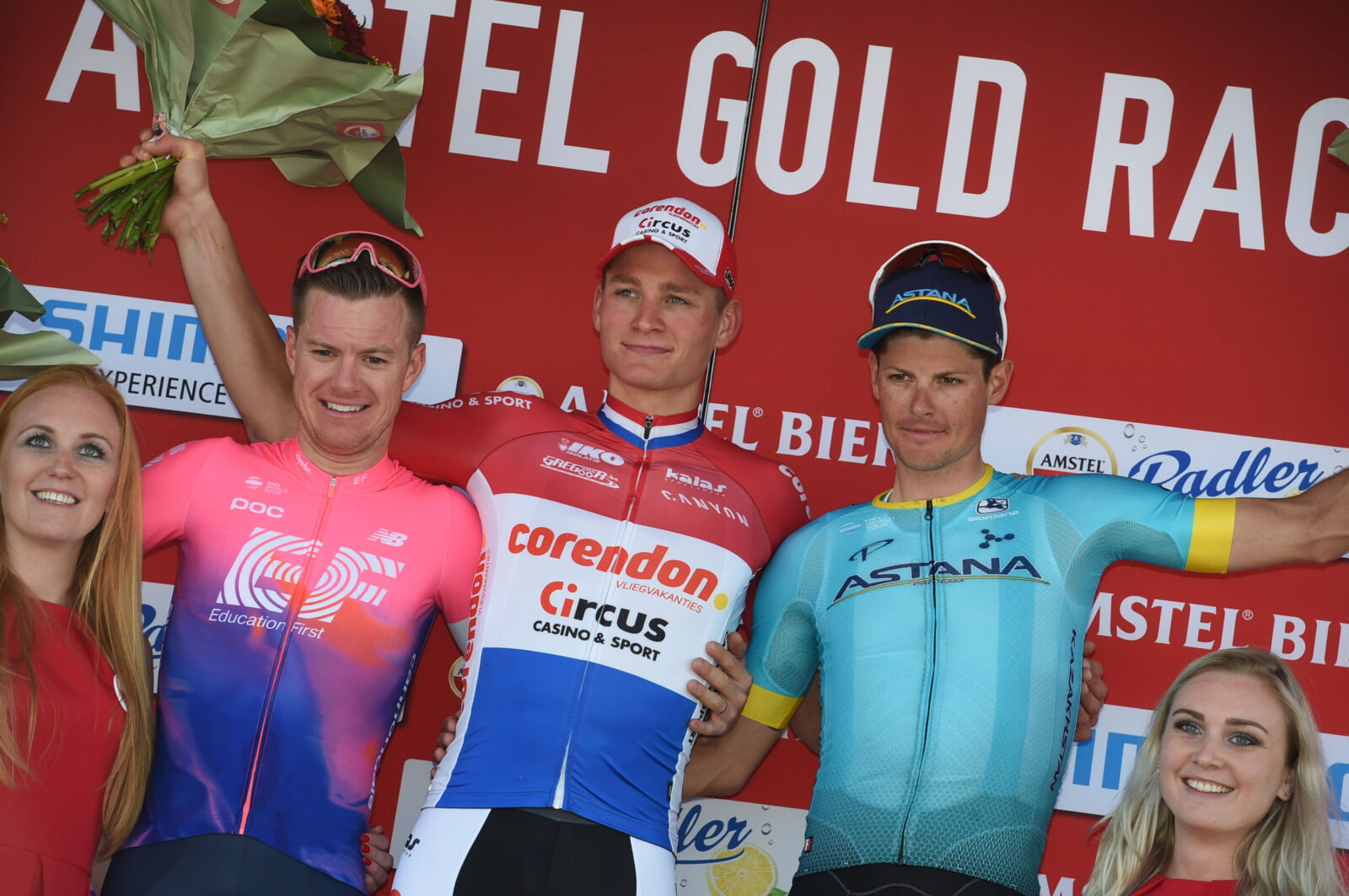
SC: I was part of the EF team at the time and my teammate Alberto Bettiol had just won Flanders two weeks before. That was the hot topic in the peloton. He was the in-form rider and between him and Mike Woods, my Canadian teammate, I wasn’t even a designated leader that day. But with 50km to go Alberto came on the radio and said he was cramping and wouldn’t be part of the final. Mike Woods had gone in the initial break with Fulsang and Alaphilippe, but when we brought him back he’d already fired his bullets and that opened the door of opportunity for me. Going into the last 10km I was with Bauke Mollema and we were something like seventh or eighth on the road, I remember thinking ‘just hang in there, I’ll be up for a top 10 finish.’ Then suddenly out of nowhere Matthieu Van der Poel catches us with under 3km to go and he’s got four or five other guys with him and I’m doing some quick maths, ‘seven plus five is 12, if I’m not careful, I won’t even finish in the top 10’. Van der Poel just continued to smash it all the way to the finish line and suddenly there’s everyone in front of us including the race leaders and I’ve gone from thinking maybe not even finishing in the top 10 to ‘right, let’s go for the race win’ and that’s when I went straight on to Van der Poel’s wheel—to this day I’m quite surprised that no one else tried to fight me for it. I was then on the receiving end of one of the most insane sprints I’ve ever seen!
BA: Another huge race at the very beginning of your pro career was Cadel Evans’ win at the 2009 World Championships in Switzerland. You played a pretty central role that day. What was that like as a young rider?
SC: Before the race Cadel was told he wasn’t going to get a whole lot of help from the national team that day as they were going with a different strategy. I was the only guy assigned to support him so I decided to take that challenge on and said, ‘right, I’m going to need to be the equivalent of six riders, we’ve got to take on the world.’ I really did everything I could to be there for him and, absolutely, it was pretty amazing. I think what people often don’t realise is Cadel should have won the Vuelta that year, he only lost in Spain because he punctured in Sierra Nevada and there was no one to give him a spare wheel. You don’t win or nearly win the Vuelta just two weeks before and not be in form and a shoe-in favourite for one of the hardest world championship courses I’ve ever raced.
BA: That was your first worlds at elite level, what a way to start.
SC: Yeah, 2009 was my first year as a pro. But strangely I really wasn’t nervous in the sense that I’d already done two junior world championships and three Under 23 world championships. I was lining up in my sixth worlds on the road, so the nerves of being on the world stage in the green and gold wasn’t much of an issue—it was more about ‘let’s get this job done.’
BA: That’s super interesting. It demonstrates the importance of having those pathways to bring young riders through so when they reach that top level in the green and gold, they’re ready to go.
SC: Definitely. In those days we didn’t quite have the depth we do now. Obviously Cadel won and we had some amazing elite cyclists, but we probably struggled to build a world championship team of eight riders who were all in the top 100 in the world. There was also a bit of an unwritten rule back then that they would take two young guys to every worlds for experience. In 2009 that was me and Wes Sulzberger, and to gain that experience was such an advantage for my future in big races. Nowadays, having much more depth of talent means we may be a victim of our own success. Stronger depth means we don’t have potential spaces to go in with younger riders.
BA: As an extension of that thought, how do you feel about the state of elite level Australian road cycling right now?
SC: It’s a tough one to be honest. All sports evolve whether you like it or not and they’re becoming more and more professional. Even at a club cycling level a lot of things have changed, often in ways you can’t always control. The biggest thing I suppose for Australian cycling is that with the UCI bringing in the need for pro teams to have development teams that’s really become the main pathway, whereas before we had national teams. All of these development teams are based in Europe so you really have to be there racing the whole European calendar to have any chance of turning pro—that just takes everyone who’s any good out of Australia. You then end up with what we have now, which is a national series that is a great project—the ProVelo Super League—but at the end of the day, it’s really just a pathway to help riders get into one of these development teams. That’s a good thing, but it’s also a bit difficult to see it becoming anything more than that because of the current (global) structure of pro cycling. I don’t know what the answer is, but it’s hard to encourage a local series like this but then also say ‘if you’re any good you can’t be in Australia’. It’s a catch-22.
BA: On the subject of racing here in Australia, the Nationals are in a couple of weeks over in Perth. Will you be lining up in the road race or are you going straight to Adelaide?
SC: One thing I’ve always tried to do is get back and make an effort to do my little part in supporting the local racing. But I won’t be in Perth this year unfortunately, just from a logistical point of view. I flew straight from Europe into Perth last year but it’s challenging for me to get there this time as I’ve got my family with me.
BA: You won the U23 National title in 2008 and have gone close a few times in the Elite race, finishing second behind Luke Plapp in 2023. Does it frustrate you that you never won?
SC: I wouldn’t say it’s frustration. But of all the goals I’ve set in my career, the two that I didn’t come away with were to win a National Championship and win a stage of the Giro. I’ve come second in both, so I can’t complain too much. I always found the Nationals quite challenging because I prioritise so much of the racing in Europe that I usually struggled to find form in January. I wanted to be competitive, but I didn’t want to sacrifice the rest of the season. Being honest, I probably didn’t commit enough to the Nationals over the years in the sense that I always had half an eye on the European season and what was coming up a couple of months later.
BA: Aside from spending more time with your family, what are you looking forward to when you step away from pro riding in February?
SC: You know, I’ve embraced this sport, the lifestyle and the job entirely. There’s really nothing I ever dreaded doing because I was just fully committed to the cause. But the one thing that maybe has dropped off for me over the years is the more I look at my bike, the more it’s become my work tool rather than my passion. That’s one thing I’d like to regain post-professional cycling—learn to re-appreciate the freedom of just riding a bike and enjoying it for what it is.
BA: That sounds perfect to us Simon. Thanks so much for your time, all the very best in Adelaide and Geelong.
Peter Maniaty
Peter Maniaty - Peter is Bicycling Australia’s senior journalist, and highly respected in the world of cycling. From bike reviews, to destination features and nitty gritty opinion pieces, he’s a gun writer.