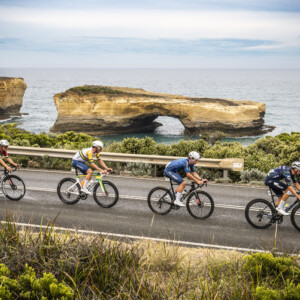


 Nicola Rutzou and Harry Kooros
Oakley has long been synonymous with cycling, its eyewear worn by winners of the sport’s biggest races for decades. As a fan since the early 2010s, I’ve seen plenty of the brand’s more divisive designs come and go – models like the Jawbone and Jawbreaker that you either loved or hated at first glance.
Over the past few months, we’ve been testing two very different Oakley models: the Velo Kato (Nicola) and the Encoder (Harry). The Velo Kato is bold, futuristic, and unmistakably Oakley – a design that will turn heads and divide opinion. The Encoder, by contrast, takes a more familiar approach, with a shape that feels easier to live with day to day while still delivering the performance Oakley is known for.
Encoder
First impressions
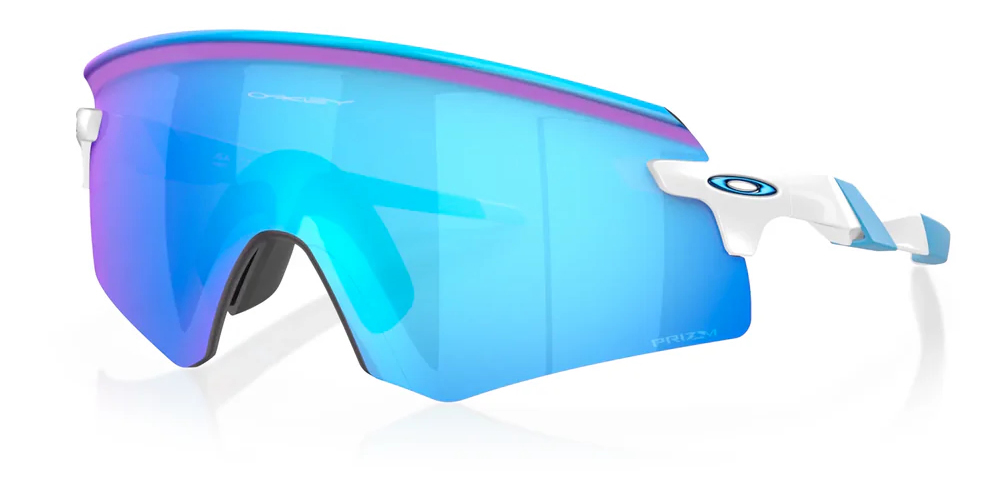
From the moment you pick them up, the Encoder feels every bit as high-end as we’ve come to associate with Oakley. The frame is solid and premium, without the brittle flex often found in cheaper eyewear. The optics are a clear highlight, with the Prizm lens delivering sharp contrast, crisp clarity and impressive colour definition.
The Encoder features a semi-rimless wraparound design built around a large, curved lens that offers an expansive field of view and generous coverage. The frame is lightweight yet sturdy, with just enough flexibility where it matters.
On-bike performance
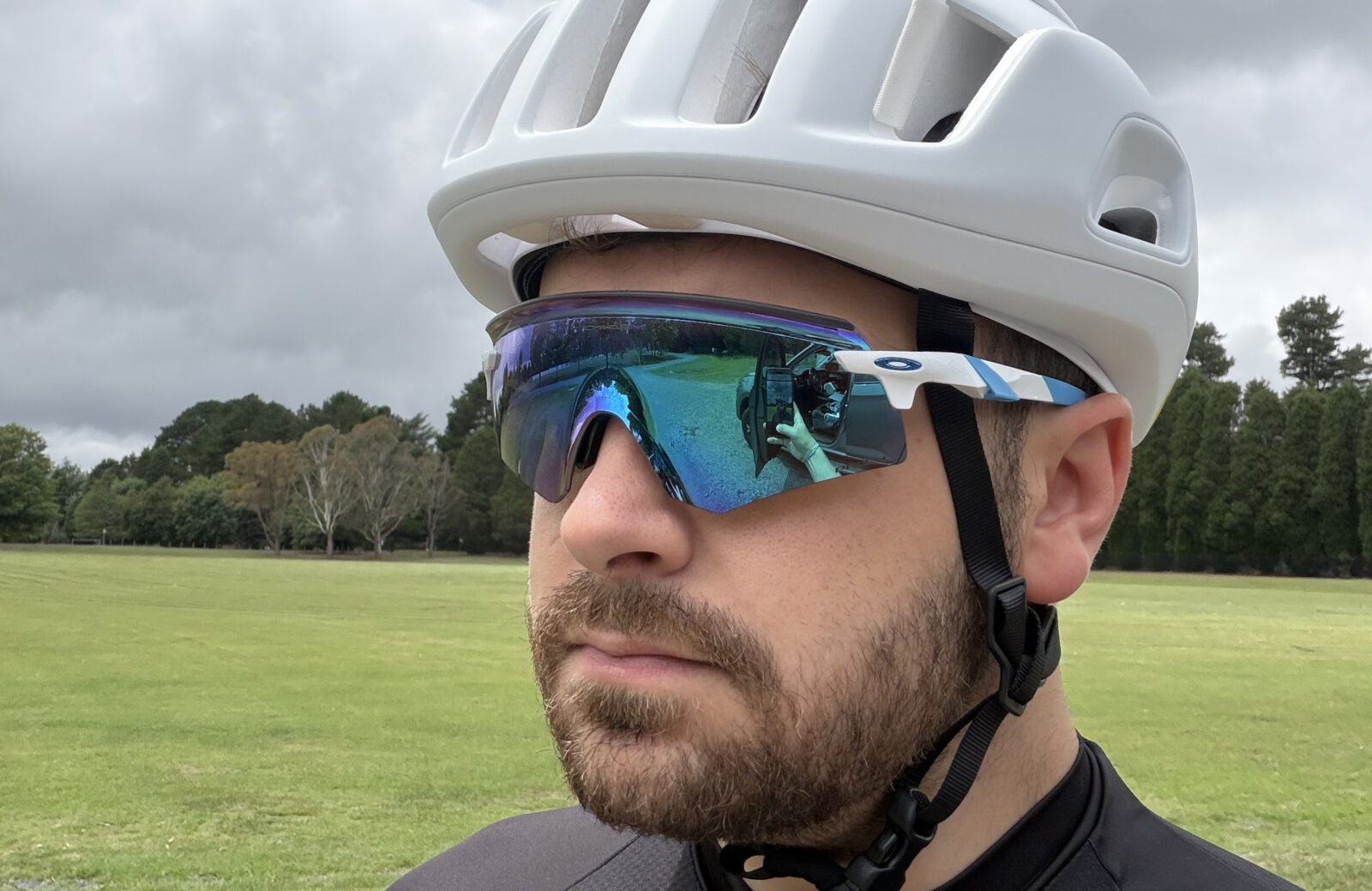
Out on the road, the Encoder performs very well. The large shield lens provides excellent peripheral vision and effective wind protection at speed.
In hot conditions, the Prizm lens maintains strong contrast on bright, sun-bleached tarmac and still offers enough definition through patchy shade. Venting is solid. Even on longer climbs in warm weather, I didn’t experience any fogging, which is saying something given I’m a heavy sweater and usually do.
Fit and retention are a real highlight. They sit securely on the face and pair well with my helmets, including the POC Cytal and Giro Agilis, with no interference or pressure points. Comfort remains consistent over several hours in the saddle.
For riders with medium to larger head shapes, the coverage and stability make these a genuine all-day option.
Limitations
There are a few things worth noting before committing.
The moulded nosepiece is quite prominent and can sit in your line of sight depending on head position. Some riders won’t notice it, but if you’re sensitive to visual obstructions or ride in a very aggressive position, it’s worth trying them on first.
Another limitation is the lack of interchangeable lenses. If you regularly ride at dawn, dusk or in mixed-light conditions, the fixed lens reduces versatility. The Encoder excels in consistent daylight, but it isn’t designed for riders who want multiple tints or photochromic options.
Finally, the price sits firmly in premium territory. For many riders the performance will justify it, but those prioritising lens-swapping flexibility may find better value elsewhere.
Verdict
For riders wanting a secure, helmet-friendly pair of sunglasses with excellent optics and wide coverage, the Encoder delivers. Clarity is sharp, stability is strong, and the build quality feels properly premium. It’s an easy option to reach for on most road rides.
They’re not the most versatile pair on the market. The prominent nosepiece won’t suit everyone, and the fixed lens limits flexibility in changing light. If you mostly ride in consistent daytime conditions and want a set-and-forget performance option, the Encoder makes a lot of sense. If you prioritise adaptability, there are better options available.
Velo Kato
First impressions
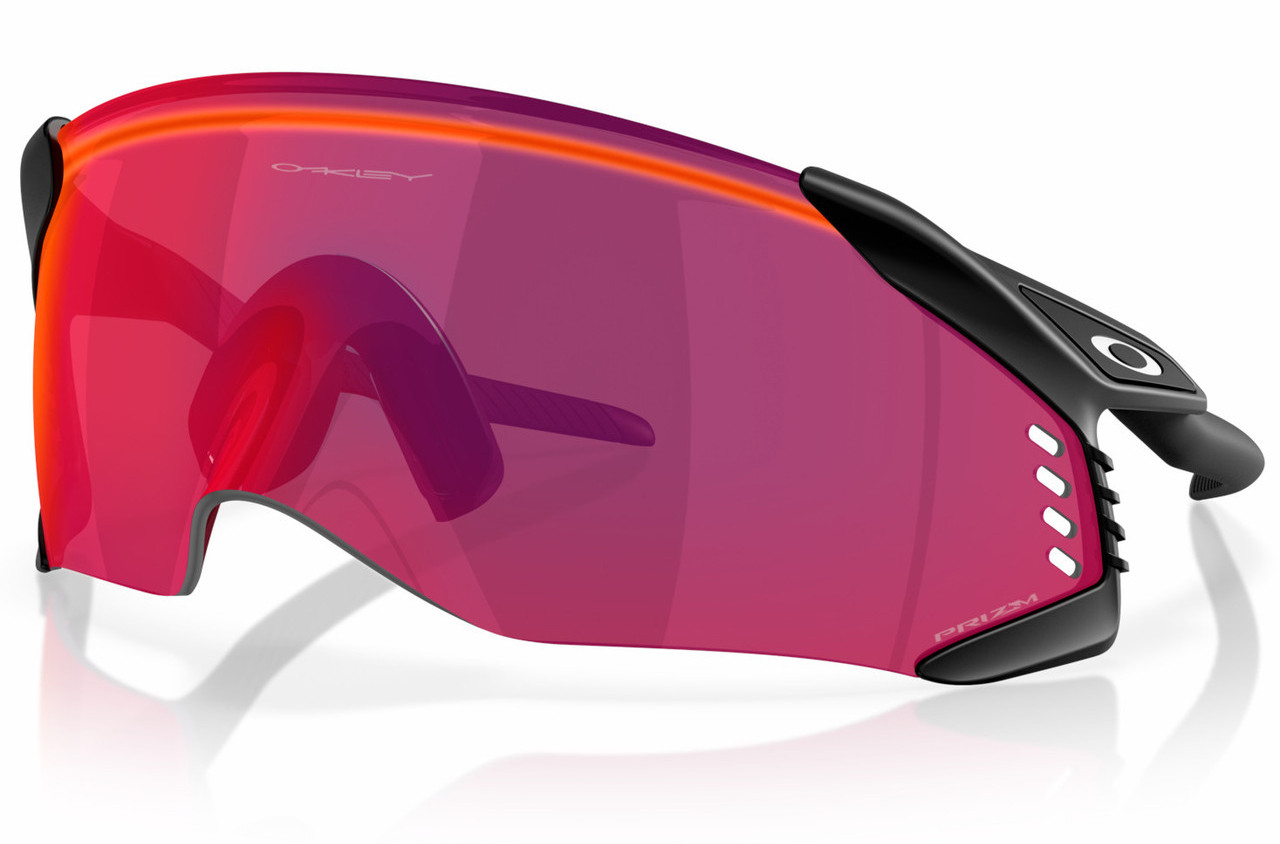
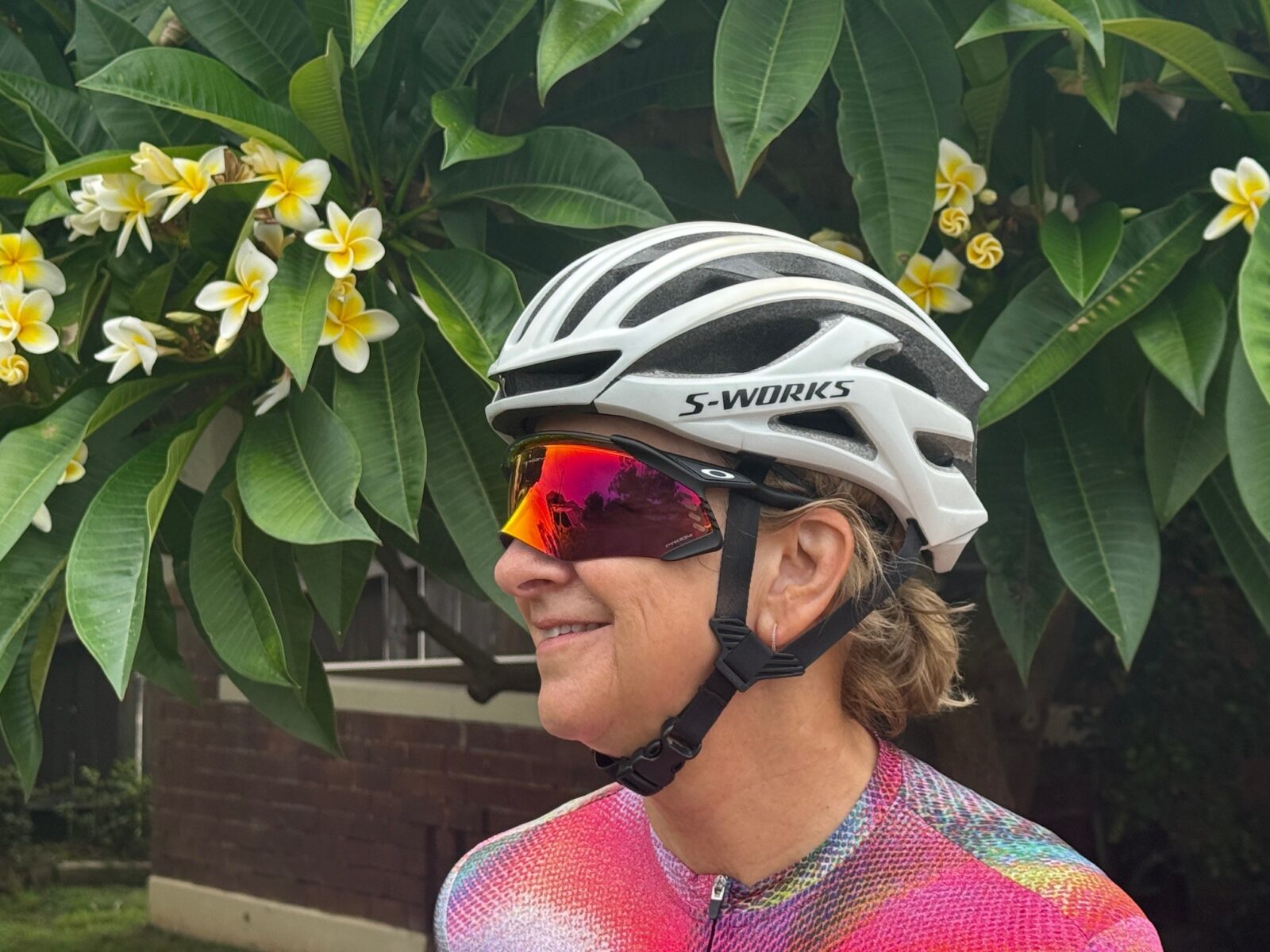
Right from the start, the Velo Kato gives off the refined feel you’d expect from Oakley. The frame feels robust and well-finished, avoiding the hollow or flexible sensation common in budget sunglasses. Optical quality stands out immediately, with the Prizm lens offering excellent contrast, sharp detail and rich colour separation.
The design centres on a semi-rimless, wraparound profile with a single, deeply curved lens that delivers broad coverage and a wide field of view. Despite the minimal look, the frame strikes a good balance between low weight and reassuring durability, with controlled flex where it’s needed most.
On-bike performance
Once riding, the Velo Kato proves itself quickly. The oversized shield lens gives outstanding peripheral awareness and does a great job of deflecting wind at higher speeds.
In hot, bright conditions, the Prizm lens continues to perform strongly, preserving contrast on sun-washed roads while still providing usable definition in broken shade. Ventilation is effective, too.
Fit and security are standout qualities. The glasses stay planted on the face and integrate well with my helmets, including models from Kask and Specialized (I wear a small size), without rubbing, pressure points or unwanted movement. Comfort remains consistent even after several hours of riding.
Limitations
There are a few caveats worth considering.
The arms don’t bend! Unlike every pair of glasses I’ve ever worn the Velo Kato’s arms are fixed in place so they take up more space than most sunglasses. They come with a dedicated large case (although the test pair didn’t) but it wouldn’t be ideal for travel.
The integrated nosepiece is fairly pronounced and, depending on head angle and riding position, can creep into your field of vision. Some riders may never notice it, but those who are sensitive to visual distractions or ride in a very low, aggressive position should try before buying.
Another drawback is the non-interchangeable lens. Riders who frequently head out at dawn, dusk or in variable light will miss the flexibility of swappable or photochromic options. The Velo Kato thrives in steady daylight but isn’t aimed at riders seeking one frame for every lighting scenario.
Pricing is also firmly at the premium end. The performance will justify the cost for many, but riders who value adaptability through lens changes and folding arms, may find stronger value elsewhere.
Verdict
If you’re looking for a stable, helmet-compatible pair of sunglasses with excellent optics and generous coverage, the Velo Kato performs extremely well. Visual clarity is impressive, on-face security is confidence-inspiring, and overall build quality feels top tier.
That said, it isn’t the most adaptable option available. The noticeable nosepiece won’t work for everyone, and the fixed arms, and lack of lens options limits usefulness in changing conditions. For riders who mostly train and race in consistent daylight and want a dependable, no-fuss setup, the Velo Kato is a strong choice. If versatility is your top priority, other models may suit you better.
Who they’re for
Oakley Encoder
Best suited to endurance riders, road cyclists, and mixed road or light gravel riders looking for a high-performance pair of sunglasses that covers the majority of their riding. It’s the more versatile option of the two. Less suited to riders chasing the most aggressive styling or absolute maximum coverage.
Oakley Velo Kato
Built for racers, fast group rides and riders who prioritise field of view and locked-in stability above everything else. It’s unapologetically performance-focused and less suited to casual riders or those wanting a pair they can comfortably wear off the bike.
Price and value
Oakley has never positioned itself as a budget brand, and both models reflect that.
The Velo Kato sits at the sharper end of the range, with pricing aligned to its race-driven design and coverage. The Encoder remains firmly premium but arguably represents the more balanced value proposition for riders seeking everyday usability alongside performance.
Specifications
Encoder
Weight – ~32 g
Lens Transmission – depends on Prizm lens chosen (e.g., ~15–20% for medium–bright conditions with Prizm Road; ~11% for bright conditions with Prizm Black)
Lens Colours – Prizm Sapphire (tested), Prizm Road, Prizm Low Light, Prizm 24k, Prizm Trail Torch, Prizm Black, Prizm Field, Prizm Snow Sapphire
Frame Colours – Polished White (tested), Matte Black, Matte Carbon, Dark Galaxy, Matte Red Colourshift, Sanctuary Swirl, Spectrum Gamma Green, Matte White, Transparent Curry, Matte Moss Green, Clear Terrazzo, Polished Black
Price – $384
Velo Kato
Weight – ~41 g
Lens Transmission – depends on Prizm lens chosen (e.g., ~15–20% for medium–bright conditions with Prizm Road; ~11% for bright conditions with Prizm Black)
Lens Colours – Prizm Road (tested), Prizm Low Light, Prizm Sapphire, Prizm 24k, Prizm Trail Torch, Prizm Black
Frame Colours – Matte Black (tested), Matte White, Matte Clear, Blue, Grey, Matte Grey Ink
Price – $456

Nicola Rutzou – a long-time contributor and, most recently, the editor of Bicycling Australia. Nicola is a keen Sydney-based road cyclist who writes reviews, news, and destination pieces.

Harry Kooros
Harry Kooros - As a former Advertising Manager of Bicycling Australia, Harry is a keen roadie who has stepped up as a contributor to share his riding and product experiences.