
 Mike O'Connor
This is part two of our two part series on marginal gains. You can see part one, from last week, here.
Clean that chain (and the other bits too…)
Last week I mentioned the importance of keeping your wheels, hubs and bearings clean, and with that done I should really also touch on the drivetrain, and in particular the importance of keeping it efficient.
A clean chain, the right lubricant and proper alignment may not be the most exciting upgrades, but they can save measurable watts.
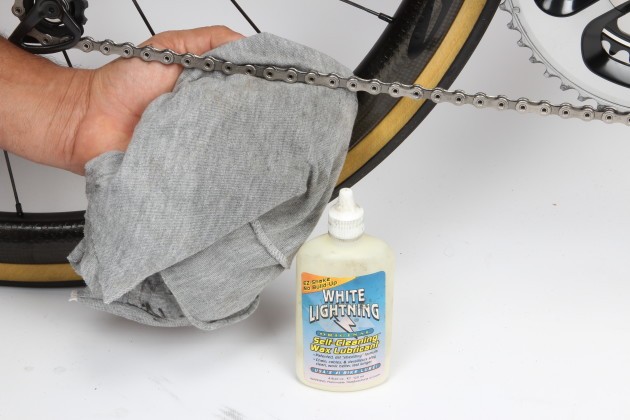
Professional teams pay close attention to mechanical losses, regularly servicing drivetrains and monitoring wear because even small inefficiencies add up over the course of a long stage or a hard training ride.
Again, it sounds like a tiny thing, but something as simple as a dry chain, worn cassette or poor chainline can waste energy that the rider has worked hard to produce.
This is an area where everyday cyclists can arguably gain more from maintenance than from new equipment. The choice between wax and oil-based lubricants, keeping the drivetrain clean, and making sure gears are adjusted correctly can all improve how smoothly your bike runs.
Details such as pulley wheel condition, bearing drag and general setup rarely get the same attention as flashy lightweight components like carbon wheels, but they can make just as much difference to how efficient the bike feels.
The idea behind marginal gains is to look for every small source of friction, not just the obvious upgrades, and the drivetrain is one of the easiest places to find them.
Getting your flow on
We probably all have one of those riding buddies (like my friend James) who just seems to float around every corner, pulling away effortlessly, while we slog along, gritting our teeth and hoping the next straight is long enough to catch up.
Part of that magic isn’t raw power—it’s a smart cornering and handling technique. Learning to carry speed through turns, picking the smoothest line, and anticipating changes in the road can save you seconds every time you corner. That adds up over a long ride or a twisty descent, letting you maintain momentum without wasting extra energy.
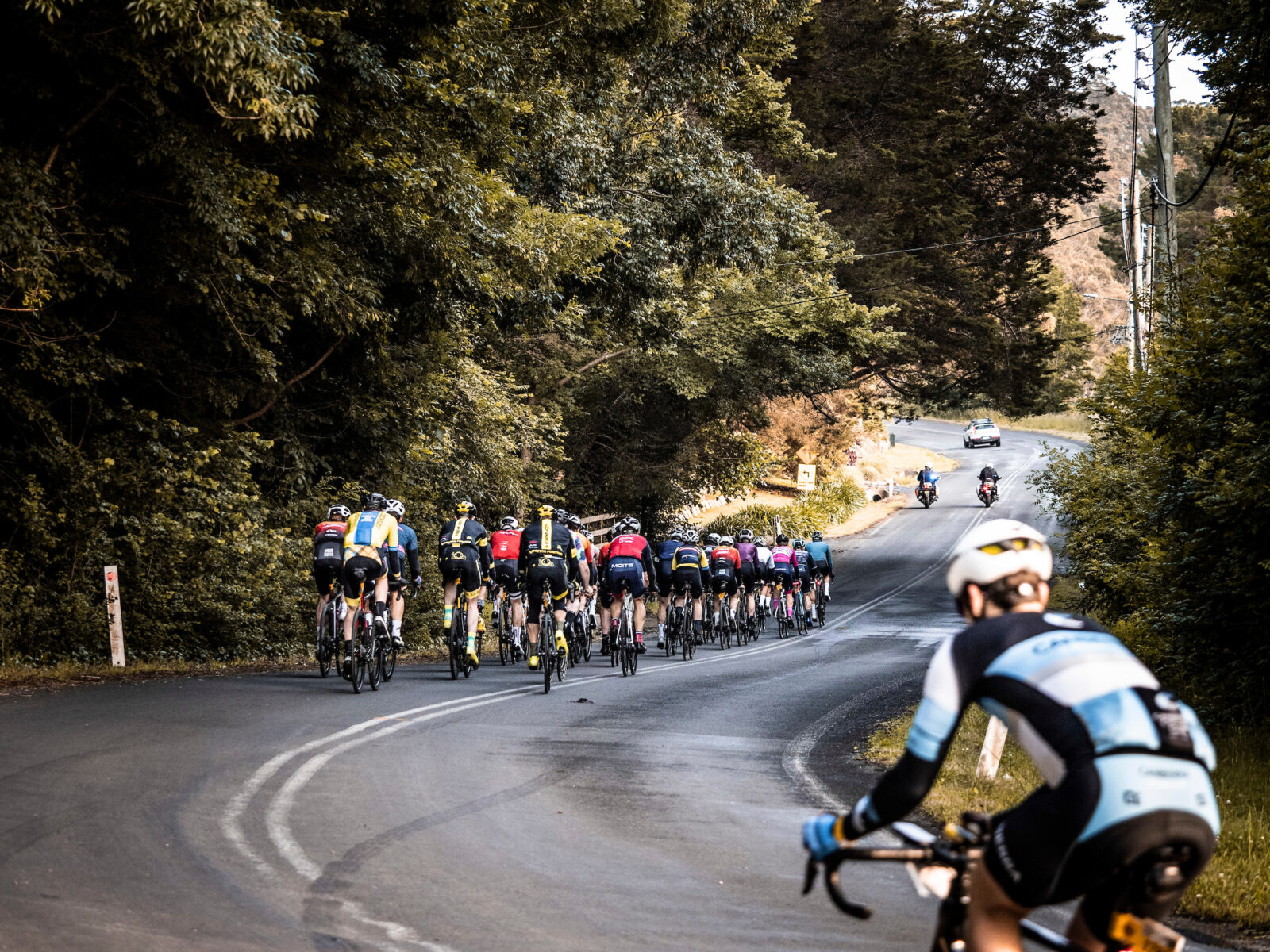
Even small adjustments make a difference. Sitting slightly differently, looking ahead to plan your line, and keeping your inside knee and pedal position in check can help you corner more fluidly. It’s one of those marginal gains that doesn’t require new gear, just a bit of practice and attention.
Over time, the rides start to feel faster, smoother, and a lot more controlled. Plus, you might finally stop watching your friend pull away and start wondering how you’re now suddenly keeping up.
We all need our zzz’s
Another area where the idea of marginal gains has extended beyond the bike itself is recovery. During the Team Sky era for example the concept became famous for including details like personalised mattresses, pillows and tightly controlled sleep routines.
It may sound a bit overkill, but the thinking behind it was simple: riders who recover better can train harder, perform more consistently and make better decisions under fatigue.
At the highest level of the sport, small improvements in sleep quality or recovery can translate directly into higher power output and better endurance over long stages.
That same principle applies just as much to everyday cyclists. Turning up to a ride tired, under-fuelled or still carrying fatigue from the previous week can undo the benefit of even the best training plan.
Paying attention to sleep, allowing proper rest between hard efforts, and managing stress away from the bike can all make a noticeable difference, and are much easier these days with things like smartwatches.
Tools like sleep tracking, compression gear and recovery routines are now common in the pro peloton, but the biggest gain for most riders is simply recognising that time off the bike is just as important as the time spent on it.
Become an eating addict with a riding problem
I know, I know, fueling is pretty dull, but have you ever noticed how the pros swear by the importance of fueling correctly? There’s a reason for this. At the top level, riders plan every bite and sip because a well-fed cyclist is a faster, happier cyclist.

Skip breakfast or forget your mid-ride snacks and suddenly your legs feel like they have been replaced with bricks halfway up the next hill. Even tiny improvements, like a well-timed gel or a sip of water, can make a long ride feel a lot less like punishment and a lot more like fun.
If you want to get more serious and strategic about your fueling, there’s endless fueling guides out there, perfect if you want to nerd out about the right amount of carbs per hour of effort.
As a starting point, we’d recommend Rebecca Hay’s excellent guide we published last year here.
Remember, it’s meant to be fun!
Before you start worrying about every little thing you could do to ride more efficiently, remember that cycling is meant to be fun, and you don’t need to become a marginal gains obsessive to enjoy yourself out there.
That said, a few small tweaks can make a noticeable difference, and if you’re serious about your riding, they’re worth keeping in mind.

Mike O’Connor – A keen cyclist, runner and photographer, Mike O’Connor is the Editor of Bicycling Australia. He manages the BA website and social media, and loves promoting the achievements of Australian cyclists.