
 Mike O'Connor
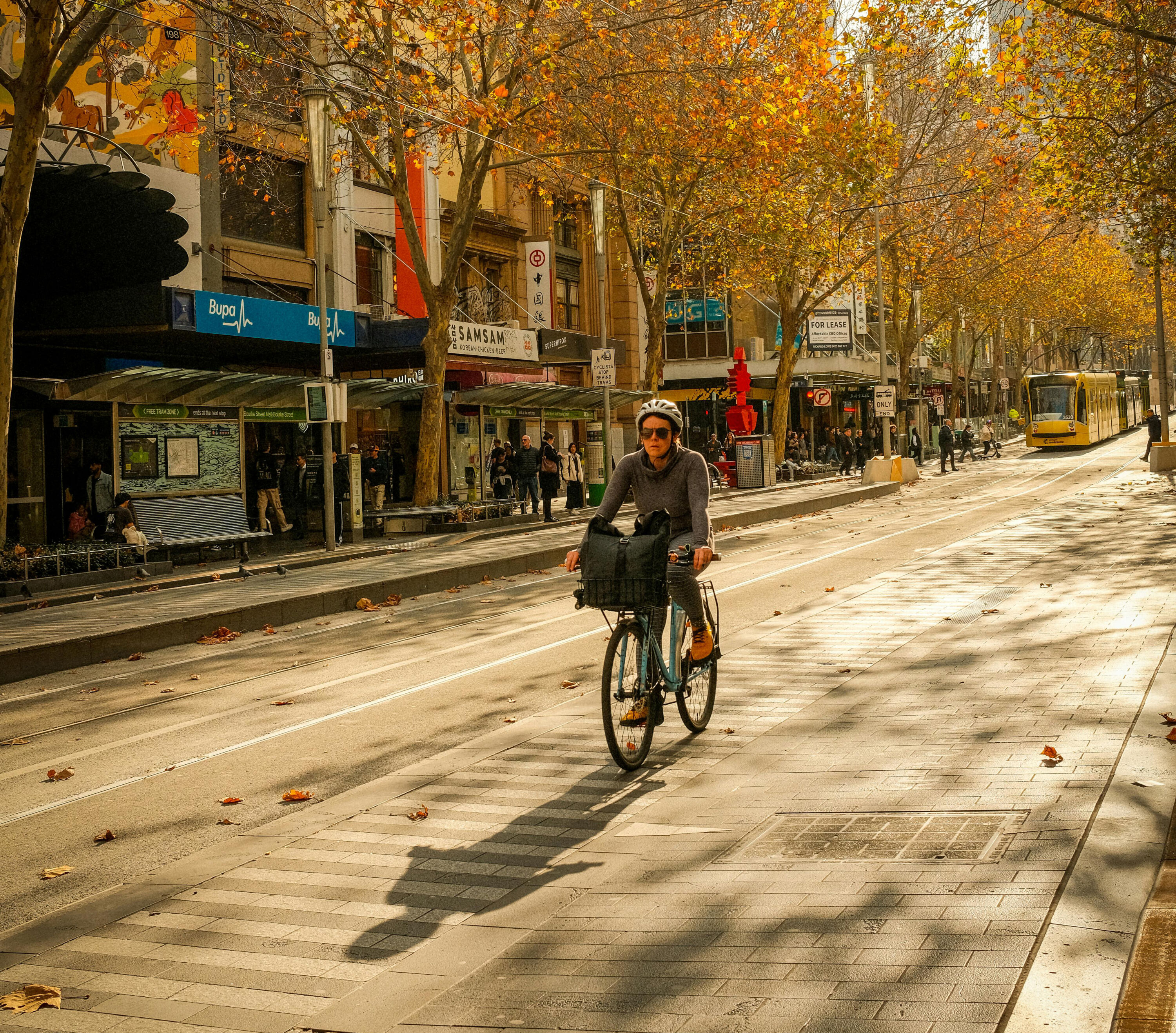
As fuel prices surge and supply uncertainty ripples across global markets, cycling is once again emerging as a practical alternative for everyday transport, with suggestions that more Australians are reconsidering life on two wheels.
Historically, periods of fuel stress have nudged more people towards bikes, especially for short, routine trips like commuting, school drop-offs, and other errands, and that appears to be the case with this crisis, with some Australians already replacing their cars with bikes for shorter trips.
According to the ABC, fuel prices in Australia have jumped around 40% since the Middle East conflict escalated. In response, the Labour government announced on Monday that fuel excise would be halved and road user charge slashed.
A 50% reduction of the excise would reduce the cost of fuel by 26.3c per litre, Prime Minister Anthony Albanese told reporters on Monday, meaning a $16 reduction when filling up a 60-litre tank.
“We are making fuel cheaper today because we understand that Australians are under serious pressure,” he said.
At the same time, the federal government is actively encouraging reduced car use, reinforcing a shift towards alternatives like cycling.
Should we call it Covid-91 then?
Cycling saw explosive growth during COVID-19 lockdowns, with many bike shops struggling to keep up with unprecedented demand.
Cycling advocacy body Bicycle Network says it has already seen an increase in inquiries at a number of bike shops, something echoed by Lewis Denver, who runs ReCycle Bicycle Sales shop in Adelaide.
“The bikes we sell are more of a hobby than a mode of transport, so sales haven’t doubled or anything crazy yet, but I’m seeing a slight uptick,” he told BA.
“The main thing I’m seeing is an increase in servicing of old bikes hidden in the back of the shed, covered in spiderwebs.”
He’s hopeful that the increase in popularity will lead to more people becoming cyclists.
“I’m lucky that I don’t need to drive a car every day, but when the first lockdowns happened during Covid, it was awful, but the silver lining is that it brought families closer together, because they couldn’t go out. I think the silver lining we’ll eventually see from the fuel crisis is happier and healthier people riding more.”
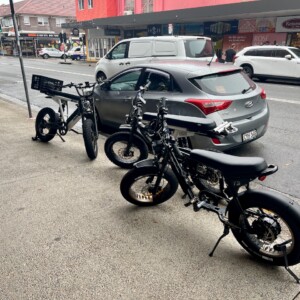
Another silver lining, for e-bike manufacturers at least, is that electric bikes are one area where growth will likely be significant as riders look to cut fuel costs without overhauling their daily routines. With their ability to flatten hills and let riders arrive at their destination not a sweaty mess, e-bikes make a lot of sense for urban environments.
Trek ANZ General Manager George Bunt says the company has seen a clear nationwide shift already.
“Both our online platform, trekbikes.com, and our store and dealer network have experienced a significant increase in customers looking for commuter and e‑bikes,” he said.
“People are actively seeking smarter, more sustainable ways to manage their daily travel, and bicycles—particularly e‑bikes—have become a practical and affordable solution for everyday commuting.”
Whether this current growing interest translates into a full-blown boom remains to be seen.
In many ways, the landscape has already shifted since the COVID lockdown era.
E-bikes, along with hybrid and electric vehicles, are now well-established transport options, and many workers have already adapted to hybrid work patterns. However, the economy is in a totally different place to where it was in the early 2020s, with a well-documented cost of living crisis increasingly squeezing people’s disposable income.
Even so, the conditions for change are building. If fuel prices continue to climb sharply, the shift towards cycling could accelerate quickly, particularly for short, everyday trips where the bike remains the most accessible and cost-effective alternative.

Mike O’Connor – A keen cyclist, runner and photographer, Mike O’Connor is the Editor of Bicycling Australia. He manages the BA website and social media, and loves promoting the achievements of Australian cyclists.