

 Harry Kooros
For most riders, Bafang is one of those names that sits quietly in the background.
You might spot it on a motor casing, buried deep within an e-bike spec sheet or mentioned briefly alongside battery capacity and torque figures. Yet behind that small logo sits one of the biggest players in the global e-bike industry.
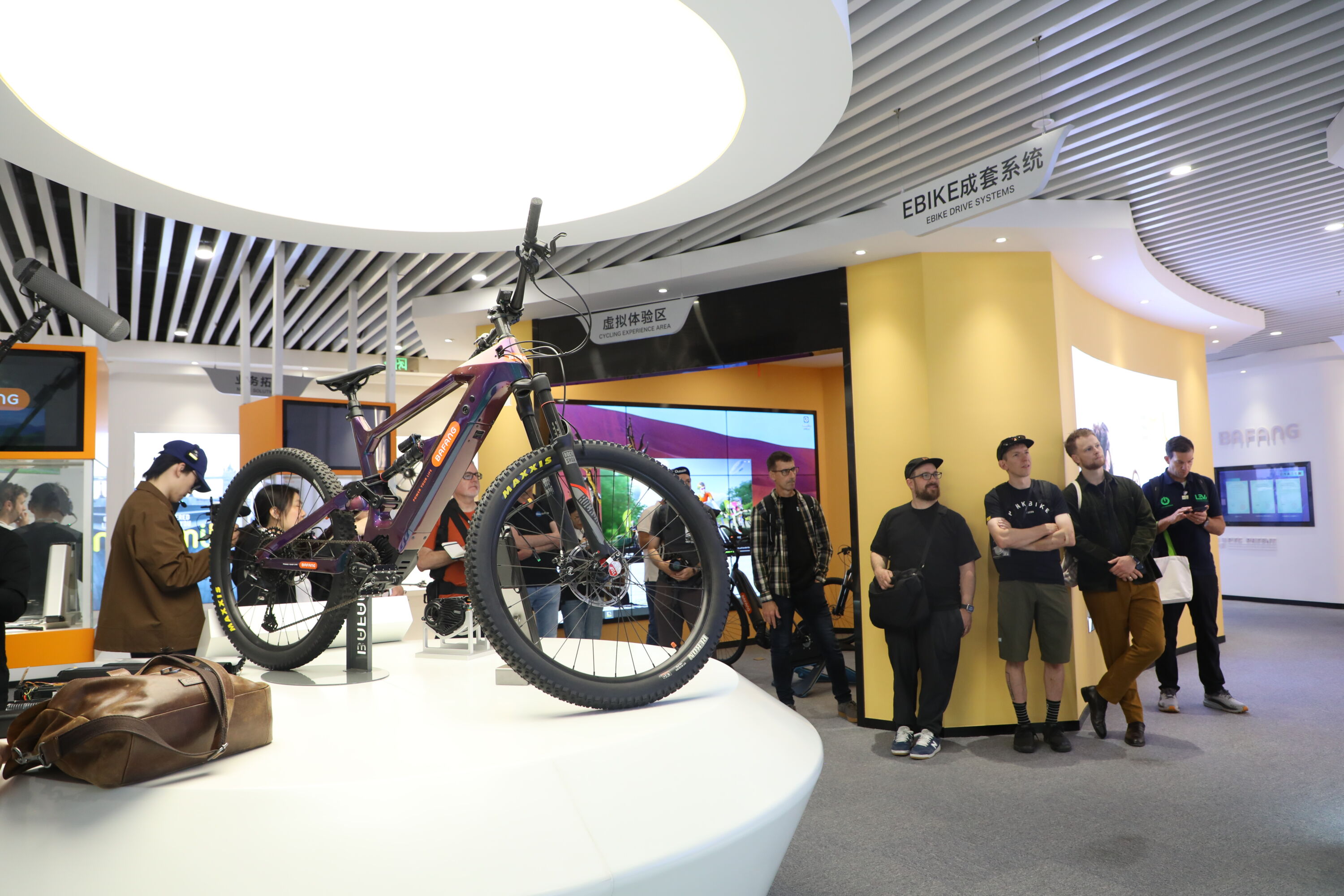
During a recent trip to China, we had the opportunity to tour both Bafang Electric (Suzhou) Co., Ltd. – the company’s primary R&D and manufacturing headquarters – and Bafang New Energy (Suzhou) Co., Ltd., its dedicated battery production facility. Watching the operation firsthand offered a fascinating glimpse into the scale, engineering and quality control behind modern e-bike technology.
Founded in 2003 and formerly known internationally as 8FUN, Bafang has grown into one of the world’s largest e-bike drive system manufacturers, supplying motors, batteries, displays and integrated systems to brands across Europe, Asia and increasingly Australia. While many riders may not immediately recognise the name, there’s a good chance they’ve ridden a bike powered by Bafang technology at some point.
The company now produces systems for everything from commuter bikes and cargo bikes through to e-MTBs, gravel bikes and high-performance urban platforms. What became immediately clear during our visit was just how vertically integrated the business has become.
The scale of the main Suzhou facility hits you almost immediately. Production lines stretch across vast factory floors, with motors, drive units and electronic systems moving through tightly controlled assembly stations. Some areas are highly automated, while others rely on skilled technicians carrying out precise assembly and inspection procedures.
What stood out most throughout the tour, however, was the sheer emphasis placed on quality control.
Everywhere we looked, products were being tested, inspected or validated. Motors undergo endurance testing, vibration testing and environmental stress simulations designed to replicate years of real-world use. Random quality checks are conducted throughout production, while dedicated testing areas focus purely on reliability and long-term durability.
As riders, it’s easy to focus on power figures, battery range and ride feel. Seeing the amount of testing taking place behind the scenes provides a very different perspective on what goes into an e-bike system before it reaches a showroom floor.
Just as noticeable was the focus on cleanliness.
Several sections of the facilities required visitors to wear protective clothing before entering. Hair covers, protective garments and strict cleanliness procedures were standard practice in certain production areas, particularly where sensitive electronic components and batteries were being handled.
It quickly became clear that maintaining a controlled manufacturing environment is a major priority. Dust, contaminants and even small environmental variations can impact the performance and reliability of modern electronic systems, making cleanliness a critical part of the production process.
The R&D side of the business was equally impressive.
Bafang continues investing heavily in integrated drive systems, lighter motors and software development as e-bike technology continues to evolve. The performance gap between traditional bicycles and e-bikes has narrowed dramatically over the past decade, particularly in road, gravel and lightweight urban categories, and companies like Bafang are playing a significant role in that progression.
The second stop of the tour took us to Bafang New Energy (Suzhou) Co., Ltd., where the company develops and manufactures its battery systems.
For many riders, batteries remain one of the most mysterious components on an e-bike. We know their capacity, charging times and estimated range, but rarely think much about what goes into producing them.
Inside the facility, it became obvious just how much precision is involved.
One of the most interesting areas was the battery cell storage facility. Before entering production, cells are stored in heavily climate-controlled rooms where temperature and environmental conditions are carefully monitored and maintained. The level of control was striking and highlights just how sensitive modern lithium battery production can be.
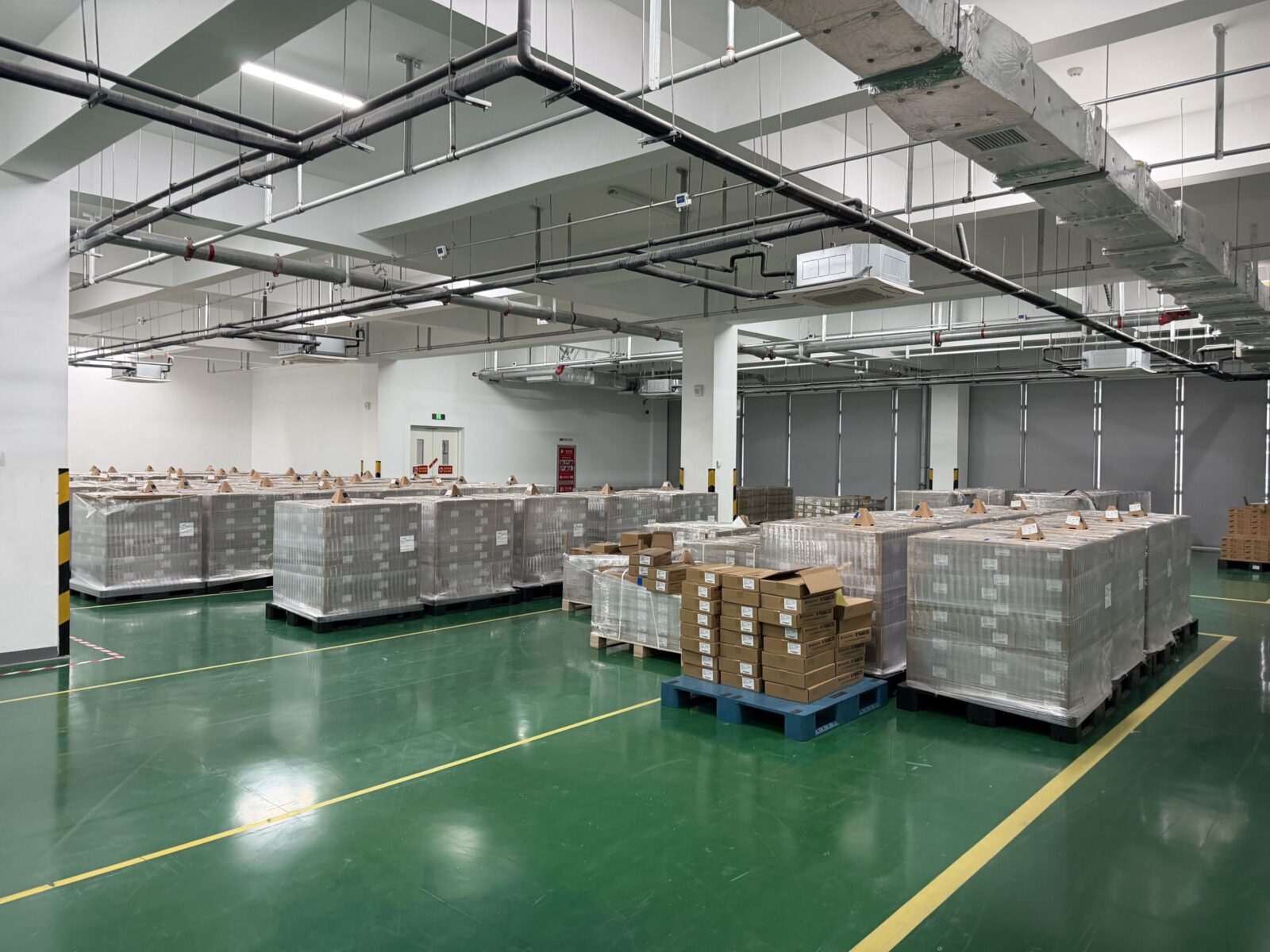
From there, cells move through a series of carefully managed production stages involving testing, pack assembly and battery management system integration. Every step appeared highly methodical, with batteries undergoing multiple inspection and verification processes before completion.
Much like the motor facility, quality assurance was impossible to miss. Batteries move through extensive testing procedures designed to verify performance, reliability and safety before leaving the factory.
The experience also highlighted just how far the e-bike industry has come in a relatively short period of time.
A decade ago, e-bikes were still viewed by many riders as niche products. Today, the engineering, manufacturing capability and investment behind the category rivals some of the most sophisticated industries in the world.
Companies like Bafang are no longer simply producing motors. They are developing complete systems that combine software, sensors, battery management, electronics and drive technology into increasingly seamless riding experiences.
For Australian riders, visits like this help explain why modern e-bikes continue improving so rapidly. Better range, quieter motors, smoother power delivery and improved reliability don’t happen by accident. They are the result of enormous investment in engineering, testing and manufacturing refinement.
Perhaps the biggest takeaway from the visit wasn’t a particular motor or battery system, but a greater appreciation for the scale of the industry supporting modern cycling.
From climate-controlled battery storage rooms through to extensive testing laboratories and vast production lines, the amount of work happening behind the scenes is difficult to comprehend until you see it firsthand.
For riders, it’s easy to focus on the finished bike hanging in a shop. But behind every e-bike sits an enormous network of engineers, technicians and manufacturing specialists working to make those bikes lighter, smarter, safer and more reliable.
Spending time inside Bafang’s Suzhou facilities offered a rare glimpse into that world – and a reminder of just how advanced modern cycling technology has become.