

 Mike O'Connor
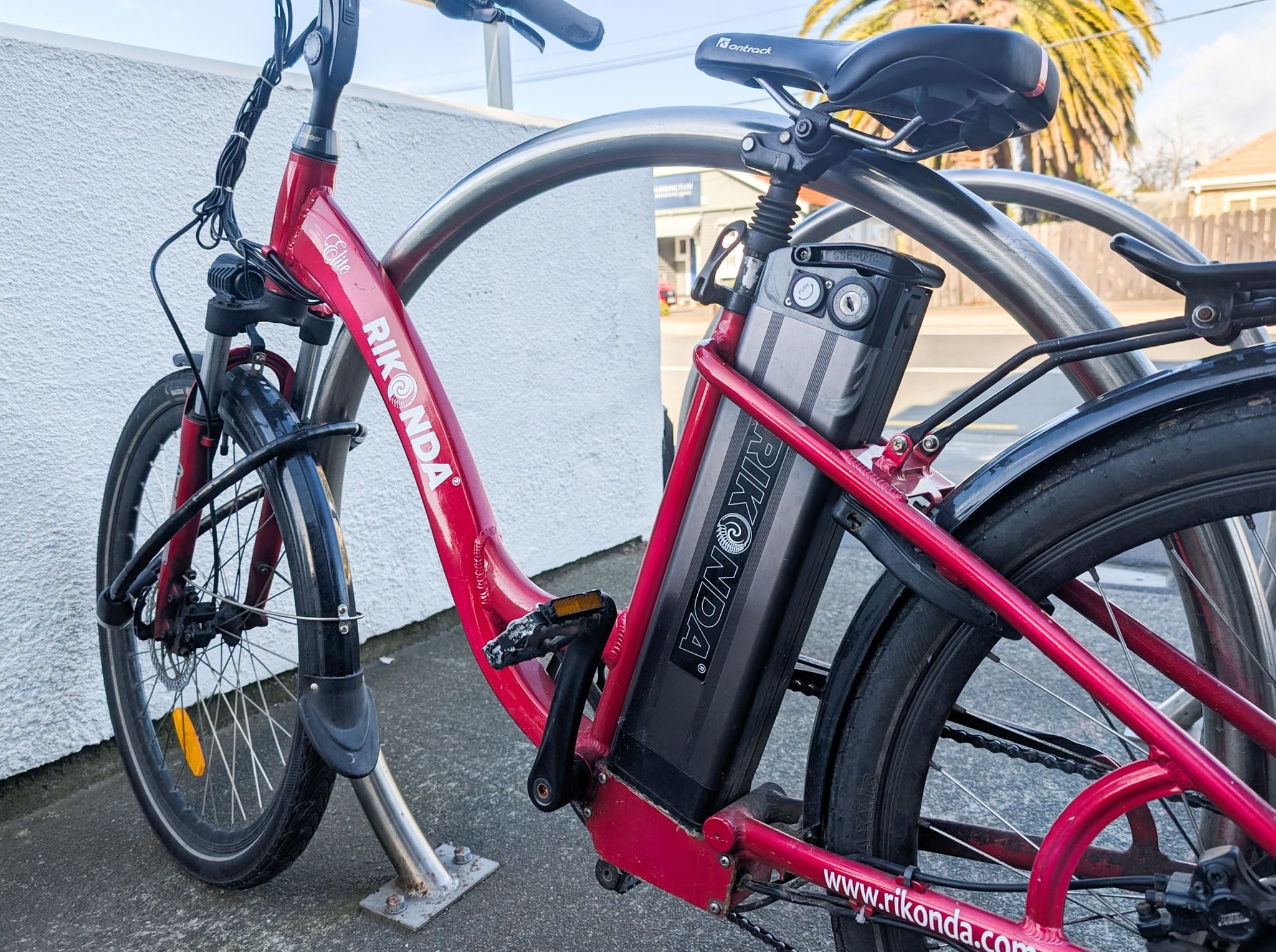
DIY repairs and modifications to e-bike batteries have been linked to serious fires in NSW, including a blaze that killed two women, a coronial inquest has heard.
Fire and Rescue NSW investigator Andrew Low told the NSW Coroners Court last week that unauthorised repairs and modifications were a recurring factor in the lithium-ion battery fires he had investigated.
“There are backyard operations, they have soldering irons and they purchase things off eBay to do repairs,” Low said.
“Generally YouTube will show people how to do this [repairs] as well.”
Low, from Fire and Rescue NSW’s Fire Investigation and Research Unit, said he had attended eight lithium-ion battery fires, with most involving unauthorised repairs or people adding batteries to existing packs.
“I have been to a few where it has been evident that they have made some non-manufacture changes to batteries,” he said.
He said the reasons for modifying batteries were unclear, although increasing their power could be one motivation.
The inquest is examining four fires involving micro-mobility devices including e-bikes, e-scooters and hoverboards. Two were fatal.
Fire and Rescue NSW data presented to the inquest indicates lithium-ion batteries are involved in about six fires across NSW every week.
The most serious case occurred at Teralba, south of Newcastle, in February 2024, when Patricia Kerr and Therese Harris died in a two-storey townhouse fire.
The inquest heard the e-bike battery involved had been repaired by a “backyard” operator. Mismatched pins had reportedly been inserted into the battery and its casing pierced before it failed.
Testing presented to the court showed temperatures can reach around 900 degrees Celsius within minutes, while individual battery cells can be ejected up to 40 metres from a battery pack.
Fire and Rescue NSW Assistant Commissioner Brendan Cox previously told the inquest that backyard battery repairers claiming to be experts had been linked to fires in NSW and Victoria.
He described the work as “unregulated and dangerous”, saying it was often undertaken by people looking to save money.
In December 2023, food delivery rider Mazharul Haque Shohan was injured when a second-hand e-bike battery exploded in his bedroom in Annandale, Sydney.
Shohan suffered burns to about 20 per cent of his body.
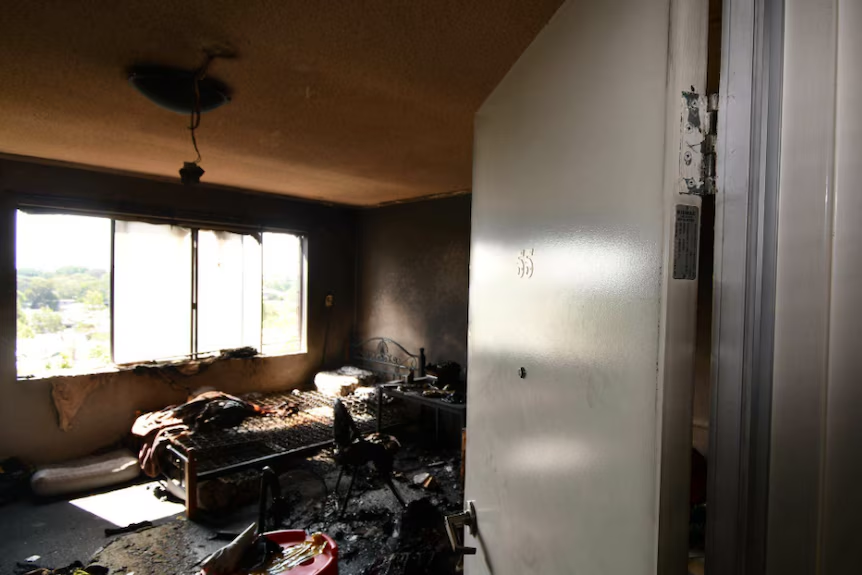
“I woke to a huge sound, I thought I was dreaming,” he told the inquest.
“It was a matter of five seconds of my life, there was a really big bang and things were shaking.”
He described flames, sparks, black smoke and intense heat immediately following the explosion.
Shohan told the court his original e-bike battery had been stolen the previous month, prompting him to purchase a replacement.
The first fire examined by the inquest occurred at short-stay accommodation at Cabarita Beach in September 2023, one day after a man collected his repaired e-bike battery. He survived but suffered burns to about 40 per cent of his body.
The fourth incident occurred in Sydney last year when an e-bike battery was charging about 30 centimetres from the foot of a delivery driver’s bed. The man died at the scene after suffering severe incineration injuries.
The inquest, overseen by NSW Deputy State Coroner Kasey Pearce, began in December and is expected to continue until the end of this week.

Mike O’Connor – A keen cyclist, runner and photographer, Mike O’Connor is the Editor of Bicycling Australia. He manages the BA website and social media, and loves promoting the achievements of Australian cyclists.