 Mike O'Connor
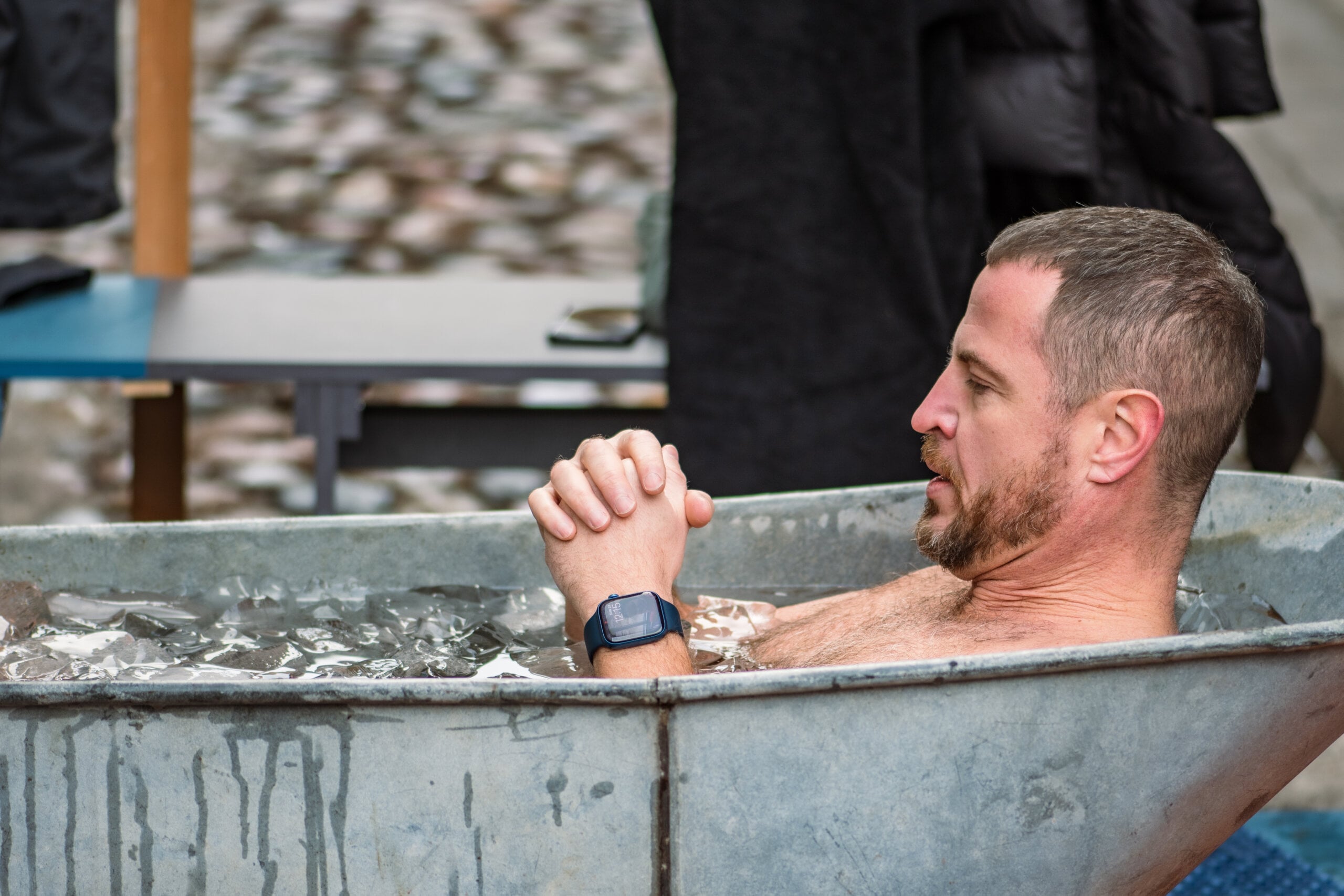
New research has found that cold-water immersion can help athletes recover faster and improve performance in some circumstances, but regular use after strength training could compromise muscle and strength gains.
Ice baths have become an increasingly popular recovery tool among athletes, including cyclists looking to bounce back after hard training sessions and races. But new research suggests there may be a downside to making the cold plunge a regular part of your routine.
Researchers from Edith Cowan University’s (ECU) School of Medical and Health Sciences have reviewed the evidence surrounding post-exercise cold-water immersion (CWI), finding that its benefits depend heavily on the type of exercise, an athlete’s goals and how soon they need to perform again.
“Cold-water immersion is not a one-size-fits-all recovery tool,” says lead author and PhD candidate Erfan Berjisian.
“Its benefits depend heavily on the athlete’s goals, the type of exercise completed, and when the next performance session is scheduled.”
The review found that ice baths can be particularly effective at reducing muscle soreness, lowering markers of muscle damage and helping athletes feel recovered more quickly.
Muscle soreness was consistently reduced for up to four days following exercise, while markers of muscle damage were lower between 24 and 72 hours after cold-water immersion.
For cyclists facing a demanding training block, multi-day event or stage race, the findings are particularly relevant. Cold-water immersion appears especially useful when recovery time is limited and athletes need to get back to performing at a high level.
Researchers found that endurance performance improved within the first hour after an ice bath, while power and jump performance often improved between 24 and 72 hours later.
However, timing is important. Explosive performance can actually suffer in the hours immediately following an ice bath due to the temporary cooling effect on muscles.
“If athletes need to perform high-speed or explosive movements soon after cooling, cold-water immersion may be counterproductive unless sufficient re-warming occurs,” says ECU Senior Lecturer Dr Kristina Kendall.
For cyclists, that could be worth considering before jumping into an ice bath ahead of another hard effort, particularly when sprinting or short, high-intensity efforts are on the agenda.
A potential downside for strength training
Perhaps the most significant finding concerns the longer-term effects of regularly using ice baths after resistance training.
The review found that athletes who consistently used cold-water immersion following resistance training experienced smaller improvements in strength, muscle size and power compared with those who didn’t.
The researchers suggest repeated exposure to cold water may interfere with some of the body’s normal muscle-building responses to resistance exercise.
That’s worth considering for cyclists who incorporate gym work into their training, particularly during the off-season or when focusing on improving strength. Regularly taking an ice bath immediately after lifting weights could potentially undermine some of the adaptations they’re working towards.
The findings were different for endurance athletes, with no evidence that regular cold-water immersion negatively affected aerobic fitness or endurance adaptations.
Finding the sweet spot
The researchers also identified a temperature and duration range that appears to offer the best recovery benefits.
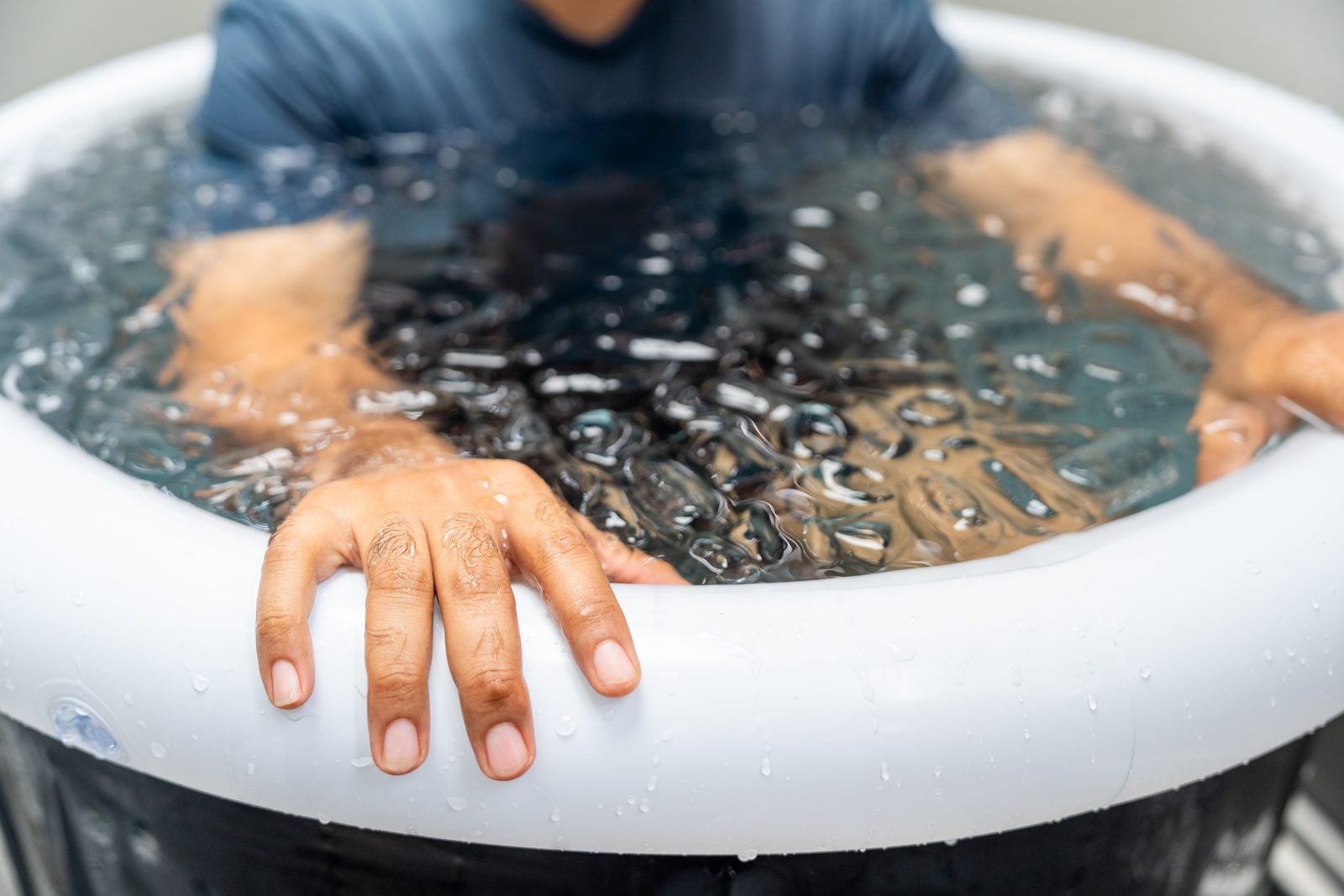
Most effective protocols involved immersing the body in water between 10°C and 15°C for 10 to 15 minutes. Slightly colder water, between 5°C and 10°C, for the same duration may provide additional benefits for jump performance recovery and reducing muscle damage.
The findings are based on an analysis of 15 published systematic reviews and meta-analyses, covering 161 individual studies and more than 3,200 participants.
It’s one of the most comprehensive examinations of post-exercise cold-water immersion to date.
The takeaway for cyclists is that ice baths can be a useful recovery tool, particularly during demanding training blocks, stage races or periods when there is limited time between hard efforts. However, using them after every workout may not be the best approach, particularly when trying to build strength through gym work.
The study, titled “Strategic Application of Post-exercise Cold-Water Immersion to Enhance Performance Recovery and Adaptation: An Umbrella Review of 15 Published Reviews”, was published by researchers at Edith Cowan University.
You can check it out yourself here.

Mike O’Connor – A keen cyclist, runner and photographer, Mike O’Connor is the Editor of Bicycling Australia. He manages the BA website and social media, and loves promoting the achievements of Australian cyclists.