 Mike O'Connor
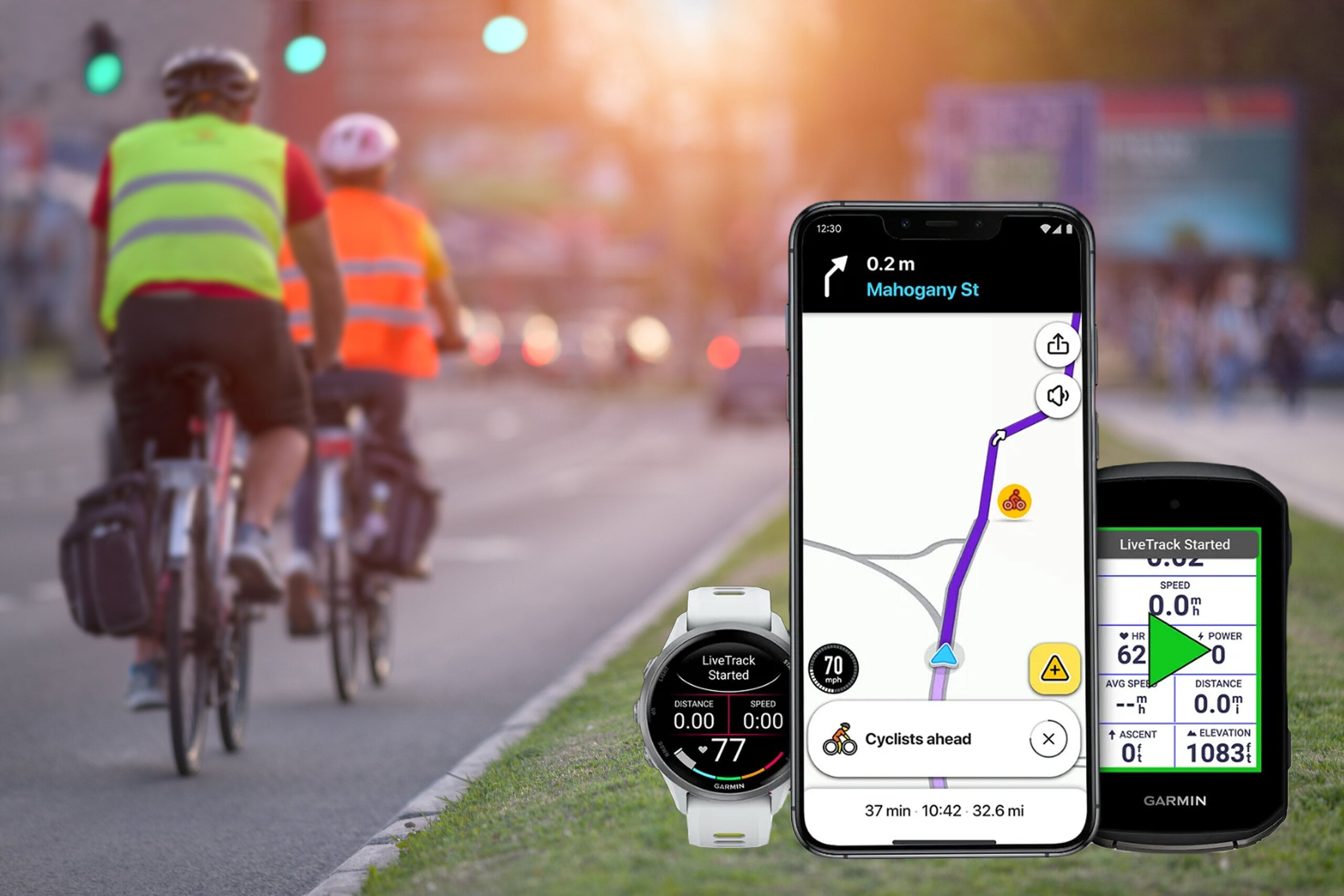
Garmin and Waze have teamed up to make cyclists more visible to motorists, with a new integration that brings live rider locations onto drivers’ navigation screens.
Called Garmin LiveTrack with Waze, the feature uses Garmin’s existing LiveTrack technology to share a cyclist’s location with Waze, giving motorists a visual and audio warning when a rider is nearby.
The integration works through Garmin Connect. Riders with a compatible Garmin Edge cycling computer or smartwatch can activate LiveTrack and opt to share their location with Waze when starting an outdoor cycling activity.
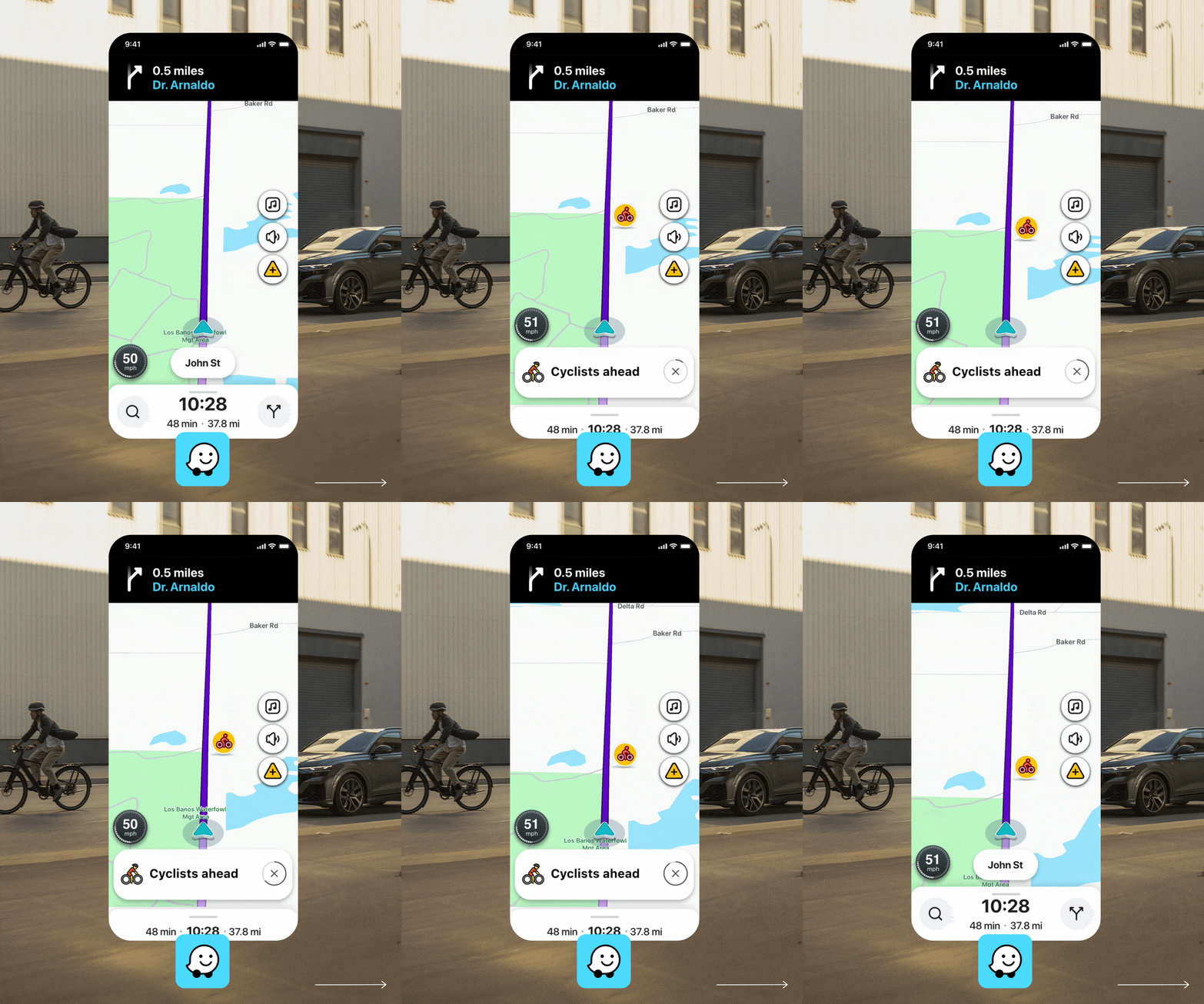
Once enabled, their position appears as a moving cyclist icon on the Waze map. Drivers using the navigation app can receive visual and audio alerts as they approach a rider, giving them an opportunity to adjust their speed or position before reaching them.
The sharing is temporary and ends when the activity finishes. Garmin and Waze say the system doesn’t share the cyclist’s identity or exact route.
The technology is designed primarily for higher-speed and rural roads, rather than busy urban environments. That’s probably where it will be most useful: giving drivers an earlier indication of a cyclist ahead on a winding road, over a crest or somewhere with limited visibility.
It’s also a different approach to the technology Garmin already offers cyclists. Its Varia rear-facing radar, for example, alerts riders to vehicles approaching from behind. LiveTrack with Waze effectively reverses that relationship, putting information about the cyclist in front of the driver instead.
The rollout of the tech is ongoing, but it does appear you can access it in Australia.
There are, however, some limitations. The system relies on cyclists having a compatible Garmin device, using Garmin Connect and choosing to activate the feature. Each of these requirements adds another layer that could limit adoption.
It also won’t show every cyclist on the road. Those using other brands of cycling computer, or no computer at all, remain invisible to the system.
There are some technological limitations, too. The feature depends on a mobile phone connection to transmit location data. A rider’s position travels from their Garmin device to their phone, then to Garmin’s servers, on to Waze and finally to the driver’s phone. In areas with patchy mobile coverage, the alerts may not work at all.
It also does nothing for drivers who don’t use Waze, although it will be interesting to see whether the technology eventually makes its way into Google Maps.
There are also questions about how drivers will respond to another stream of information on their navigation screens. Waze includes audio alerts, which should reduce the need for drivers to look at the display, but additional notifications could quickly become another distraction in our already tech-heavy vehicles.
There’s a risk, too, that drivers become accustomed to being alerted rather than remaining aware of their surroundings. While the technology could improve safety for cyclists using the feature, could it inadvertently make things less safe for those who aren’t?
Ultimately, the value of LiveTrack with Waze will depend on how reliably it works, how widely it’s adopted and whether drivers actually change their behaviour when they receive an alert.
There’s also no evidence yet that an integration like this will reduce crashes, and it shouldn’t be viewed as a replacement for better cycling infrastructure, safe passing distances or responsible driving.
But connecting technology already used by cyclists with an app used by many motorists is a practical idea, and one I can see myself activating next time I’m out on a ride.
That’s a worthwhile development, provided we remember that cyclists shouldn’t need an expensive bike computer or a live-tracking feature to deserve a safe passing distance.

Mike O’Connor – A keen cyclist, runner and photographer, Mike O’Connor is the Editor of Bicycling Australia. He manages the BA website and social media, and loves promoting the achievements of Australian cyclists.