
I’ve forgotten how to breathe.
“Come on, if you want wine tasting you are going to have to make it up there!” said Geneva-based journalist Henry, who had lured me into a wine tasting ride without mentioning the vineyards of his recommended winery are on a steeply terraced hill.
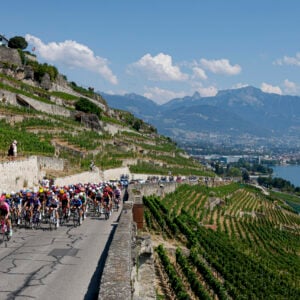
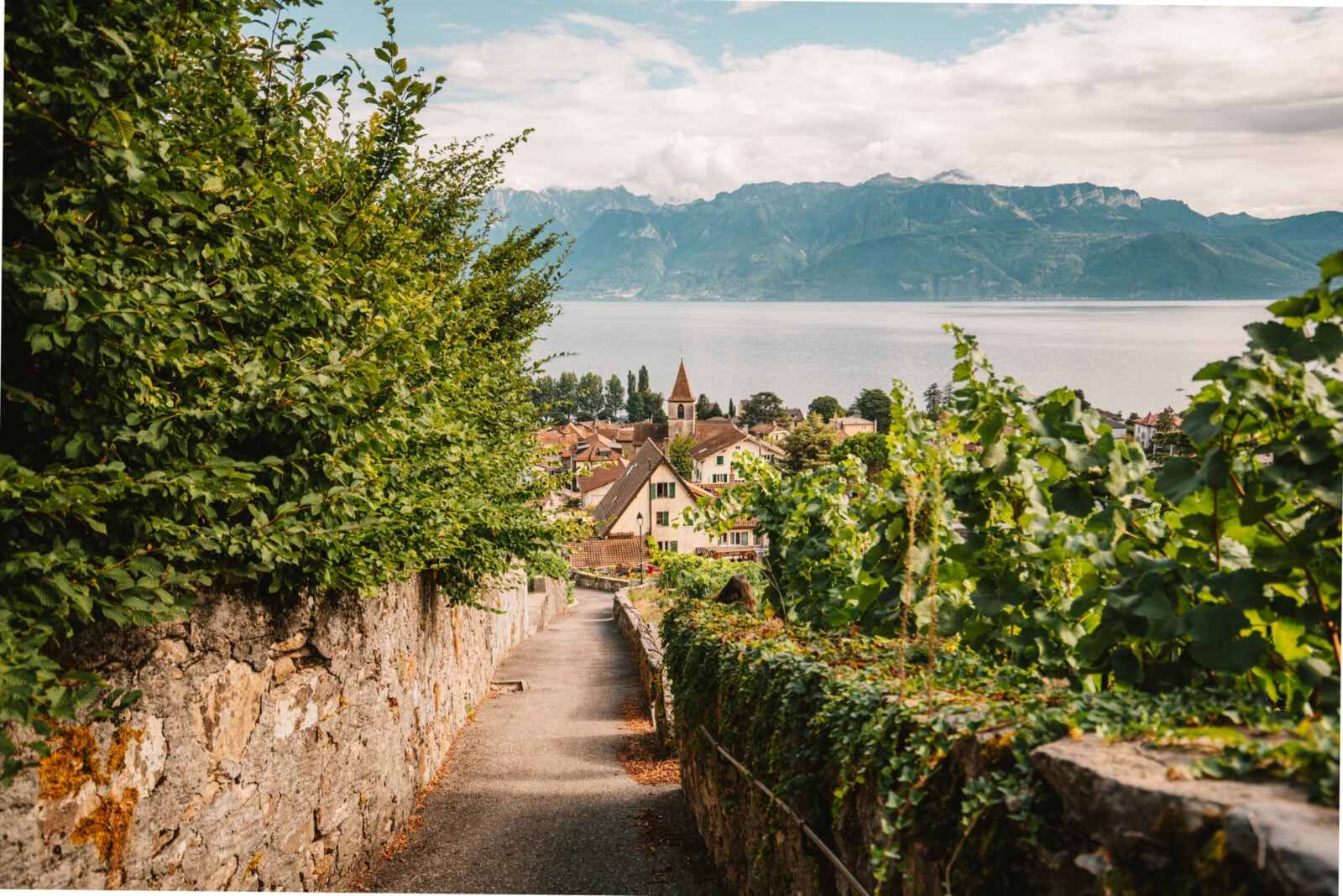
Located at the foothills of the French and Swiss Alps, the UNESCO heritage listed Lavaux vineyards are quite literally, breathtaking.
Unknowingly at the time, I would have been recreating parts of this year’s Tour de France Femmes avec Swift’s Grand Depart routes, where the teams will race across Lake Geneva from Lausanne to Geneva before heading back into France, seeing parts of the vineyards along the way.
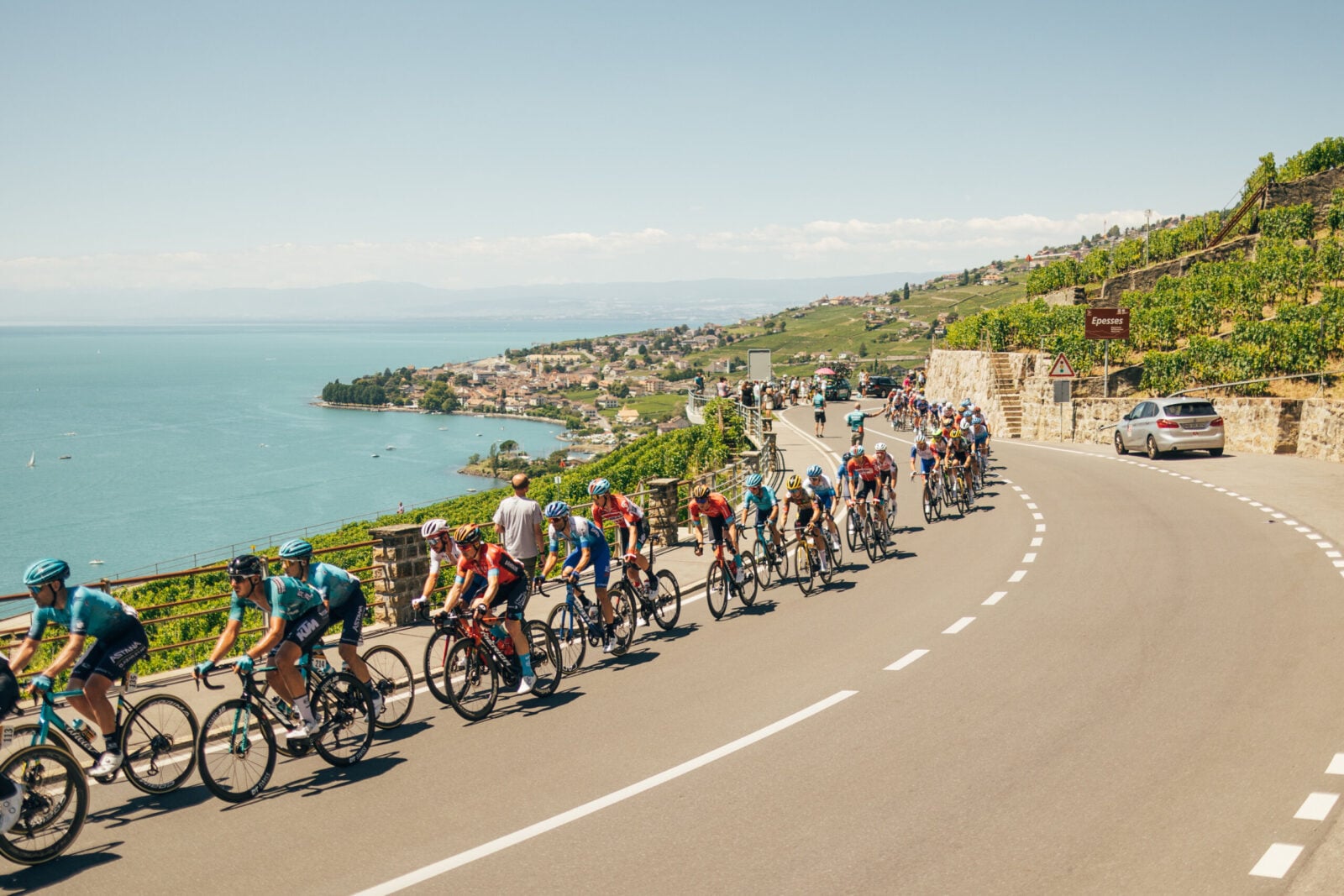
Race Director Marion Rousse said that Lausanne was an obvious choice for this year’s Femmes Grand Depart, as “it is a city deeply connected to sport, the Olympic movement, and cycling”, referring to the Union Cycliste Internationale (UCI) and the World Cycling Centre (WCC) both being based in Aigle, a town in a valley by the lake, and the frequent appearance in both Tour de Suisse and the Tour de Romandie.
So, it was on these roads that I pedalled panting and whining up the ascend to our wine stop.
The Lavaux Vineyards
Switzerland doesn’t produce a lot of wine, but the little they do, like everything else, they do it well. The Lavaux vineyards are known for the Chasselas grapes that produces a floral refreshing white.
Perfect for a day where the conditions are postcard perfect, composed of the cobalt sky, the brilliant sun and the lake sparkling deliciously like cuvée.
A small tourist train drove past, its passengers cheered us on as they listen to the onboard commentary, informing them of the glacier that carved the lake and its surrounding basin millions of years ago, and why this mattered for the great wines they produce.
I distracted myself from the pain by listening along. The minerality of the soil here apparently makes the wines taste uniquely fresh. I need to get myself to a winery, fast.
“Tour de France! Yeah!” I heard one of the passengers shout. Cameras were raised, I flashed a smile hoping it didn’t come out like a grimace.
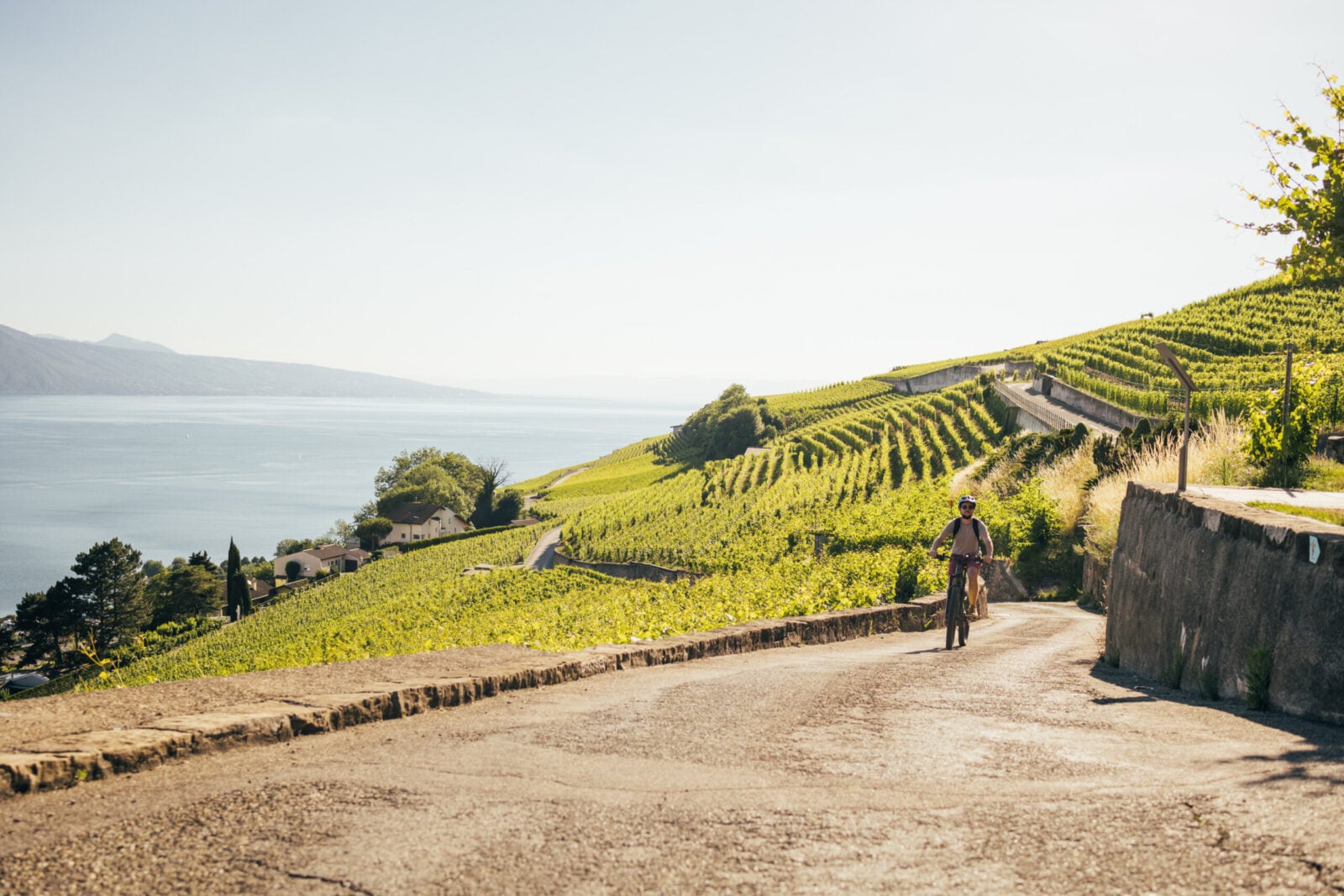
To be fair, it really isn’t that steep in terms of great climbs, with an average gradient less than four percent over nine kilometres, it’s hardly Alpe d’Huez, but we had begun the day from Geneva, to ride along the lake and parts of its hinterlands near Nyon to get here for a ‘sundowner’, having already tried several climbs along the way, I was getting tired.
So, it was with great relief when we eventually passed Lausanne to reach Domaine Alain Chollet in Lutry, where I could finally get my taste of Chasselas.
Lake Geneva as a cycling destination
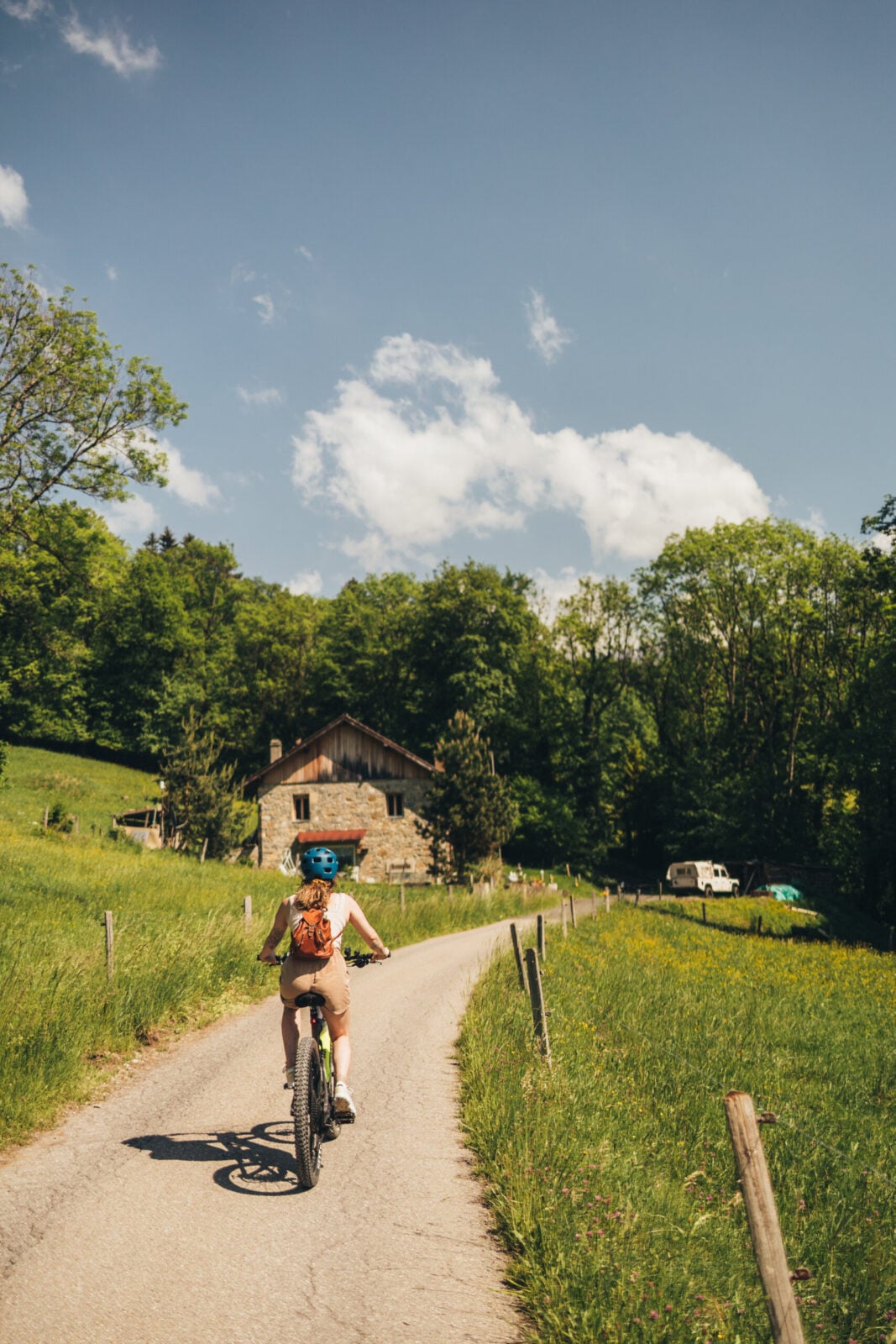
While there are no shortage of great climbs and cycling roads in Switzerland, this French corner of the country with Lake Geneva (or Lac Léman, in the local French) with the Jura mountains to one side and the great Alps to the other, the scenery is rather spectacular.
Cosmopolitan Geneva is an obvious base for anyone arriving here for the first time.
This international city is home to the United Nations, but also has historical importance where it comes to Swiss crafts such as watchmaking and chocolates.
Earlier that day, on the lakeshore near Founex where I had arranged to meet Henry, I got chatting to a cyclist who pulled up behind me in the coffee queue about cycling around there.
Nikos was originally from Greece who now lives nearby Lausanne for his work, and used the hills and the lakeside as a way to get out of the house after a day sitting at the desk.
“This is so great, I have the hills at the back immediately to train my legs, and then I can come back down to relax by the lake,” he sighs contently. “It’s like I have the best of both worlds, I can’t ask for a better place to live as a cyclist.”
As we set off, I knew just what he meant. Partly following the train tracks that runs up and down this side of the lake, we cycle along quiet roads in and out of villages and fields.
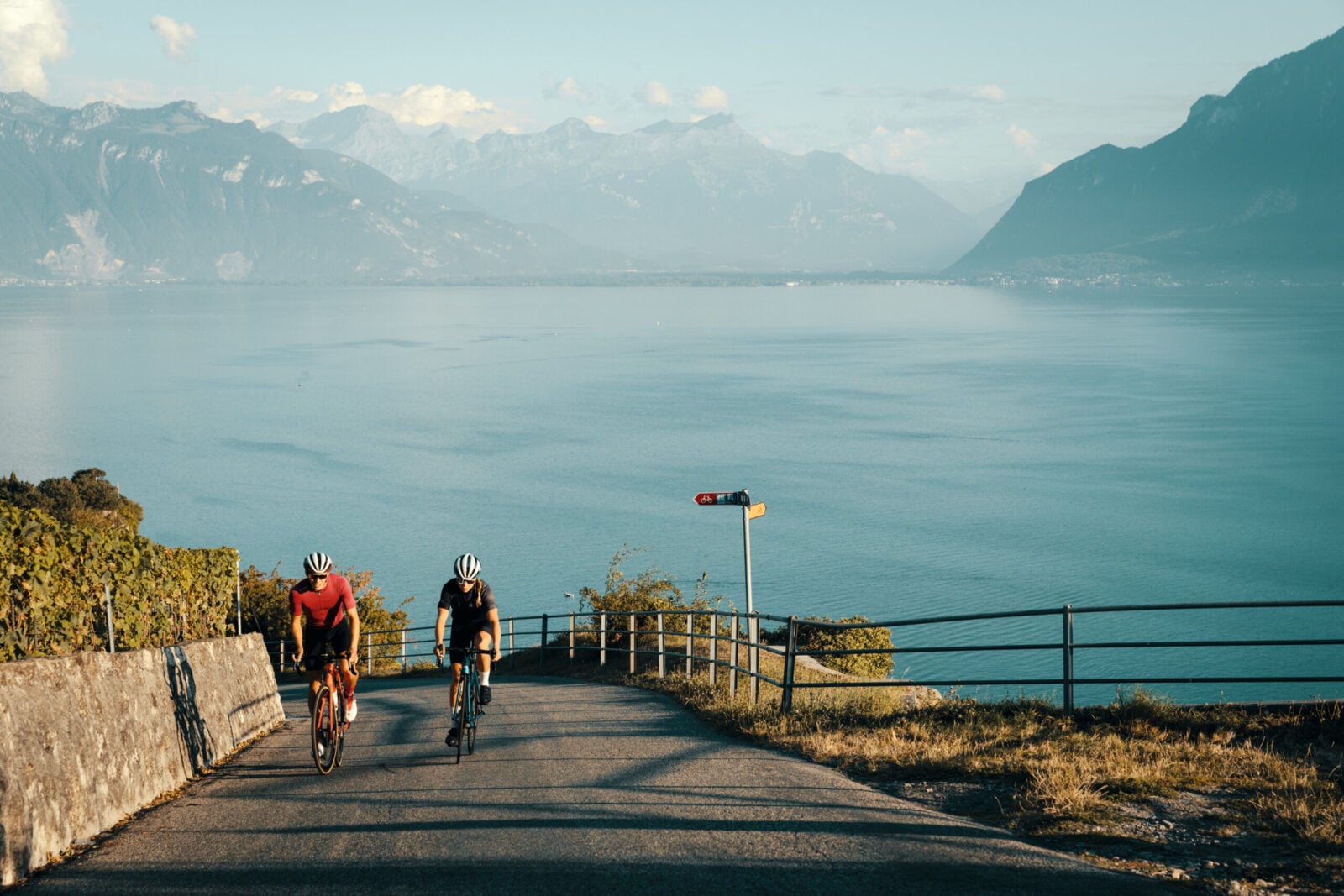
On my left is the distant silhouette of the Jura mountains on the French side which appear to get closer the further we leave the urban-ess of greater Geneva, and as we gain a bit of altitude, the lake appears on our right as a silver sheet of velvet, backed by the magnificent peaks of the Alps on the side.
“Is that Switzerland? Or is that France?” I asked Henry while we take a photographic break Château de Vullierens, just outside Lausanne, and enjoy a coffee at its lovely garden café.
“It’s both. The mountains on the right to us are Swiss, but if you pretend there is an invisible line on the left there,” he waved his hand in a general easterly direction, “that’s where Mont Blanc and Matterhorn meet, we share those mountains.”
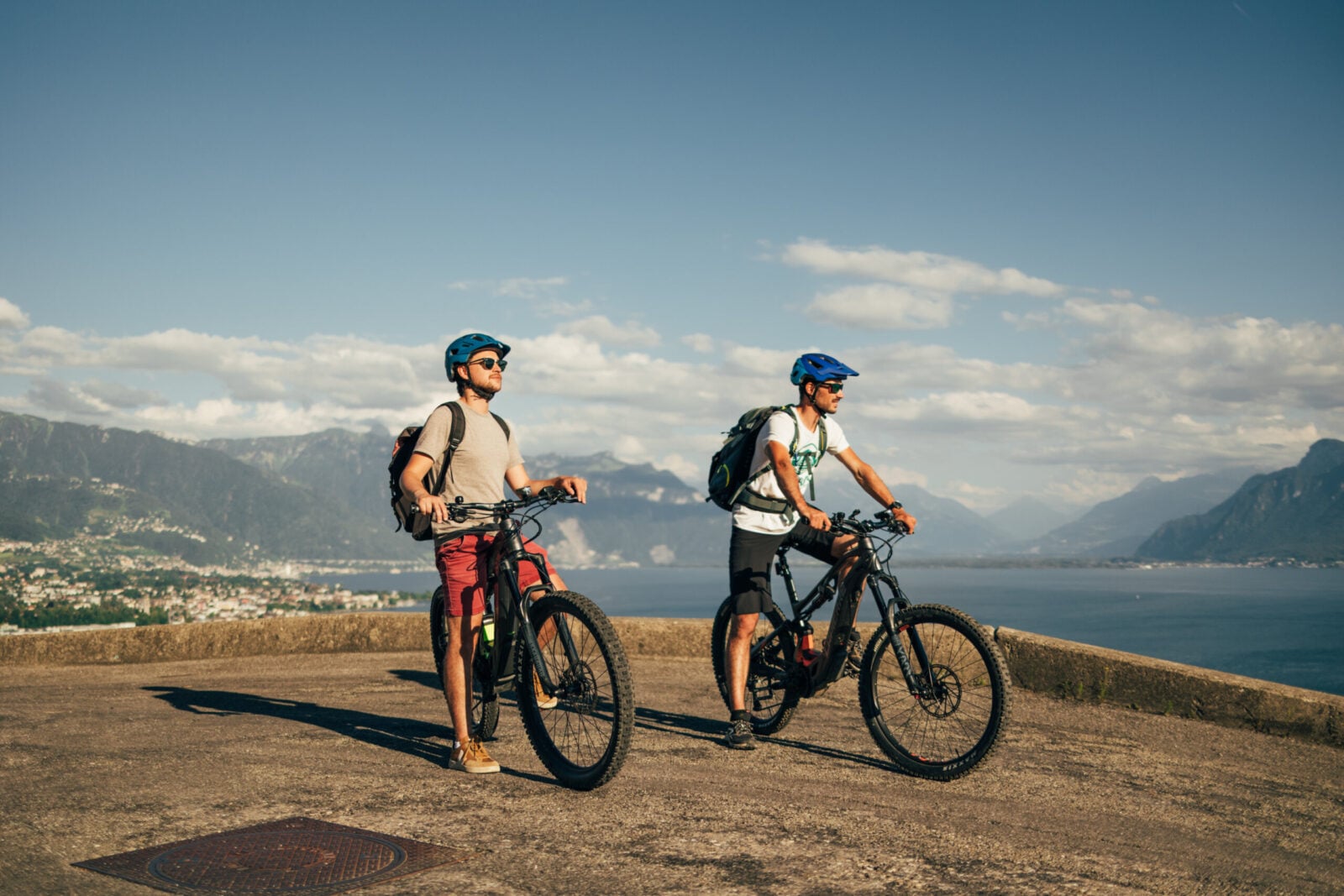
Cycling around Lake-Geneva. Image: Marie Contreras
One lake, two countries
Lake Geneva is an unofficial border to this part of Switzerland and France that surrounds it. Most of the tourism focus is on the Swiss side, where cities like Geneva, Lausanne and Montreux shines in their international stardom.
Charlie Chaplin had spent the final 25 years of his life in the town of Vevey where his former home is now Chaplin’s World Museum.
Montreux, up the shore, is famous for its Jazz Festival and has great links with musicians. One of the town’s former resident, Freddie Mercury had said “If you want peace of mind, come to Montreux”.
He had an apartment in Montreux since 1980 dividing his time between his London and Switzerland, and recorded six of Queen’s albums here. His statue has been standing by the shore since 1996.
Cross over to the French side of the lake, while not as populated and visited, there are still familiar names to be seen. Évian-les-Bains is the name behind the Evian waters, where the mineral water is so pure that the town is historically known to be a bath town for those seeking wellness retreat for the elites.
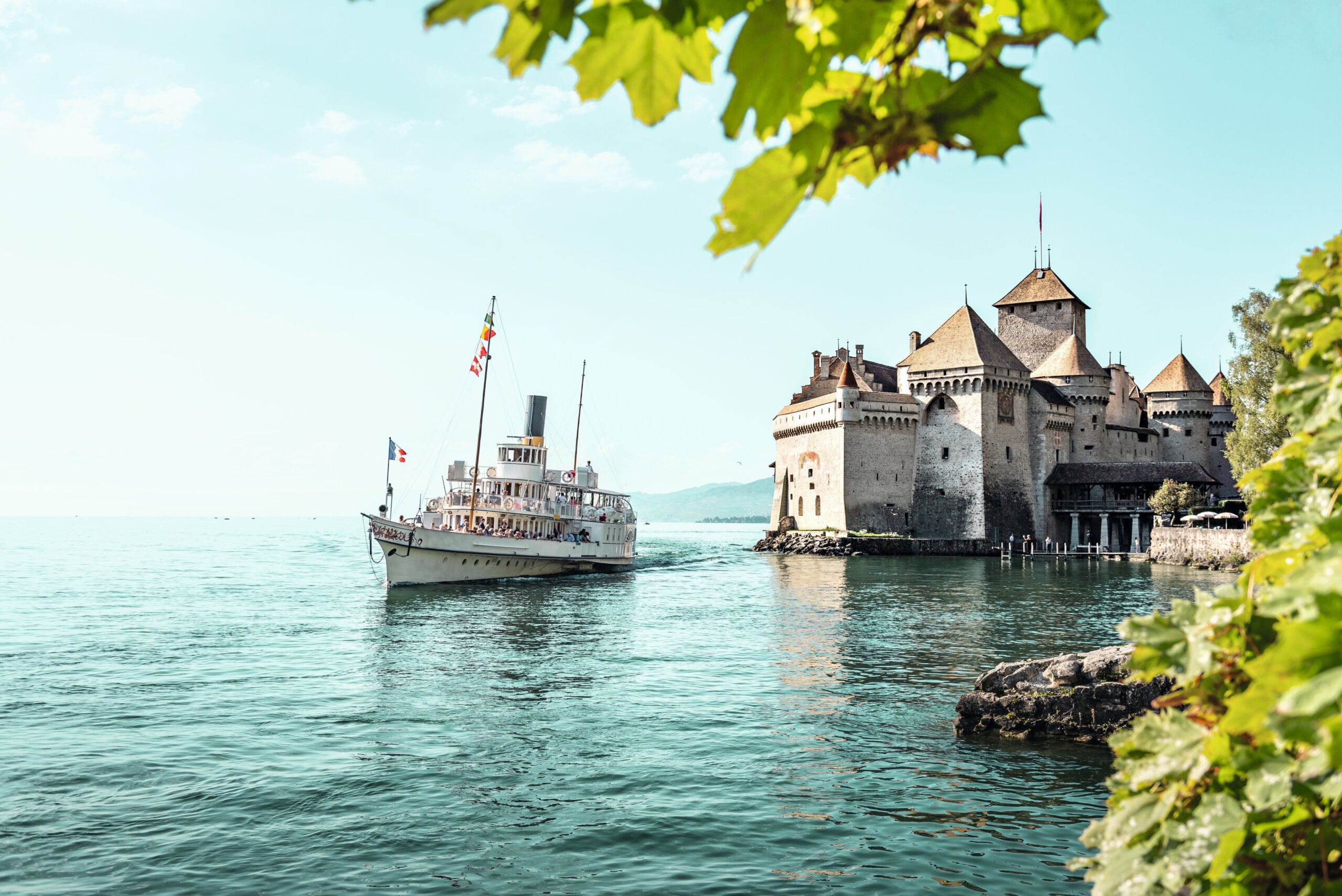
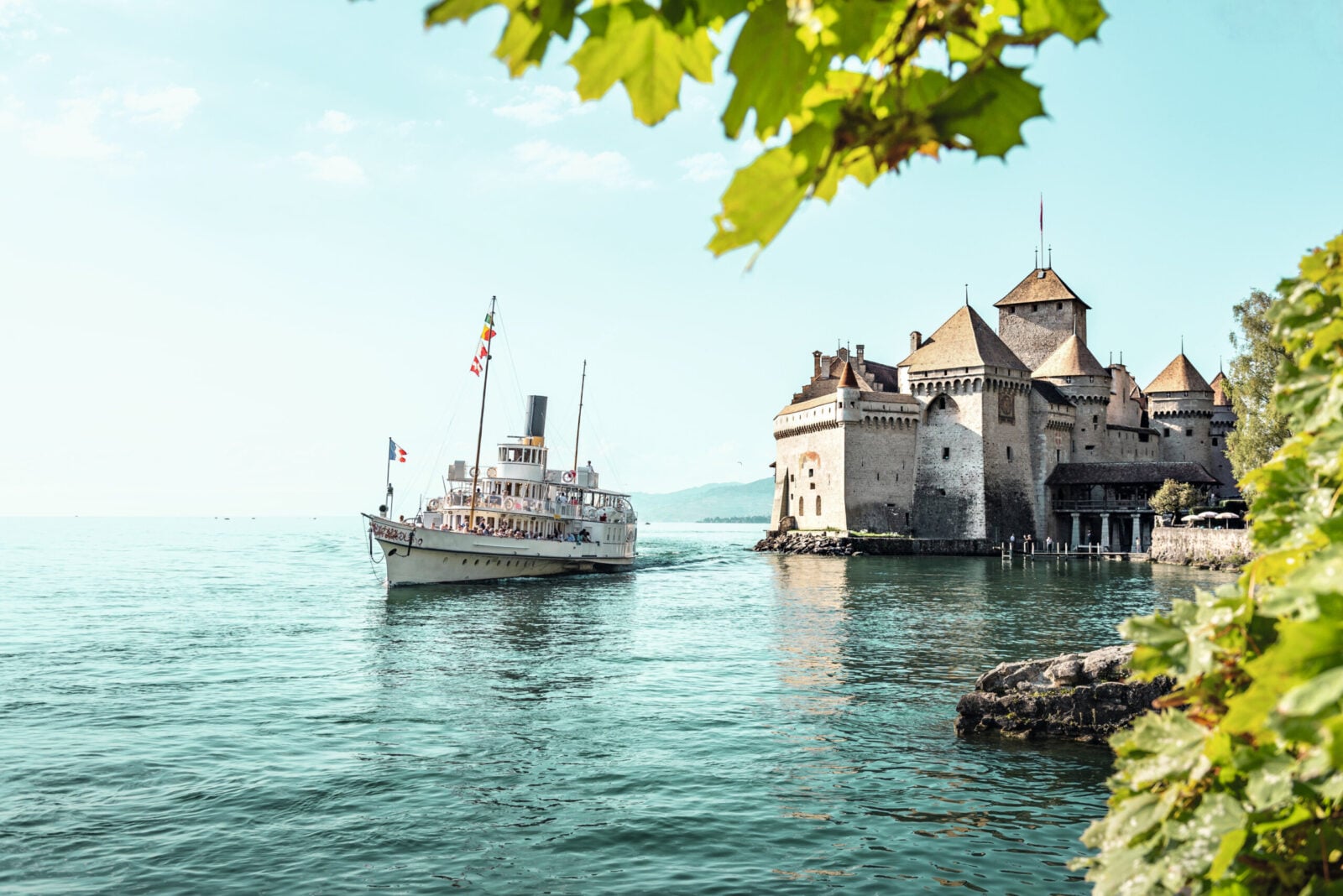
Then there’s the fortressed village of Yvoire, a place where you won’t hesitate to stop and breathe for a while, even if it’s just to admire the outline of Château d’Yvoire floating on the lake.
To see both sides, many road cyclists come for the scenic, 175 kilometre Tour du Lac Léman cycle route that circumnavigate the lake, where you can see lesser crowded towns and villages, and eat all the cheese along the way.
Lausanne, perfect for a Grand Depart
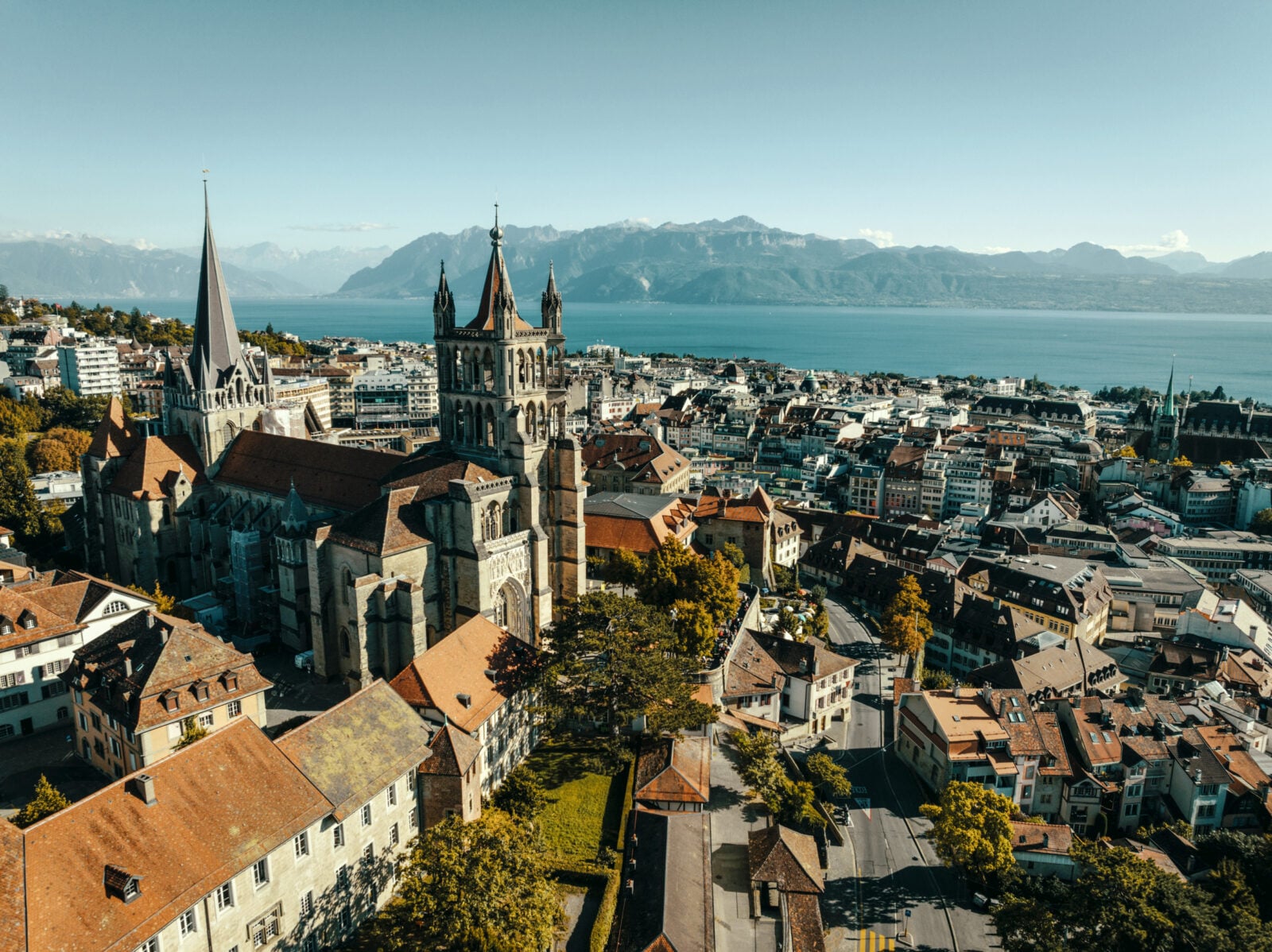
This year, Les Femmes started their Tour from the Swiss city of Lausanne.
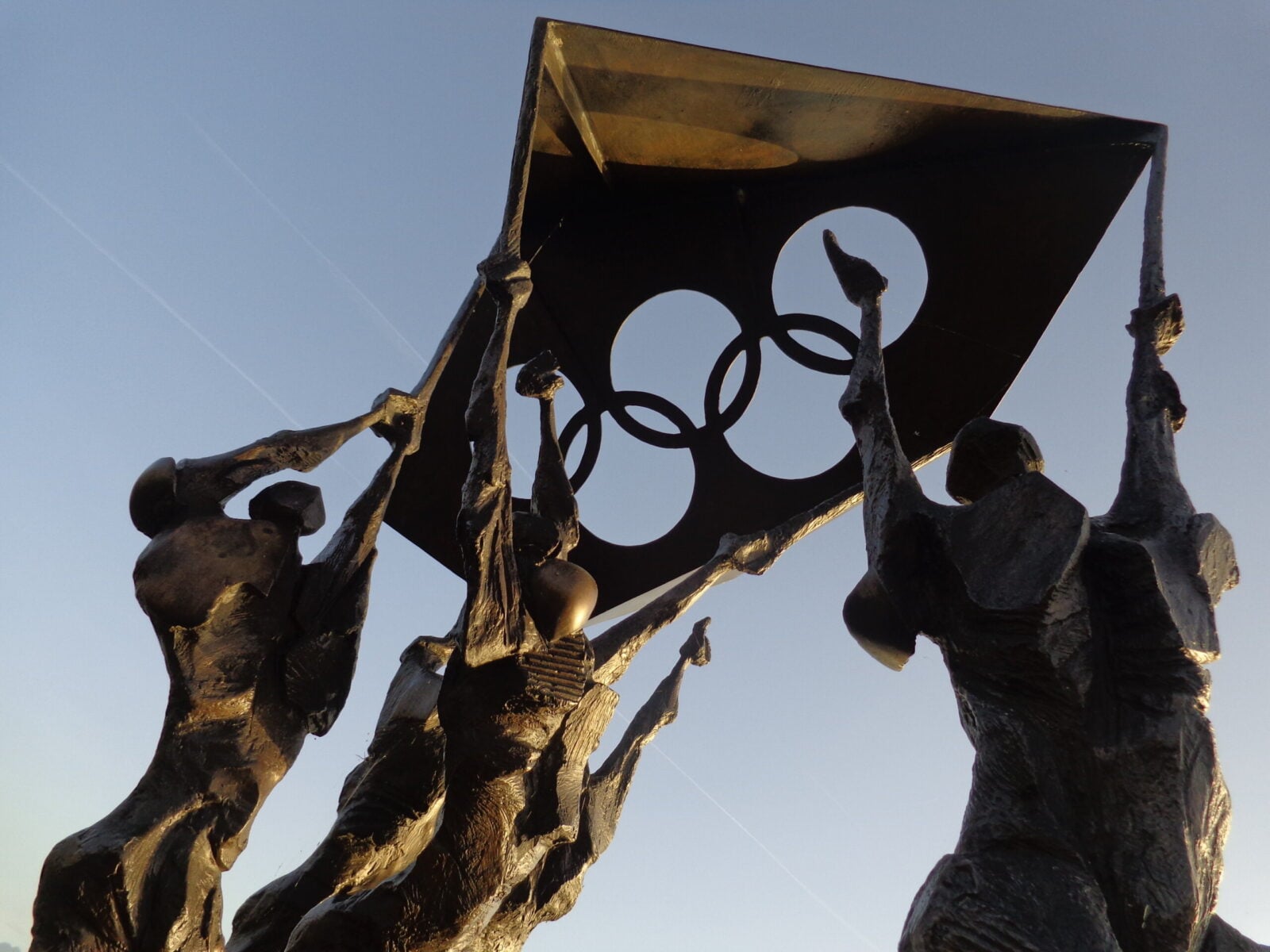
Known as the Olympic City, it is the home to the International Olympic Committee (IOC) where you can visit the Museum to learn all about the history and the development of the Olympic Games through its eras. Its medieval town centre is a delight to visit, but most of all, it is the gateway to many of the surrounding sights, including the Lavaux vineyards.
Needless to say, it is a proud city for its historical and modern significance, and has a fantastic dining scene to boot. Although when in Switzerland, there’s always a preference for their most famous produce: cheese.
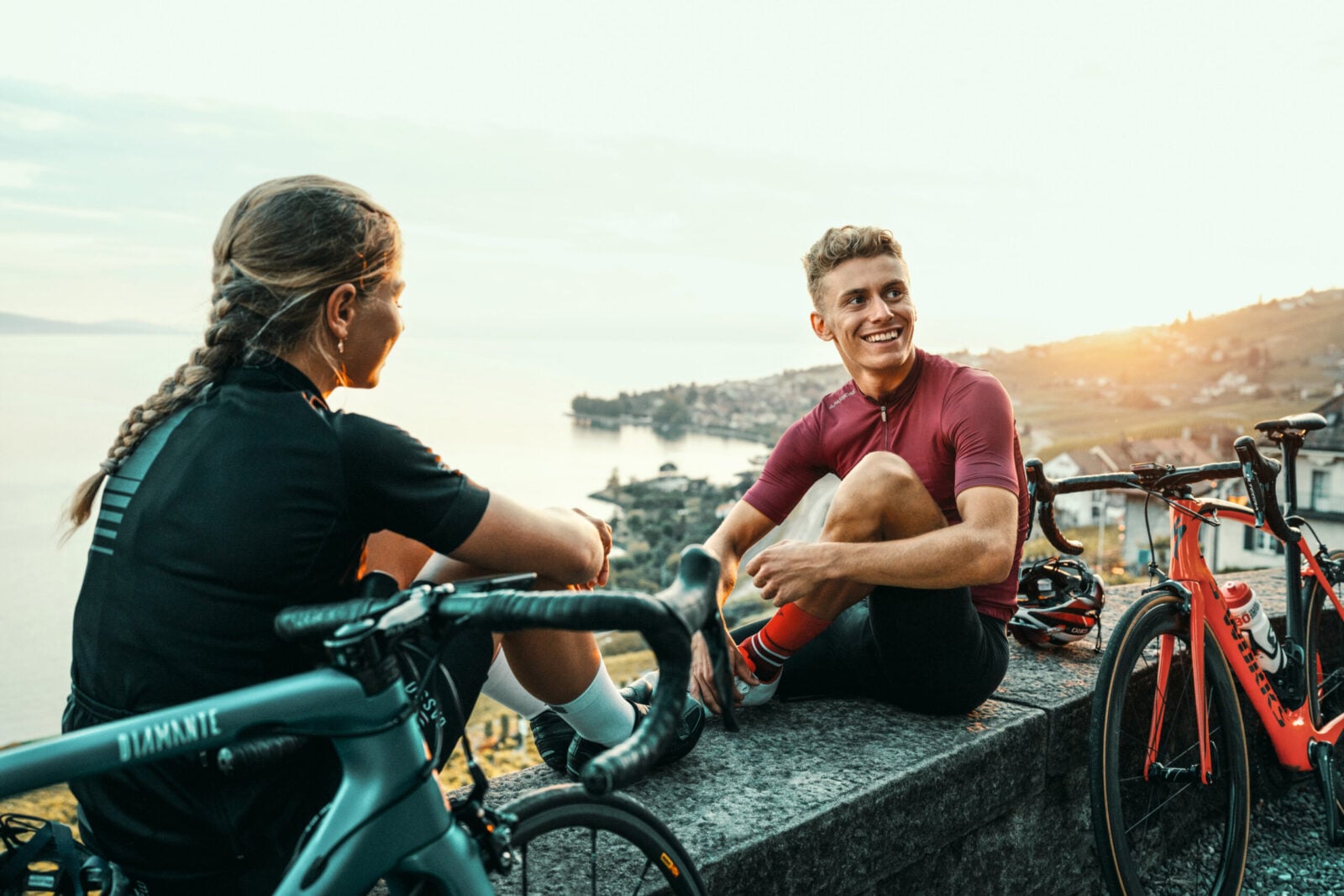
So you see why, we ended our day here at Lavaux, to watch the world go by with a glass and a few nibbles. Now, we just have to get back to Lausanne for dinner, something local, something cheesy… I am thinking of a hot pot of fondu. Gosh my stomach is grumbling.
Thankfully it’s all downhill to dinner from here.
For more information visit myswitzerland.com
Amy McPherson
Amy McPherson - A London-based Aussie, Amy is a keen cyclist and runner. A highly-respected travel writer, she specialises in active travel in France and Italy.