

 Bicycling Australia
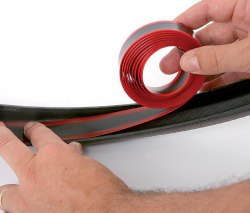
If you are using tyres with protective belting but are still getting penetration punctures, then it’s time to step it up a notch.
Puncture Prevention
Puncture Resistant Tyres
If you want to reduce the risk of penetration punctures without adding a ton of weight or spending a fortune, use tyres with some form of protective belting. A weave of Kevlar or Aramid fibres is built into the casing to resist penetration punctures. While they typically weigh a few grams more than a fully fledged race tyre, they still perform admirably.
Tyre Liners
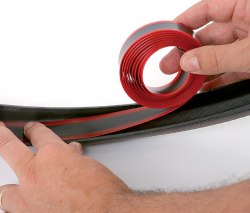
If you are using tyres with protective belting but are still getting penetration punctures, then it’s time to step it up a notch. Tyre liners are made from robust but flexible nylon and fit between the tyre casing and the inner tube. They add weight and stunt tyre performance but will dramatically reduce the chance of penetration punctures. Just ensure that the liners are fitted properly with no angled edges where they are cut to size—poorly fitted liners can actually cause punctures.
Thorn proof Tubes
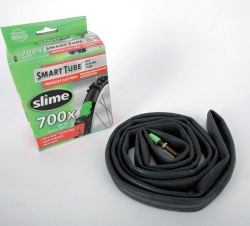
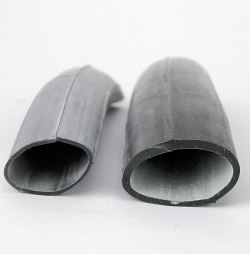
Thorn-proof or heavy duty inner tubes are not really a popular option amongst roadies but some will use them in desperation. The outer wall of the tube is about five times as thick as a standard issue tube (see the cross section on the right) and this reduces the risk of penetration. They also weigh around 150g more than a standard issue tube—that’s 300g of additional rotating mass on your bike.
Self Healing Tubes
Tubeless Option
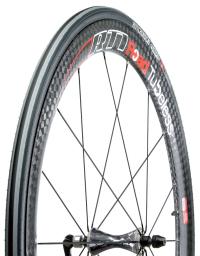
If 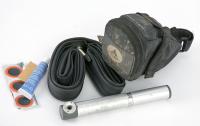 you have a need for speed but still want to reduce your vulnerability to punctures, tubeless clincher tyres may be worth a look. With no inner tube within the tyre casing, pinch flat punctures should be a thing of the past and they roll quickly at lower air pressures so the risk of penetration punctures should also be lessened. They also work very effectively with liquid sealants; a small amount in each tyre should seal up any punctures in the tread area before too much air pressure is lost.
Never Forget
No matter how seriously you take your puncture proofing, it’s almost inevitable that you are eventually going to get a flat. That’s why you should always have a pump, inner tube and a puncture repair kit on hand—keep them permanently mounted to your bike. If you carry the pump or tube in your jersey pocket, you can guarantee that the one time you forget them will be the ride when you puncture. Carry a puncture repair kit, as it will help you get home if you are unlucky enough to puncture more than once.