

 Harry Kooros
There’s a big difference between being impressed by a bike on your first ride and still being impressed after you’ve spent serious time riding it.
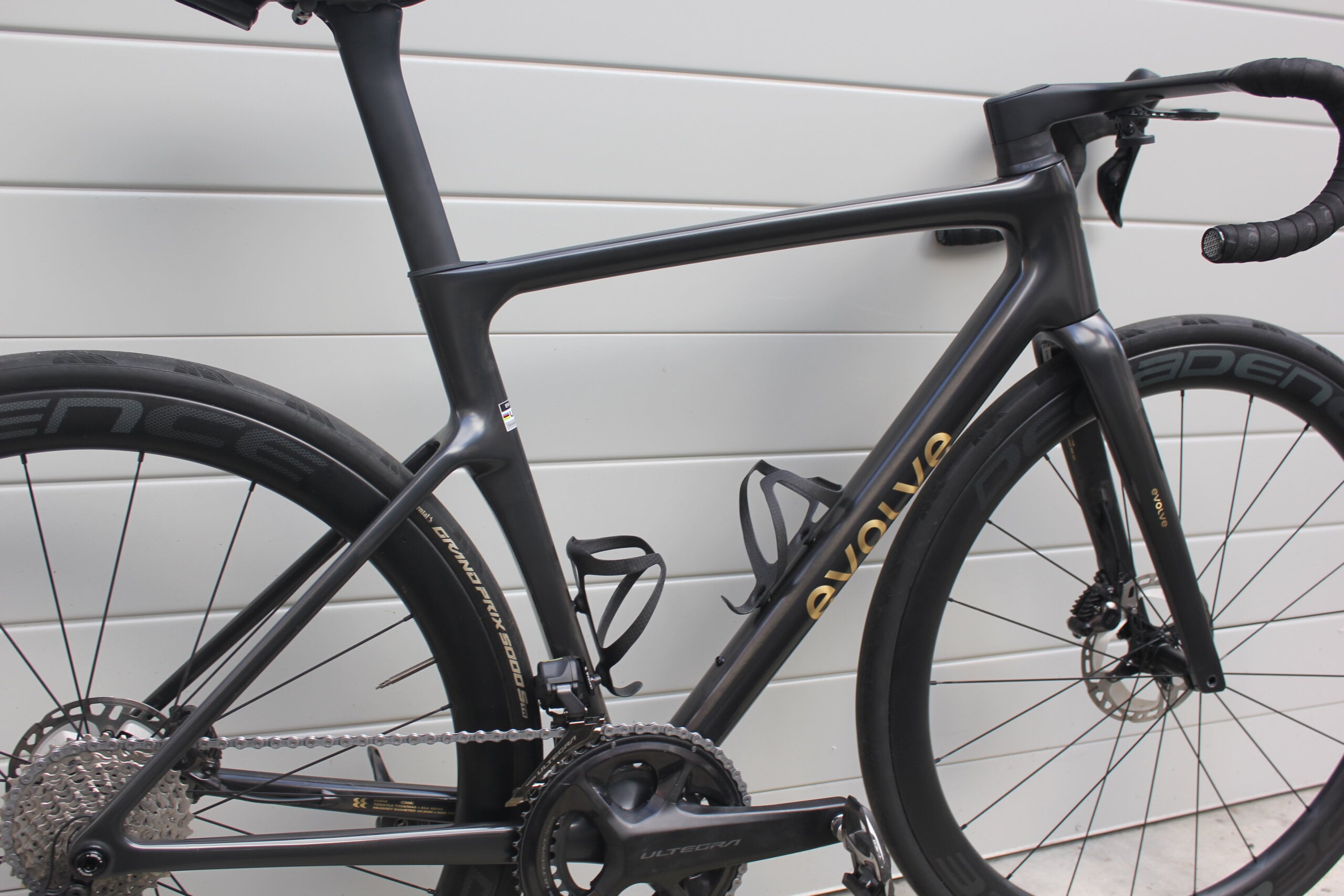
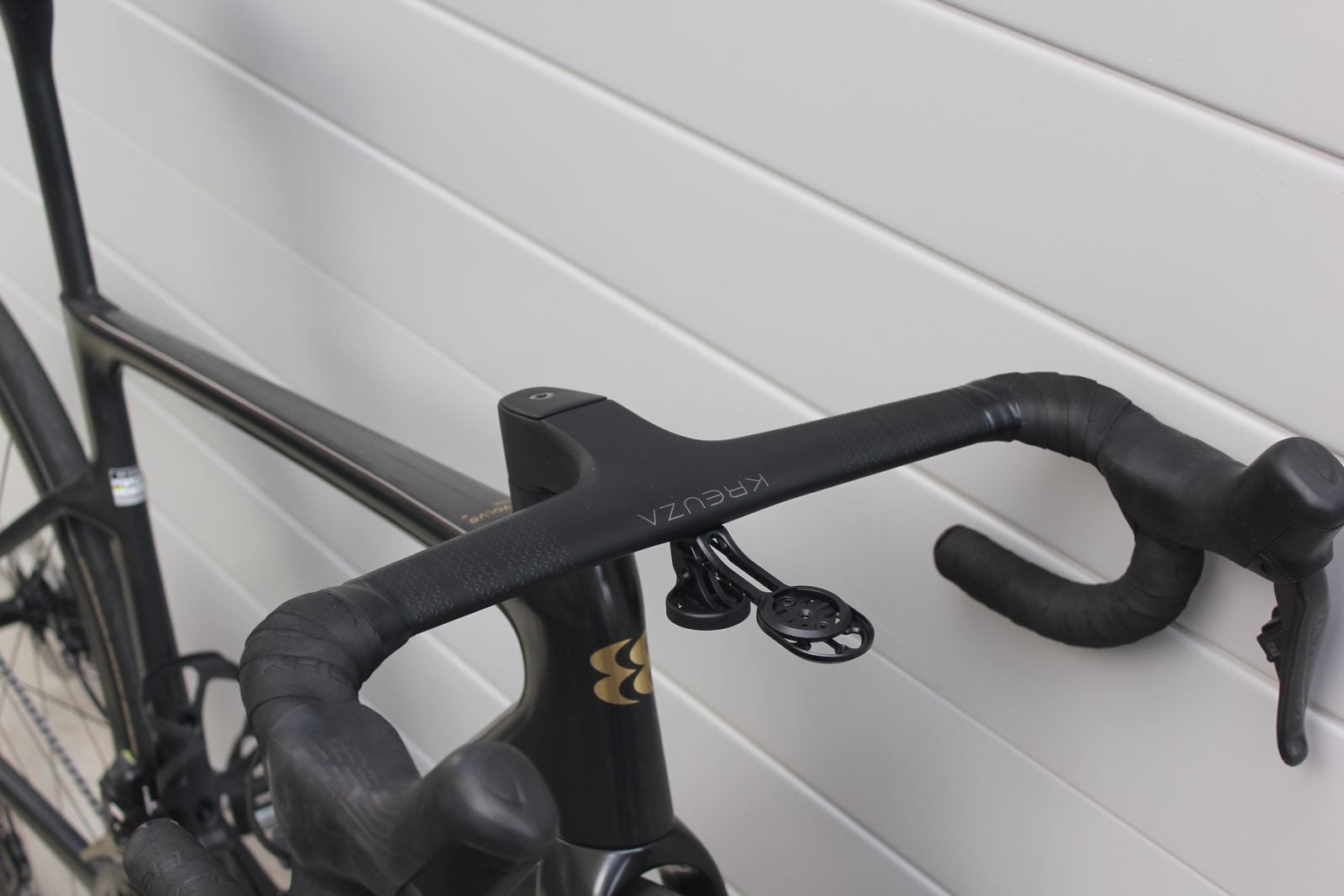
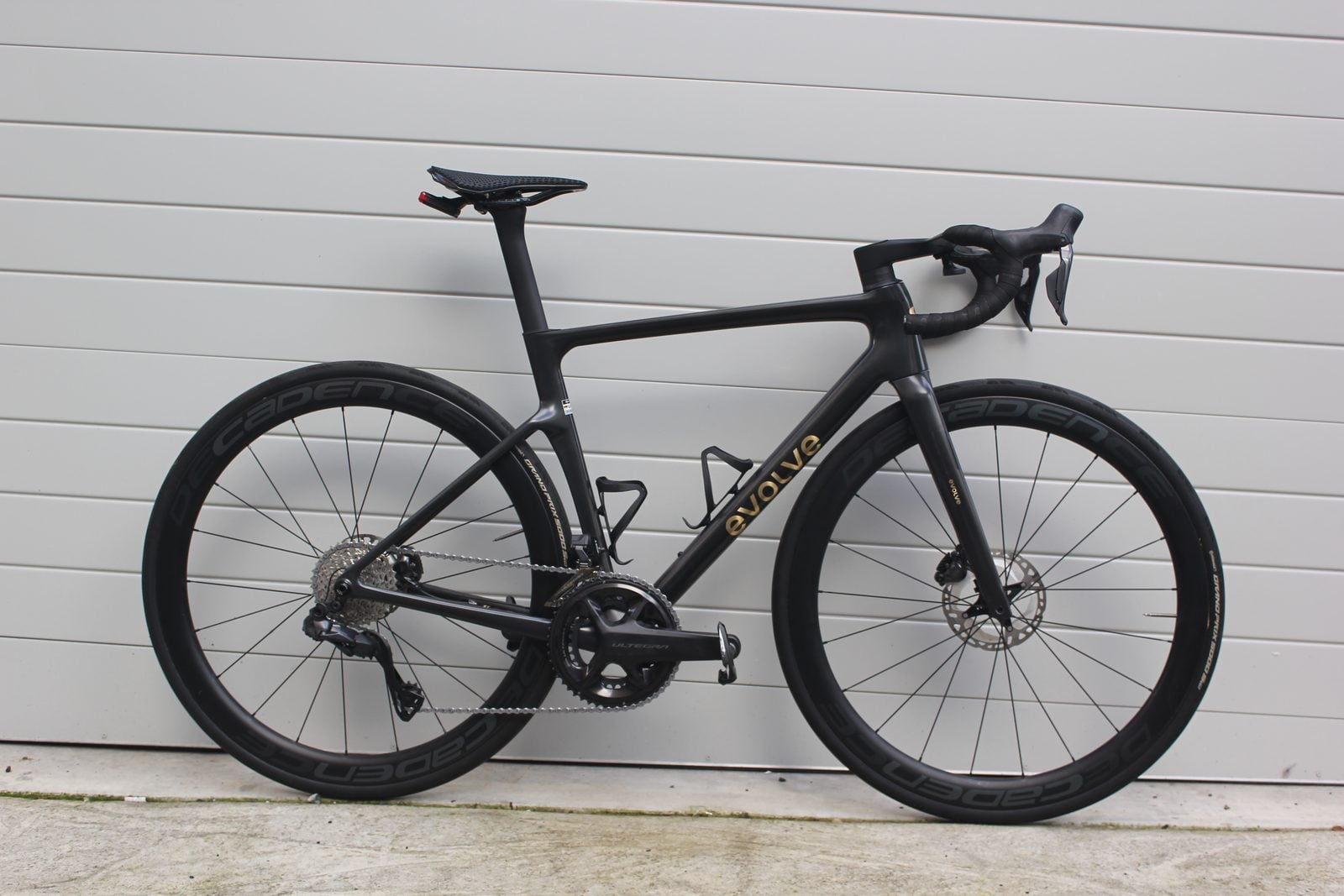
When I first built the Evolve CIMA, I was impressed by almost everything. The finish was excellent, the build process was surprisingly straightforward and the numbers looked very promising. A claimed 650g frame, a lightweight fork and a complete bike that tipped the scales at just 7.14kg made for an impressive package. After swapping the Ultegra crankset for Magene’s carbon TEO P515 power meter and making a few other changes, I managed to get the build under 6.9kg.
But lightweight numbers and a good-looking frame only tell part of the story.
After many hours aboard the CIMA, I can now say with considerably more confidence that this isn’t simply a lightweight frameset offering good value for money.
The CIMA is a genuinely excellent road bike.
In fact, the more time I spend on it, the harder it becomes to identify where it gives away meaningful ground to some of the big-name race bikes I’ve ridden over the years – bikes costing several times what this complete build does.
Fast, responsive and confidence-inspiring
The CIMA feels like a proper performance road bike from the first ride. The position is fairly aggressive, but I found it easy enough to settle into once I had the fit dialled in. It feels like a bike built to be ridden hard, rather than a race bike that’s uncomfortable unless you’re racing.
What I really like is how quickly it responds. Put more power through the pedals and it reacts straight away. Get out of the saddle on a climb and there’s a real sense that your effort is going into moving the bike forward. The same goes for cornering – point it where you want to go and it follows without any fuss.
At under 6.9kg with pedals, bottle cages and the rest of the build, it’s obviously a light bike, and you can feel that on the road. Short, punchy climbs are particularly fun because the CIMA picks up speed quickly. I’ve found myself attacking little rises that I’d probably just sit through on a heavier bike.
Despite the low weight and quick handling, it doesn’t feel nervous. This was one of the things that surprised me most about the CIMA. On faster descents, it feels planted and predictable, even when the road gets rough, while still being quick enough to change direction without much effort.
The Decadence wheels obviously play a part here, particularly at higher speeds, but I think the frame deserves plenty of credit too. The CIMA feels stable when you need it to be, but still has that responsive race-bike feel when you’re pushing through a corner.
That’s probably the best way I’d describe the CIMA overall. It’s quick and responsive without feeling twitchy, and the combination of low weight and stable handling gives it a lot of confidence. The more I ride it, the more I find myself riding harder simply because the bike makes it enjoyable to do so.
Does it compare to a $20,000 bike?
This is the difficult question. After spending considerable time on the CIMA, though, my answer is undoubtedly yes.
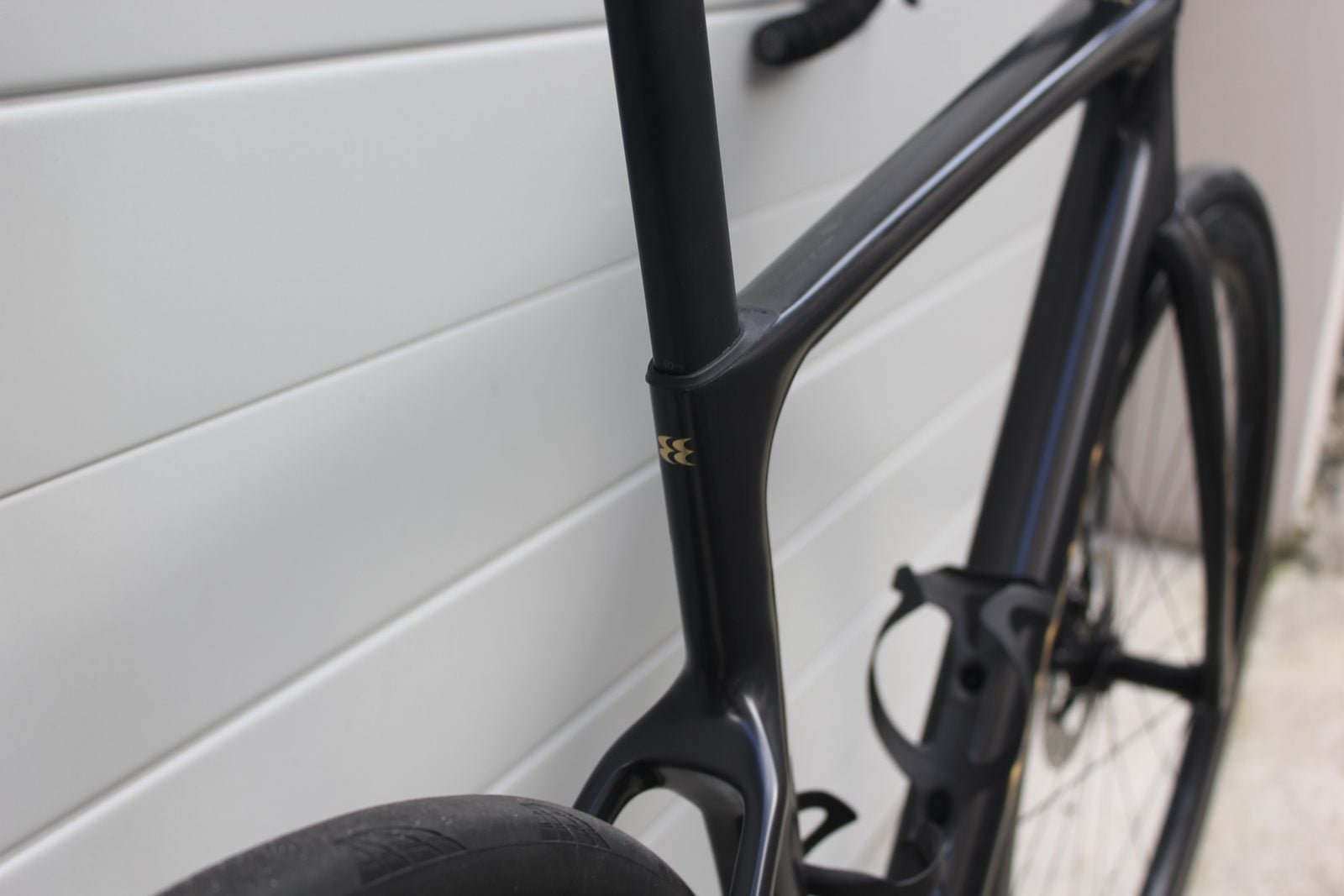
I’m not suggesting it replicates every aspect of a $20,000 flagship race bike, but when it comes to the things that actually matter on the road – weight, stiffness, handling, acceleration, confidence and overall ride quality – the CIMA is right up there.
I’ve ridden plenty of expensive bikes over the years, including some of the biggest names in the industry, and honestly, the CIMA has been one of my favourites.
There are obviously differences between buying an Evolve and buying a premium bike from an established European or American brand. Brand heritage, dealer networks, availability, paint options, after-sales support and resale value all count for something.
But once you’re out on the road, those differences become considerably harder to identify.
Where could it improve?
It’s important not to turn a review into a sales pitch, so there are still a few things worth considering.
The biggest question mark is probably Evolve itself rather than the CIMA. As a relatively young brand, it doesn’t yet have the same dealer network, brand recognition or established reputation as the major manufacturers. Buying a bike from a big-name brand still comes with a level of reassurance, local support and after-sales infrastructure that Evolve can’t quite match yet. Resale value is another consideration, particularly when you’re spending several thousand dollars on a complete bike.
Beyond that, there’s not much to fault with the CIMA itself. Its specification, weight and performance are difficult to argue with at this price point, particularly when compared with similarly equipped bikes from more established brands. The main trade-off is simply that you’re buying into a younger brand, and for some riders, that lack of a long track record and extensive dealer network may be enough to steer them towards a more established name.
The verdict
I went into this review expecting to like the Evolve CIMA, but I didn’t expect to like it this much.
After the initial excitement of building the bike wore off, the CIMA continued to impress for all the reasons that matter once you’re actually riding it. It’s seriously light without feeling nervous, stiff without being brutally harsh, responsive without feeling twitchy and comfortable enough to spend serious time aboard.
A 650g carbon frame and a 7.14kg complete build look impressive on paper, but numbers don’t necessarily translate into a great bike. In this case, they do. The CIMA ticks every box I would want from a modern performance road bike.
If you stripped the branding from the frame and put it alongside some of the $15,000-$20,000 flagship bikes I’ve ridden, I don’t think the CIMA would look out of place. More importantly, I don’t think it would feel out of place either.
There are undoubtedly reasons to spend more – brand heritage, strong dealer networks, after-sales support and the prestige that comes with owning a flagship bike from an established manufacturer. But when it comes to the thing that matters most to me, how it rides, the CIMA has genuinely surprised me.
It rides like a bike that should cost considerably more.
For me, the Evolve CIMA isn’t simply an impressive bike for the money. It’s an impressive bike, full stop.
Evolve currently offers free shipping from its global website, evolvebicycles.com, and has an official Australian dealer in Bespoke.cc.
Specifications
Frame: Toray T1100, T800 and M40 carbon fibre layup
Claimed frame weight: 650g (size Medium, unpainted)
Fork: Full carbon, 355g claimed
Colour: Matte Carbon Gold
Bottom bracket: BSA threaded
Headset: CeramicSpeed SLT bearings
Cable routing: Fully internal (electronic groupsets only)
Derailleur hanger: SRAM UDH
Brake mount: Flat-mount disc
Tyre clearance: Up to 32mm
Axles: 12x100mm front / 12x142mm rear
Groupset compatibility: Shimano Di2, SRAM AXS, Campagnolo WRL
Sizes: XS, S, M, ML, L, XL
Maximum rider weight: 109kg
Price: AUD $3,499 + $549 for KREUZA cockpit