
 Harry Kooros
Trek has pulled the pin on IsoSpeed. For a decade it was the Domane’s calling card – the little decoupler at the seat tube junction that let the frame flex independently and soak up road buzz. Gen 5 ditches it entirely. That’s the headline, and it’s the thing every long-time Domane rider is going to ask about first.
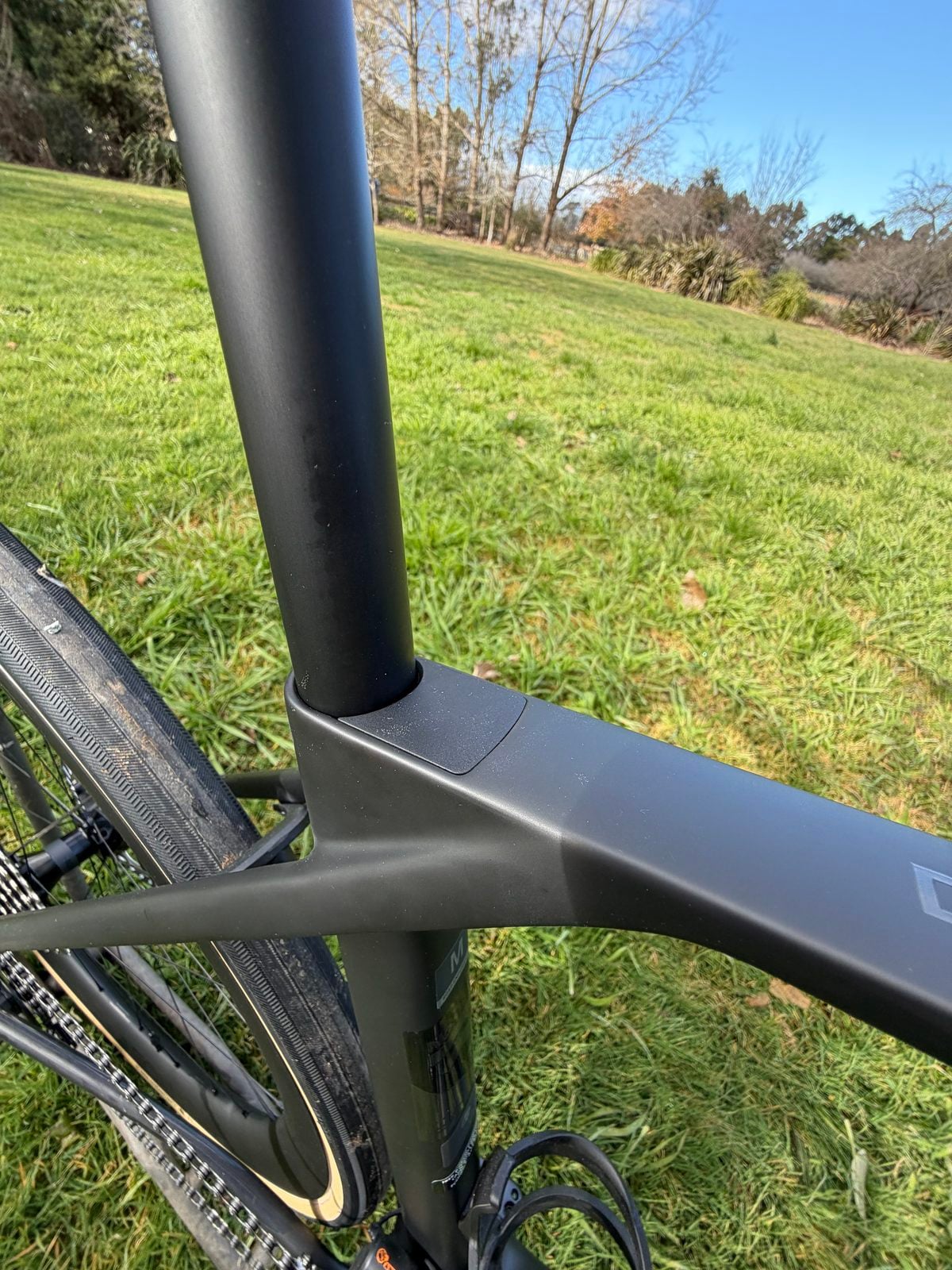
The old system worked, but it added weight, complexity and real estate to do one job. Trek’s gone back to basics – a reworked 900-series OCLV carbon layup tuned to flex vertically, bigger-volume tyres (35mm standard, up to 40mm clearance), and a new round 27.2mm seatpost designed to absorb road chatter on its own. Three things doing what one used to do.
The numbers are interesting: the SLR frameset is 305g lighter than Gen 4, while Trek claims vibrational comfort is within 5% of the old bike. On paper that’s a decent trade. On the road it’s better than that.
First impressions
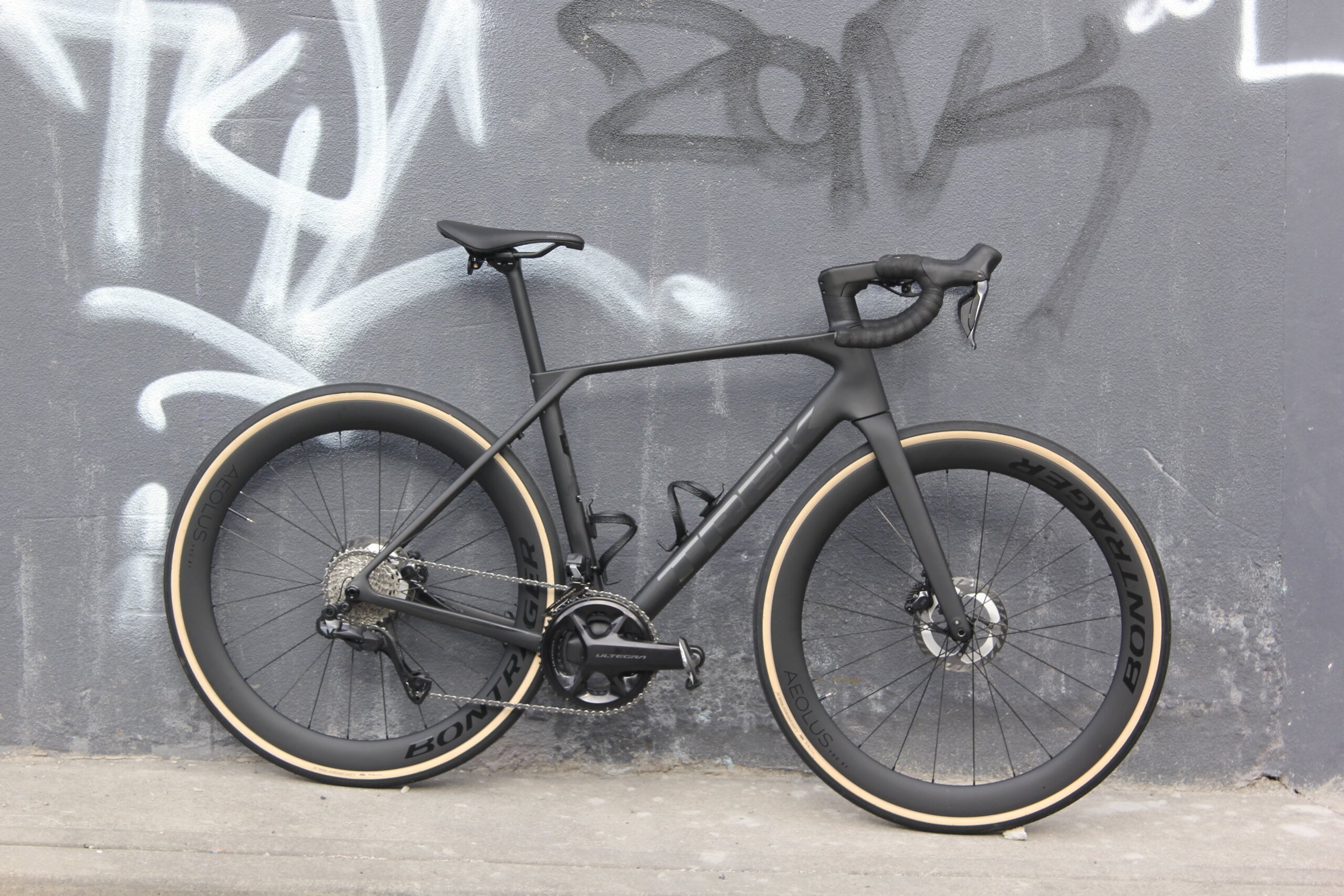
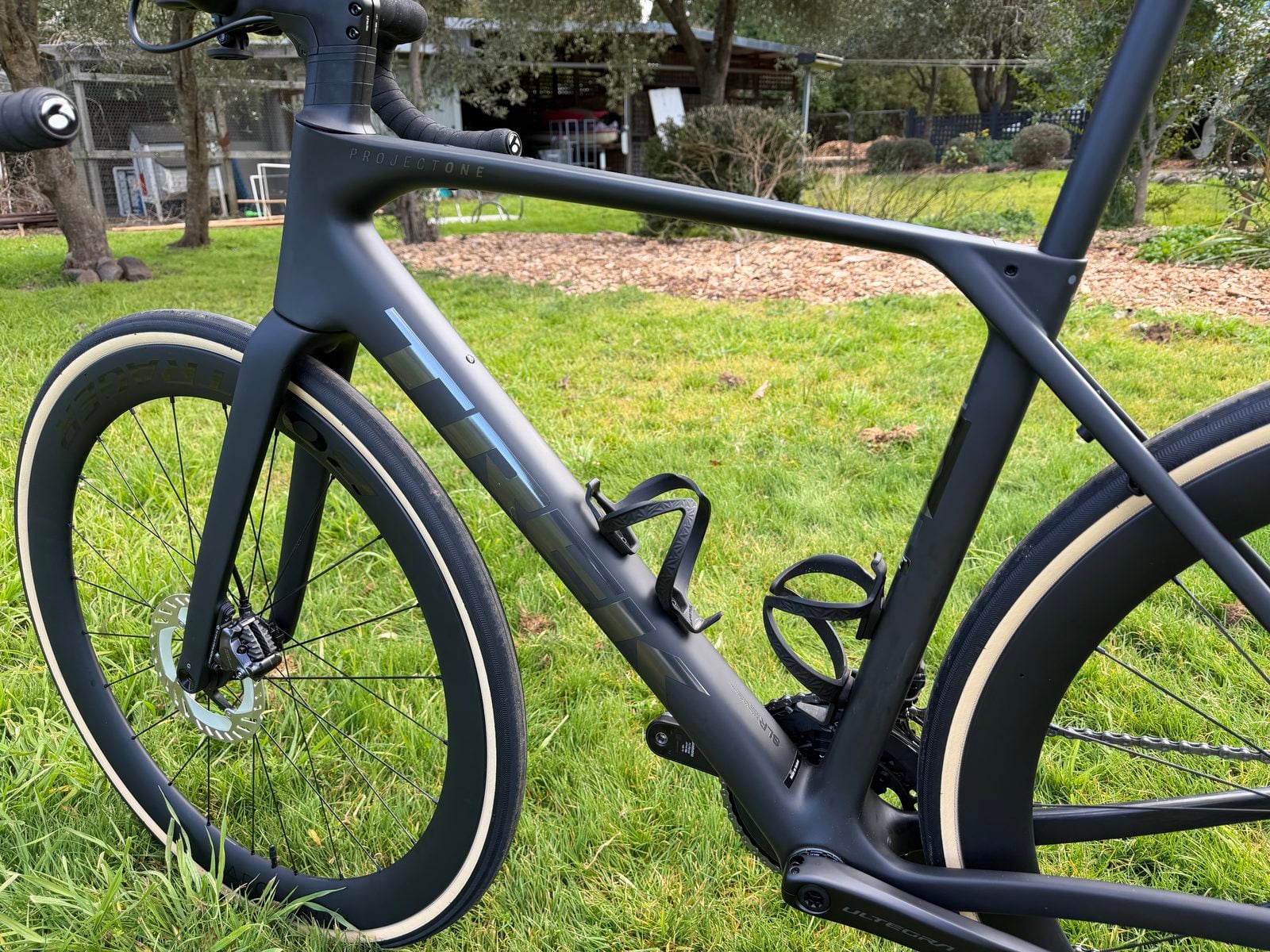
The new Domane looks noticeably cleaner without the IsoSpeed hardware. There’s less going on around the seat tube and the overall frame has a simpler, more conventional appearance.
My SLR 7 test bike weighed 7.66kg in ML with tubes, which is a respectable number for an endurance bike running 35mm tyres, disc brakes, electronic shifting and carbon wheels.
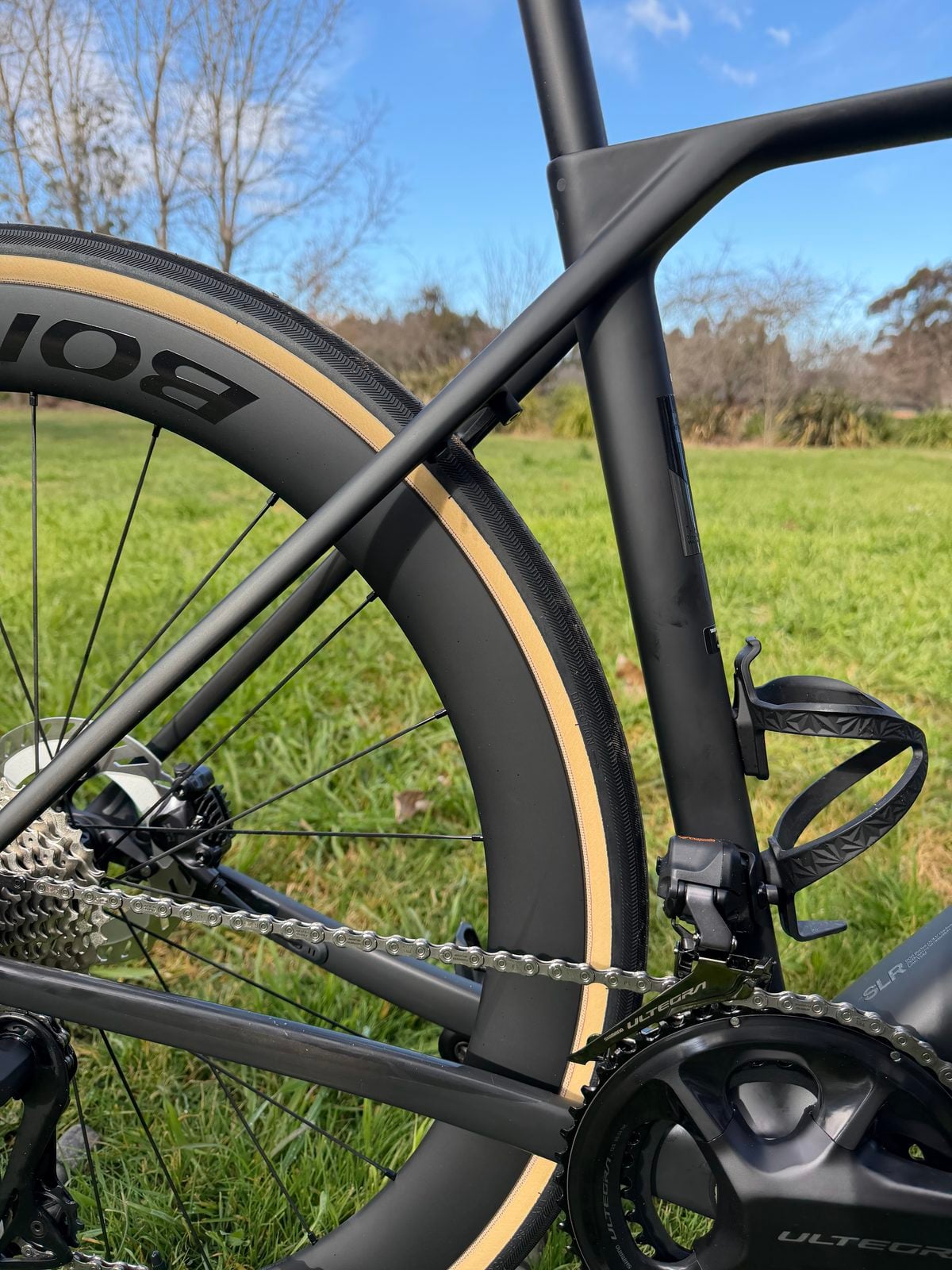
The 35mm tyres are also a substantial change from the previous generation, and there’s clearance for up to 40mm. That extra rubber plays a major role in the bike’s overall ride.
On the road
My first few minutes on the new Domane were confusing. I was bouncing around like the bike had rear suspension and wondering if I’d discovered far too much flex for an endurance road bike. Then I realised I had a slow leak and was riding on about 10psi in the rear tyre.
With that sorted, I got back to the testing and was immediately impressed.
I went in expecting to miss IsoSpeed the second the tarmac got rough. I didn’t.
The bigger tyres are doing a lot of the heavy lifting here, while the new seatpost provides enough give that you don’t feel like you’re bolted to a race bike. It’s not identical to the old Domane – the comfort has a slightly different character, with the tyres, frame and seatpost working together rather than the more isolated feel of the IsoSpeed decoupler – but it’s close enough that I don’t think most riders will miss the old system.
Importantly, that comfort doesn’t come at the expense of road feel. The Domane remains planted and connected, while the 35mm tyres take the sting out of rougher surfaces.
I spent a lot of time riding the bike around Wagga Wagga, NSW, where the roads aren’t exactly renowned for their smoothness. Potholes, coarse chipseal and patched-up sections of bitumen are a regular part of the ride, making it an ideal place to test the Domane’s comfort credentials. Over those rougher surfaces, the difference was easy to appreciate – the bike takes the edge off the road without feeling soft or disconnected.
What surprised me most was that I could ride my local loop at almost exactly the same pace as I do on my more race-focused road bikes, while finishing the ride with noticeably less back and neck pain.
The lighter frame is noticeable, particularly when getting the bike up to speed. It feels more eager than the outgoing model and happier to be pushed rather than simply ridden at a steady endurance pace.
Handling is similarly well judged. There’s still the reassuring stability you’d expect from a Domane, but the bike feels more responsive when you start riding it harder, whether punching up a short climb out of the saddle or sprinting out of a corner.
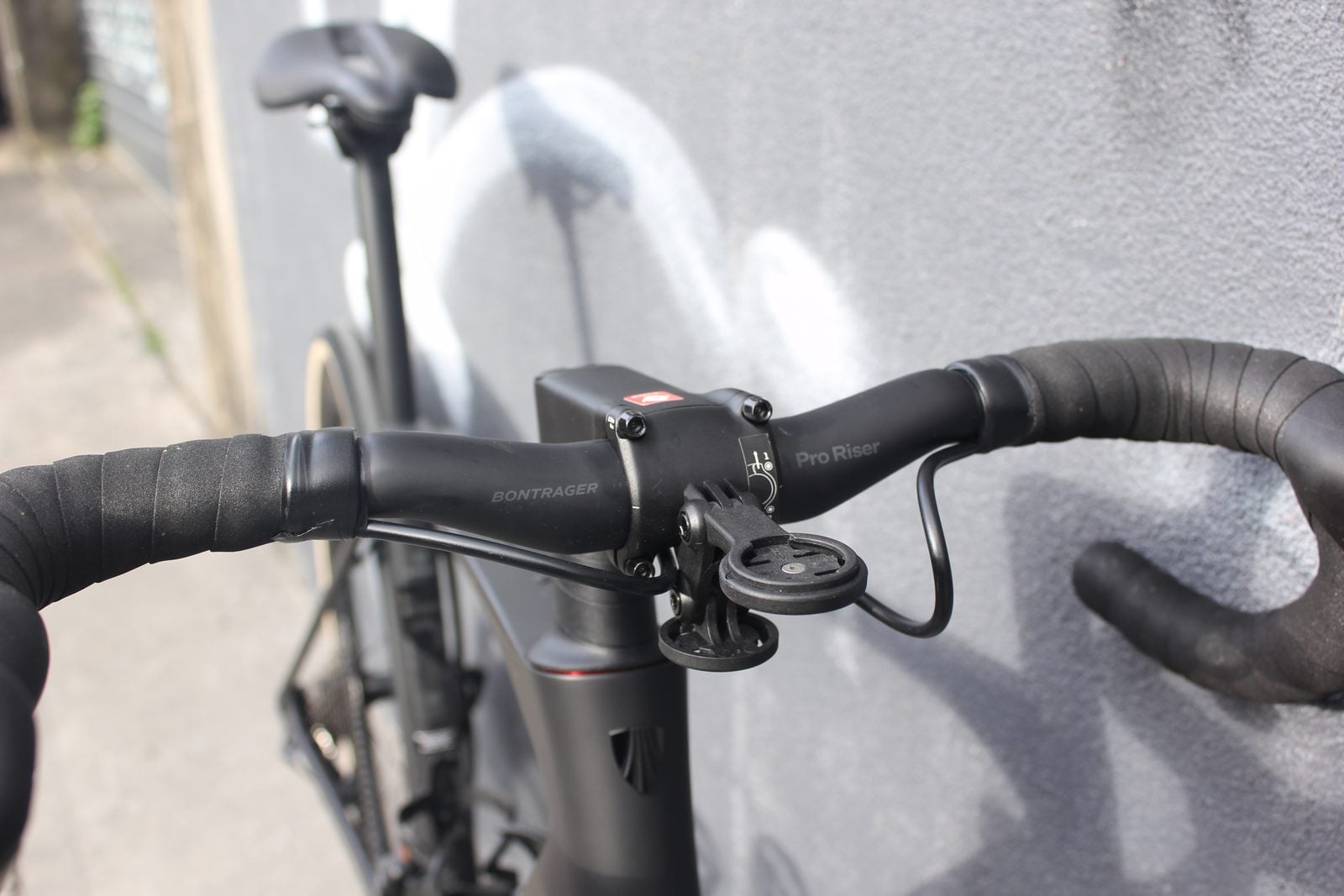
Trek has also made some changes to the riding position. The new Bontrager Riser Road handlebar adds 20mm of rise, while crank lengths have been shortened across the size range. The result is a more relaxed cockpit without making the bike feel overly upright.
The Domane also retains its practical side, with integrated mounts for bags and fenders and clearance for tyres up to 40mm. It’s not a gravel bike, but that extra clearance makes it much less precious about where you take it – particularly when a road turns rough or the route takes you onto a gravel detour.
Value
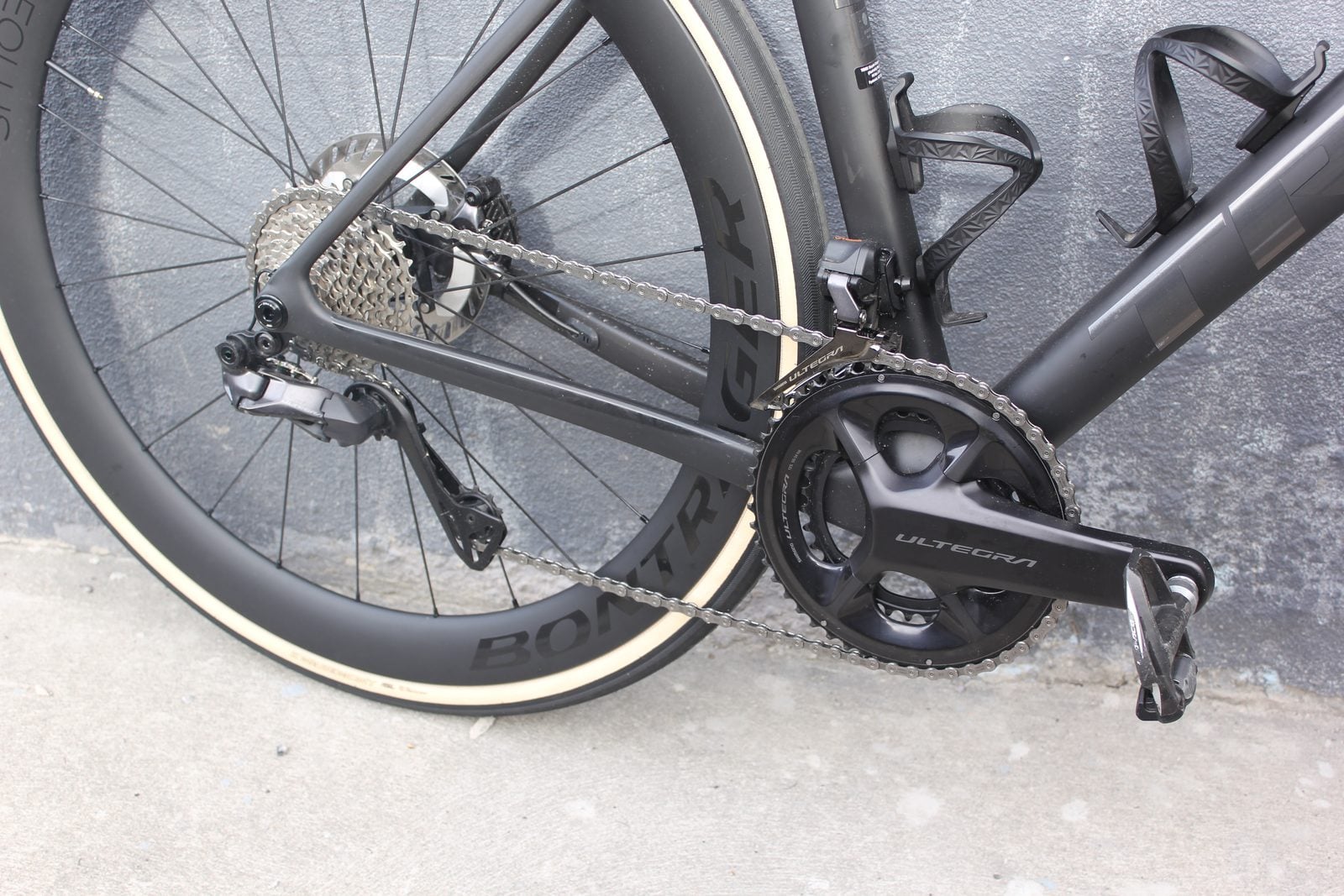
At $9,999.99 the SLR 7 is still a serious investment, but it’s fair for what you get: the top-tier 900-series OCLV frame, Ultegra Di2, Aeolus Pro 51 carbon wheels and a carbon cockpit. That’s roughly on par with what you’d expect to pay for this level of spec.
If you like the concept but not the price, the Domane SL range delivers the same geometry, tyre clearance and comfort-focused design with a lower-grade carbon frame, starting at $3,499.99 for the SL 5. At the other end, the SLR 9 tops out at $18,999.99.
Verdict
The fifth-generation Domane does what Trek said it would. It’s lighter, cleaner and still genuinely comfortable, even without the technology that defined the bike for more than a decade. Trek has made those changes without losing what made the Domane so appealing in the first place.
The 35mm tyres, revised carbon layup and new seatpost work together well, and the Ultegra Di2 drivetrain and Aeolus Pro 51 wheels give the SLR 7 plenty of performance to match its long-distance comfort. It’s a bike you can ride at race pace on rough roads and finish fresher. That’s exactly what an endurance bike should do, and the SLR 7 does it better than any Domane before it.
Specifications
Model Tested – Domane SLR 7 Gen 5
Frame – 900 Series OCLV Carbon
Fork – Domane SLR carbon
Weight – 7.66kg (ML, with tubes)
Drivetrain – Shimano Ultegra Di2, 2×12
Wheels – Bontrager Aeolus Pro 51, OCLV Carbon
Handlebar – Bontrager Pro Riser, OCLV Carbon
Tyres – Bontrager Kwaremont RSL, 700x35mm
Colour Tested – Matte Deep Smoke
Price – $9,999.99