
 Mike O'Connor
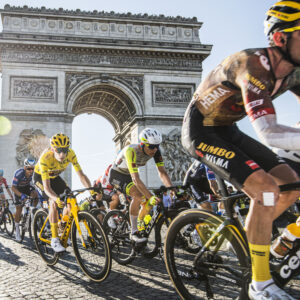
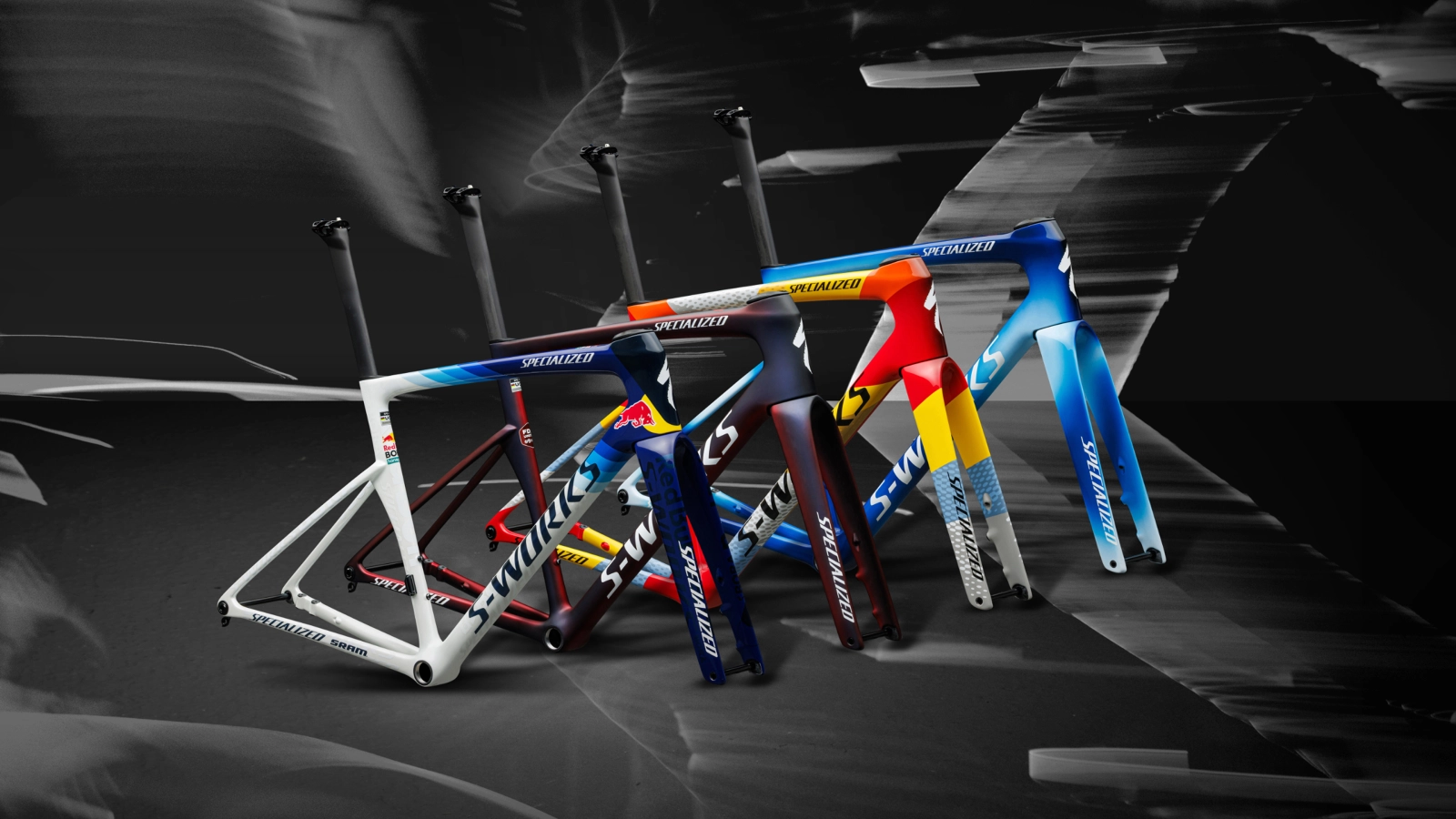
Just days before the 2026 Tour de France rolls out, Specialized has unveiled the latest iteration of one of cycling’s most successful race bikes: the new S-Works Tarmac SL9.
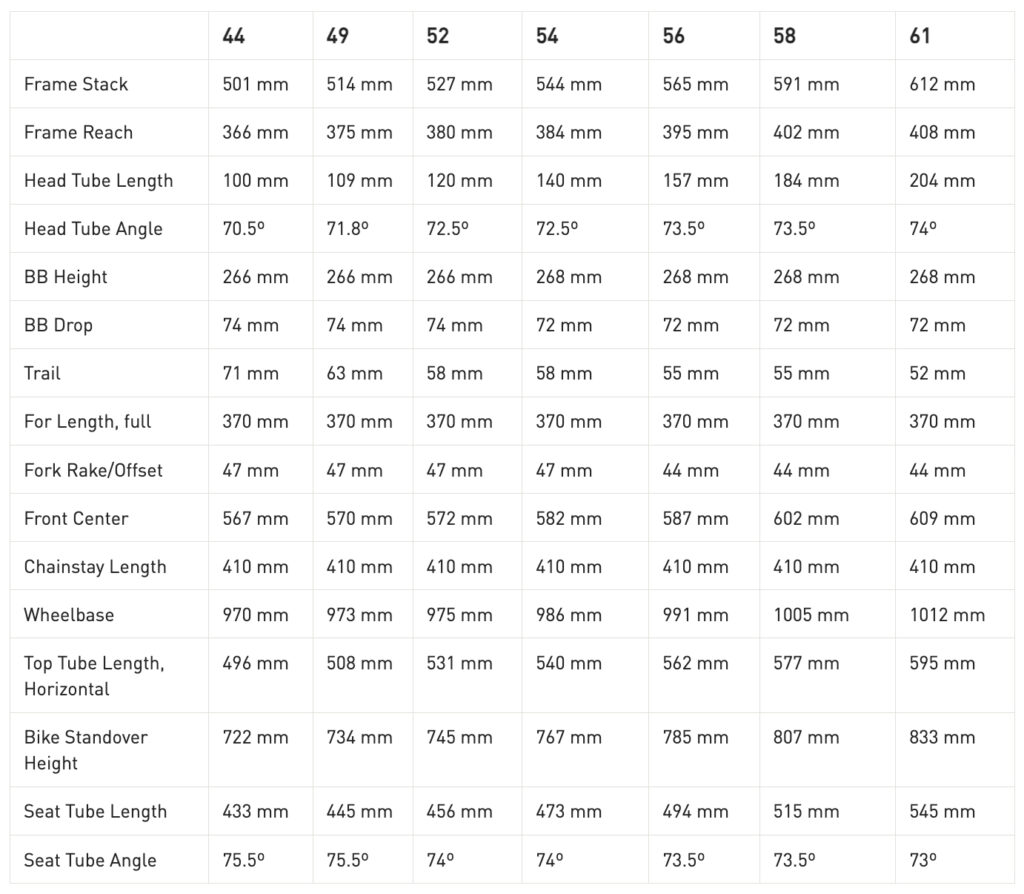
At first glance, there’s not a lot different to its predecessor the SL8, and in fact it retains the same geometry, stiffness and compliance targets as its predecessor, along with Specialized’s Rider-First engineering philosophy that tailors carbon layups to individual frame sizes.
But that’s not telling the whole story.
At the heart of the Tarmac SL9 launch is a concept the company calls “Time to Finish” — a metric designed to predict how quickly a rider completes a real-world race course by combining aerodynamics, weight, rolling resistance, rider power, terrain, weather conditions and even road surface roughness.
The idea is simple enough: the fastest bike isn’t necessarily the lightest or the slipperiest in a wind tunnel, but the one that gets its rider across the finish line first.
Specialized calls the framework behind this philosophy its “Equation of Speed”, using simulations based on real race courses, rider data and environmental conditions rather than isolated laboratory testing.
Using data from the final stage of the 2024 Tour de France Femmes — the stage where eventual runner-up Demi Vollering launched her memorable long-range attack to Alpe d’Huez aboard a Tarmac SL8 — Specialized modelled what might have happened had she been riding the new SL9.
According to the company’s calculations, the SL9 would have delivered a 14-second advantage over the decisive final 80 kilometres of racing. Given the Tour was ultimately decided by just four seconds, it’s precisely the sort of statistic that marketing departments dream of.
Four watts faster, but you’ll have to look closely
Visually, the Tarmac SL9 remains unmistakably a Tarmac.
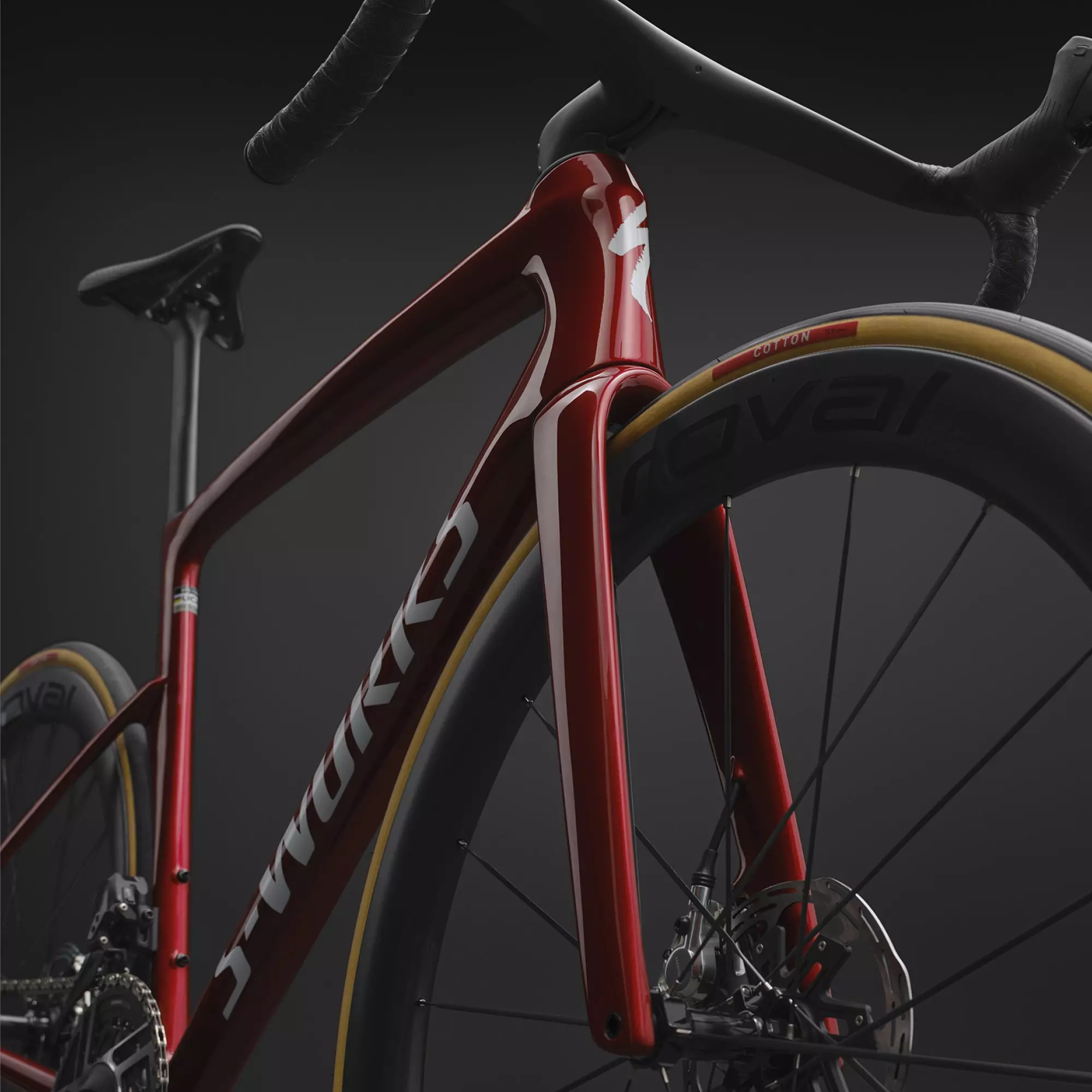
Rather than pursuing increasingly radical aerodynamic shapes, Specialized has refined almost every tube profile on the bike. The most obvious changes occur at the front end, where a narrower “Speed Sniffer” head tube reduces frontal area by around 10 per cent.
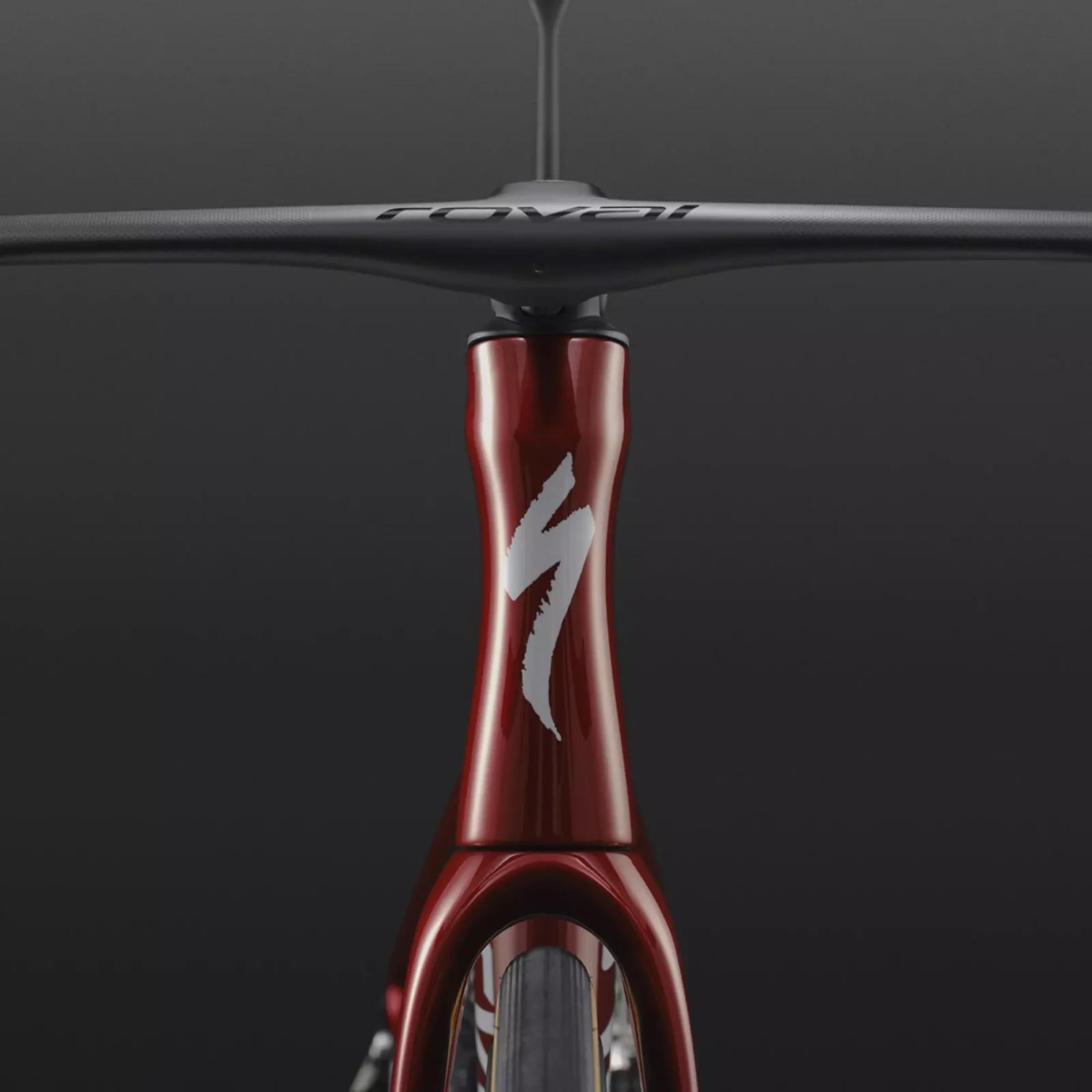
“We knew we had to go narrower with the head tube and take the space usually reserved for internal cables,” says Specialized. “The aero gains were too compelling to sacrifice, so the team engineered a solution. The Offset Steerer design reroutes the rear brake [hose] along the right side of the steerer, making space for the new design.”
The new “Flow Fork” design integrates more closely with the head tube and down tube to better manage airflow from the front wheel, while revised tube shaping throughout the frame contributes to the claimed aerodynamic gains.
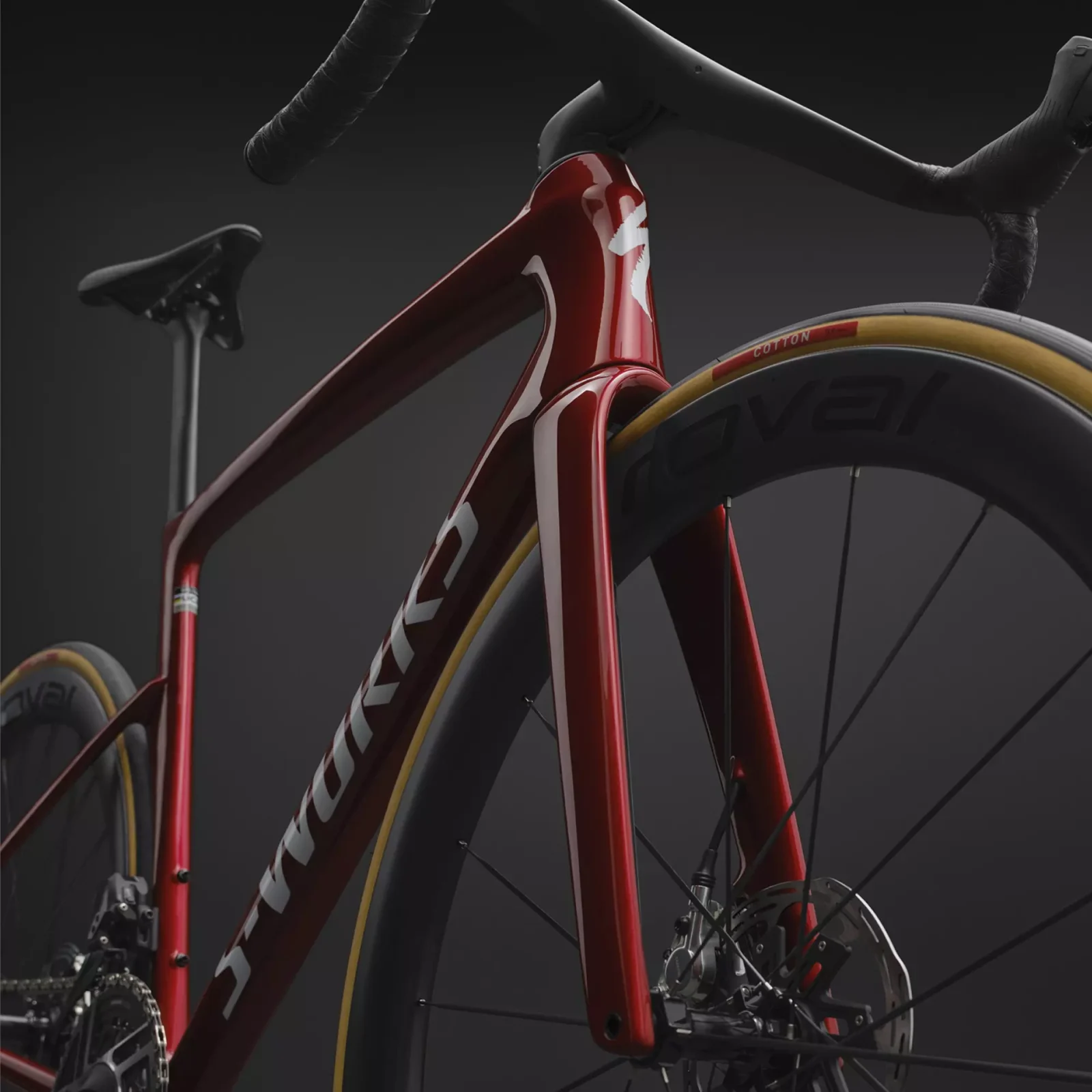
Specialized says the improvements were developed using extensive wind tunnel testing with its sixth-generation moving-leg mannequin, a full-body pedalling model designed to replicate the airflow disturbances created by a real rider.
What about the “Win Fin”?
Perhaps the most intriguing feature of the SL9 is found at the rear of the bike.
Specialized’s engineers observed that riders in race-winning breakaways often discard their second water bottle before launching decisive attacks. That changes the airflow around the seat tube and rear triangle compared with conventional wind tunnel testing configurations.
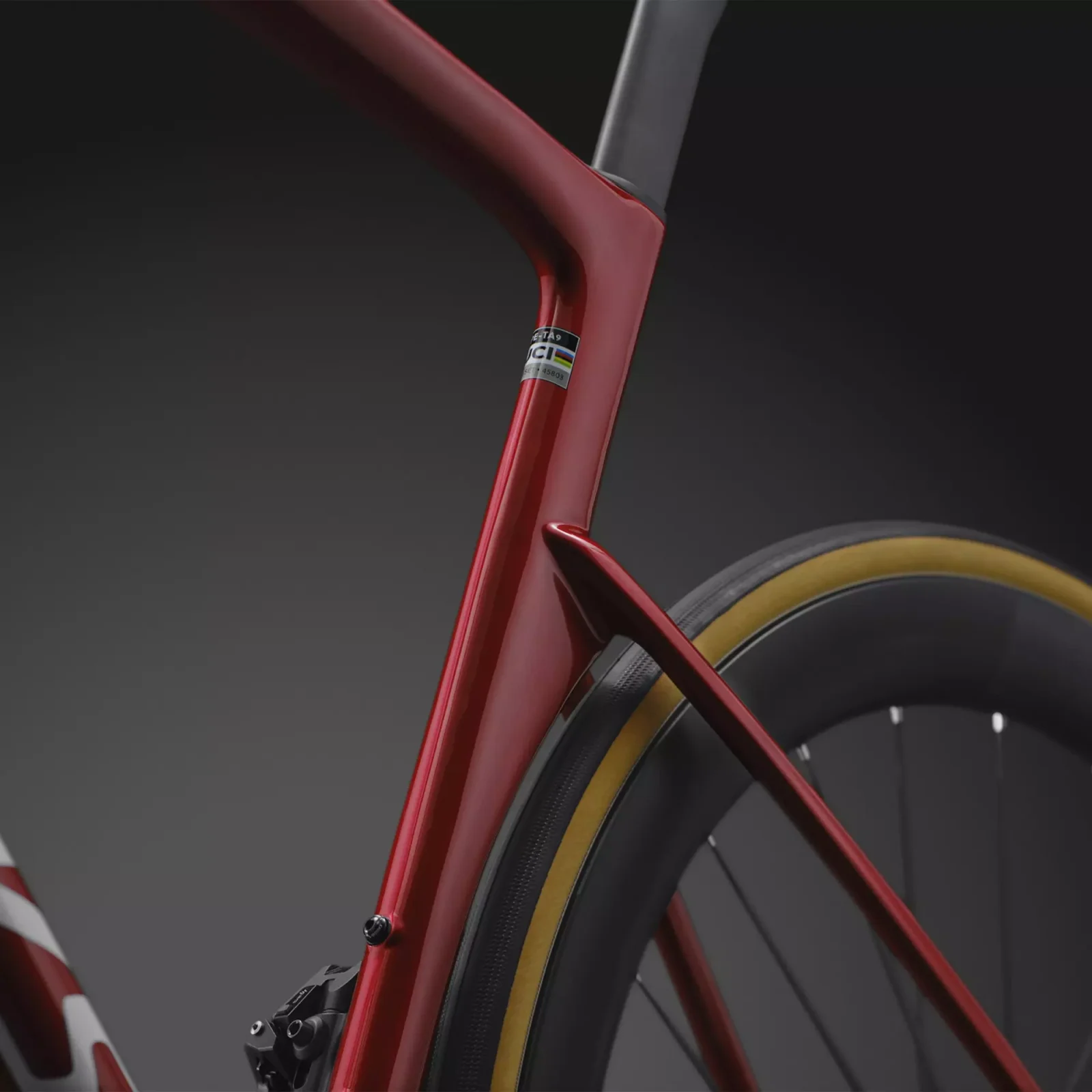
The result is the “Win Fin”, a small aerodynamic feature integrated into the rear triangle that Specialized claims saves around half a watt when riding with a single bottle.
Half a watt might sound insignificant, but in an era where manufacturers routinely chase marginal gains measured in fractions, Specialized clearly believes every advantage matters.
Of course whether recreational riders will ever notice the difference is another question entirely.
Still a Tarmac at Heart
Despite the increased aerodynamic focus, Specialized says it has maintained the ride characteristics that made the Tarmac SL8 so highly regarded.
As mentioned earlier, the SL9 retains the same geometry, stiffness and compliance targets as its predecessor.
That means the Tarmac remains what it has arguably always been: an uncompromising race bike that attempts to do everything exceptionally well.
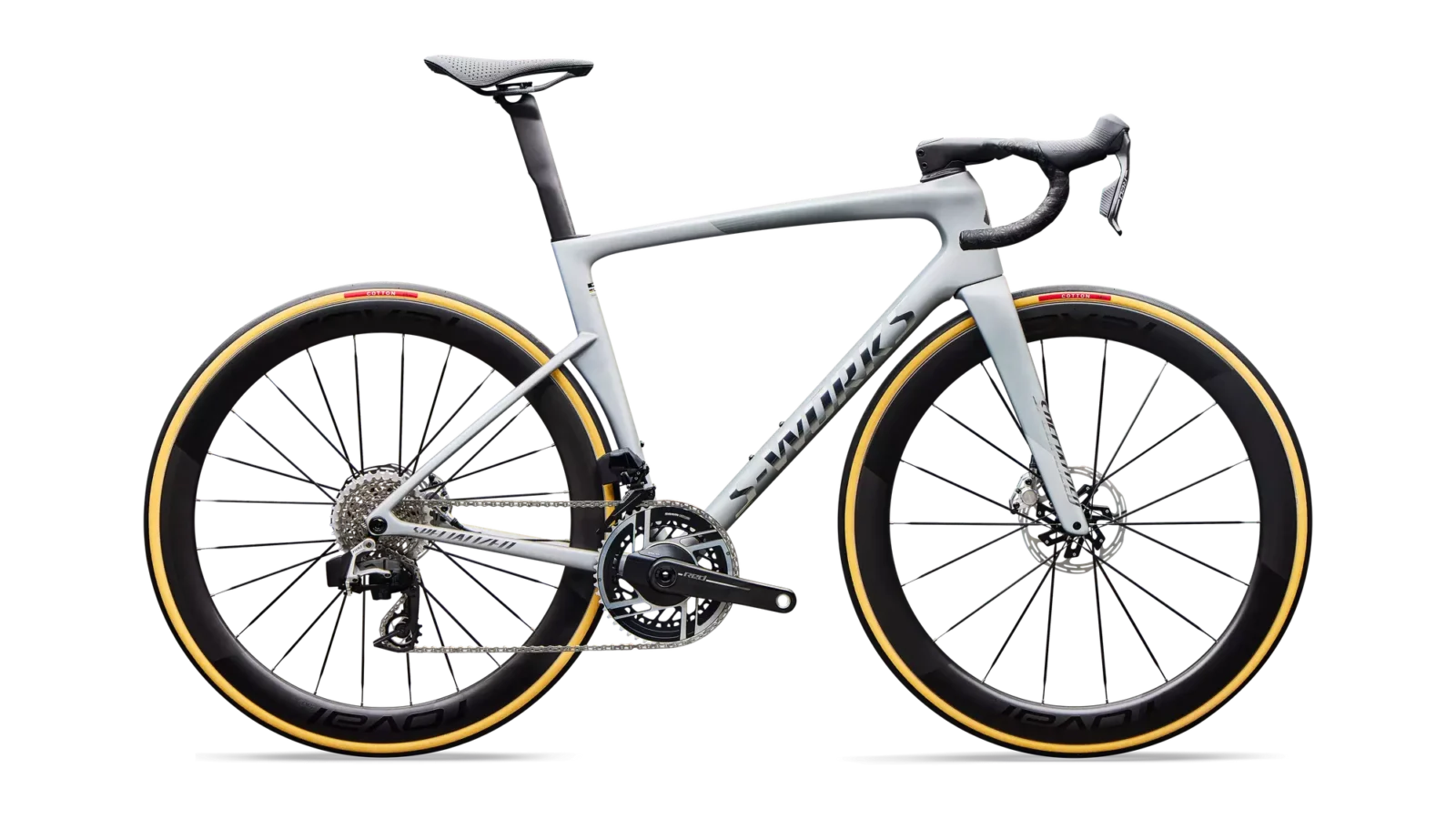
Another key talking point of the new Tarmac SL9 is its remarkably low weight. The flagship S-Works frame, built using Specialized’s premium FACT 12r carbon fibre, weighs a claimed 687 grams, putting it at the sharp end of the lightweight aero road bike category.
Complete bike builds begin at a claimed 6.5kg.
Premium Performance, premium pricing
So far, Specialized has only confirmed the S-Works models, with buyers having a choice between SRAM Red AXS and Shimano Dura-Ace Di2 builds. You could expect the more ‘pedestrian’ models to follow post Tour.
Australian pricing starts at AU$20,500 for the Dura-Ace model and rises to AU$21,500 for the SRAM-equipped version, while the frameset alone carries a price tag of AU$8,000-plus equivalent.
That places the SL9 firmly at the pointy end of the superbike market.
Whether it proves to be the fastest bike in the world will ultimately be decided on the roads of France over the next three weeks.

Mike O’Connor – A keen cyclist, runner and photographer, Mike O’Connor is the Editor of Bicycling Australia. He manages the BA website and social media, and loves promoting the achievements of Australian cyclists.