
 Mike O'Connor
Cycling safety technology has evolved rapidly in recent years, from rear-facing radar units such as Garmin’s Varia to smart lights, and the continuing evolution of crash detection and connected helmets.
Now Canyon is offering a glimpse at what the next step could look like.
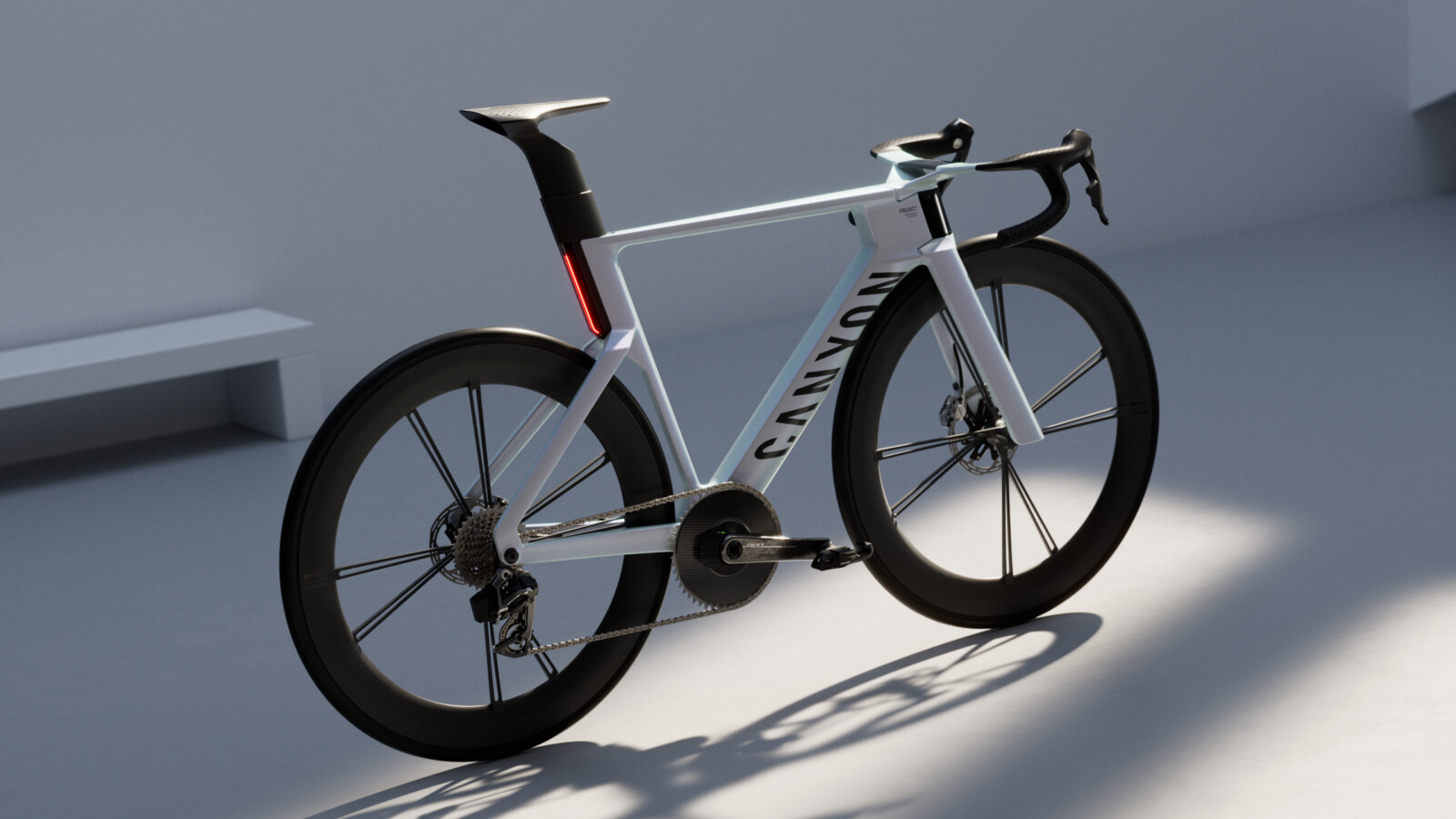
The German bike brand has unveiled Predict, a concept road bike that uses artificial intelligence, cameras and radar to monitor a rider’s surroundings and anticipate potential hazards.
The prototype will make its public debut at Eurobike in Frankfurt this week.
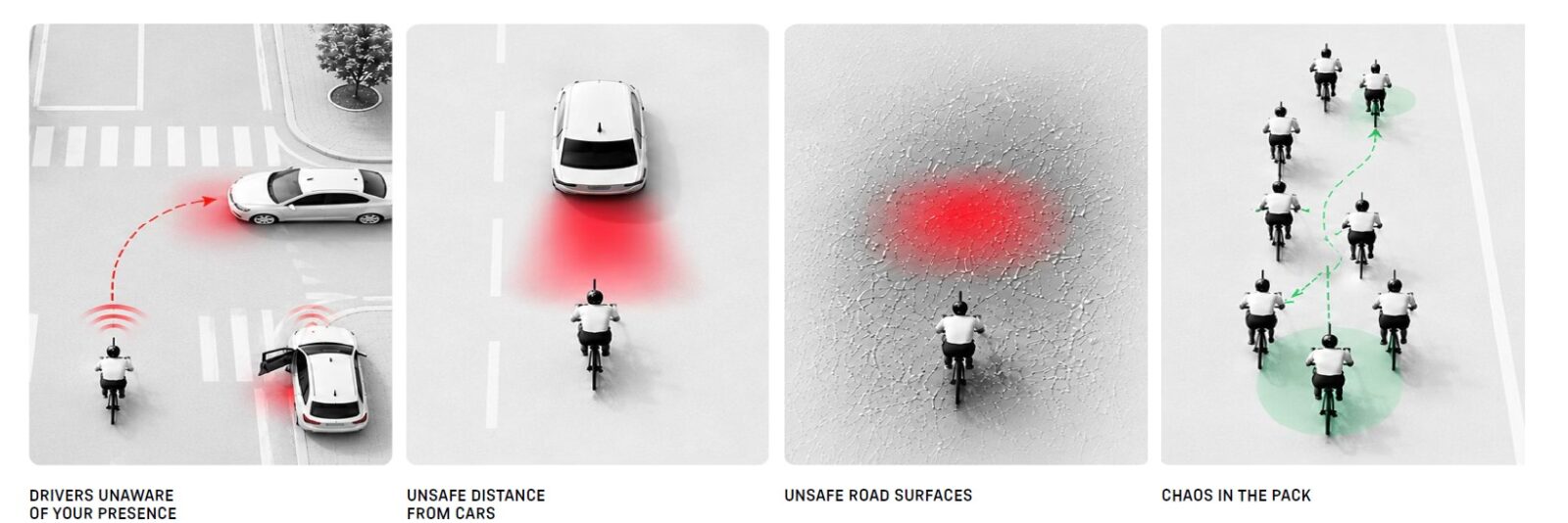
Unlike current systems, which typically alert riders to vehicles approaching from behind or record incidents after they happen, Predict is designed to build a real-time picture of everything happening around the bike.
Canyon says it can identify approaching traffic, assess road conditions, analyse cornering speeds and even monitor the movement of riders in a bunch.
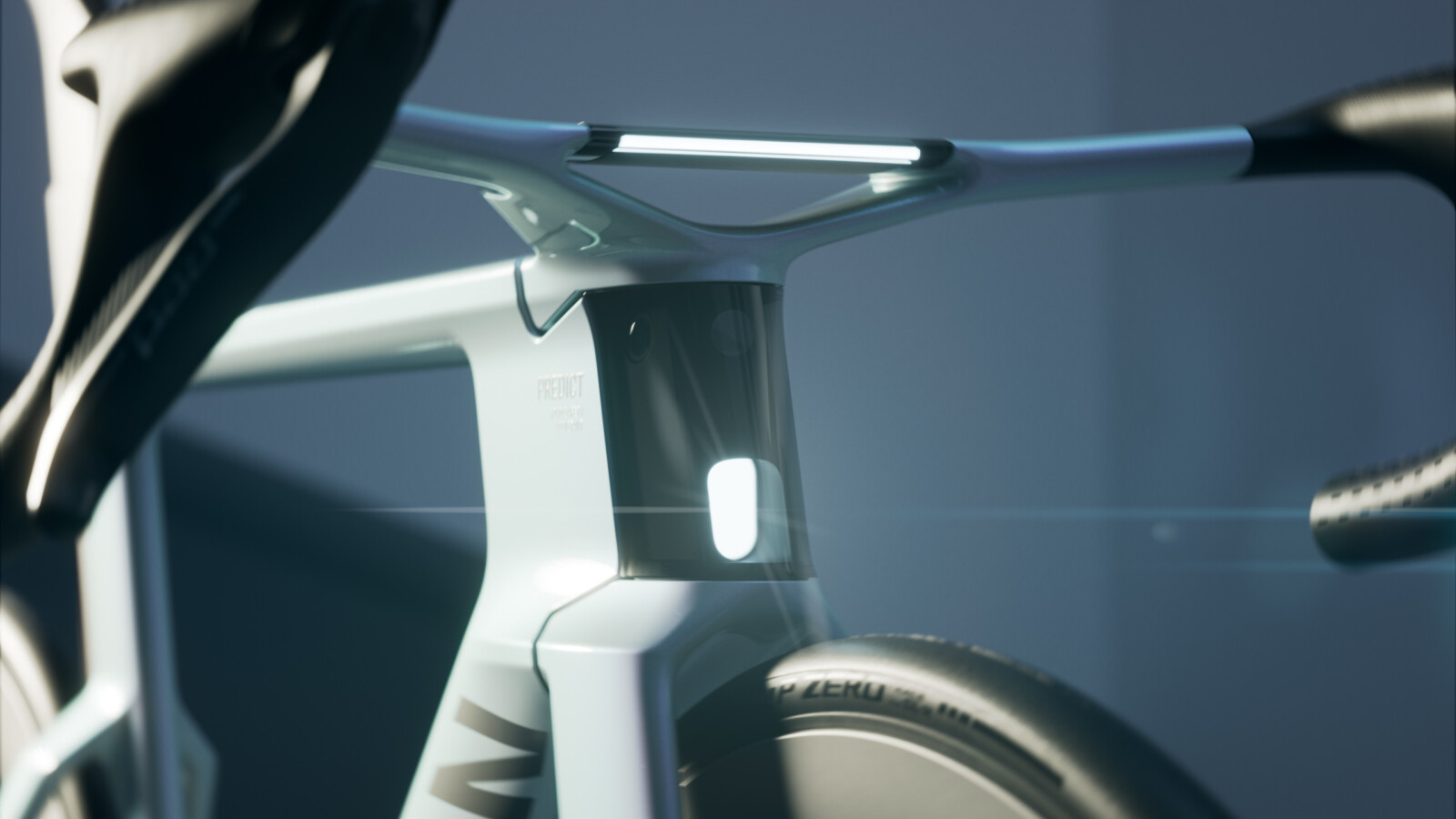
Those warnings come via flashing lights on the lever hoods as well as vibrations, not unlike the lane-assist on modern cars, Canyon says in its introductory video.
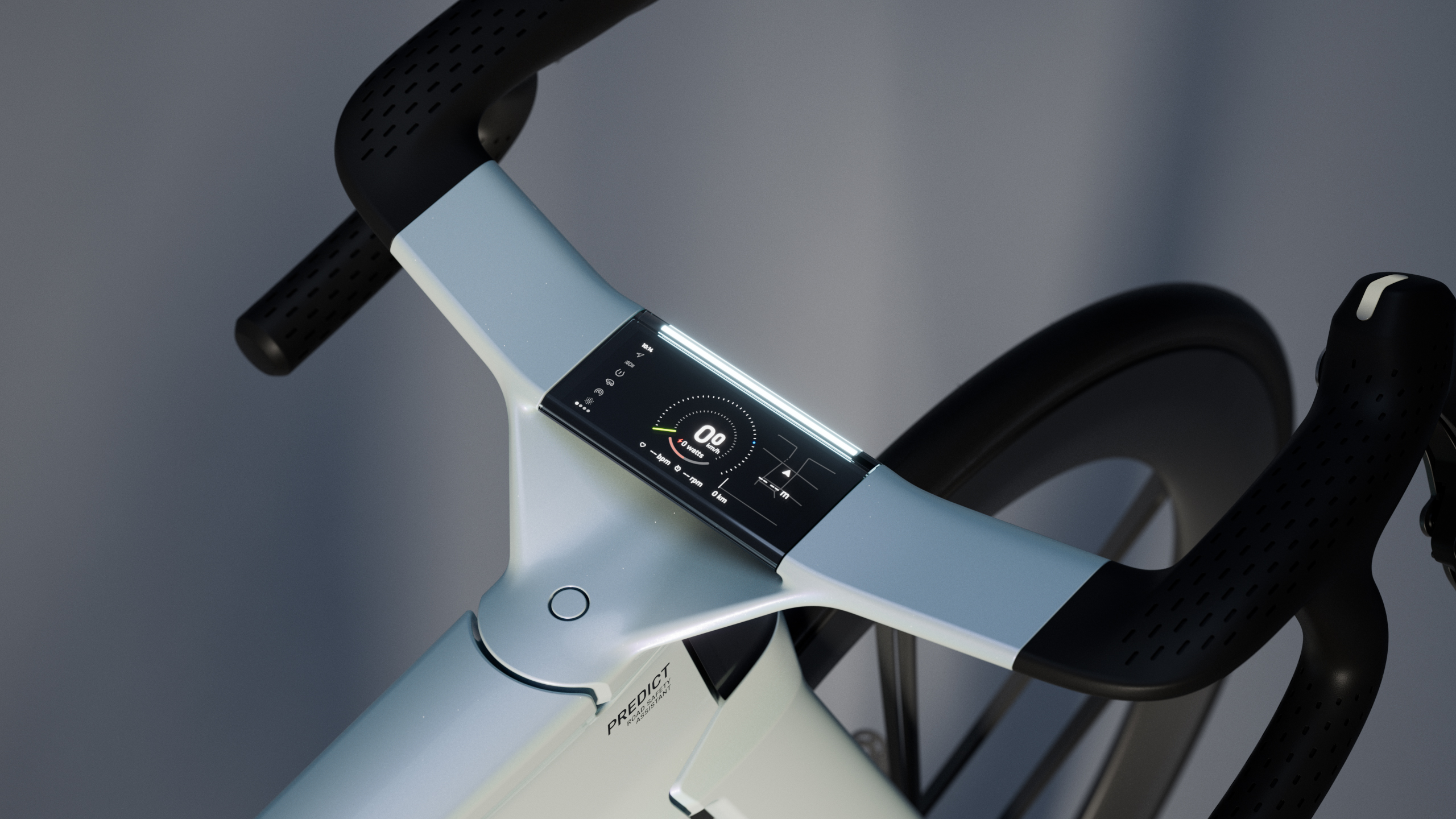
Currently, the technology is integrated into a performance road bike with a handlebar-mounted display, that can also connect to Canyon’s prototype Stingr augmented reality helmet, which projects alerts onto a drop-down visor with a built in data visualisation screen.
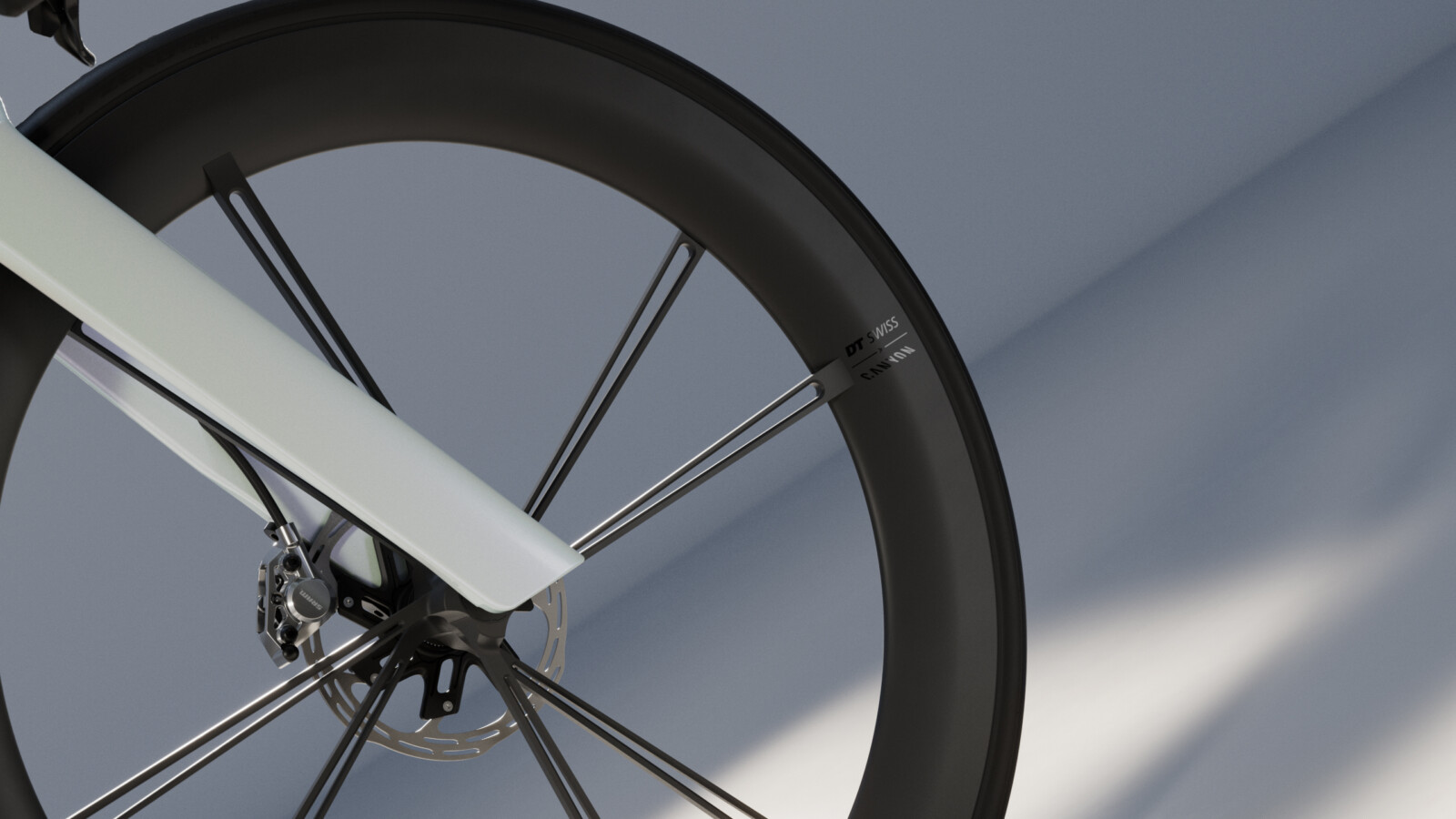
According to Canyon, the system combines cameras, radar and motion sensors – including sensors built into the wheel hub – with on-board AI processing, meaning it doesn’t rely on a mobile connection or cloud computing.
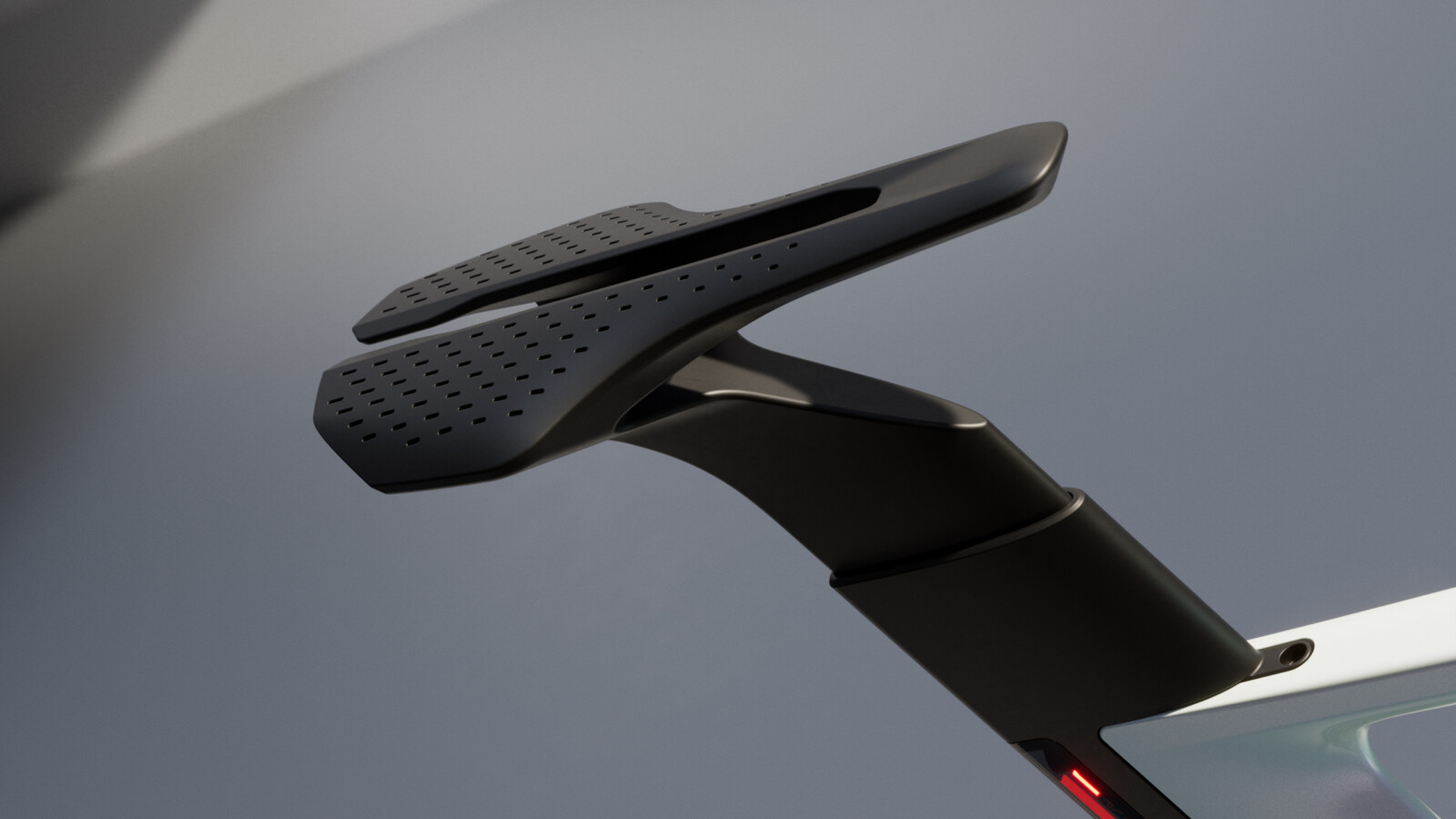
The company says it is also exploring ways the bike itself could respond to changing conditions. One example is an electronically controlled dropper seatpost that could be lowered automatically or at the rider’s command to improve stability in an emergency.
Beyond hazard detection, Predict is intended to assist during bunch riding by tracking the movement of nearby riders and, eventually, sharing information between connected bikes.
While features such as radar alerts, electronic shifting integration and connected lighting are already making their way onto production bikes, Canyon’s concept pushes further by combining multiple sensors with predictive AI into a single platform.
Whether all of those ideas eventually reach production remains to be seen, but the concept is a look where cycling technology could be heading as manufacturers place increasing emphasis on rider safety alongside performance.
Multiple studies in both the UK and Europe have indicated that safety concerns are one of the leading barriers that prevent people from cycling – whether that’s commuting by bike or cycling for sport.
In the UK’s National Travel Attitudes Study (NTAS) Wave 9 (2023), for example, 48% of respondents said safety concerns were the main reason they never ride a bicycle.
“Cars have become inherently safer and motorist deaths over the last 10 years have fallen, but bicycles have not seen any significant safety improvements,” said Canyon’s head of design Fedja Delic.
“In fact the proportionate and absolute number of cyclists killed or seriously injured is shown to be rising in many countries. While technology has made driving a car safer than ever before, riding a bike on the road has arguably become more dangerous than ever before. Yet with the technology available, significant bicycle safety improvements are more than possible.”
The Predict concept will be on display throughout Eurobike, where Canyon says it will discuss how elements of the technology could eventually find their way onto future production bikes.

Mike O’Connor – A keen cyclist, runner and photographer, Mike O’Connor is the Editor of Bicycling Australia. He manages the BA website and social media, and loves promoting the achievements of Australian cyclists.