

 Harry Kooros
Overview
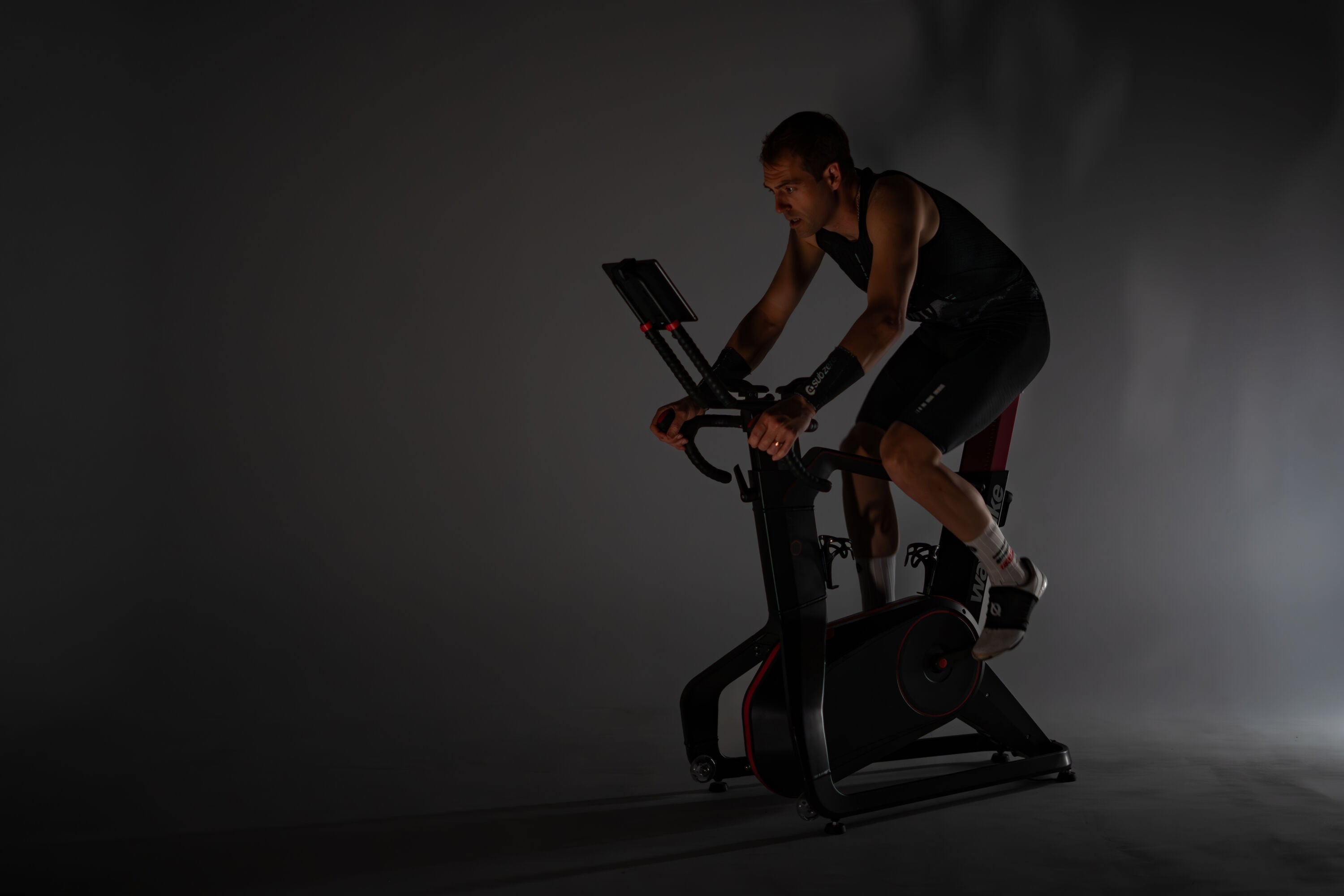
Smart bikes promise a lot, but most still feel like a compromise somewhere along the line. The latest Wattbike Atom takes a different approach – build a solid, accurate training tool first, then layer the tech on top. It’s a simple brief, but one that’s surprisingly rare in this category.
Wattbike isn’t new to this space – it arguably helped define it. Born out of British Cycling’s Olympic program, the brand has always prioritised accuracy and performance first, and that still shapes the Atom today.
Setup and fit
Out of the box, the Atom feels more like commercial gym equipment than a consumer product. It’s heavy, properly planted, and once it’s in place, it doesn’t budge. That stability translates directly to the ride feel too. There’s no rocking under load, no noticeable flex through the frame, just a solid, consistent platform that encourages you to settle in and focus on the effort.
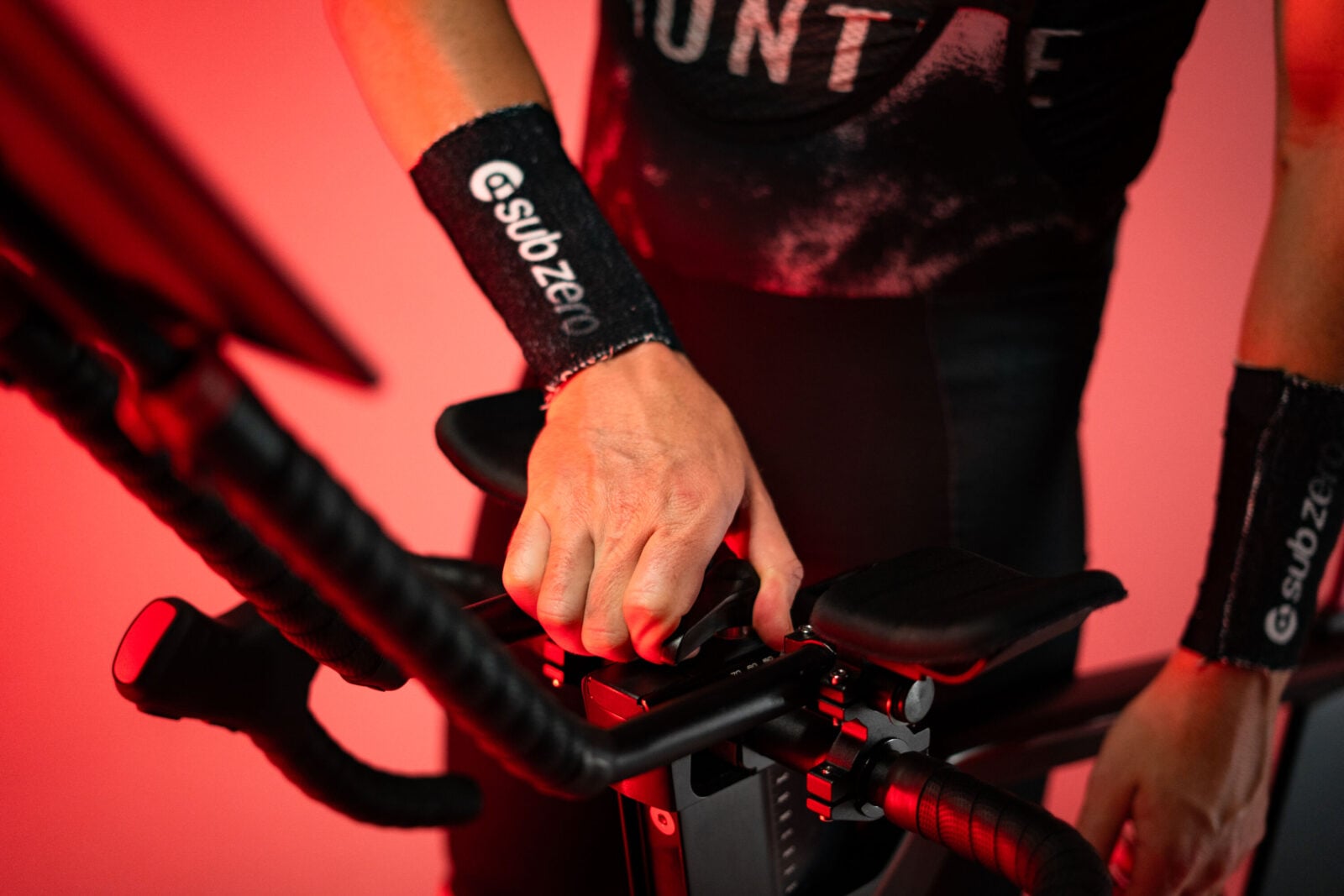
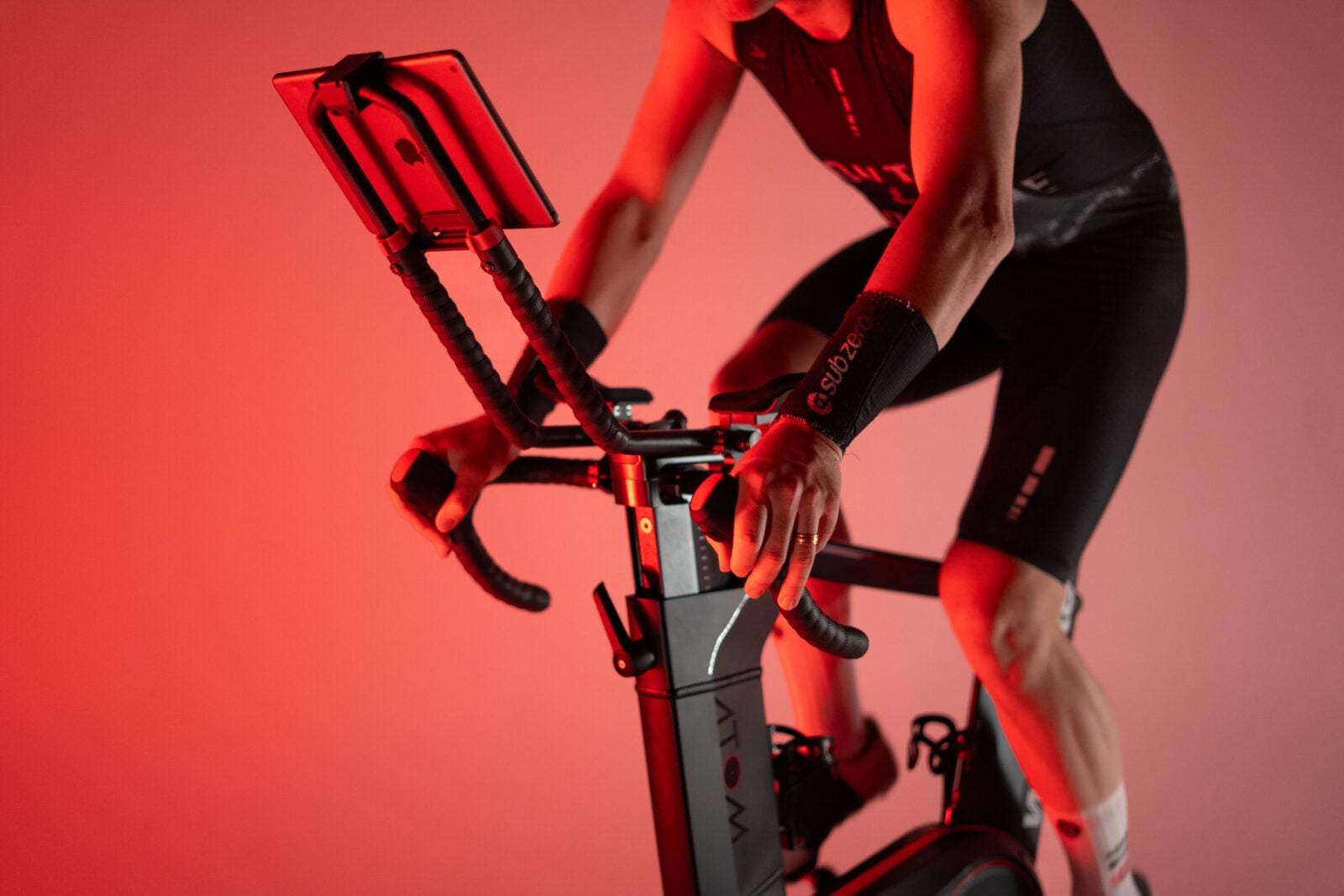
Fit adjustment is one of the Atom’s stronger points. Saddle height, setback, bar reach and stack are all quick and easy to tweak, and getting close to your outdoor riding position takes surprisingly little trial and error. It won’t perfectly replicate every bike fit, but it’s close enough that switching between indoor and outdoor riding feels natural. The addition of adjustable tri bars is also a nice touch, particularly during longer efforts.
One minor hiccup during setup was discovering one of the shifters had a flat battery. While pairing the Atom to the Wattbike Hub app, the right-hand shifter simply wouldn’t respond. After about 15 minutes of troubleshooting, replacing the CR2032 coin cell battery solved the issue instantly. It’s not a major problem, but I could see it causing confusion for less tech-savvy users during initial setup.
Ride feel
This is where the Atom really starts to separate itself from a lot of the smart bike market.
The electromagnetic resistance responds quickly and smoothly, particularly when paired with platforms like Zwift or TrainerRoad. Gradient changes come through cleanly, ERG transitions are controlled without feeling abrupt, and the virtual shifting feels immediate rather than laggy or artificial.
More importantly, the resistance itself feels convincing. There’s no exaggerated flywheel sensation or clunky ramping under load – just a smooth, steady, road-like feel whether you’re spinning easily or pushing into threshold efforts. It responds quickly to changes in effort without feeling overly reactive, which makes it easy to settle into for longer sessions.
It’s obviously not identical to riding outdoors, and no indoor setup truly is, but this is one of the more realistic and refined ride experiences currently available in the smart bike category.
Data and performance
Accuracy is a major part of the Atom’s appeal. With a claimed ±1% power accuracy, it delivers consistent, repeatable numbers that genuinely hold up for structured training. You’re not second-guessing intervals or wondering whether the data is drifting – it simply does what it claims to do.
The data offering also runs deep. Wattbike’s pedalling analysis remains one of the more genuinely useful tools here, giving insight into how you’re producing power, not just how much. Rather than simply flooding the screen with metrics, it provides feedback that can actually help refine efficiency and smoothness over time.
Connectivity and ecosystem
The Atom plays nicely with pretty much every major training platform that matters. Alongside the Wattbike Hub app, it integrates seamlessly with platforms like Zwift, TrainerRoad and Rouvy. Pairing is straightforward, connections remain stable, and resistance changes happen quickly without noticeable lag.
There’s also a practical upside to the all-in-one setup. There’s no mounting your own bike, no drivetrain wear, and no constantly swapping setups between indoor and outdoor riding. You simply get on and ride, which makes consistency and structured training a lot easier to maintain.
The downsides
Price is the obvious one. This sits firmly at the premium end of the smart bike market, and it simply won’t make sense for every rider.
It’s also not particularly space-friendly. At around 45kg, the Atom is very much a set-and-forget piece of equipment rather than something you’ll be regularly moving around the house.
Crank length is fixed at 170mm, which won’t suit every rider, particularly as shorter crank setups become increasingly common. And while the fit adjustability is excellent overall, it’s still not infinitely customisable.
Like any indoor setup, it also misses some of the subtle variability and movement that makes riding outdoors feel so dynamic in the first place.
Verdict
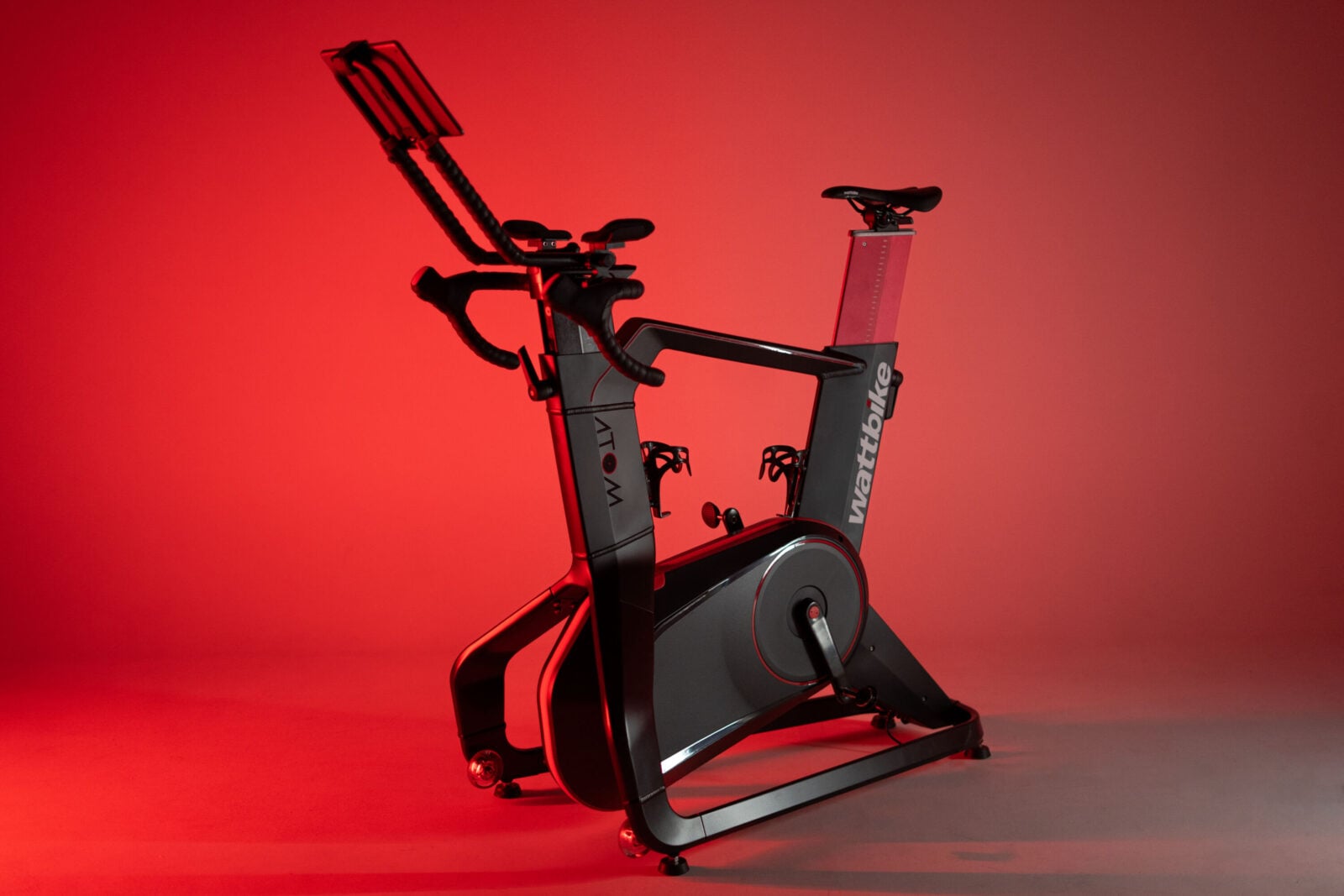
The Wattbike Atom is one of the most complete smart bikes currently available.
What makes it work so well is that it gets the fundamentals right first – stability, ride feel, responsiveness and accuracy – then builds the technology around that foundation rather than relying on it to carry the experience.
It won’t replace riding outdoors, and it’s not trying to. But for structured training, consistency and ease of use, it’s an exceptionally polished piece of equipment. If you ride indoors regularly and want something that simply works every time, the Wattbike Atom is among the best options available today.
Specs
Price – ~$4,995 AUD
Claimed power accuracy – ±1%
Resistance – Electromagnetic
Maximum power – ~2,500W
Maximum gradient simulation – ~25%
Weight – ~45kg
Connectivity – ANT+, Bluetooth
Apps – Wattbike Hub, Zwift, TrainerRoad, Rouvy
Crank length – 170mm (fixed)
Adjustability – Saddle height/fore-aft, bar height/reach (tool-free adjust)
Extras – Integrated tri bars, virtual gearing (22 gears), ERG mode, pedalling analysis