
 Mike O'Connor
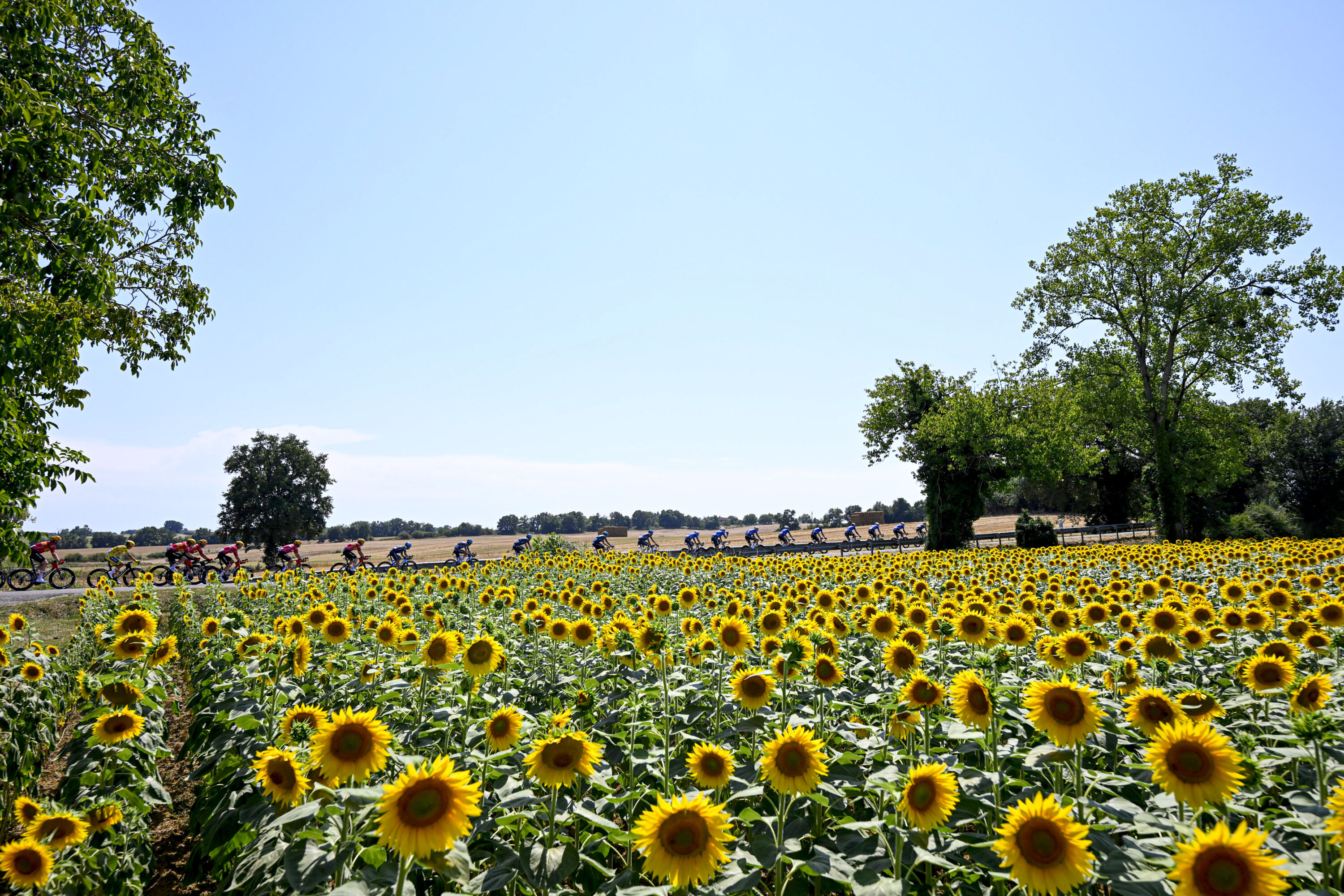
We’ve seen the first summit finish, an audacious long-range breakaway reshape the general classification, the first bunch sprint of the race and soaring temperatures test the peloton almost as much as the terrain.
While the race favourites remain firmly in contention, the opening five stages have also revealed a fair bit about how this year’s Tour is likely to unfold.
1. Enter Torstein Træen
Perhaps the biggest talking point has been the rise of Norwegian rider Torstein Træen, who seized the maillot jaune after joining a 34-rider breakaway that gained almost eight minutes on stage four, with Stage five last night doing little to threaten his lead.
His story is pretty remarkable, with the 30-year-old Norwegian diagnosed with testicular cancer in 2022 following irregular results from a routine doping test. After undergoing surgery, he was cleared to resume competition and made his return to racing later that same season.
That said, although Træen now enjoys a healthy overall lead, the consensus is that he’ll struggle to hold yellow once the race reaches its biggest mountain stages.
Instead, his success reflects a familiar Tour de France tactic: the main GC teams are often content to let a strong breakaway rider take yellow early in the race, allowing another team to shoulder the burden of controlling the peloton while the favourites conserve energy.
With tougher mountain stages and the time trial still to come, the yellow jersey is almost certain to change hands again.
2. Pogačar and Vingegaard look pretty evenly matched
If anyone expected the opening stages to separate the Tour’s two biggest stars, they’ll have to wait a little longer.
Tadej Pogačar and Jonas Vingegaard have shadowed one another throughout the opening five days.
Pogačar claimed victory on the race’s first mountain finish, but neither rider has been able to gain a meaningful advantage over the other in the overall standings.
Stage five offered another opportunity for either rider to gain an advantage through splits or crashes, but both safely navigated the nervous finale and remain locked together heading into the first true mountain test.
Both teams appear content to avoid unnecessary risks early in the race, knowing the decisive battles will come later in the high mountains.
3. Lidl–Trek has set the early benchmark
It’s been a good start to the Tour for Lidl–Trek.
The American squad has consistently featured at the front of the race, combining aggressive tactics with impressive depth. Mads Pedersen claimed another stage victory after outsprinting teammate Quinn Simmons at the end of stage four, while Mathias Vacek continues to impress with his all-round riding.
The team’s strong performances have earned Pedersen the green jersey and placed Vacek among the leading riders on general classification, underlining just how complete Lidl–Trek’s start to the Tour has been.
4. The heat is having a much greater impact than expected
The opening week has highlighted what has become an increasingly familiar feature of modern Grand Tours: extreme heat.
Temperatures have been high – very high. In fact, they climbed above 40°C during stage four and well into the 30°s on five, prompting organisers to relax feeding regulations so riders could collect extra bottles and ice throughout the stage.
Its meant teams were forced to rethink hydration strategies, while riders repeatedly reached for ice socks and cooling vests in an effort to manage the relentless conditions.
At the same time, the UCI has been criticised for not doing enough for rider safety.
“It’s the least worst option,” Pascal Chanteur of the professional riders’ union said of the additional measures being introduced.
“It’s not fixing the problem. When the temperature goes over 40 degrees, the government takes measures to protect the public. The riders are in the population, they’re working outside, exposed to the conditions. We can no longer race in conditions like this.”
With more hot weather forecast, staying cool could prove just as important as climbing legs over the coming weeks.
5. It’s been a quiet start for Australian hopes – but perhaps not unexpectedly
For Australian fans, the opening stages have been relatively quiet, but that is unlikely to remain the case for the whole tour.
Luke Plapp remains Australia’s highest-placed rider on general classification after five stages, while Ben O’Connor sits 80th overall after conceding significant time when the stage four breakaway was allowed to gain almost eight minutes.
Now sitting more than 38 minutes behind after five stages, O’Connor is expected to focus on targeting mountain stage victories rather than chasing a high overall finish.
Elsewhere, Australia’s contingent has yet to make a major impact. Kaden Groves has yet to feature in the major sprint finishes, while the race’s biggest storylines have centred on the battle for yellow.
But with medium mountain stages, Alpine climbs and more breakaway-friendly terrain still to come, there should be plenty of opportunities for the Australians to leave their mark before the Tour reaches Paris.
Tour de France 2026 – General Classification after Stage 5
| Rank | Rider | Team | Time / Gap |
|---|---|---|---|
| 1 | Torstein Træen | Uno-X Mobility | 16h 32′ 07″ |
| 2 | Sean Quinn | EF Education-EasyPost | +28″ |
| 3 | Mathias Vacek | Lidl-Trek | +3’50” |
| 4 | Tadej Pogačar | UAE Team Emirates-XRG | +7’53” |
| 5 | Jonas Vingegaard | Team Visma–Lease a Bike | +7’53” |
| 6 | Ramses Debruyne | Alpecin-Premier Tech | +8’06” |
| 7 | Remco Evenepoel | Red Bull-BORA-hansgrohe | +8’16” |
| 8 | Isaac del Toro | UAE Team Emirates-XRG | +8’17” |
| 9 | Juan Ayuso | Lidl-Trek | +8’20” |
| 10 | Paul Seixas | Decathlon CMA CGM | +8’41” |

Mike O’Connor – A keen cyclist, runner and photographer, Mike O’Connor is the Editor of Bicycling Australia. He manages the BA website and social media, and loves promoting the achievements of Australian cyclists.