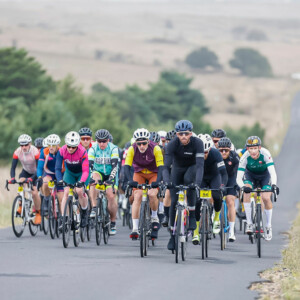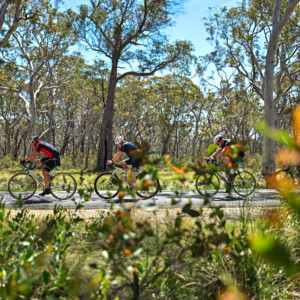

What does success look like in a cycling development program? A WorldTour contract? An Olympic medal? A national title?
The Australian Cycling Academy would argue those achievements matter, but they are only part of the story. Since 2018, the Sunshine Coast-based program has been built around a broader goal: helping young riders prepare for life as well as racing.
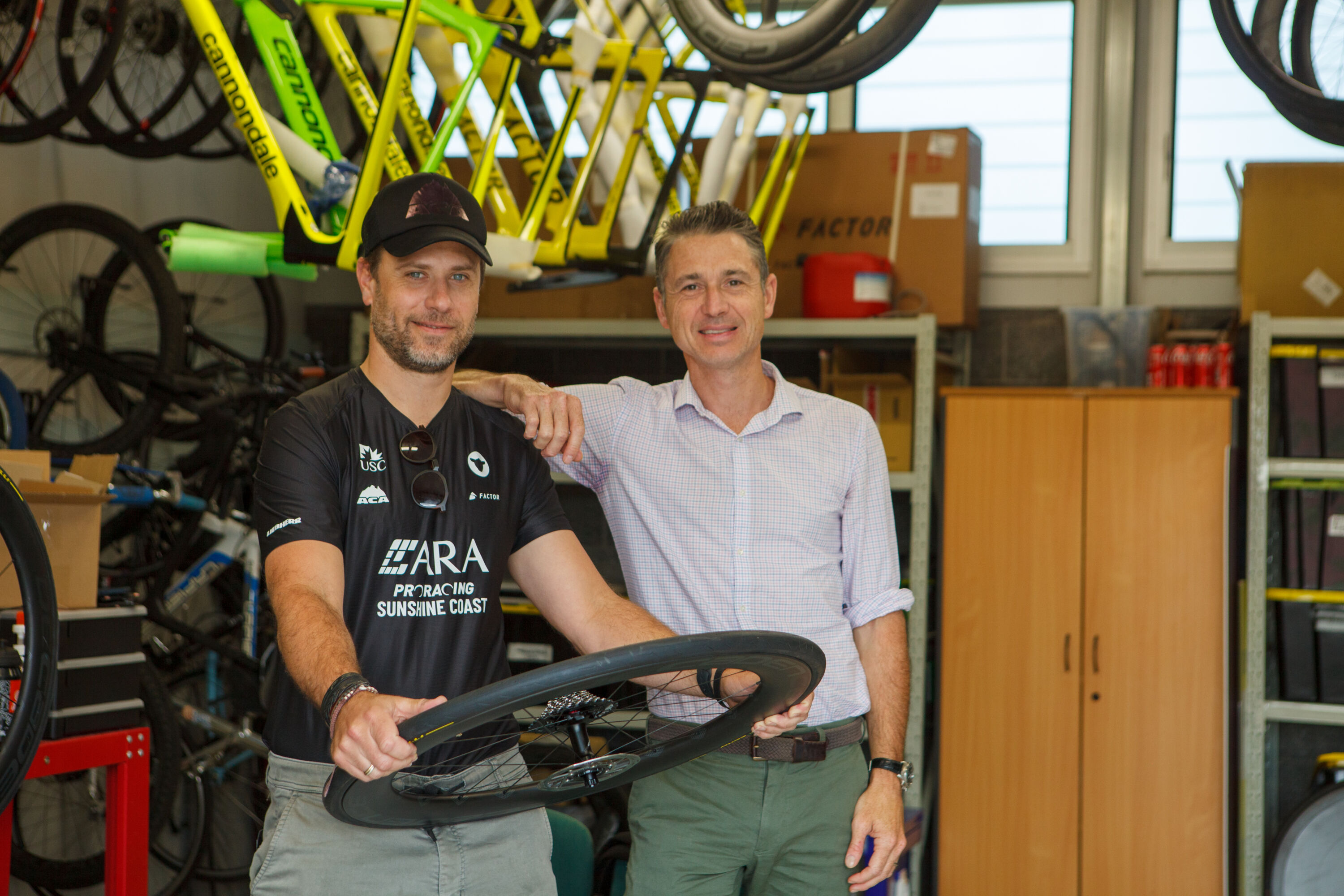
Founded on the Sunshine Coast in 2018 by former professionals Matt Wilson and Ben Kersten, the development program has built its identity around a philosophy that encourages riders to pursue education, employment and personal development alongside their racing ambitions.
The approach is based on a reality that is easy to overlook in a sport obsessed with the next professional contract. While a handful of riders will eventually make a living from cycling, the vast majority will not. Every athlete, however successful, will eventually need a life beyond racing.
That thinking sits behind the Academy’s long-standing motto: Live. Learn. Ride.
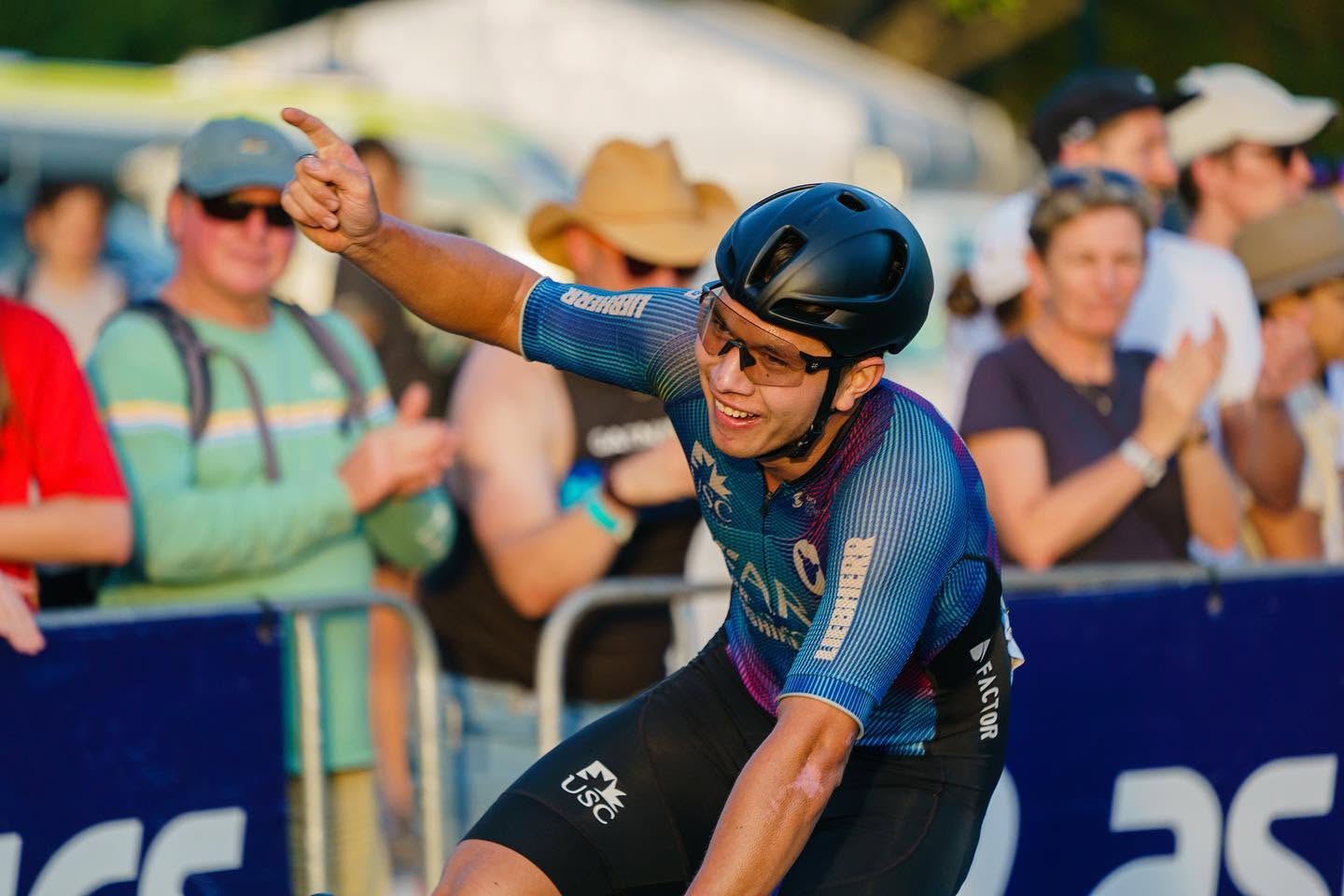
Swimming against the tide
When the ACA launched, dual-career athlete programs were far less common than they are today. Young riders chasing professional opportunities were often encouraged to commit fully to the sport, particularly as international pathways became increasingly competitive.
Rather than viewing education as a distraction, the ACA took the opposite approach.
A partnership with the University of the Sunshine Coast became central to the program’s early years, allowing riders to study while training in a high-performance sporting environment.
The Academy also encouraged riders to build friendships and interests outside cycling, and increasingly helped connect them with part-time work and professional opportunities.
Many riders embraced university life as enthusiastically as they did racing, becoming active members of the campus community while balancing study and competition.
More than a pathway to the WorldTour
The Academy’s alumni list includes riders who have reached the highest levels of the sport, among them Sam Welsford, Ruby Roseman-Gannon, Anya Louw, Alastair MacKellar, Michael and Matthew Rice, Craig Wiggins, Rachael Wales, Maeve Plouffe, Olly Bleddyn, Holly Lubcke, Alisha Wells, Declan Tresize, Alistair Donohoe and Oliver Stenning.
Many of these riders and more have represented Australia at Olympic and Commonwealth Games level, while many former riders have gone on to careers in health, science, business, coaching, media and environmental management.
That breadth of outcomes is arguably the most distinctive feature of the program. Success is not measured solely by how many riders sign professional contracts, but also by how many leave with qualifications, work experience and skills that remain valuable long after their racing careers finish.

Anya Louw, now riding for AG Insurance-Soudal, credits the Academy with helping her bridge the gap between Australian racing and the European professional ranks while continuing her university studies.
“I was able to develop myself both on and off the bike, combining a professional training and racing environment with university studies and also part time work,” she says.
At the same time, she also achieved top GPA results in her Bachelor of Dietetics while studying at UniSC.
The ACA also actively seeks part time jobs for riders in their chosen career fields.
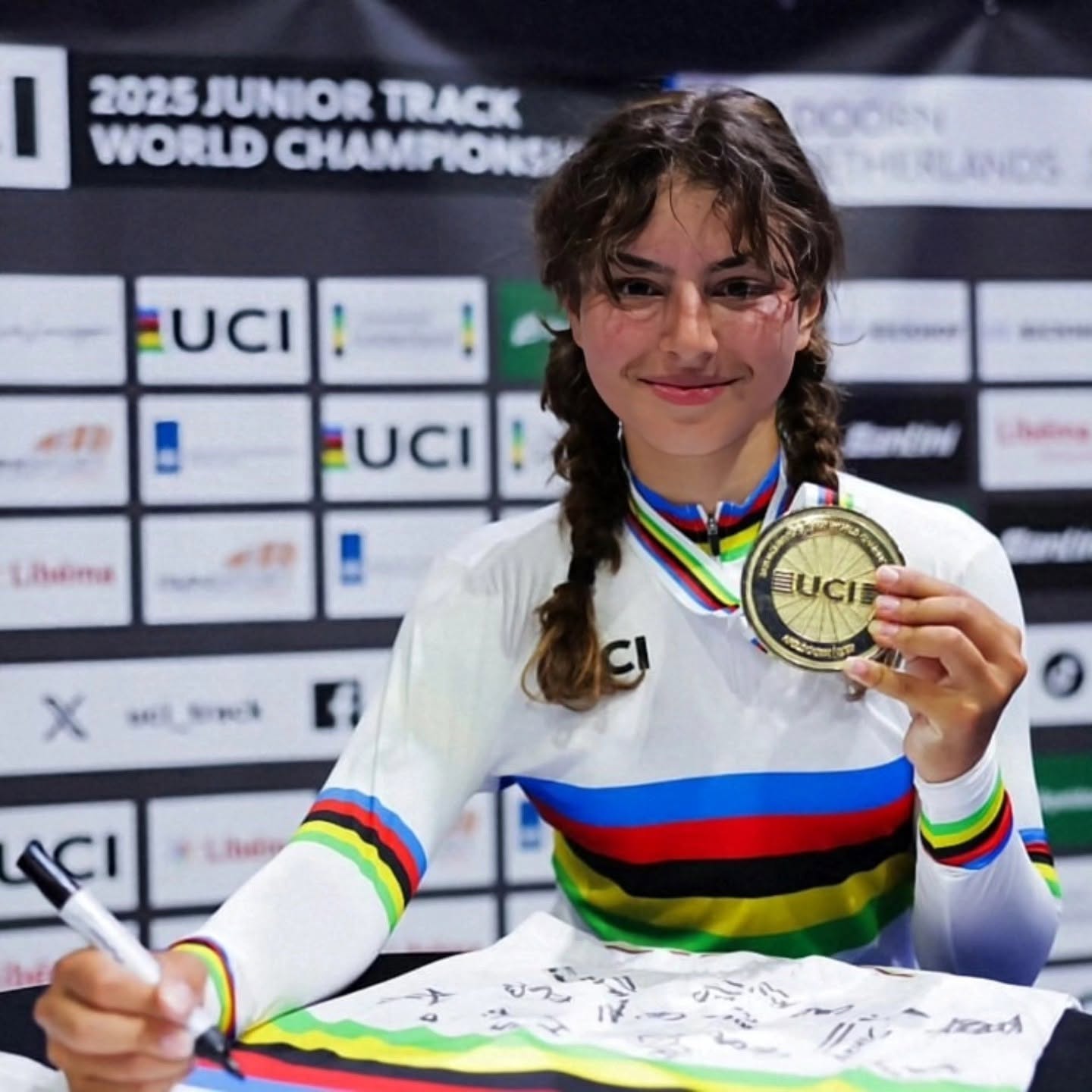
For example, 2025 under 19 team rider Anna Dubier (now with NSTRMO Attaquer) has been running the team’s social media for almost a year and plans to study a Bachelor of Commerce next year.
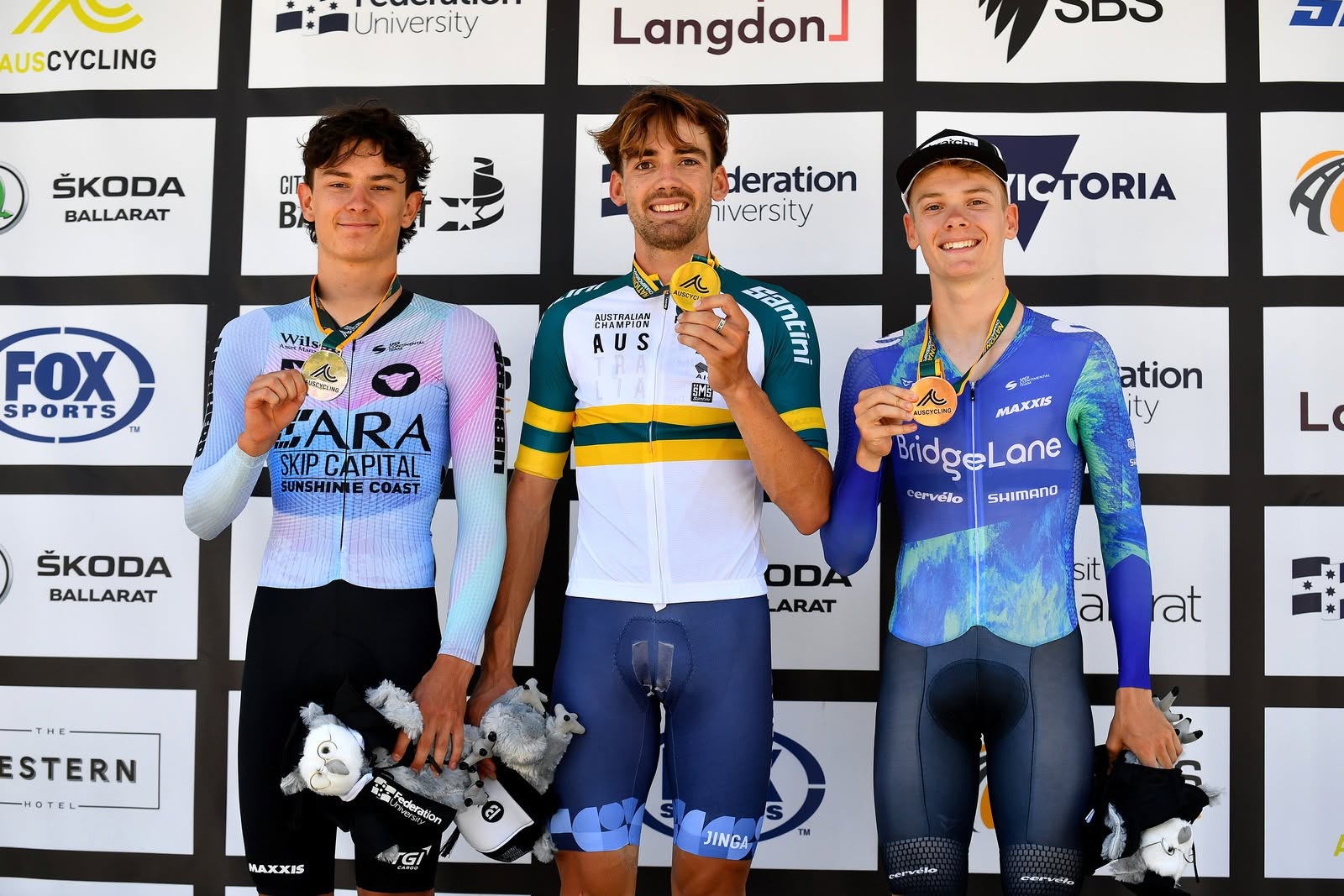
For riders like Alastair MacKellar (now with EF Pro Cycling), his pathway eventually progressed into Europe and racing opportunities at the highest levels of the sport.
Remarkably, he managed this challenging transition while continuing a UniSC Bachelor of Business he started while at ACA, often sitting exams at 2am and studying while on Tour.
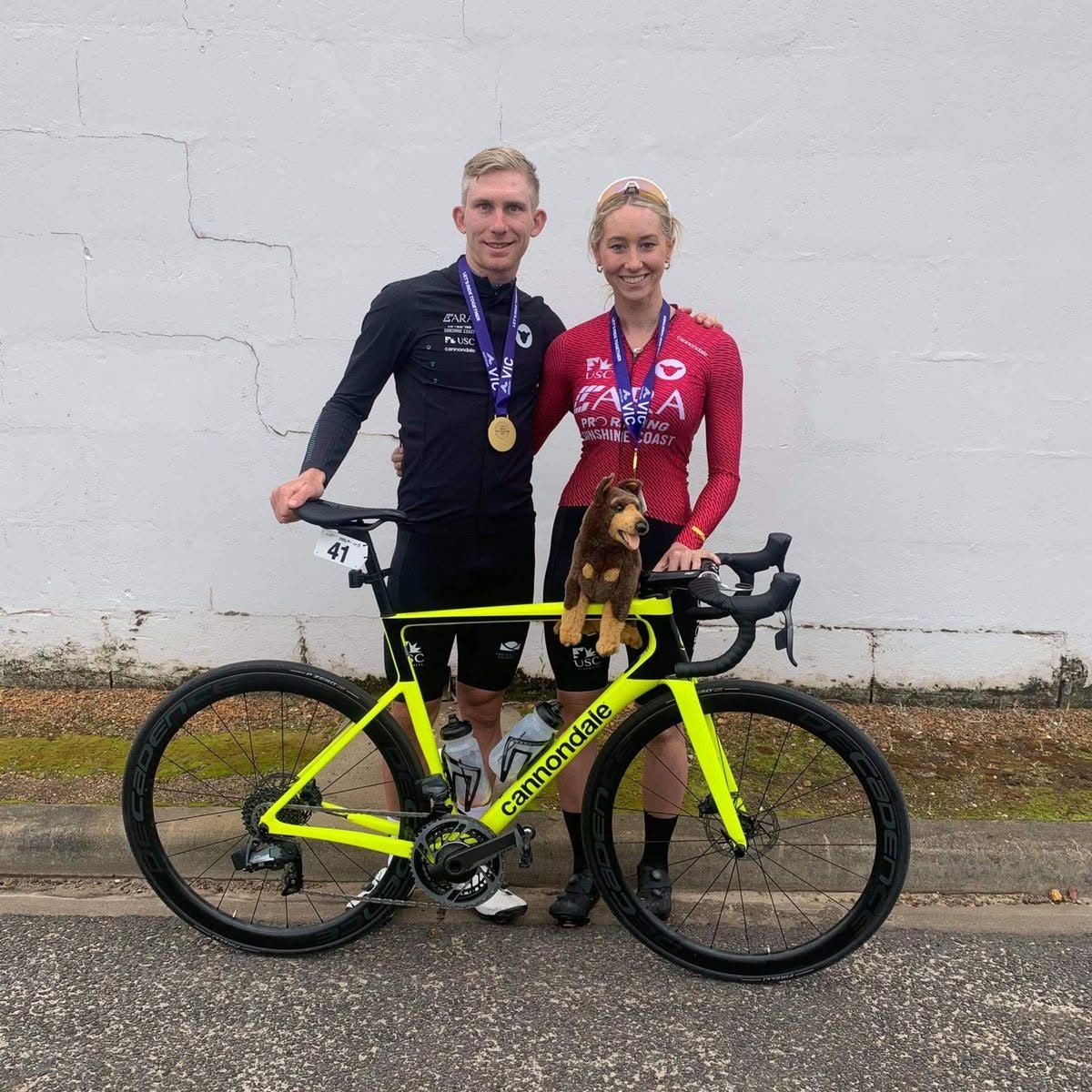
Their collective experiences reflect a challenge faced by many young Australian riders: developing as athletes while also preparing for an uncertain future in a sport where contracts can be short and opportunities limited.
Adapting to a changing sport
The Academy itself has evolved alongside cycling’s development pathways.
In 2025, the organisation shifted its focus from Under-23 riders to the Under-19 category, reflecting the growing importance of junior racing as professional teams scout talent at increasingly younger ages.
“The Under-19 category has become increasingly important in recent years, particularly for riders aspiring to progress to professional teams,” says Wilson.
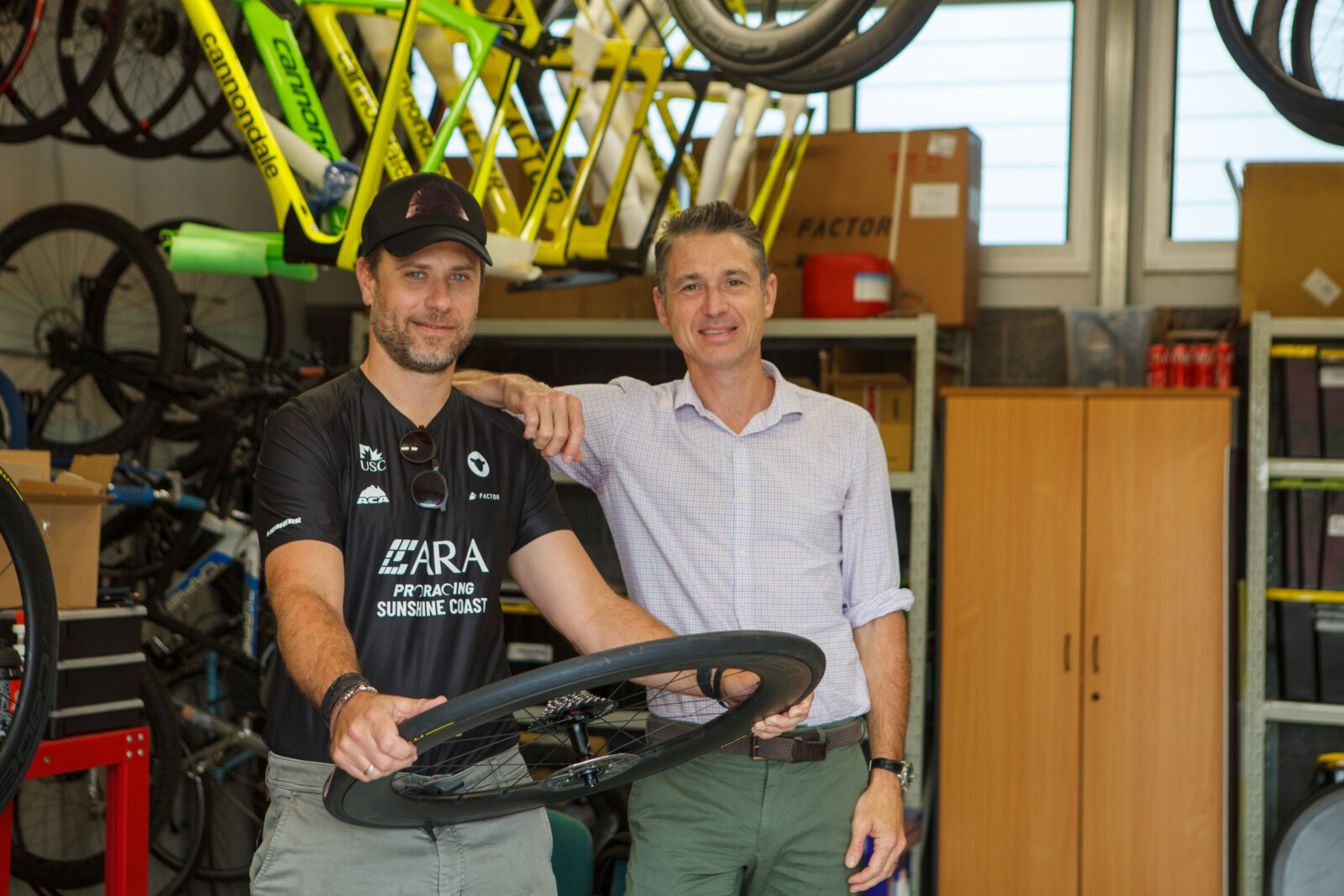
“The reality is that young athletes now need exposure to Europe and strong results in the junior ranks much earlier than was the case five years ago. We recognised that if we wanted to provide riders with the best possible opportunity to build a career in cycling, we needed to adapt alongside it.”
The move also acknowledges a difficult balancing act. Young riders may need earlier exposure to international competition, particularly in Europe, but they also need support to remain engaged with education and life beyond the sport.
According to Wilson, providing that balance is now central to the Academy’s role.
“The Australian Cycling Academy was built on the belief that success should never be measured purely by contracts or podiums,” he says.
“If we can help young riders become capable, educated and resilient people while chasing their cycling dreams, then we’ve achieved something far more meaningful.”
A different model of success
Cycling has long celebrated stories of sacrifice: riders who left school early, moved overseas with little support, or devoted every waking hour to chasing professional dreams.
What the Australian Cycling Academy offers is a different perspective. Its experience suggests that developing broader life skills need not come at the expense of athletic performance. In some cases, it may strengthen it.
As Australian cycling continues to search for sustainable development pathways, the ACA provides an example of an alternative model, one that treats riders not simply as future professionals, but as young people whose lives will extend far beyond the finish line.
For a sport increasingly focused on long-term athlete wellbeing, that may prove to be one of its most important lessons.