

 Mike O'Connor
Gravel bikes have spent the past decade getting more capable. Wider tyres, more mounts, longer reach and slacker geometry have all pushed the category well beyond its cyclocross roots.
And while the last few years of innovation seem primarily focused around boosting tyre clearance, that seems to have hit a pretty happy point around 40-50mm or so for most riders.
So, what’s next for the industry you ask?
Well, it seems aero-optimised geo is the next big thing.
At this year’s China Cycle, one theme stood out across the exhibition floor: gravel bikes are becoming noticeably faster with sharper silhouettes and more aerodynamic tube shapes.
At the same time, a growing number of brands are building bikes aimed less at carrying bags into the backcountry and more at riding hard over mixed terrain.
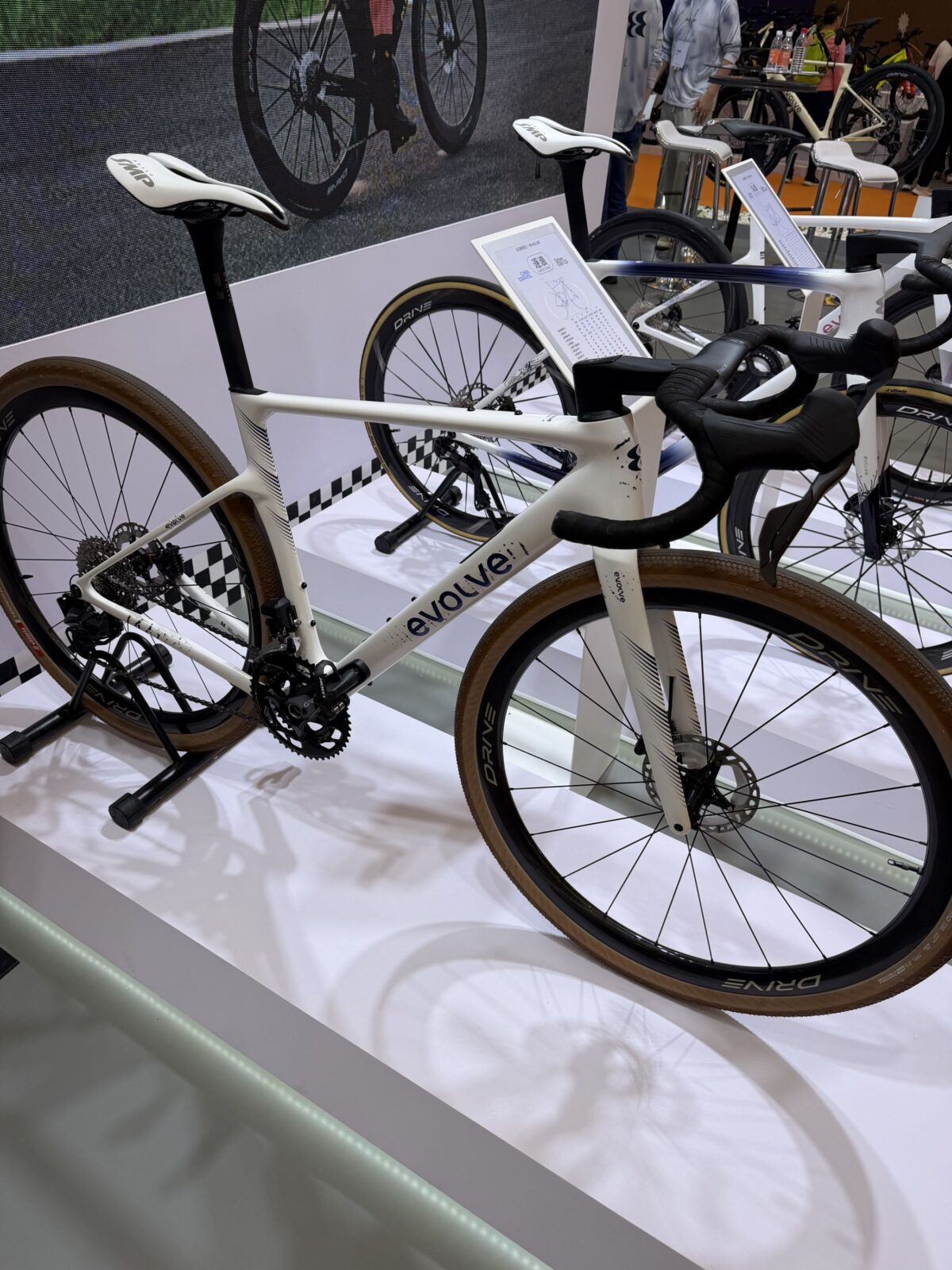
Gravel is getting quicker
While events like China Cycle show what the manufacturers believe buyers want, in many ways the innovation we’re seeing now has been coming from the racing scene for the last few years.
Just look at the prototype Scott that former Unbound 200 champion Cameron Jones rode at this past weekend’s edition of the great race.
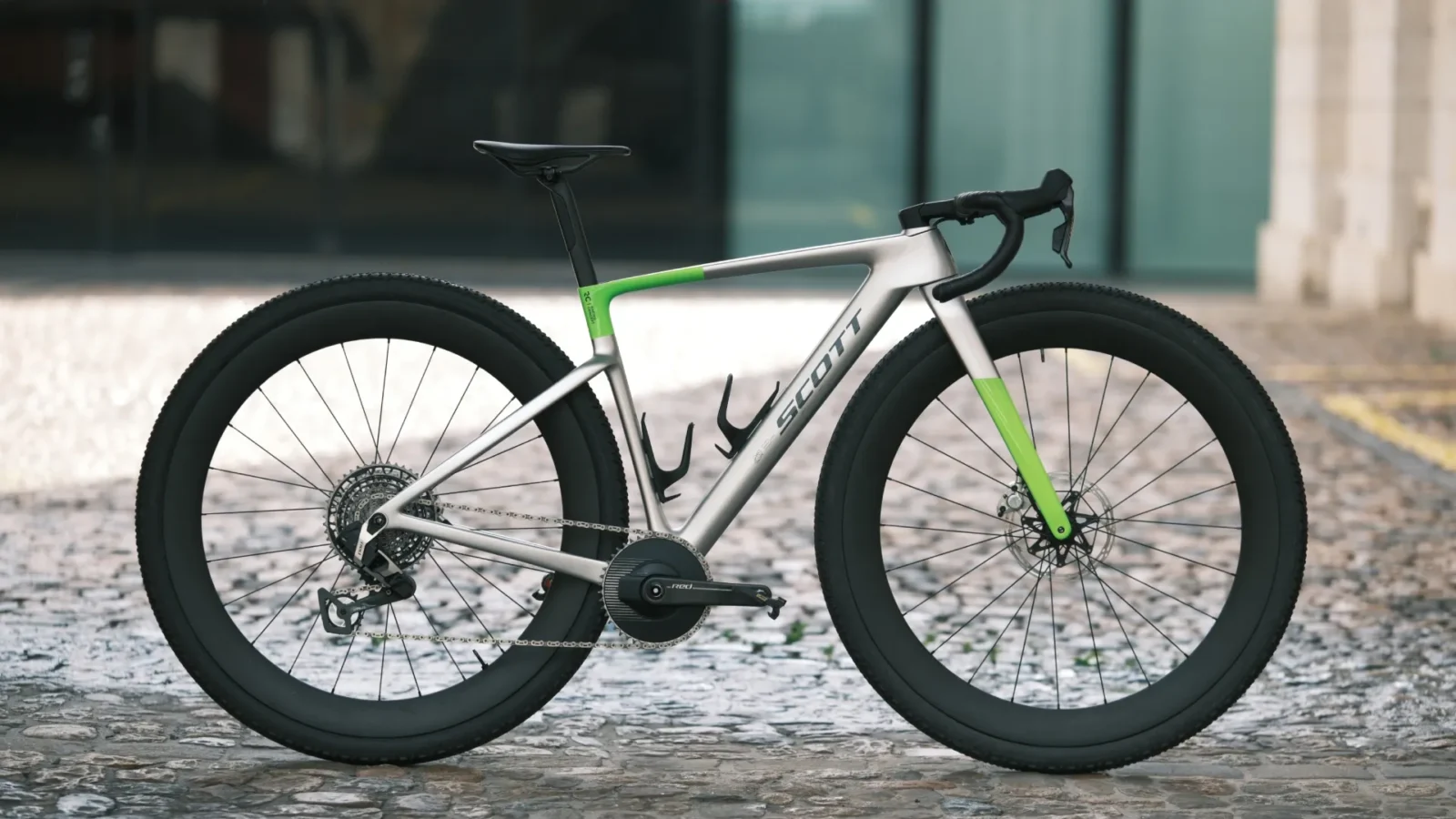
What’s most notable about his weapon of choice for Kansas is it was built around the very much new and genre-busting 32-inch-wheel size.
And although Jones had to settle for 10th in the 2026 edition, a nearly identical prototype was ridden to glory by Robin Gemperle in the 350-mile Unbound XL.
Now in case you were wondering, you can’t just toddle off down to your local retailer and buy this thing – as Scott have said (in a pretty clever piece of marketing) that this is a prototype bike that will ‘never be brought to market.’
But you know the thing about markets? If there’s demand, there’s a market, as they say.
And without delving too much into the 32-inch wheel thing here (we wrote about it in another article here), it’s worth noting that while cycling’s governing body, the Union Cycliste Internationale (UCI), requires equipment used by professional riders to be commercially available within 12 months of appearing in competition, gravel racing largely sits outside that framework, which is one reason why we’re seeing some pretty out there designs in recent years.
So, what are those designs?
With the comfort box largely ticked, you could argue the performance side of gravel has now accelerated.
It’s clear from our own events like Dirty Mudgee that riders are racing gravel in larger numbers, and going from the average speeds at the pointy end, at much faster speeds too.
At the same time, tyre technology has improved, and carbon frame development has become more sophisticated. Manufacturers are starting to find ways to improve efficiency without sacrificing the control riders expect on rough roads.
The result is a new category sitting between endurance road and traditional gravel. These are bikes that still clear large-volume tyres and handle dirt confidently, but sacrifice relatively little once the pace lifts.
Part of this comes from bikes that now offer cleaner integration of cables and more aerodynamic shaping of tubes.
According to Matt Whitmore of Winspace, there’s already a major shift toward faster gravel riding and racing.
“Events like Unbound have pushed gravel into a far more performance-focused direction, and riders are now expecting bikes that are efficient at speed while still capable on rough terrain,” he says.
“Wider tyre clearance has become a huge part of that evolution, which is why the Winspace G3 was designed around modern high-volume tyres from the beginning.”
He also believes that the combination of more aero focused bikes has come at a key junction for the industry: more and more riders are seeking cutting edge tech without the traditional premiums that you would expect to pay to be at the bleeding edge.
“Riders are becoming much more conscious of inflated pricing in the industry, so when they can get world-class engineering and performance without the traditional premium markup, it gets attention very quickly,” he says.
You just have to look at Specialized’s new Crux 5, announced last week, to see where one of the world’s largest bike manufacturers sees the industry heading.
You could argue Specialized’s popular Crux began life as a lightweight cyclocross-gravel hybrid, but across five generations it steadily evolved to meet the demands of modern gravel racing, culminating in its raciest version yet with the fifth-generation Crux.
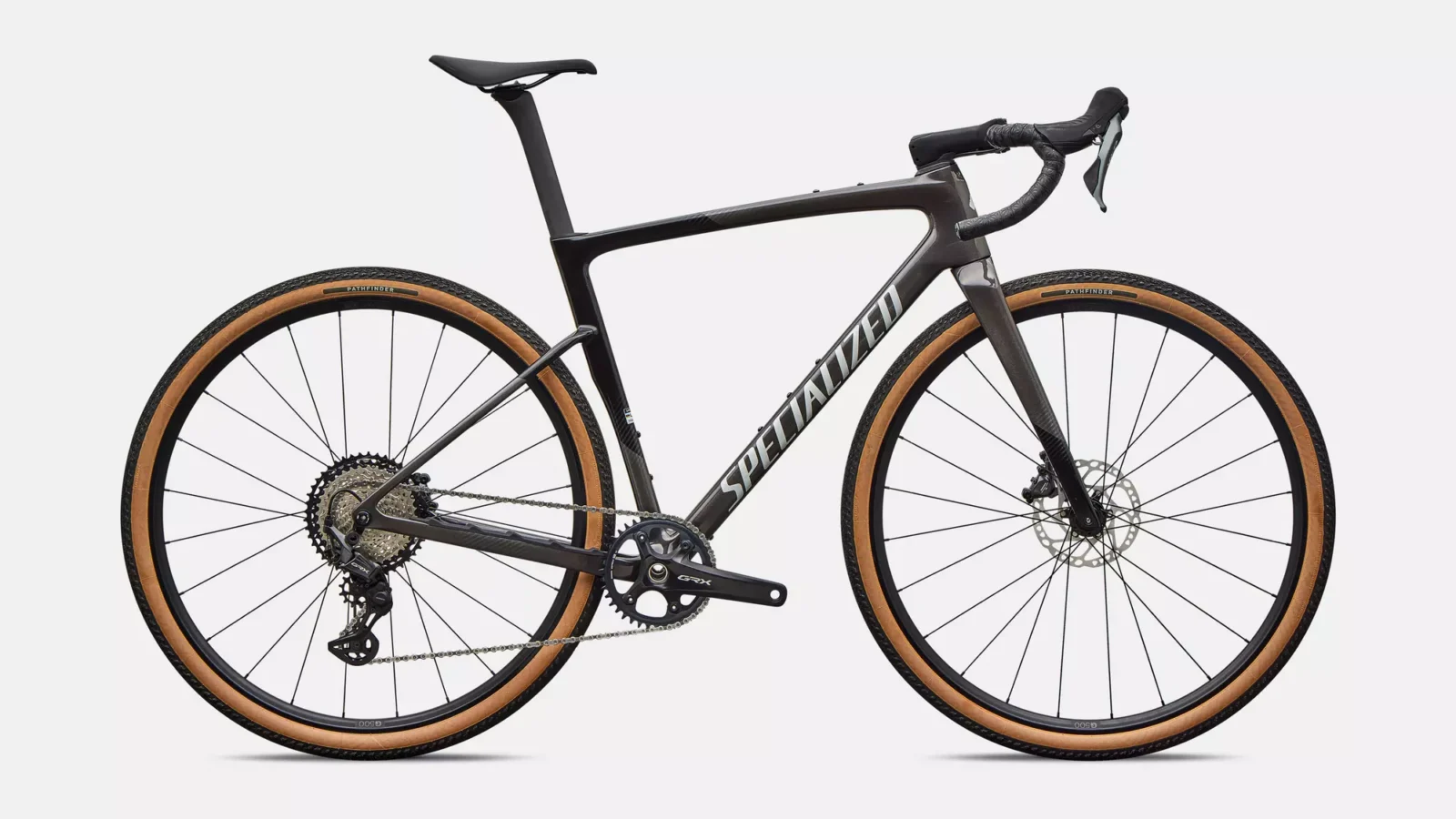
The latest edition adopts truncated aerofoil, or Kammtail-style, tube profiles, closely echoing the shapes seen on the Specialized Tarmac SL7 and Tarmac SL8.
At the same time, the new Crux offers fully integrated handlebar/stem (albeit only on higher builds), internal cable routing, a cleaner head tube transition which promises less turbulence at the front, and even frame shaping to account for tyre bulge airflow.
The result is a bike that’s all about speed – at least as far as Specialized’s marketing is concerned – and a strong signal that this style of gravel bike is set to become increasingly common in the years ahead.
Australian-available bikes already embracing the trend
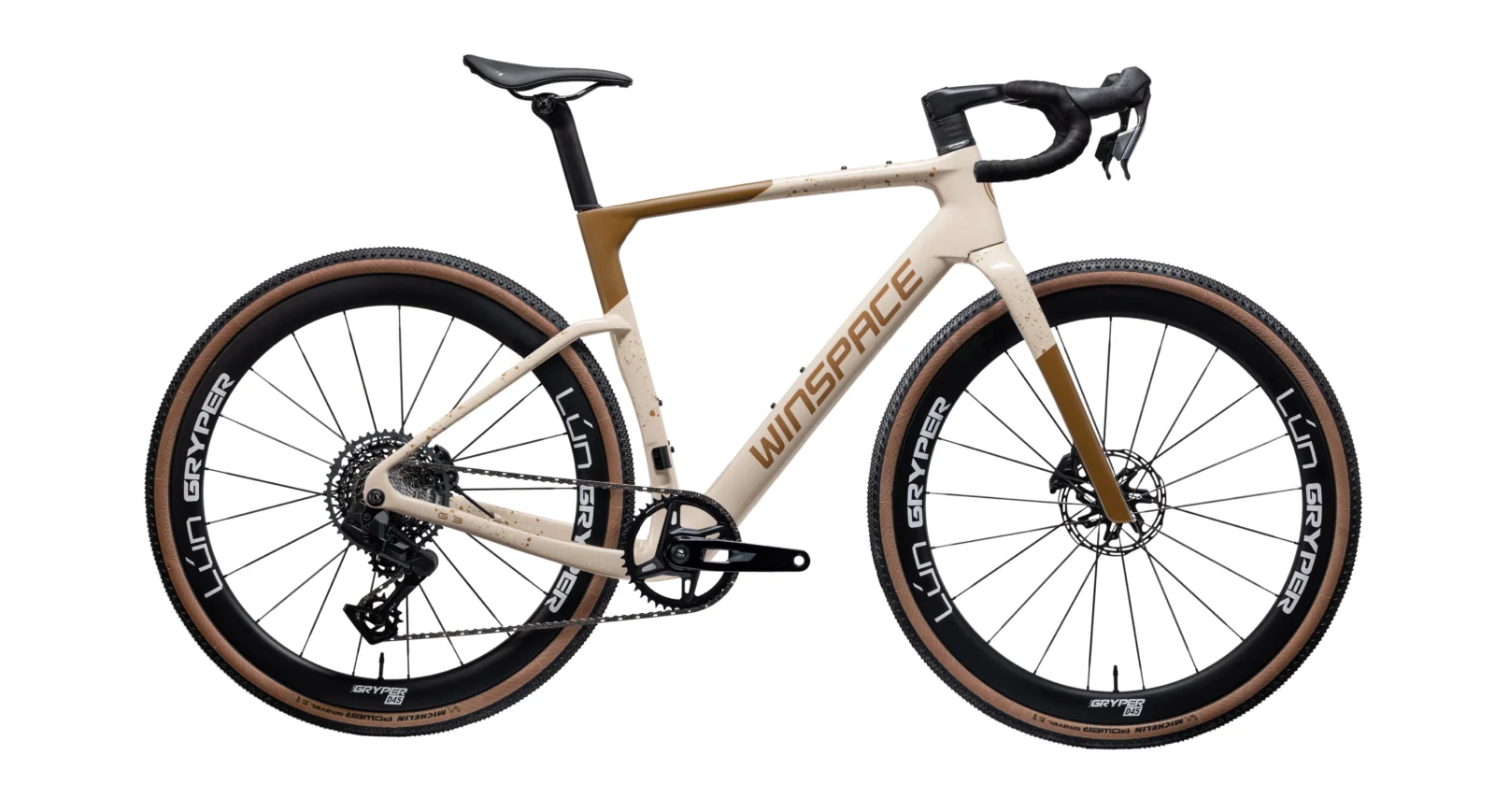
Winspace
Winspace built its reputation on aero road bikes and carbon wheelsets, and that race-focused approach carries directly into gravel.
Its gravel platform, the Winspace G3, is aimed squarely at performance riding. With clearance for up to 50mm tyres, the frame design leans heavily toward speed, with clean carbon shaping, a streamlined front end, and geometry that feels closer to modern all-road racing than traditional adventure gravel.
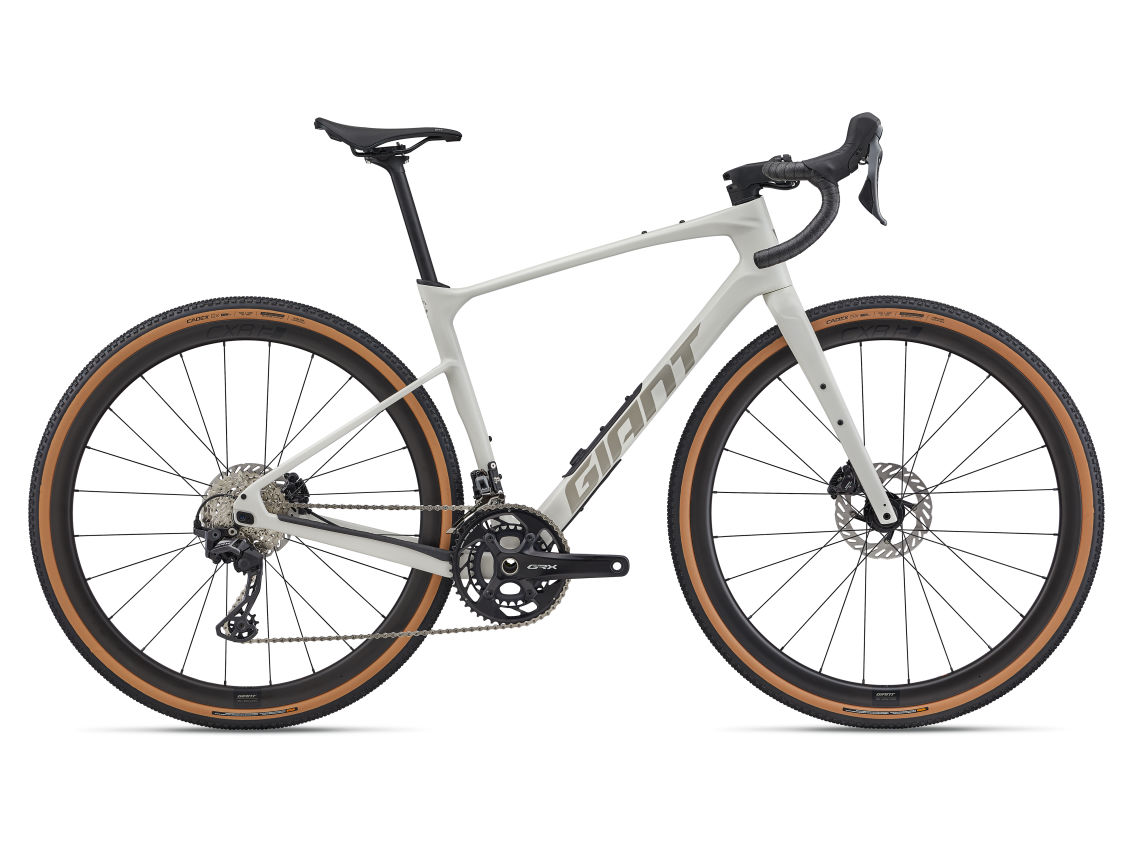
Giant Revolt Advanced
The Revolt has matured into one of the strongest all-round gravel bikes on Australian roads.
It still feels practical and adaptable, but recent updates have sharpened the handling and made the platform feel quicker under power. For riders who want one bike for long gravel days, rough-road training and the occasional race, it remains a smart benchmark.
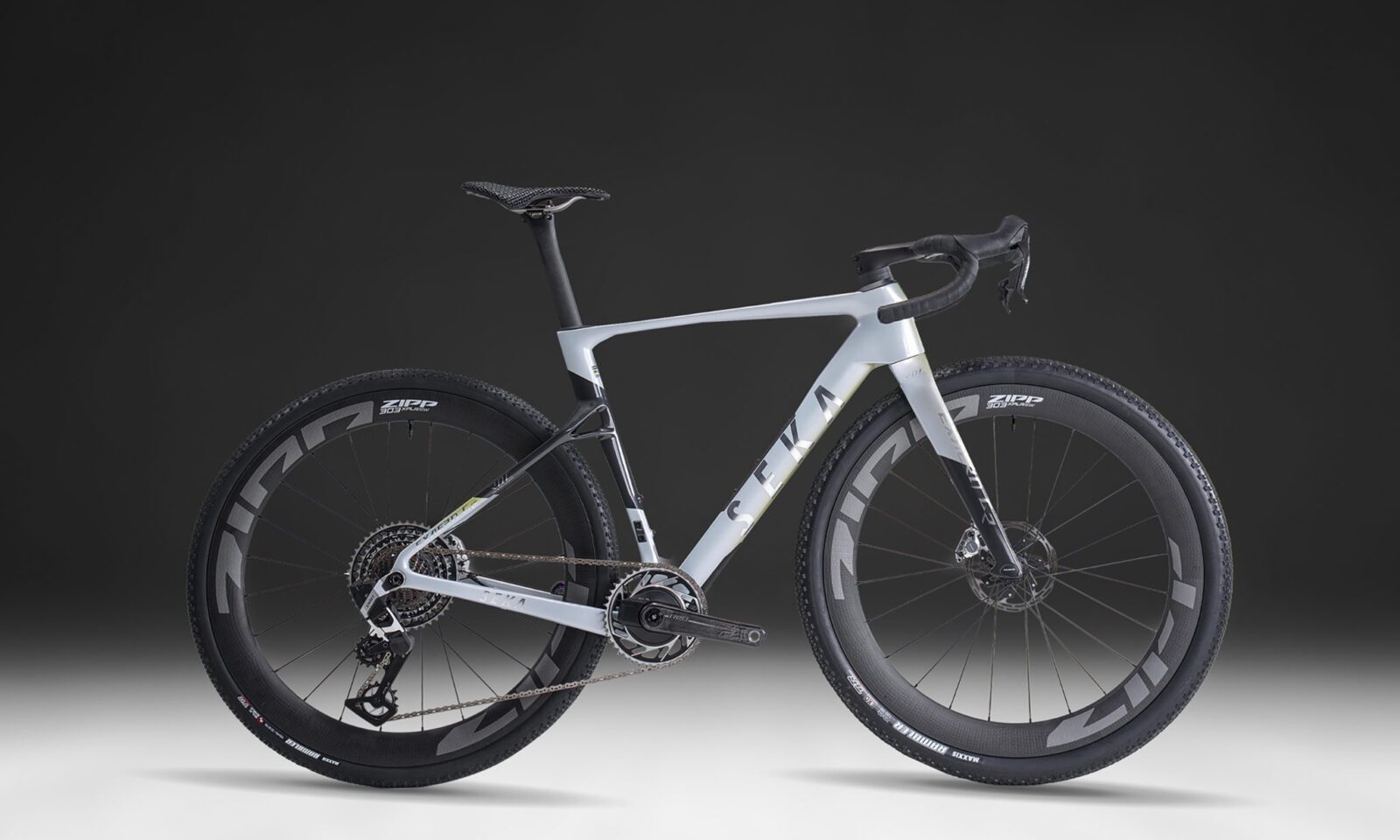
Seka Exaero GR
The SEKA Exaero GR is one of the clearest aero-gravel examples to emerge from China. The frame features deeper tube shaping, tight integration and a distinctly race-bike silhouette, looking closer to an aero endurance road bike fitted with gravel tyres than a traditional off-road machine.
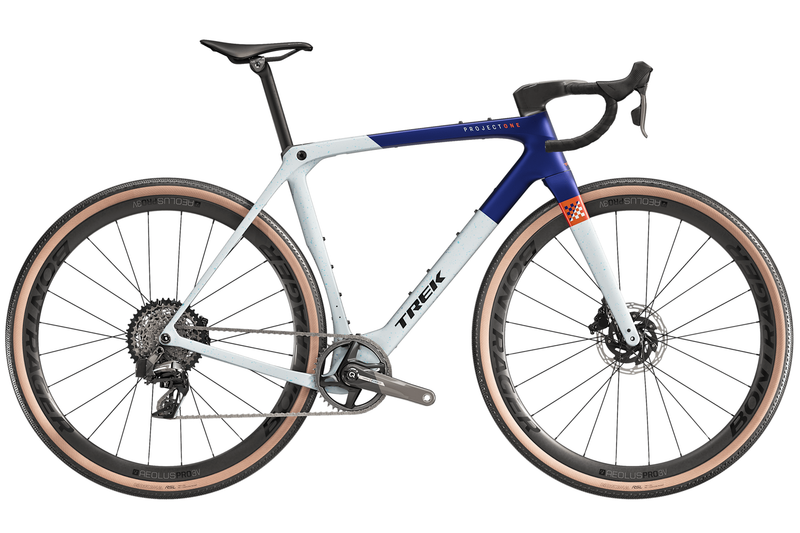
Trek Checkmate
Rather than trying to be an all-purpose gravel machine, Trek designed the Checkmate SLR specifically around racing.
Its silhouette borrows heavily from the Trek Madone, with deeper aerodynamic tube shaping and an integrated cockpit that looks much closer to a modern race bike than a traditional gravel build.
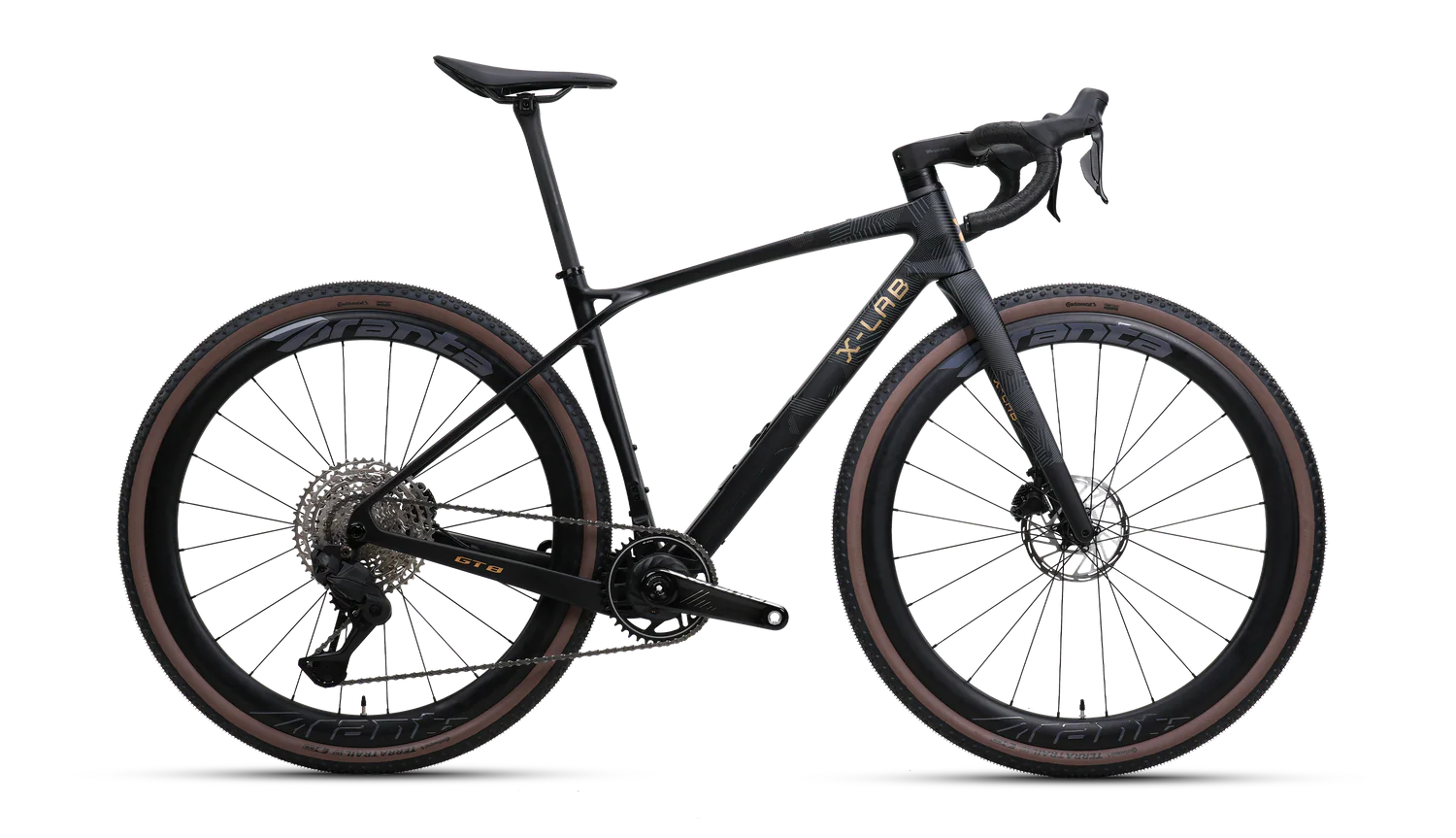
XDS X-LAB GT8
XDS’ gravel bikes sit firmly at the faster end of the category, with carbon construction, clean cockpit integration and a clear focus on efficiency over rough terrain.
The company’s rapid development of new models also show how quickly Chinese manufacturers are moving beyond value-led offerings and into the premium gravel market at pace.
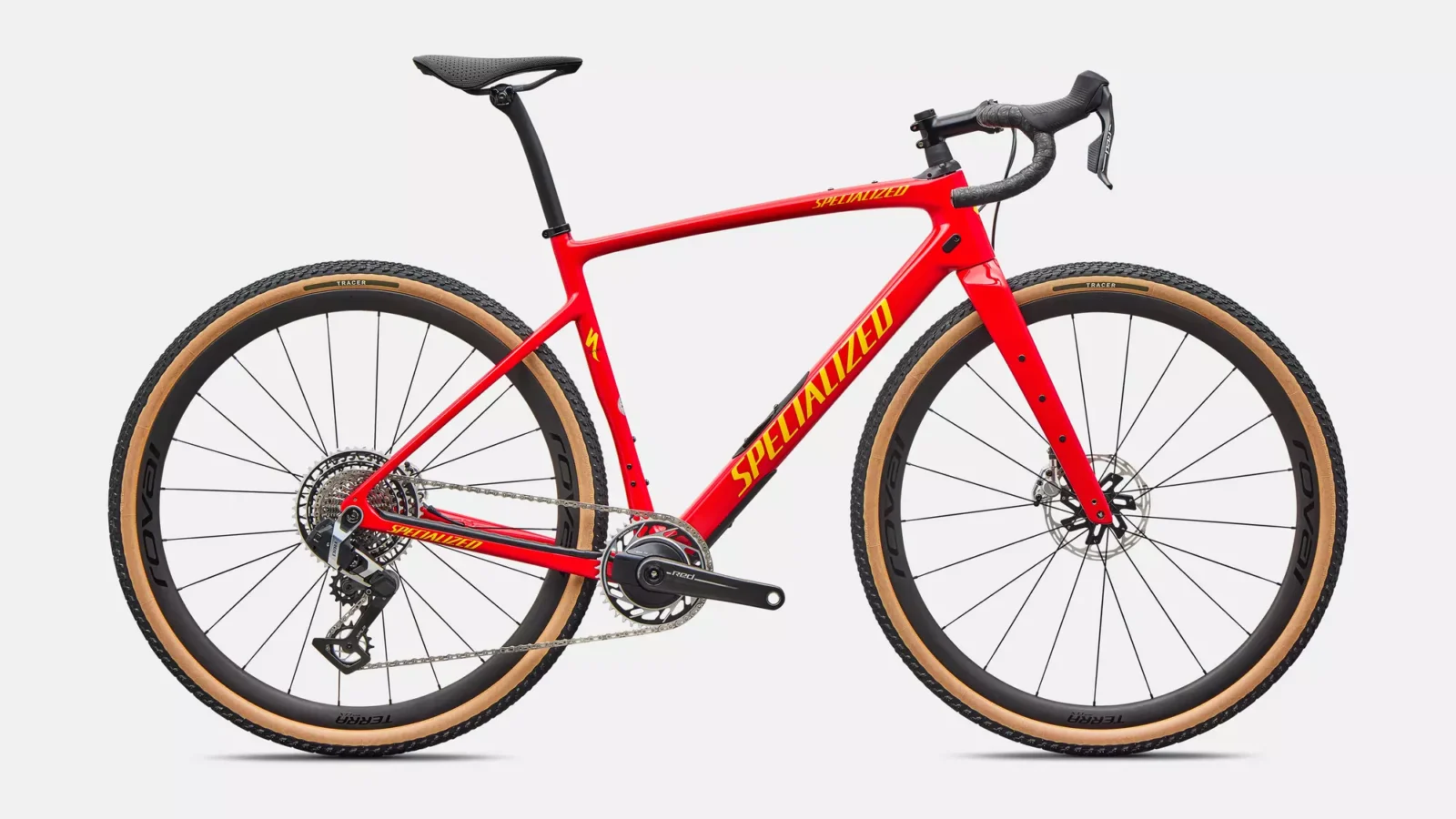
Specialized Diverge
Wile the new Crux is very much the gravel race bike of choice in Specialized’s lineup, the Diverge still remains hugely capable, and the modern version also feels much more performance-driven than earlier generations.
There is still plenty of tyre clearance, now up to 50mm, and comfort built in, yet the bike feels designed to move efficiently when the road turns rough and the pace rises.

Mike O’Connor – A keen cyclist, runner and photographer, Mike O’Connor is the Editor of Bicycling Australia. He manages the BA website and social media, and loves promoting the achievements of Australian cyclists.